
Florida, the Sunshine State, has long captivated visitors with its pristine beaches, vibrant cities, and world-class attractions. For many, it represents an ideal destination for leisure, retirement, or simply a change of pace. However, in recent years, a different kind of buzz has been generating across the state: the ongoing debate surrounding marijuana legalization. This topic, far from being a niche discussion, profoundly impacts the lifestyle of both Florida residents and the millions of tourists who flock to its shores annually. The question of whether a marijuana bill has passed or is likely to pass is not merely a legal technicality; it’s a lifestyle consideration that touches upon personal freedoms, health, economic opportunities, and the very fabric of public perception. As the legislative landscape shifts, understanding the current status and potential future of cannabis in Florida is essential for anyone seeking to navigate this dynamic environment responsibly and insightfully.
The Current Landscape of Cannabis in Florida
The journey of cannabis legislation in Florida is a tale of gradual reform, public advocacy, and judicial scrutiny. Unlike some states that have moved directly to recreational legalization, Florida has taken a more phased approach, starting with medical cannabis and now grappling with the complexities of adult-use proposals.
Medical Marijuana: A Precedent
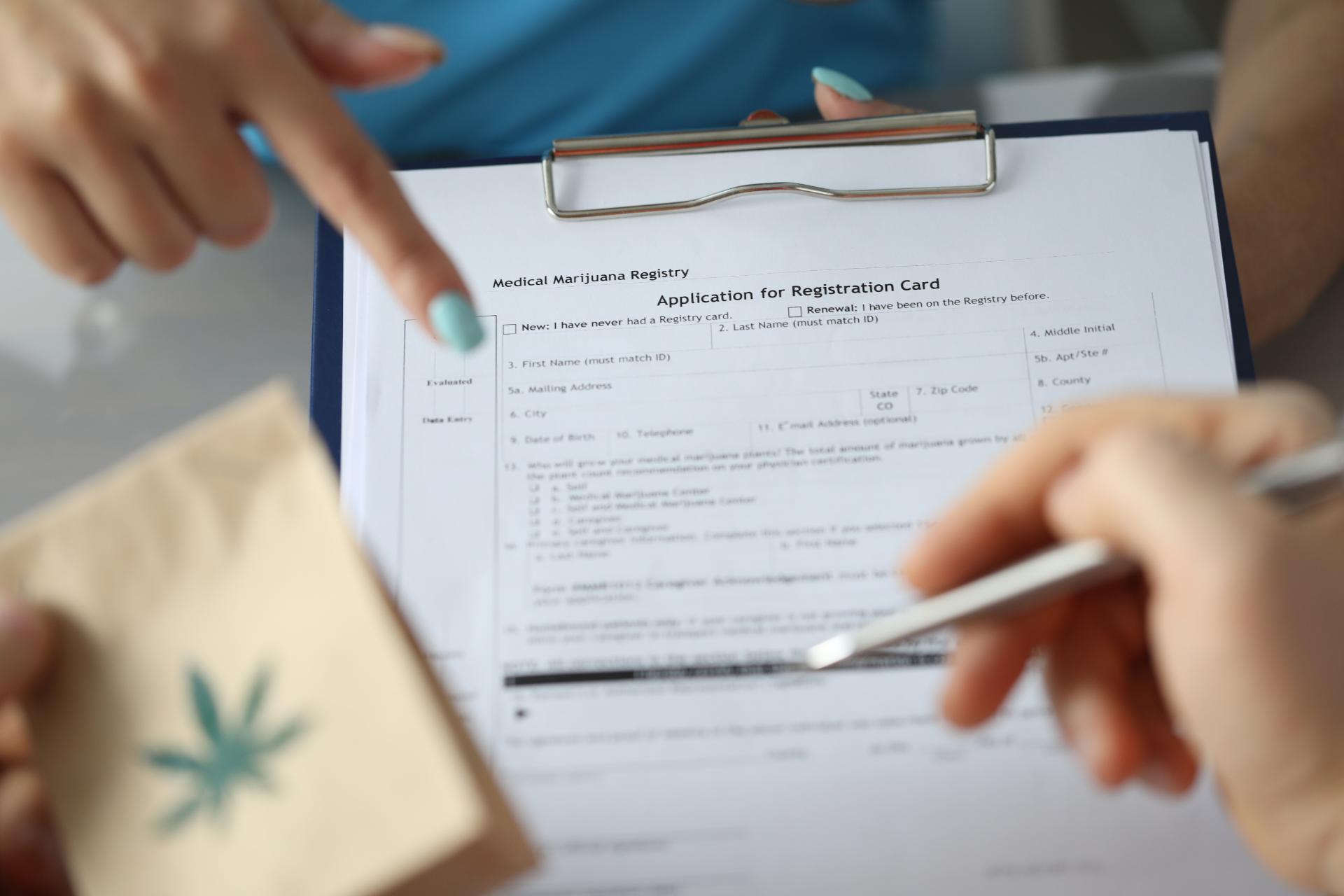
The first significant shift in Florida’s cannabis policy came with the overwhelming approval of the Florida Medical Marijuana Legalization Initiative, Amendment 2 (2016). This landmark ballot initiative, passed with over 71% of the vote, established a comprehensive medical marijuana program for qualifying patients. Under this framework, individuals suffering from specific debilitating medical conditions, such as cancer, epilepsy, glaucoma, HIV/AIDS, PTSD, Crohn’s disease, Parkinson’s disease, and multiple sclerosis, among others, can obtain a medical marijuana card. This card, issued after consultation with a qualified Florida physician, allows patients to legally purchase and possess cannabis products from licensed dispensaries.
The implementation of medical marijuana has significantly altered the lifestyle for thousands of Floridians, providing access to an alternative form of treatment that was previously unavailable. Dispensaries have become a common sight in cities like Miami, Orlando, and Tampa, operating under strict state regulations governing cultivation, processing, testing, and dispensing. While this program has been a success for medical patients, it maintains stringent rules, including limits on possession and prohibitions on smoking in public places, underscoring the state’s cautious approach.
Recreational Use: The Ongoing Battle
Despite the success of the medical program, recreational marijuana remains illegal in Florida for adults without a medical card. The path to adult-use legalization has been fraught with challenges, primarily through citizen-led ballot initiatives rather than legislative action from Tallahassee. The distinction between medical and recreational use is crucial: medical use is health-focused and regulated by patient needs, whereas recreational use broadens access to any adult over 21, often with different regulatory and taxation models.
Several efforts to legalize recreational cannabis have emerged, most notably the Florida Recreational Marijuana Initiative, Amendment 3 (2024). This initiative aims to amend the state constitution to allow adults 21 and older to possess and use marijuana for non-medical purposes. The journey to get such an initiative on the ballot is arduous, requiring hundreds of thousands of valid signatures from registered voters and subsequent review by the Florida Supreme Court. The court’s role is to ensure that the proposed amendment adheres to state constitutional requirements, particularly regarding single-subject rules and clear language for voters. As of this writing, while the initiative has garnered sufficient signatures, its ultimate fate rests on the ballot and the will of the voters in the upcoming election. Therefore, to directly answer the titular question: No, a recreational marijuana bill has not yet passed in Florida, but a significant initiative is poised for a statewide vote.
Understanding the Proposed Legislation and Its Journey
The journey of a constitutional amendment for adult-use cannabis in Florida is complex, reflecting both the democratic process and the state’s legal safeguards. Understanding this path is key to grasping the potential shifts in lifestyle for those in Florida.
The Path to the Ballot
In Florida, amendments to the state constitution can originate in two primary ways: through legislative referral or via citizen initiatives. Given the historical reluctance of the Florida Legislature to pass comprehensive recreational cannabis laws, citizen initiatives have become the primary vehicle for change. Organizations like Smart & Safe Florida play a pivotal role, spearheading signature-gathering campaigns to meet stringent thresholds. For a constitutional amendment to appear on the ballot, proponents must collect signatures from a specified percentage of voters in a majority of the state’s congressional districts. This process is costly, time-consuming, and logistically demanding.
Once enough signatures are verified, the proposed amendment undergoes judicial review by the Florida Supreme Court. This review is not about the merits of legalization but rather about ensuring the ballot language is clear, concise, and addresses a single subject, avoiding “logrolling” or misleading voters. Opponents often challenge these initiatives in court, arguing that the language is ambiguous or that it oversteps constitutional boundaries. If the Florida Supreme Court approves the ballot language, the initiative then proceeds to a statewide vote, requiring at least 60% approval from voters to pass and become law. This high threshold makes successful passage a significant challenge, reflecting the state’s conservative political leanings.
What a “Yes” Vote Would Mean for Lifestyle
Should the Florida Recreational Marijuana Initiative, Amendment 3 (2024) pass, the lifestyle implications for residents and visitors would be substantial. The proposed amendment typically outlines key provisions that would reshape the state’s approach to cannabis:
- Personal Possession and Use: Adults 21 and older would be legally allowed to possess and use specified amounts of marijuana for personal consumption. This would significantly reduce arrests for minor cannabis offenses and reshape how individuals interact with the substance in their daily lives.
- Retail Sales: The amendment typically leverages the existing infrastructure of medical marijuana treatment centers, allowing them to also sell cannabis to adult-use consumers. This means new dispensaries would likely emerge, and existing ones would expand their operations. The availability of legal cannabis would alter social dynamics and consumer choices.
- Consumption Rules: While legalization permits possession, it often comes with strict rules on where cannabis can be consumed. Public consumption, similar to alcohol, is generally prohibited, meaning use would primarily be restricted to private residences. This maintains a level of discretion and addresses public health concerns.
- Economic Impact and Tourism: Legalization would likely usher in a new era of cannabis tourism. Visitors, particularly from states where recreational cannabis is illegal, might be drawn to Florida for this new lifestyle option. It would also create a burgeoning industry, leading to job creation in cultivation, processing, retail, and ancillary services, significantly boosting the state’s economy. New businesses and hospitality experiences could emerge, catering to this evolving market.
Lifestyle Implications for Residents and Visitors
The potential legalization of recreational marijuana in Florida carries profound lifestyle implications that extend beyond simple legality, influencing travel decisions, social norms, and personal choices.
Navigating the Legal Complexities
Even with state-level legalization, the journey is not without its intricate legal layers. The most significant complexity arises from the ongoing conflict between state and federal law. While Florida may legalize cannabis, it remains illegal under federal law. This discrepancy creates a challenging environment for individuals and businesses:
- Travel Considerations: For travelers, this means that even if recreational cannabis is legal in Florida, transporting it across state lines or on flights (which operate under federal jurisdiction) remains illegal. This impacts vacation planning and personal consumption decisions for tourists. Within Florida, public transportation and federal properties (like national parks) would still prohibit cannabis, requiring careful navigation.
- Workplace Policies: Employers in Florida would likely retain the right to maintain drug-free workplace policies, even if cannabis becomes legal for recreational use. This means employees could still be subject to drug testing and face consequences for cannabis use, irrespective of its legal status at the state level. This impacts professional lifestyles and career choices.
- Housing Rules: Landlords could still prohibit cannabis use on their properties, much like they can prohibit smoking tobacco. This would affect renters and their ability to consume cannabis in their homes, even if it’s legal statewide.
- Banking and Business: Federally regulated banks often hesitate to provide services to cannabis businesses due to federal illegality, creating operational challenges for an industry that could otherwise flourish.
The Future of Florida’s Cannabis Culture
Should Florida embrace recreational cannabis, its cultural landscape would inevitably evolve. The state, already a melting pot of cultures and lifestyles, would likely see the emergence of a distinct “cannabis culture”:
- New Industries and Job Growth: Beyond dispensaries, legalization would foster growth in cultivation, processing, product manufacturing (edibles, tinctures, vapes), testing labs, and security. This creates thousands of jobs, from agricultural workers to highly skilled scientists and retail managers, directly influencing the economic lifestyle of many Floridians.
- Impact on Related Sectors: The tourism and hospitality industries would experience significant shifts. Cannabis lounges, consumption-friendly accommodations, and specialized tours could become new attractions. Dining experiences might incorporate cannabis-infused cuisine, and the nightlife scene could see new venues emerge. This would fundamentally alter how visitors experience Florida and what activities are available to them.
- Social Acceptance and Changing Perceptions: As cannabis becomes more mainstream, social acceptance typically increases. This could lead to a reduction in stigma, a more open dialogue about cannabis use, and a greater understanding of its various forms and effects. Florida could learn from other states like Colorado and California, which have successfully integrated recreational cannabis into their social and economic frameworks, establishing best practices for regulation, public safety, and responsible consumption.
Preparing for Potential Changes and Staying Informed
For residents and visitors alike, staying informed and exercising personal responsibility will be paramount as Florida’s cannabis laws potentially evolve. The dynamic nature of this legislative area requires proactive engagement.
Where to Find Reliable Information
Amidst the enthusiasm and debate surrounding cannabis legalization, it is crucial to rely on accurate and authoritative sources. Misinformation can lead to legal complications and misguided lifestyle choices.
- Official Government Websites: The Florida Department of Health provides comprehensive information regarding the medical marijuana program, including patient registration, qualifying conditions, and licensed dispensaries. For updates on ballot initiatives and election results, the Florida Division of Elections website is the official source. These sites offer the most factual and up-to-date legal frameworks and processes.
- Reputable News Sources: Trustworthy local and national news outlets that cover Florida politics and legal developments often provide balanced reporting on legislative changes, court rulings, and public sentiment. Seek out investigative journalism and reports that cite official sources.
- Organizations Advocating for or Against Legalization: Groups like Smart & Safe Florida (pro-legalization) or organizations focused on public health and safety (often with concerns about legalization) provide perspectives and analyses that can help individuals understand the arguments from all sides. While these groups have inherent biases, they often compile relevant data and arguments that contribute to a complete picture.
Personal Responsibility and Prudent Choices
Regardless of the outcome of any future ballot initiatives, personal responsibility remains the cornerstone of navigating cannabis laws in Florida.
- Adhering to Current Laws: Until any new legislation takes effect, it is critical to strictly adhere to the current laws. Recreational use of cannabis is illegal in Florida without a medical card. Violations can lead to arrests, fines, and other legal repercussions that can significantly disrupt one’s lifestyle, particularly for visitors.
- Educating Oneself on Potential Future Regulations: Should recreational cannabis become legal, it will not be a free-for-all. There will be specific regulations regarding possession limits, public consumption, driving under the influence, and purchasing guidelines. Understanding these new rules is vital for responsible consumption and avoiding legal pitfalls.
- Making Informed Decisions About Travel and Consumption: For those traveling to Florida, especially from states with different cannabis laws, it’s imperative to be aware of Florida’s specific rules. Avoid attempting to bring cannabis into or out of the state, even if legal at your origin or destination, due to federal laws. When in Florida, respect public consumption laws and understand the nuances of where and how cannabis can be legally used.
In conclusion, while a recreational marijuana bill has not yet passed in Florida, the state stands on the precipice of a potentially monumental change. The existing medical marijuana program has set a precedent, and a citizen-led initiative for adult-use legalization is poised for a crucial vote. This evolving legislative landscape presents both opportunities and challenges, deeply impacting the lifestyle choices, economic activity, and social fabric of the Sunshine State. Staying informed, understanding the legal complexities, and exercising personal responsibility will be key for anyone living in or visiting Florida as it potentially navigates this new frontier of cannabis legality.
LifeOutOfTheBox is a participant in the Amazon Services LLC Associates Program, an affiliate advertising program designed to provide a means for sites to earn advertising fees by advertising and linking to Amazon.com. Amazon, the Amazon logo, AmazonSupply, and the AmazonSupply logo are trademarks of Amazon.com, Inc. or its affiliates. As an Amazon Associate we earn affiliate commissions from qualifying purchases.