
The sprawling metropolis of Los Angeles, often characterized by its iconic freeways and car-centric culture, might leave some travelers wondering about its public transportation capabilities. Specifically, a common query arises: “Does Los Angeles have a subway system?” The answer is a resounding, albeit evolving, yes. While it may not boast the historical depth or sheer pervasiveness of subway networks in older global cities like London or New York City, Los Angeles has been steadily expanding its rail transit, with its subway lines forming a crucial component of the Los Angeles County Metropolitan Transportation Authority (Metro) network. This system is not just a relic of the past; it’s a dynamic and growing infrastructure designed to connect the vast expanse of Southern California and facilitate travel for both residents and tourists alike.
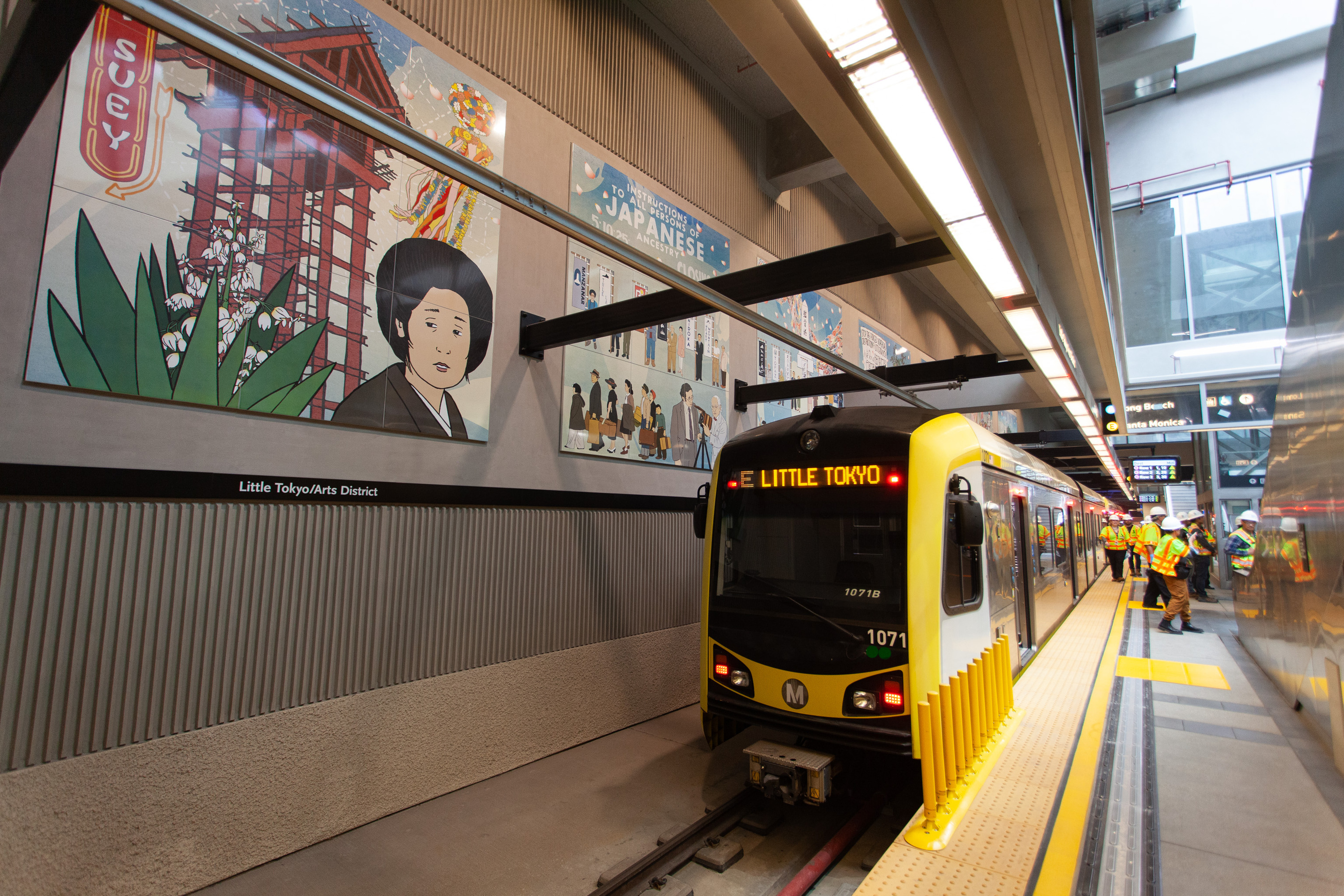
Navigating Los Angeles with Metro Rail
The Los Angeles Metro Rail system comprises several distinct lines, each identified by a color and serving different corridors of the county. While the term “subway” might evoke images of underground tunnels exclusively, the Metro Rail system is a hybrid, featuring underground, at-grade, and elevated sections. This multi-modal approach is necessary to navigate the diverse urban and suburban landscapes of Los Angeles.
The Red Line: Connecting Downtown to the San Fernando Valley
The most recognizable subway line in Los Angeles is arguably the Red Line. This line runs predominantly underground, true to the traditional definition of a subway, and serves as a vital artery connecting the bustling heart of Downtown Los Angeles with the northern reaches of the San Fernando Valley. Key stations along the Red Line include:
- Union Station: This historic transportation hub is a major gateway to Los Angeles, serving as a nexus for Amtrak trains, Metrolink commuter rail, and multiple Metro Rail lines. It’s a magnificent piece of architecture and a testament to the city’s transportation heritage.
- Civic Center/Grand Park: Located near City Hall and Grand Park, this station provides easy access to government buildings, the Music Center, and other cultural attractions in the downtown core.
- Pershing Square: Situated in the heart of Downtown Los Angeles, this station is surrounded by office buildings, shops, and hotels, making it a convenient stop for business travelers and shoppers.
- 7th Street/Metro Center: This is the central transfer point for many Metro lines, including the Red Line, the Purple Line, and the Blue Line (now part of the A and E Lines). It’s a busy hub that connects different parts of the city efficiently.
- Hollywood/Highland: A must-visit for any tourist, this station places you steps away from the iconic Hollywood Walk of Fame, the Dolby Theatre (home of the Academy Awards), and the TCL Chinese Theatre.
- Universal City/Studio City: Directly serving the world-famous Universal Studios Hollywood, this station is a convenient option for theme park enthusiasts.
- North Hollywood: This station marks the northern terminus of the Red Line and connects to the Orange Line, a bus rapid transit route that extends further into the San Fernando Valley.
The Red Line is particularly useful for tourists looking to explore key attractions without the hassle of navigating Los Angeles traffic. It offers a direct and often faster alternative to driving, especially during peak hours.
The Purple Line: An Underground Extension Towards the Westside
The Purple Line is Los Angeles’s other true subway line. Historically, it operated as an extension of the Red Line, sharing tracks for much of its original route. However, a significant expansion project is underway, extending the Purple Line further west into the affluent communities of the Westside. This ambitious expansion aims to connect Downtown Los Angeles with Wilshire Boulevard, Beverly Hills, and eventually Westwood.
The current stations along the Purple Line include:
- 7th Street/Metro Center: The shared starting point with the Red Line.
- Wilshire/Western: This station serves the vibrant Koreatown neighborhood.
- Wilshire/Normandie: Another station within Koreatown.
- Wilshire/La Brea: Located near the famous La Brea Tar Pits and the Petersen Automotive Museum.
- Wilshire/Fairfax: This station provides access to the Original Farmers Market and The Grove shopping center.
- Future Stations: As the expansion progresses, new stations are being added along Wilshire Boulevard, including stops in Miracle Mile, Beverly Hills, Century City, and Westwood. These new stations are set to transform westside mobility, offering a much-needed public transit alternative for a historically car-dependent area.
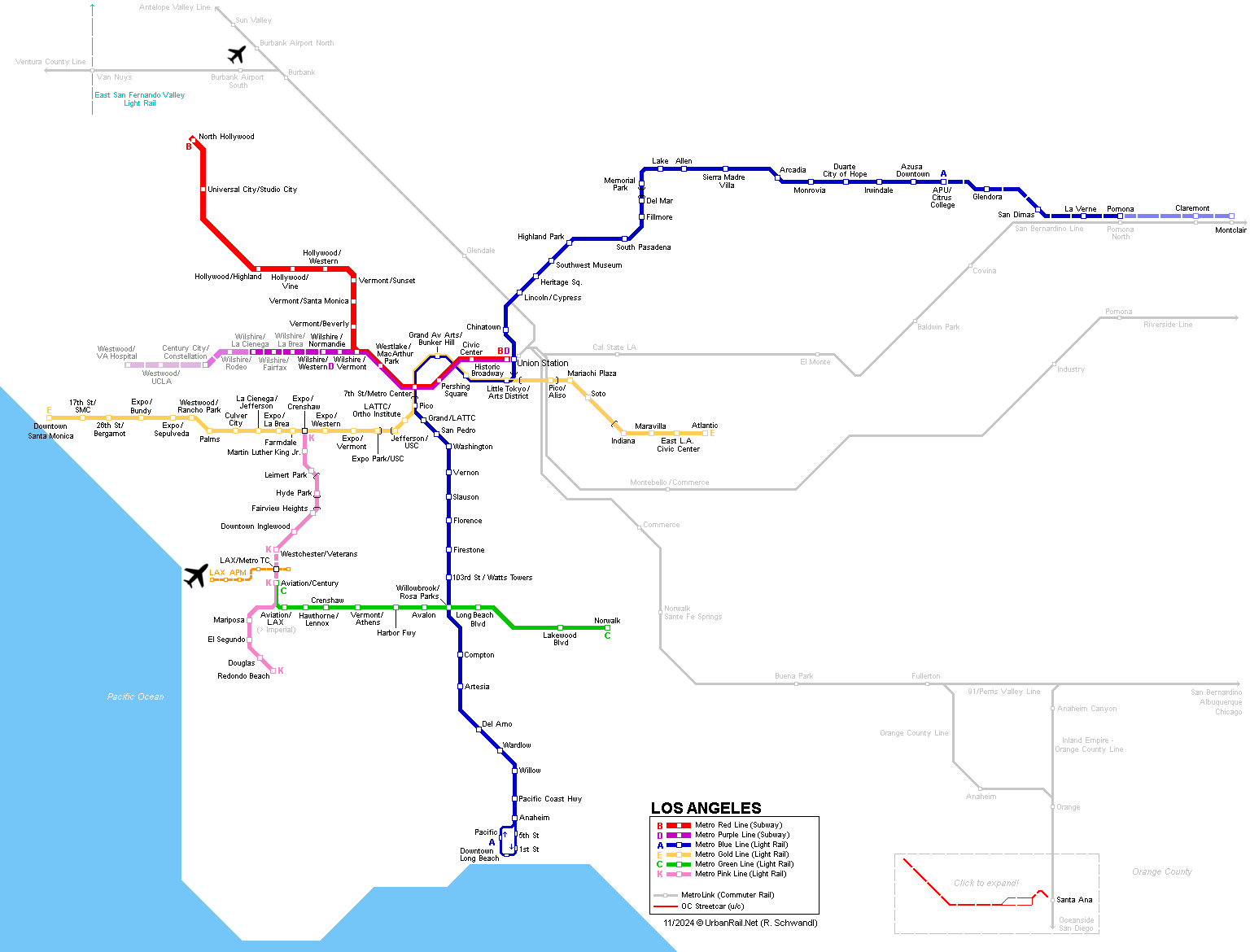
The expansion of the Purple Line is a testament to Los Angeles’s commitment to building out its rail infrastructure. Once completed, it will significantly improve connectivity and offer a sustainable way to access popular Westside destinations.
Other Metro Rail Lines: Connecting Beyond the Underground
While the Red Line and Purple Line are the most distinctly “subway-like,” the broader Metro Rail system includes other color-coded lines that are essential for traversing the vastness of Los Angeles. These lines often run above ground, on dedicated tracks, or in median strips, but they are seamlessly integrated into the Metro network.
- A Line (formerly Blue Line): This is the oldest light rail line in the county, connecting Downtown Los Angeles to Long Beach. It offers a route through diverse neighborhoods, including some of the city’s most historic areas.
- E Line (formerly Expo Line): This line provides a crucial link between Downtown Los Angeles and Santa Monica, making it a popular choice for beachgoers and those wanting to experience the coastal vibe. It passes by attractions like the California Science Center and the Natural History Museum of Los Angeles County.
- C Line (formerly Green Line): This line runs east-west through the South Bay area, connecting to Los Angeles International Airport (LAX) via a shuttle connection.
- K Line (formerly Crenshaw/LAX Line): This newer line connects the E Line in Exposition Park to the C Line in Hawthorne, offering improved transit access to areas like Crenshaw and Inglewood, and eventually connecting to LAX.
These light rail and commuter rail lines, in conjunction with the subway lines, form a comprehensive network that allows travelers to reach a wide array of destinations, from the beaches of Santa Monica to the entertainment hubs of Hollywood and the cultural heart of Downtown Los Angeles.
Beyond the Subway: Understanding Los Angeles Public Transit
While the Metro Rail system, including its subway components, is a significant part of public transit in Los Angeles, it’s important to view it within the broader context of the region’s transportation landscape.
The Role of Buses and Other Transit Modes
Los Angeles Metro also operates an extensive bus network, which complements the rail lines and reaches areas not served by rail. Buses are a crucial element for first-mile and last-mile connections and for providing service in communities where rail expansion might be more challenging. Metro buses cover vast distances, making them an indispensable part of the transit ecosystem.
Furthermore, Los Angeles has invested in Bus Rapid Transit (BRT) lines, such as the former Orange Line (now part of the G Line), which operate on dedicated busways and offer a faster, more train-like experience for bus riders.

Planning Your Los Angeles Trip with Public Transit
For travelers visiting Los Angeles, understanding how to use the Metro system can greatly enhance their experience. The Metro journey planner and mobile app are invaluable tools for navigating the network, checking schedules, and planning routes. Purchasing a TAP card (Transit Access Pass) is recommended for ease of payment, as it can be loaded with fare values or day passes and used across all Metro rail and bus lines.
While Los Angeles may still be synonymous with its freeways, its public transportation, particularly the expanding Metro Rail system, is increasingly a viable and attractive option for exploring the city. The subway lines, along with the light rail and bus networks, are continually evolving, aiming to provide more convenient, sustainable, and accessible travel for everyone, solidifying Los Angeles’s position as a city embracing diverse transit solutions. Whether you’re heading to a concert at the Walt Disney Concert Hall, exploring the Griffith Observatory, or simply trying to get around town, the Los Angeles subway and broader Metro system are ready to serve you.
LifeOutOfTheBox is a participant in the Amazon Services LLC Associates Program, an affiliate advertising program designed to provide a means for sites to earn advertising fees by advertising and linking to Amazon.com. Amazon, the Amazon logo, AmazonSupply, and the AmazonSupply logo are trademarks of Amazon.com, Inc. or its affiliates. As an Amazon Associate we earn affiliate commissions from qualifying purchases.