
Understanding New Hampshire’s growing zones is fundamental for anyone looking to cultivate a thriving garden, whether it’s a small herb patch on a balcony in Portsmouth or an expansive vegetable farm in the White Mountains. These zones, scientifically determined by the USDA, provide a crucial framework for selecting plants that will best withstand the local climate’s temperature extremes. For New Hampshire, this means a deep dive into its varied microclimates, influenced by its proximity to the coast, its inland topography, and its elevation. For travelers interested in the agricultural tapestry of the state, or for those seeking to engage with local food scenes and farm-to-table experiences, understanding these zones illuminates the seasonal bounty and the unique challenges and triumphs of growing produce in the Granite State.
Navigating New Hampshire’s USDA Hardiness Zones
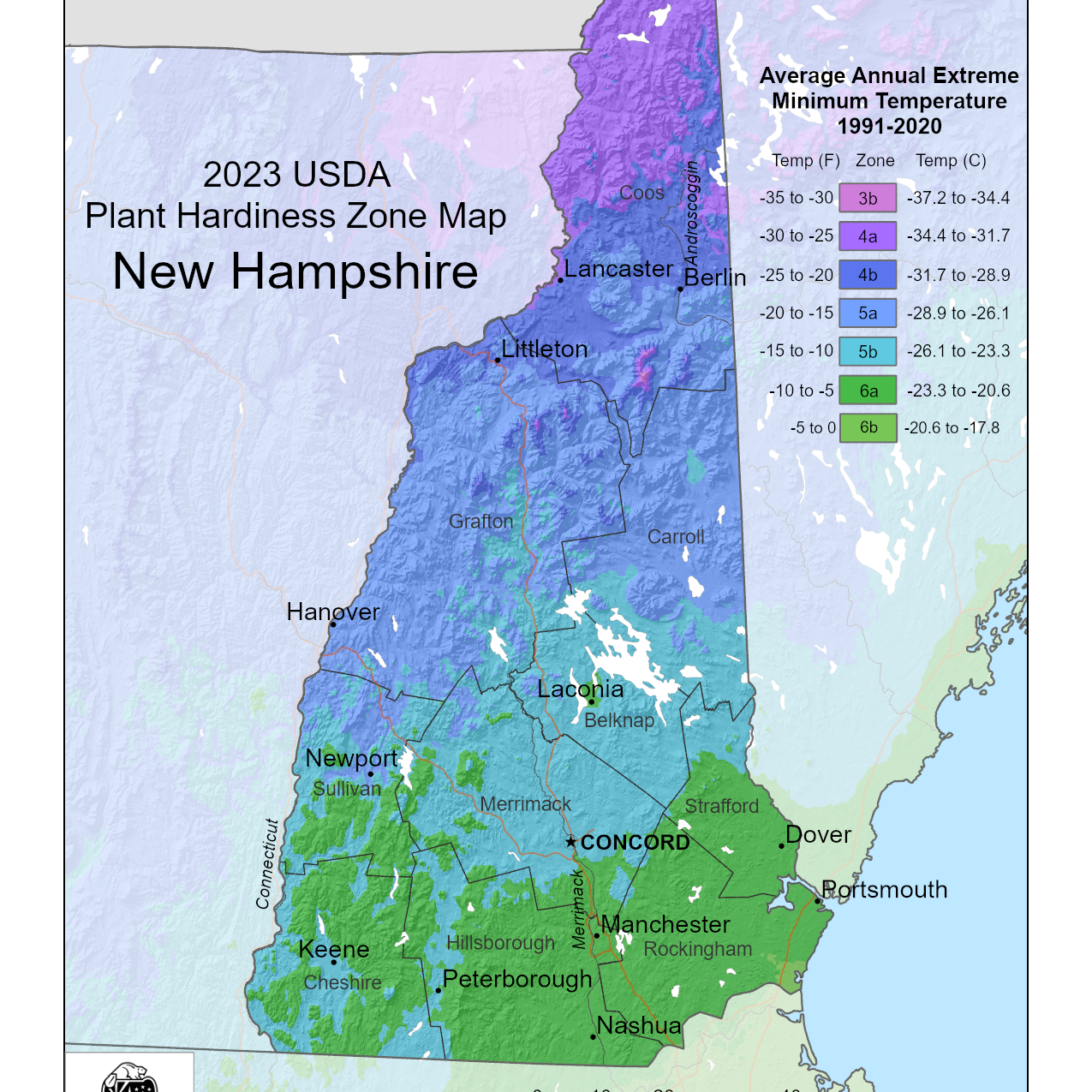
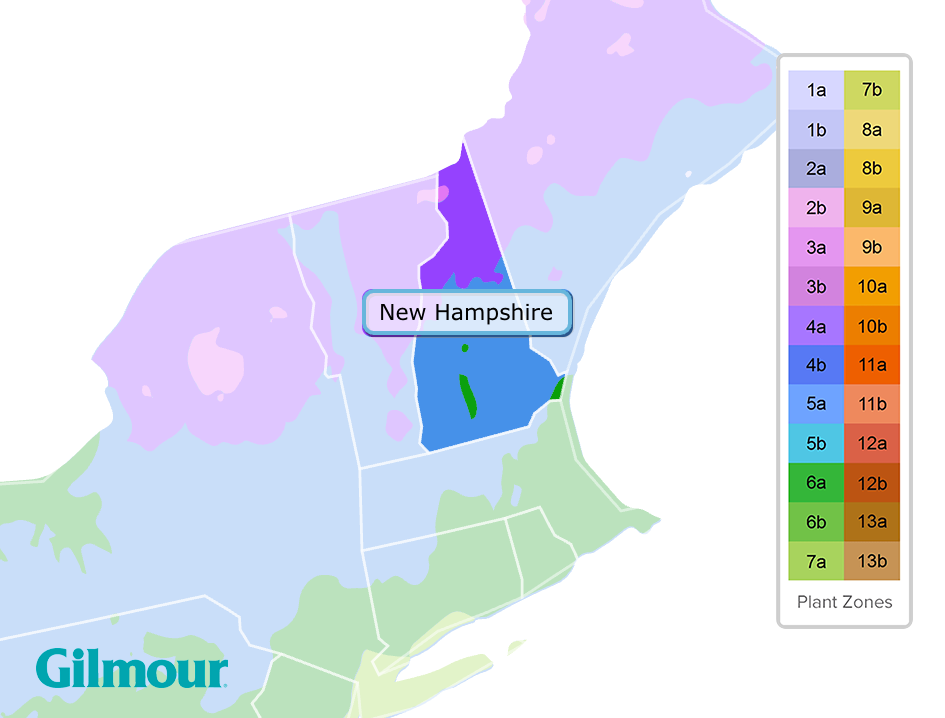
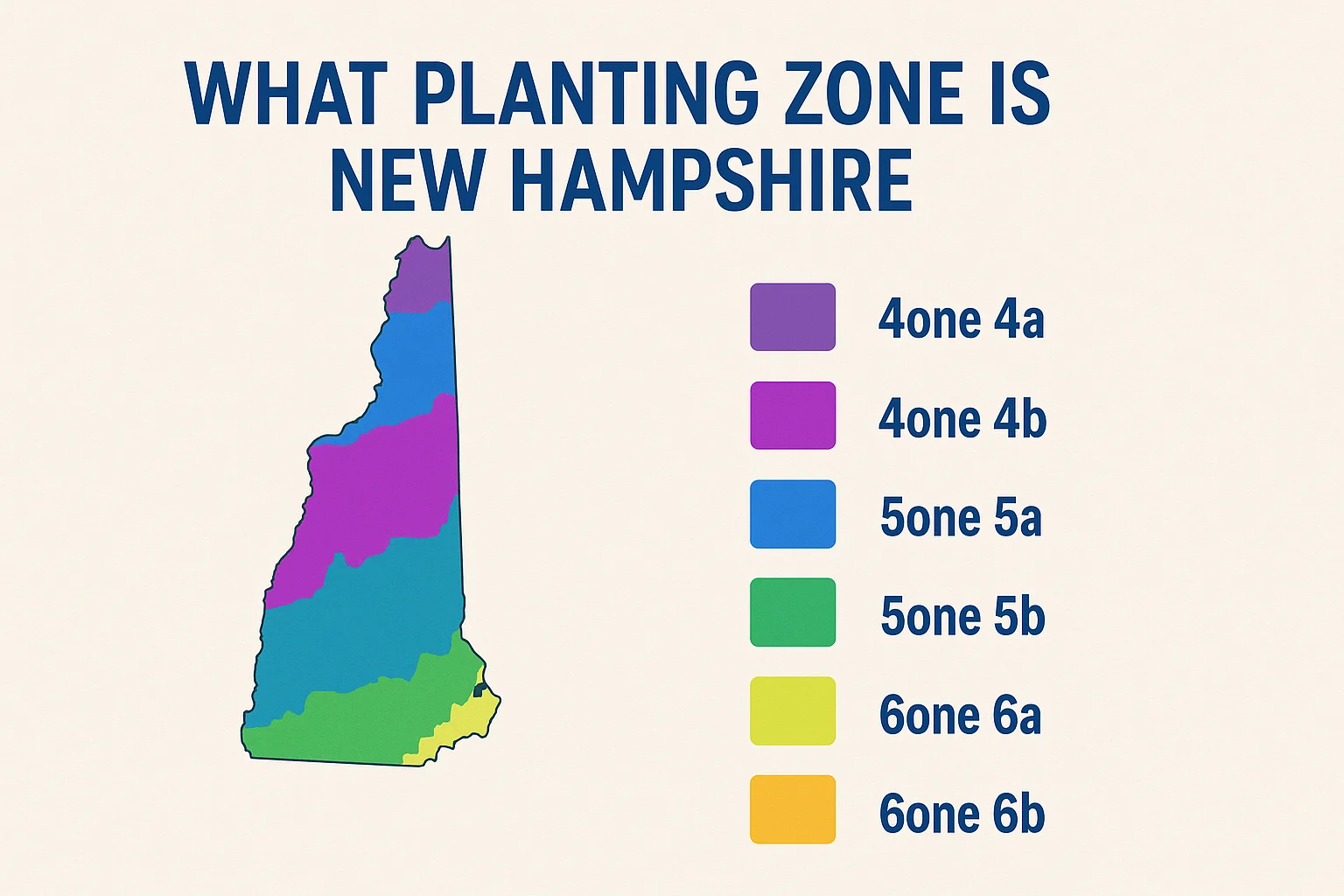
New Hampshire’s geographical diversity translates into distinct USDA Plant Hardiness Zones, which are essential for gardeners and horticulturalists to know. These zones are based on the average annual minimum winter temperature. For New Hampshire, the majority of the state falls into Zones 5b and 6a, with some coastal areas nudging into Zone 6b and the highest elevations of the White Mountains descending into Zone 4b. This range signifies a significant variation in winter cold, directly impacting which perennial plants can reliably survive the season and flourish year after year.
Zone 5b: The Inland Core
The vast interior of New Hampshire, encompassing many of its picturesque towns and rural landscapes, typically resides within Zone 5b. This zone experiences average annual minimum winter temperatures between -15°F and -10°F (-26.1°C to -23.3°C). This level of cold means that while many hardy plants thrive, those with less winter tolerance will struggle to survive. Gardeners in Zone 5b must be mindful of plant hardiness ratings when selecting perennials, trees, and shrubs. This is the zone where classic New England crops often find success, provided they are selected for their cold tolerance. The extended growing season, though shorter than in more southern climes, still allows for a robust summer of growth for a wide variety of vegetables and flowers. For travelers visiting during the summer and fall, this zone is where many of the state’s agricultural fairs and harvest festivals are celebrated, showcasing the fruits of these growing conditions.
Zone 6a and 6b: Coastal Influence and Southern Reaches
As one moves towards the southeastern portion of the state and along the coastline, New Hampshire enters Zone 6a and, in some very limited areas, Zone 6b. Zone 6a has average annual minimum winter temperatures ranging from -10°F to -5°F (-23.3°C to -20.6°C), while Zone 6b ranges from -5°F to 0°F (-20.6°C to -17.8°C). The moderating influence of the Atlantic Ocean creates slightly warmer winters in these regions, extending the potential for a wider array of plant species. This translates to a slightly longer growing season and the possibility of successfully cultivating plants that might not survive further inland. This is particularly relevant for those interested in vineyards or more tender ornamental plants. For those exploring the charming coastal towns like Rye or enjoying the beaches near Hampton Beach, the milder climate is noticeable in the local flora and the types of gardens that are commonly seen.
Zone 4b: The High Peaks of Winter
The highest elevations within the White Mountains National Forest, such as areas around Mount Washington, fall into Zone 4b. This zone is characterized by average annual minimum winter temperatures between -25°F and -20°F (-31.7°C to -28.9°C). These extreme cold conditions mean that only the hardiest of plants can survive. The growing season here is significantly shorter and more challenging. While agriculture is not a primary focus in these harsh alpine environments, understanding these zones is crucial for conservation efforts and for appreciating the resilience of the native plant life. For hikers and nature enthusiasts exploring these mountainous regions, the stark beauty is a testament to the power of nature in extreme climates.
Implications for Gardening and Agriculture in New Hampshire
The specific growing zones in New Hampshire have profound implications for horticultural practices, agricultural viability, and the types of flora that can be successfully cultivated. This knowledge empowers gardeners to make informed choices, leading to more successful and sustainable gardening endeavors. It also shapes the local agricultural landscape, influencing the types of crops that farmers choose to grow and the timing of their planting and harvesting cycles.
Selecting Hardy Plants: A Foundation for Success
For any gardener in New Hampshire, the first step towards success is understanding the plant hardiness zones. This information is readily available on plant tags and in seed catalogs. Choosing perennials, shrubs, and trees that are rated for the specific zone you are in (or a zone colder) significantly increases their chances of survival through the harsh New Hampshire winters. For instance, a plant that thrives in Zone 6b might struggle to survive the colder winters of Zone 5b. This careful selection process prevents disappointment and wasted resources. It also means focusing on native plants that are naturally adapted to the New Hampshire climate.
The Growing Season: Timing is Everything
New Hampshire’s growing season is dictated by its zones and the timing of the last spring frost and the first autumn frost. In Zone 5b, the growing season can be roughly from late May to early October. In Zone 6a and 6b, this season may extend slightly earlier in the spring and later into the fall. This temporal aspect is critical for planning the garden. Cool-season crops like lettuce, spinach, and peas can be planted in early spring and fall, while warm-season crops such as tomatoes, peppers, and corn require the full warmth of summer. Understanding the frost dates for your specific area within New Hampshire is paramount for successful planting and harvesting. Many communities and agricultural extensions offer local frost date information.
Agricultural Diversity and Local Produce
New Hampshire’s agricultural sector is diverse, ranging from dairy farms to apple orchards and small-scale vegetable farms. The growing zones play a direct role in this diversity. For example, the apple industry, a significant part of New Hampshire’s agricultural identity, thrives in the cooler climates of Zones 5b and 6a, where the trees benefit from distinct seasons. In the warmer coastal areas, there might be opportunities for crops that require a slightly longer, milder season. This localized knowledge of growing conditions is what allows farmers in places like Concord or the Merrimack Valley to produce a wide array of fresh, seasonal produce that is enjoyed throughout the state and supplied to local restaurants and markets.
Understanding Microclimates and Regional Variations
Beyond the broad USDA hardiness zones, New Hampshire presents a complex tapestry of microclimates. These smaller, localized variations in weather patterns can significantly influence growing conditions within a town or even a single property. Awareness of these nuances is vital for gardeners seeking to optimize their growing success and for travelers looking to understand the subtle differences in landscapes and agricultural practices across the state.
Elevation and Topography: The Mountain Effect
The most significant factor influencing New Hampshire’s microclimates is elevation and topography. As one ascends into the White Mountains, temperatures drop, and the growing season shortens dramatically. Higher elevations are also more exposed to wind and can experience more extreme winter conditions, pushing them into colder hardiness zones (like Zone 4b). Conversely, valleys and sheltered areas might be somewhat warmer and protected from harsh winds. This means that a garden in Laconia situated on a south-facing slope might experience slightly different conditions than one in a low-lying area just a few miles away.
Water Bodies and Coastal Breezes
Large bodies of water, such as Lake Winnipesaukee or the Atlantic Ocean, also exert a moderating influence. Coastal areas benefit from the ocean’s ability to retain heat, leading to milder winters and cooler summers compared to inland regions at similar latitudes. This is why Zone 6b is found along the coast. Similarly, areas surrounding large lakes can experience a slightly extended growing season due to the water’s heat retention. These water bodies can also influence humidity levels and the prevalence of fog, which can be beneficial for certain plants but also increase the risk of fungal diseases.
Urban Heat Islands and Shelter
Even within developed areas, microclimates exist. Urban centers like Manchester often experience an “urban heat island” effect, where concrete and asphalt absorb and radiate heat, making the city slightly warmer than surrounding rural areas. This can extend the growing season by a few days. Conversely, the presence of buildings, fences, and mature trees can create sheltered pockets in a garden, protecting more delicate plants from harsh winds or intense sun. Understanding these smaller-scale variations allows for more precise plant placement and care.
The Role of Growing Zones in Experiencing New Hampshire’s Natural Beauty and Bounty
For visitors and residents alike, understanding New Hampshire’s growing zones offers a deeper appreciation for the state’s natural beauty, its agricultural heritage, and the seasonal rhythms that define life in the Granite State. This knowledge enriches travel experiences, from exploring charming villages to savoring local flavors.
Seasonal Landscapes and Agricultural Tourism
The distinct growing zones contribute to the breathtaking seasonal landscapes of New Hampshire. In the spring, early-blooming plants and the first signs of agricultural activity emerge in the warmer zones. Summers are a vibrant display of green growth and the peak of agricultural production. Fall, however, is perhaps New Hampshire’s most iconic season, with foliage ablaze in brilliant colors – a spectacle made possible by the distinct temperature shifts and the types of trees that thrive in these zones. Agricultural tourism flourishes during this time, with apple picking in orchards near Nashua, pumpkin patches, and vibrant farmers’ markets showcasing the harvest. Knowing the growing zones helps to understand the timing and abundance of these seasonal attractions.
Culinary Delights and Farm-to-Table Experiences
New Hampshire’s culinary scene is deeply intertwined with its agricultural output. Farm-to-table restaurants and local eateries pride themselves on sourcing ingredients from nearby farms. The types of produce available throughout the year are a direct consequence of the state’s growing zones. From the sweet corn of summer to the hearty root vegetables and winter squash that sustain through the colder months, understanding the growing season in different zones allows for a greater appreciation of the local food movement. Visiting a farm stand in the Seacoast Region during peak season offers a direct connection to the land and the dedication required to cultivate food in New Hampshire’s climate.
Planning Your Garden or Outdoor Activities
Whether you are planning a garden, visiting a local farm, or simply enjoying the outdoors, an awareness of New Hampshire’s growing zones enhances the experience. For gardeners, it’s the key to horticultural success. For travelers, it provides context for the agricultural landscapes they encounter, the timing of local festivals, and the seasonal availability of fresh produce. From the hardy perennials that survive the intense winters in the north to the slightly more tender varieties that flourish near the coast, New Hampshire’s growing zones shape its identity, its economy, and the very rhythm of life in this beautiful New England state.
LifeOutOfTheBox is a participant in the Amazon Services LLC Associates Program, an affiliate advertising program designed to provide a means for sites to earn advertising fees by advertising and linking to Amazon.com. Amazon, the Amazon logo, AmazonSupply, and the AmazonSupply logo are trademarks of Amazon.com, Inc. or its affiliates. As an Amazon Associate we earn affiliate commissions from qualifying purchases.