
The question of “How Far From San Francisco To Los Angeles?” is a common one for travelers planning a trip along the iconic California coast. This journey, a quintessential American road trip, bridges two of the Golden State’s most vibrant and distinct cities. While the answer to the distance is straightforward, the experience of traversing it is rich with possibilities, catering to every type of traveler, from the luxury seeker to the budget-conscious adventurer. Understanding this distance is the first step in unlocking a world of attractions, accommodations, and cultural experiences.
The Direct Route: Distance and Driving Time
The most direct route between San Francisco and Los Angeles is predominantly via Interstate 5 (I-5). This highway is the workhorse of California’s north-south transportation, offering the fastest way to cover the approximately 380 miles (about 612 kilometers).
Driving Time Considerations
Under ideal conditions, with minimal traffic and without significant stops, the drive can be completed in around 5.5 to 6 hours. However, “ideal conditions” are a rare commodity in California. Traffic, especially around the major metropolitan areas of the San Francisco Bay Area and the Los Angeles basin, can dramatically extend this time. Rush hour can easily add an hour or more to your journey.
Factors that influence driving time include:
- Time of Day: Traveling during off-peak hours (mid-morning, mid-afternoon) is highly recommended.
- Day of the Week: Weekends, particularly Friday afternoons and Sunday evenings, often experience heavier traffic as people travel for leisure.
- Road Conditions: While I-5 is generally well-maintained, occasional construction or accidents can cause delays.
For a realistic estimate, factoring in at least 7 to 8 hours for the drive, especially if you plan any brief stops, is prudent. This allows for a more relaxed journey and the possibility of enjoying the scenery without feeling rushed.
Exploring the Scenic Alternatives: Beyond the Direct Route
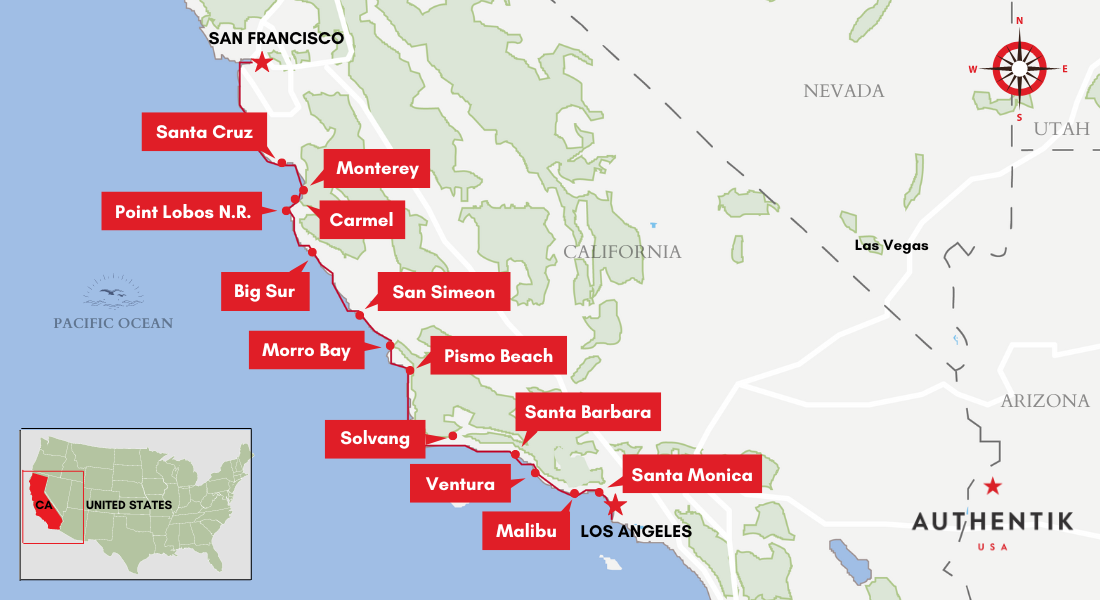
While I-5 offers speed, it’s not the most engaging route. For those who prioritize experiences and a deeper appreciation of California’s diverse landscapes, the coastal Highway 1, also known as the Pacific Coast Highway (PCH), presents a far more enchanting, albeit significantly longer, alternative.
The Enchanting Pacific Coast Highway (Highway 1)
The PCH is not a single highway but a collection of state routes that hug the coastline, offering breathtaking views of the Pacific Ocean, dramatic cliffs, and charming seaside towns. This route is the epitome of a scenic drive and is often considered one of the most beautiful road trips in the world.
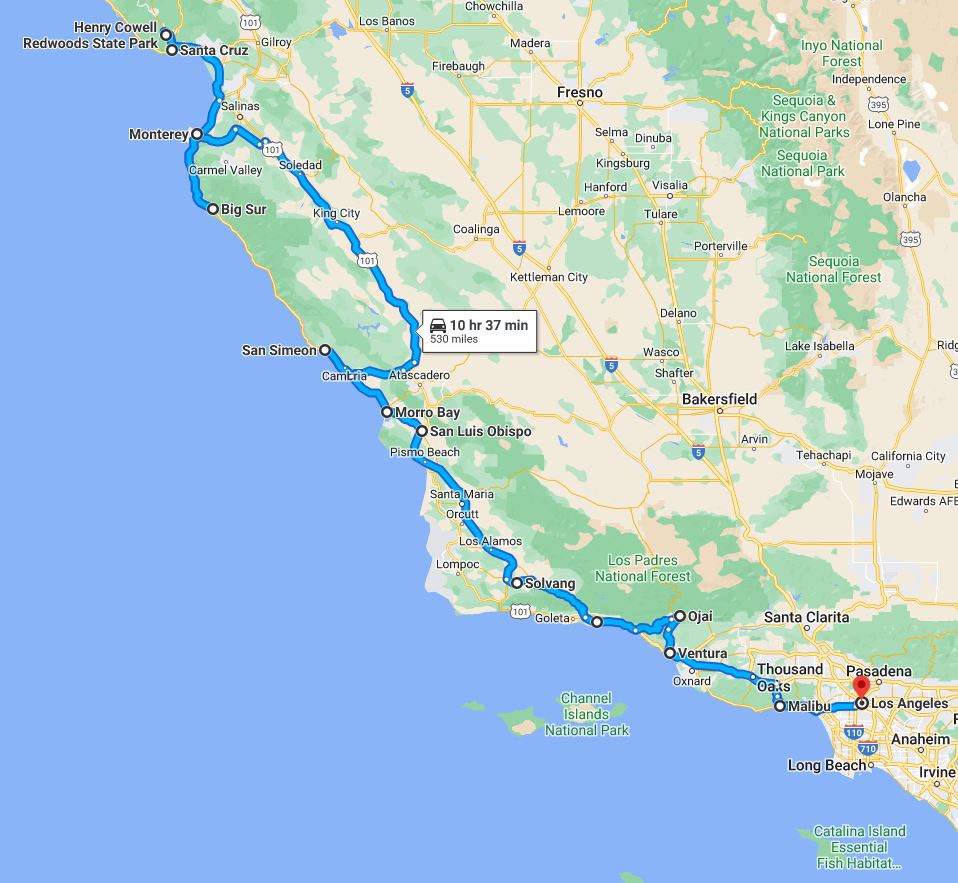
Distance and Time: The PCH route is considerably longer, extending the journey to over 500 miles (approximately 800 kilometers), and it is absolutely not a drive to be rushed. This is a multi-day adventure, with most travelers dedicating at least two to three days to fully appreciate its wonders.
Key Attractions and Experiences Along the PCH:
- Monterey Peninsula: Home to the world-renowned 17-Mile Drive, Monterey Bay Aquarium, and the charming town of Carmel-by-the-Sea.
- Big Sur: This iconic stretch of coastline is famous for its rugged beauty, redwood forests, and stunning viewpoints like Bixby Creek Bridge and McWay Falls. Several luxury resorts and boutique hotels are nestled within this breathtaking region, offering unparalleled stays.
- Hearst Castle: A magnificent historical landmark, this opulent estate offers a glimpse into the extravagant lifestyle of William Randolph Hearst.
- San Luis Obispo County: This region boasts wine country, historic missions, and the quirky town of Solvang, a Danish-inspired village.
- Santa Barbara: Often called the “American Riviera,” Santa Barbara offers beautiful beaches, Spanish colonial architecture, and a vibrant downtown area.
The PCH is ideal for those who seek a more immersive travel experience, blending a love for nature, history, and fine dining. Accommodation options along this route range from rustic beachfront cabins to luxurious resorts, ensuring that every traveler can find their perfect sanctuary.
Other Transportation Options: Flights, Trains, and Buses
While driving is a popular choice, other modes of transportation offer distinct advantages for traveling between San Francisco and Los Angeles.
Flying: The Fastest Option
For those prioritizing speed and efficiency, flying is the clear winner. Numerous airlines operate frequent flights between San Francisco International Airport (SFO) and Los Angeles International Airport (LAX), as well as other airports serving the Los Angeles metropolitan area, such as Hollywood Burbank Airport (BUR) and Long Beach Airport (LGB).
- Flight Time: The actual flight time is approximately 1 hour and 15 minutes.
- Total Travel Time: When factoring in travel to and from airports, security checks, and boarding, the total travel time can range from 4 to 6 hours.
- Cost: Flight prices vary significantly based on booking time, airline, and season, but can often be competitive with driving, especially when considering the cost of gas, potential overnight stays on a slower route, and wear and tear on a vehicle.
This option is ideal for business travelers or those with limited time who want to maximize their stay in either city. Many hotels near LAX and SFO offer convenient shuttle services for seamless transitions.
Train Travel: A Relaxed Journey
Amtrak offers a scenic train service connecting San Francisco to Los Angeles. The most popular route is the Coast Starlight, which offers a picturesque journey along the coast for a significant portion of its path, albeit with many stops.
- Travel Time: The train journey is considerably longer than driving directly, typically taking around 10 to 12 hours.
- Experience: This mode of transport is perfect for those who wish to relax, enjoy the passing scenery, and avoid the stress of driving. Train accommodations can range from comfortable coach seats to private roomettes and bedrooms, offering a comfortable overnight experience for longer routes. Dining cars and observation cars enhance the journey.
- Stations: Amtrak’s San Francisco station is the Emeryville Station, and the primary station in Los Angeles is Union Station.
While not the fastest, train travel provides a unique perspective on the California landscape and allows passengers to unwind and appreciate the journey itself.
Bus Services: Budget-Friendly Travel
Several bus companies, including Greyhound and FlixBus, operate routes between San Francisco and Los Angeles. This is often the most budget-friendly option.
- Travel Time: Bus journeys typically take between 7 to 9 hours, depending on the route and number of stops.
- Comfort: Modern buses often offer amenities like Wi-Fi, power outlets, and reclining seats, making the journey more comfortable.
- Convenience: Bus services offer multiple departures daily and convenient drop-off points within both cities.
This option is ideal for budget travelers, students, or anyone looking for an economical way to get from San Francisco to Los Angeles without the need to rent a car or deal with airport hassles.
Choosing Your Adventure: Tailoring the Journey to Your Travel Style
The “how far” question is intrinsically linked to the “how you want to get there.” Whether you’re seeking the thrill of a road trip, the convenience of a flight, or the relaxed pace of a train, the journey from San Francisco to Los Angeles can be customized to perfectly match your travel aspirations, budget, and available time.
Luxury Travel and Family Trips
For those seeking a luxury travel experience, the PCH route is unparalleled. Imagine staying in a secluded villa in Big Sur, enjoying Michelin-starred dining in Carmel, and driving a convertible along the coast. High-end resorts like the Post Ranch Inn offer exquisite amenities and breathtaking views. Alternatively, flying into Los Angeles and staying at a luxury hotel like the Beverly Wilshire, A Four Seasons Hotel provides access to world-class shopping and entertainment.
Family trips might benefit from the flexibility of driving, allowing for spontaneous stops at attractions like the Paso Robles wine region (with family-friendly wineries), or a visit to the Santa Cruz Beach Boardwalk. Driving I-5 can also be broken up with stops at unique roadside attractions or family-friendly hotels with pools. Flying is also a viable option for families, especially if time is of the essence, with many hotels in Los Angeles offering suites and amenities catering to younger travelers.
Budget Travel and Business Stays
For budget travel, the bus is an excellent choice, offering significant savings. Alternatively, driving I-5 directly and opting for budget-friendly motels or hotels along the way can also be economical. Packing your own snacks and meals can further reduce costs. Utilizing apps for finding cheap gas stations is also a smart strategy.
Business stays generally favor the speed of flying. Staying in hotels near LAX or SFO, or in business districts within Los Angeles like Downtown or Century City, provides convenient access to meetings and corporate centers. Hotels like the JW Marriott Los Angeles L.A. LIVE offer business amenities and are well-suited for corporate travelers.
Ultimately, the distance between San Francisco and Los Angeles is not just a number; it’s an invitation to explore, experience, and create lasting memories along one of the most iconic travel corridors in the United States. Whether you’re drawn to the vibrant culture of the cities, the serene beauty of the coastline, or the efficiency of modern travel, your journey awaits.
LifeOutOfTheBox is a participant in the Amazon Services LLC Associates Program, an affiliate advertising program designed to provide a means for sites to earn advertising fees by advertising and linking to Amazon.com. Amazon, the Amazon logo, AmazonSupply, and the AmazonSupply logo are trademarks of Amazon.com, Inc. or its affiliates. As an Amazon Associate we earn affiliate commissions from qualifying purchases.