
When planning a trip to the vibrant metropolis of Los Angeles, understanding the nuances of its financial landscape is as crucial as knowing where to find the best tacos or the most breathtaking sunset. Among the essential elements of any visitor’s budget is the sales tax. For tourists and even long-term residents, navigating the sales tax system in Los Angeles can sometimes feel like deciphering a complex maze. This article aims to demystify what sales tax is in Los Angeles, how it’s calculated, and what impact it has on your travel experiences, from booking your hotel to purchasing souvenirs.
The concept of sales tax is straightforward at its core: it’s a percentage levied by the government on the sale of goods and services. However, the specific rates and the items to which they apply can vary significantly, especially within a large and diverse region like Los Angeles County. This tax is a fundamental revenue stream for local and state governments, funding public services that contribute to the overall quality of life, from maintaining parks and roads to supporting schools and public safety. For travelers, understanding these costs upfront can help in creating a realistic budget, avoiding unexpected expenses, and making informed purchasing decisions.
Understanding the Sales Tax Structure in Los Angeles
The sales tax in Los Angeles is not a single, uniform rate. Instead, it’s a composite of state, county, and local district taxes. This multi-layered structure is common throughout California and means that the final sales tax rate can differ from one city to another, even within the same county. For visitors staying in the heart of Los Angeles, or venturing out to popular tourist hubs like Santa Monica or Hollywood, being aware of the prevailing rate is essential.
The Base Rate and Additional Levies
At the state level, California imposes a base sales tax rate. However, the majority of the sales tax collected in Los Angeles County comes from voter-approved district taxes, often referred to as “add-on” taxes. These funds are typically earmarked for specific local projects, such as transportation improvements, public safety initiatives, or cultural programs, directly benefiting the communities where they are collected.
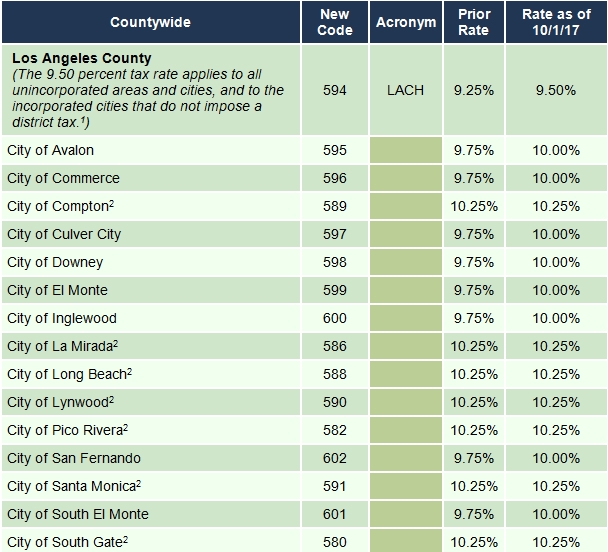
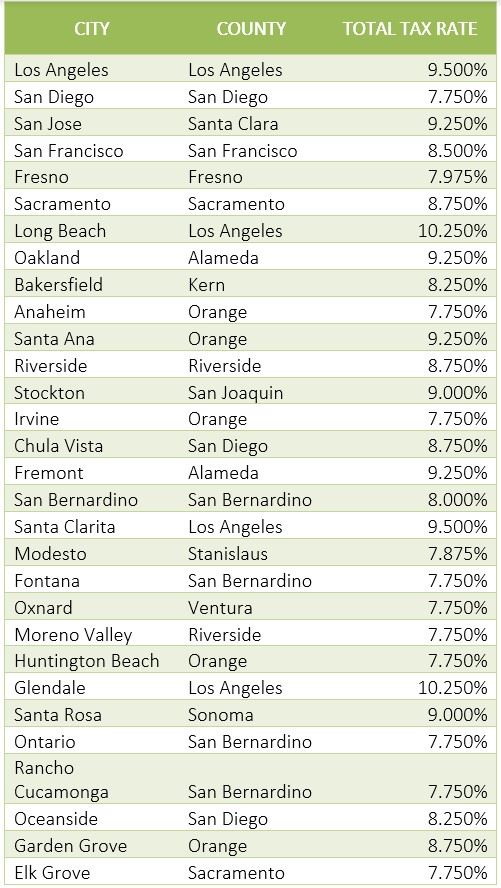
As of recent information, the combined sales tax rate in the city of Los Angeles and much of Los Angeles County hovers around 9.5%. This rate applies to the vast majority of tangible personal property sold within the jurisdiction. This includes everything from clothing and electronics to restaurant meals and hotel stays. It’s important to note that sales tax is generally calculated on the final sale price of an item after any discounts or coupons have been applied. Retailers are responsible for collecting this tax from consumers and remitting it to the California Department of Tax and Fee Administration (CDTFA).
How Sales Tax Affects Your Travel Expenses
The impact of sales tax on your Los Angeles itinerary can be felt across various aspects of your trip.
Dining and Entertainment
One of the most noticeable areas where sales tax applies is in dining. Whether you’re enjoying a fine dining experience at a renowned restaurant in Beverly Hills or grabbing a quick bite from a food truck near Griffith Observatory, the sales tax will be added to your bill. This also extends to entertainment tickets, whether it’s a show at the Hollywood Bowl or admission to a theme park like Universal Studios Hollywood. While the percentage might seem small per transaction, over the course of a vacation, these costs can accumulate.
Accommodation
When booking your stay, whether it’s a luxurious suite at the Beverly Wilshire, A Four Seasons Hotel or a charming apartment rental in Venice Beach, sales tax, often combined with a “transient occupancy tax” (TOT) or hotel tax, will be factored into your nightly rate. The TOT is essentially a form of lodging tax that applies to short-term stays, and it can significantly increase the total cost of your accommodation. Always review the final booking details to see how these taxes are itemized.
Shopping and Souvenirs
Los Angeles is a shopper’s paradise, from high-end boutiques on Rodeo Drive to unique finds in Melrose Avenue vintage shops. The 9.5% sales tax applies to most retail purchases. This means that that designer handbag or those unique souvenirs you’ve been eyeing will cost approximately 9.5% more than the displayed price. Budgeting for these purchases is crucial if you plan to indulge in some retail therapy.
Services and Digital Goods
While tangible goods are the primary focus of sales tax, California has expanded the scope of sales tax to include certain services and digital goods. For travelers, this might mean sales tax being applied to services like car rentals, professional services, or even certain digital downloads and subscriptions. However, services that are considered “personal services” (like haircuts or massages) are generally not subject to sales tax, though specific rules can apply.

Navigating Sales Tax: Tips for Travelers
Understanding the sales tax rate is one thing, but knowing how to manage it during your trip is another. Here are some practical tips to help you navigate sales tax in Los Angeles effectively.
Research and Budget Accordingly
Before your trip, take a few minutes to confirm the current sales tax rate for the specific areas you plan to visit within Los Angeles. While the 9.5% figure is a good general estimate for the city, slight variations can occur. Incorporate this into your overall travel budget. A simple mental calculation or using a sales tax calculator app can help you estimate costs more accurately for dining, shopping, and other expenditures. For instance, if you plan to spend $1,000 on shopping, add approximately $95 for sales tax.
Understand What is Taxable and What Isn’t
While most tangible items and services are taxable, there are exceptions. For instance, most groceries purchased at a supermarket are exempt from sales tax. However, prepared foods intended for immediate consumption, such as from a deli counter, are typically taxable. Similarly, admissions to certain cultural institutions or events might be tax-exempt if they are considered educational or charitable. Always check with the vendor or venue if you are unsure about the taxability of a purchase.
Keep an Eye on Your Receipts
When making purchases, especially in stores or restaurants, take a moment to review your receipt. This allows you to verify that the sales tax has been calculated correctly. While errors are uncommon, they can happen. If you notice a discrepancy, don’t hesitate to politely ask the cashier or server for clarification. Understanding the itemized breakdown on your receipt, including the sales tax, can also help you stay on track with your budget.
Consider Membership Programs and Tax-Exempt Status
For certain types of travel, such as extended business stays or if you qualify for specific exemptions, there might be ways to mitigate sales tax. For example, some long-term accommodation providers might offer different tax structures for stays exceeding a certain number of days. If you are traveling for business, inquire with your company about potential tax-exempt purchasing programs or reimbursement policies. However, for typical tourist stays, these exemptions are rare.
The Broader Economic Impact of Sales Tax
Sales tax is more than just a line item on a consumer’s receipt; it’s a significant engine for funding public services and infrastructure in Los Angeles and across California. The revenue generated from sales tax plays a vital role in maintaining the quality of life that attracts millions of tourists and residents alike to this dynamic region.
Funding Local Services and Infrastructure
The district taxes that make up a significant portion of the sales tax in Los Angeles are often directly tied to specific improvements and services. For example, voter-approved measures have funded the expansion of the Los Angeles County Metropolitan Transportation Authority (Metro) system, improving public transportation for residents and visitors. Funds also contribute to maintaining iconic landmarks like The Getty Center and supporting local police and fire departments. Without this revenue, many of the amenities and services that enhance the visitor experience would be less robust or potentially unavailable.
Impact on Businesses
While consumers bear the direct cost of sales tax, businesses are responsible for its collection and remittance. This administrative burden, coupled with the potential impact on consumer purchasing behavior, is an important consideration for businesses operating in Los Angeles. For some businesses, particularly those selling low-margin goods or operating in highly competitive markets, sales tax can be a factor in their pricing strategies. However, the general understanding is that sales tax is a necessary component of doing business in a region that provides significant economic opportunities and public benefits.
Consumer Behavior and Economic Trends
The rate of sales tax can, to some extent, influence consumer spending patterns. In areas with higher sales tax rates, consumers might be more inclined to seek out discounts or shop online from retailers in jurisdictions with lower rates, although California has specific rules regarding online sales tax. For tourists, the added cost of sales tax is generally factored into their overall vacation budget, but it can influence impulse purchases or the decision to buy larger, more expensive items. Economic analysts often consider sales tax revenue as an indicator of consumer confidence and overall economic activity.
In conclusion, understanding sales tax in Los Angeles is an integral part of planning a successful and enjoyable trip. While the rate might seem like an additional cost, it’s a contribution to the vibrant infrastructure, cultural richness, and public services that make Los Angeles such an iconic destination. By being informed and budgeting accordingly, travelers can navigate these costs with ease and focus on experiencing all that this incredible city has to offer, from its world-renowned attractions to its diverse culinary scene.
LifeOutOfTheBox is a participant in the Amazon Services LLC Associates Program, an affiliate advertising program designed to provide a means for sites to earn advertising fees by advertising and linking to Amazon.com. Amazon, the Amazon logo, AmazonSupply, and the AmazonSupply logo are trademarks of Amazon.com, Inc. or its affiliates. As an Amazon Associate we earn affiliate commissions from qualifying purchases.