
Alaska, often referred to as “The Last Frontier,” is a land of unparalleled natural beauty, rugged wilderness, and vast, untamed landscapes. For many, it represents the epitome of adventure and a remote escape from the everyday. The question “How far is Alaska from me?” is more than just a query about geographical distance; it’s the first step in planning an epic journey, a consideration of logistics, time, and the very nature of exploration. Understanding the answer involves not only calculating miles but also appreciating the unique challenges and rewards of traveling to such a magnificent and distant destination. This article serves as a comprehensive guide for aspiring Alaskan travelers, breaking down the intricacies of distance, travel methods, and essential planning insights to transform that initial question into a concrete travel plan.

Understanding the Geographic Landscape of Alaska
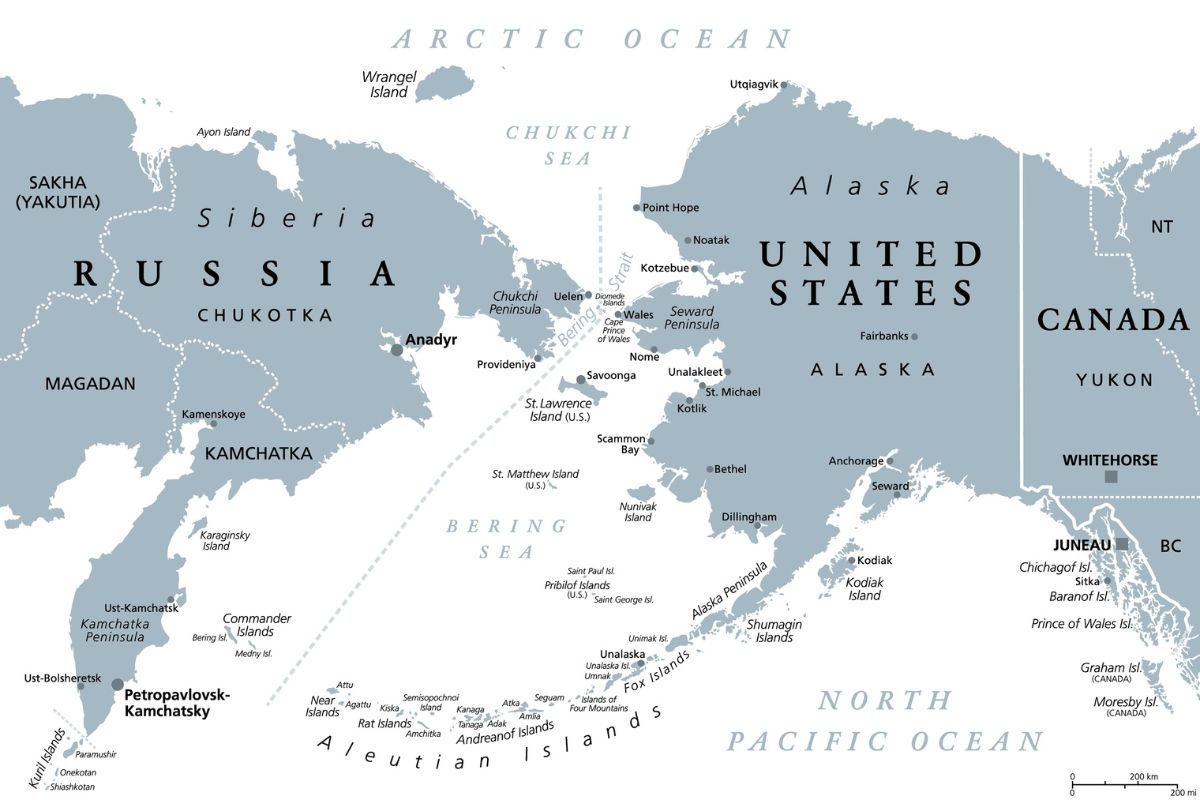
Alaska’s sheer scale and unique geographical position are fundamental to grasping the concept of its distance from any given starting point. As the largest state in the United States by area, it occupies a substantial portion of the North American continent, jutting out into the Bering Sea and bordering the Arctic Ocean.
Alaska’s Vastness and Position
Alaska’s enormous size means that “Alaska” itself is a broad destination. The distance to Anchorage, the state’s largest city and primary entry point, will differ significantly from the distance to Juneau, the capital nestled in the southeast panhandle, or Fairbanks in the interior. The state spans over 570,000 square miles, encompassing diverse climates and topographies, from temperate rainforests to frozen tundra and towering mountain ranges like the Alaska Range. Its unique position, sharing a maritime border with Russia and land borders with Canada’s Yukon Territory and British Columbia, influences all travel routes. This expansive geography means that the journey within Alaska can be as significant as the journey to Alaska.
The Concept of “Me” and Starting Points
The “me” in “How far is Alaska from me?” is the crucial variable. Your starting location profoundly impacts the distance, travel time, and available transportation options. For someone on the West Coast of the United States, like Seattle, the journey will be considerably shorter and often more direct than for someone departing from New York City or Miami. Similarly, international travelers from Europe or Asia will face different sets of connections and extended travel times. Pinpointing your exact departure city is the very first step in calculating your unique Alaskan journey. This personalization is key, as Alaska is not a one-size-fits-all destination; the approach depends entirely on your origin.
Calculating the Distance: Factors and Methods
Determining the precise distance to Alaska involves more than just pulling up a map. It requires considering the mode of transport, the specific Alaskan destination, and the geographical challenges posed by its rugged terrain and northern latitude.
Air Distance vs. Driving Distance
The primary distinction in distance calculation lies between air travel and overland travel.
- Air Distance: This is the most direct and generally the shortest measure of distance, often referred to as “as the crow flies.” Commercial flights to Alaska typically land at Ted Stevens Anchorage International Airport (ANC), Fairbanks International Airport (FAI), or Juneau International Airport (JNU). From major West Coast cities like Seattle, flights to Anchorage can be as short as 3-4 hours, covering approximately 1,400-1,500 miles (2,250-2,400 km). From the Midwest (e.g., Chicago), the flight time increases to 6-7 hours, spanning roughly 2,500 miles (4,000 km). East Coast cities might entail 8-10 hours of flying, often with a layover, covering distances upwards of 3,500 miles (5,600 km).
- Driving Distance: For those seeking an epic road trip, driving to Alaska is a classic adventure. However, it significantly increases the total distance and time due to the need to traverse through Canada. The primary route is the famous Alaska Highway (also known as the Alcan Highway). Starting from a common gateway like Dawson Creek, British Columbia, the Alaska Highway itself is about 1,387 miles (2,232 km) to Delta Junction, Alaska, and then a short drive to Fairbanks or Anchorage. From a starting point like Seattle, the drive to Anchorage would be approximately 2,200-2,500 miles (3,500-4,000 km), taking a minimum of 4-6 days of concentrated driving, not accounting for stops and sightseeing. From further east, like Minneapolis or Denver, the total driving distance could easily exceed 4,000 miles (6,400 km) and take well over a week.
Major Entry Points to Alaska
Alaska has several key entry points, each serving different types of travelers and regions within the state:
- Anchorage (ANC): The most common hub for air travel, providing access to Southcentral Alaska, Denali, and the Kenai Peninsula.
- Fairbanks (FAI): A major gateway to Interior and Arctic Alaska, popular for aurora viewing and access to the far north.
- Juneau (JNU): Primarily accessed by air or ferry, it’s the capital and a key point for exploring the Southeast Alaska panhandle.
- Ketchikan, Sitka, Skagway, Seward, Whittier: These coastal towns are popular cruise ship ports and ferry terminals, offering access to the Inside Passage and Southcentral coast.
Choosing your destination within Alaska heavily influences the total travel distance and logistical planning.
Tools and Resources for Distance Calculation
Reliable tools are indispensable for planning your trip:
- Online Mapping Services: Google Maps, Apple Maps, and similar platforms provide excellent route planning for driving, including estimated times and distances. They can also estimate flight distances.
- Flight Search Engines: Websites like Google Flights, Kayak, Skyscanner, and Expedia allow you to compare flight times, layovers, and direct distances between airports.
- Milepost Guide: For road trippers, The Milepost is an invaluable annual guide specifically for the Alaska Highway and other routes in Alaska and Western Canada, offering detailed mile-by-mile descriptions, services, and attractions.
Utilizing these resources will give you a clear, personalized answer to “How far is Alaska from me?” based on your specific travel preferences and starting point.
Embarking on the Journey: Travel Modes to Alaska
Traveling to Alaska is an adventure in itself, with several distinct modes of transport offering unique experiences and perspectives on the vast northern landscapes.
Flying to the Last Frontier
For most travelers, flying is the quickest and most practical way to reach Alaska. Major airlines offer direct and connecting flights from various cities across the United States and Canada.
- Major Airports: As mentioned, Anchorage (ANC), Fairbanks (FAI), and Juneau (JNU) are the primary air hubs. From cities like Seattle, Portland, Los Angeles, Denver, Chicago, and even Minneapolis, direct flights are common during peak season.
- Airlines: Major carriers such as Alaska Airlines, Delta, United, American, and Sun Country operate routes to Alaska.
- Advantages: Speed, efficiency, and the ability to reach even remote parts of the state via regional air services once you’ve arrived at a major hub.
- Considerations: While fast, flying bypasses the overland scenery and can be expensive, especially for last-minute bookings during the summer high season.
The Iconic Alaska Highway Drive
The ultimate road trip to Alaska involves driving through the stunning wilderness of Canada. The Alaska Highway is more than just a road; it’s a historical route built during World War II, offering unparalleled opportunities for wildlife viewing, scenic stops, and a true sense of adventure.
- Route: The highway officially begins in Dawson Creek, British Columbia, and extends to Delta Junction, Alaska, linking major cities in British Columbia and the Yukon Territory (like Whitehorse) to the Alaskan interior.
- Starting Points: Travelers from the lower 48 typically drive north through British Columbia or Alberta. Common feeder routes originate from Vancouver, Calgary, or Edmonton.
- Time Commitment: Allow at least 5-7 days of driving from the Canadian border to Anchorage/Fairbanks, and a week or more from the lower 48, depending on your pace and the number of stops.
- Preparation: This journey requires careful planning regarding vehicle maintenance, spare parts, accommodations along the route, and border crossing requirements.
Cruising to Alaska’s Shores
For those who prefer a more relaxed journey and want to experience Alaska’s stunning coastline, a cruise is an excellent option.
- Routes: The most popular cruise route is through the Inside Passage, a sheltered network of waterways stretching from Seattle or Vancouver up to Southeast Alaska. Longer cruises might extend to Southcentral Alaska, reaching ports like Seward or Whittier.
- Ports of Call: Cruises typically stop at iconic Alaskan towns such as Ketchikan, Juneau, Skagway, and Sitka, often including scenic cruising past glaciers in Glacier Bay National Park or Tracy Arm Fjord.
- Duration: Most cruises range from 7 to 14 days.
- Advantages: Unpack once, enjoy all-inclusive amenities, and witness breathtaking coastal scenery, wildlife (whales, eagles, bears), and glaciers from the comfort of a ship.
- Considerations: Cruising focuses on coastal areas; inland attractions like Denali National Park require separate land excursions.
Beyond these primary methods, the Alaska Marine Highway System (ferry) offers another unique way to travel, particularly through the Inside Passage, allowing passengers to bring vehicles and experience coastal communities.
Planning Your Alaskan Adventure: Key Considerations
Once you’ve decided on your mode of transport, the next phase involves meticulous planning to ensure a memorable and comfortable Alaskan journey. The vastness and unique climate of Alaska demand thoughtful preparation.
Best Time to Visit
The timing of your trip profoundly impacts your experience:
- Summer (Mid-June to Mid-September): This is peak tourist season, offering long daylight hours (up to 20 hours in some areas), warmest temperatures, and full accessibility to attractions, tours, and national parks like Denali and Kenai Fjords National Park. Ideal for hiking, fishing, wildlife viewing, and cruises. However, it’s also the busiest and most expensive time.
- Shoulder Seasons (May-Early June, Late September): Less crowded and often more affordable. May sees thawing landscapes and active wildlife, while late September offers stunning fall foliage and the first glimpses of the aurora borealis. Some services may operate on a limited schedule.
- Winter (October to April): A magical time for viewing the Northern Lights, dog sledding, skiing, and experiencing true Alaskan solitude. Temperatures are much colder, and many tourist services are closed. This season is best for specialized winter activities and aurora chasers.
Essential Packing for Diverse Climates
Alaska’s weather can be unpredictable, even in summer, ranging from sunny to rainy and cool within a single day. Layering is crucial.
- Clothing: Pack waterproof and windproof outerwear (jacket and pants), warm insulating layers (fleece, wool), quick-drying base layers, sturdy waterproof hiking boots, warm socks, a hat, and gloves. Even in summer, evenings can be chilly.
- Gear: Binoculars for wildlife viewing, insect repellent (especially for mosquitoes in summer), sunscreen, sunglasses, a reusable water bottle, a good camera, and a daypack for excursions.
- Safety: Bear spray (know how to use it safely and legally), a first-aid kit, and communication devices are recommended, particularly for remote backcountry travel.
Navigating Within Alaska
Getting around once you’ve arrived depends on your chosen activities and destinations.
- Rental Cars: Essential for independent exploration of the road system, particularly around Anchorage, the Kenai Peninsula, and Fairbanks. Book well in advance, especially for summer.
- Alaska Railroad: A scenic way to travel between Anchorage, Talkeetna, Denali National Park, and Fairbanks, offering dome cars for panoramic views.
- Bush Planes/Air Taxis: The lifeline for accessing remote lodges, national parks, and communities off the road system. An iconic Alaskan experience.
- Ferries (Alaska Marine Highway System): Connects coastal communities in Southeast and Southcentral Alaska, offering both passenger and vehicle transport.
Consider combining different modes of transport to maximize your experience, perhaps flying into Anchorage, taking the train to Denali, and then flying out of Fairbanks.
Why Alaska Beckons: Unforgettable Experiences Await
Beyond the practicalities of distance and travel, Alaska holds an irresistible allure, promising experiences that are truly unique and deeply impactful. The journey “how far” fades into insignificance once you immerse yourself in the wonders of “what” awaits.
Natural Wonders and Wildlife
Alaska is a sanctuary of raw, untamed nature.
- National Parks: From the towering peak of Denali in Denali National Park to the tidewater glaciers of Glacier Bay National Park and the marine wildlife of Kenai Fjords National Park, the state boasts eight national parks and numerous national preserves and refuges, each offering distinct ecosystems and adventures.
- Glaciers: Witnessing active glaciers calving into the sea is a breathtaking spectacle, easily accessible by cruise or boat tours from places like Seward and Whittier in the Chugach Mountains region.
- Wildlife: Alaska is a prime destination for wildlife viewing. Spot grizzly and black bears, moose, caribou, Dall sheep, bald eagles, and marine mammals like whales (humpback, orca), sea lions, and otters. Bear viewing tours, particularly to destinations like Brooks Falls in Katmai National Park, offer unparalleled encounters.
Unique Cultural Encounters
Alaska’s human history is as rich and diverse as its natural landscape.
- Indigenous Cultures: The state is home to numerous Indigenous peoples, including Iñupiat, Yup’ik, Athabascan, Tlingit, Haida, and Tsimshian. Visitors can learn about their rich traditions, art, and way of life at cultural centers, museums, and village tours, particularly in cities like Anchorage and Juneau, and smaller communities in Southeast Alaska.
- Gold Rush History: Explore the remnants of the Klondike Gold Rush era in towns like Skagway and Fairbanks, reliving the tales of prospectors and pioneers.
- Alaskan Spirit: Experience the unique resilience and community spirit forged by living in such a demanding yet rewarding environment.

Adventure and Exploration
For the active traveler, Alaska is an enormous playground.
- Hiking: Trails range from easy walks to challenging multi-day treks through some of the world’s most pristine wilderness.
- Fishing: Alaska is a world-renowned destination for salmon and halibut fishing.
- Kayaking and Rafting: Explore fjords, rivers, and lakes up close.
- Dog Sledding: Experience the state sport, whether on a summer glacier tour or a winter trail.
- Aurora Borealis: From late August to April, particularly in the interior around Fairbanks, the Northern Lights offer a celestial spectacle that leaves an indelible mark.
The initial question, “How far is Alaska from me?”, is merely the gateway to a world of profound natural beauty, cultural depth, and boundless adventure. Whether by air, road, or sea, the journey to Alaska is a pilgrimage to one of the planet’s last truly wild places, promising memories that will last a lifetime.
LifeOutOfTheBox is a participant in the Amazon Services LLC Associates Program, an affiliate advertising program designed to provide a means for sites to earn advertising fees by advertising and linking to Amazon.com. Amazon, the Amazon logo, AmazonSupply, and the AmazonSupply logo are trademarks of Amazon.com, Inc. or its affiliates. As an Amazon Associate we earn affiliate commissions from qualifying purchases.