
Los Angeles, the City of Angels, conjures images of endless sunshine, palm trees, and perpetually pleasant weather. While this reputation is largely deserved, understanding the true nuances of its climate is crucial for any visitor planning a trip. Far from a monolithic weather pattern, Los Angeles is a tapestry of microclimates, each offering distinct temperature experiences throughout the day and across its vast expanse. From the cool, misty mornings along the Pacific coast to the scorching summer afternoons in the inland valleys, knowing what to expect from the thermometer can significantly enhance your travel planning, packing, and activity choices.
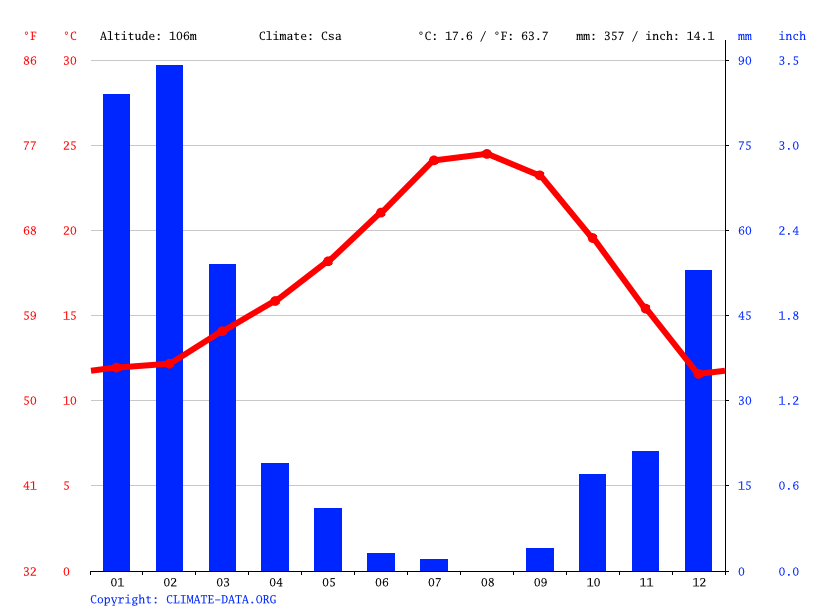
This guide delves into the specifics of Los Angeles’s temperatures, dissecting its seasonal variations, regional differences, and the often-overlooked factors that influence how the weather truly feels. Whether you’re chasing the perfect beach day, exploring urban landscapes, or embarking on a hiking adventure, a firm grasp of LA’s diverse climate will ensure your visit is comfortable, enjoyable, and perfectly tailored to your expectations. Prepare to unpack the real story behind Los Angeles’s famed weather, moving beyond the stereotypes to embrace its delightful complexities.
Understanding Los Angeles’s Unique Microclimates
The sprawling metropolis of Los Angeles is not just one city but a collection of distinct geographic regions, each blessed with its own subtle, yet significant, climatic variations. These “microclimates” are primarily influenced by proximity to the Pacific Ocean and the region’s diverse topography, which includes coastal plains, valleys, and mountain ranges. Ignoring these differences can lead to unexpected surprises, such as finding yourself shivering on a supposedly “sunny” beach or sweltering in an inland area you thought would be mild. Understanding these distinctions is the first step to truly mastering Los Angeles’s weather patterns.
Coastal Influences: The Pacific Breeze
The areas directly bordering the Pacific Ocean enjoy the most temperate and stable climate within Los Angeles. Cities like Santa Monica, Malibu, Venice Beach, and Palos Verdes are characterized by cooler summers and warmer winters compared to their inland counterparts. This moderated climate is largely due to the marine layer—a cool, moist air mass that often forms over the ocean and drifts inland, particularly in the mornings. This phenomenon can result in what locals affectionately call “May Gray” and “June Gloom,” where the mornings are overcast and cool, only to burn off later in the day, revealing glorious sunshine.
Average summer high temperatures along the coast hover in the pleasant mid-70s Fahrenheit (23-25°C), while winter highs typically remain in the mid-60s Fahrenheit (18-20°C). Nights are consistently cooler, often dropping into the 50s Fahrenheit (10-15°C) even in summer. The constant ocean breeze, while refreshing, can also make temperatures feel cooler than the thermometer suggests, especially after sunset. For visitors, this means packing layers is paramount, even for a summer beach trip. The crisp mornings give way to warm afternoons, followed by cool evenings perfect for a light jacket.
Inland Valleys: The Heat Sink Effect
Moving away from the coast, just a few miles inland, the temperature profile shifts dramatically. Areas such as the San Fernando Valley (including neighborhoods like Encino, Sherman Oaks, and Woodland Hills) and the San Gabriel Valley (e.g., Pasadena, Glendale) experience much more extreme temperatures. The mountains surrounding these valleys act as barriers, blocking the cooling ocean breezes and trapping heat, especially during the summer months. This creates a “heat sink” effect, where temperatures can easily soar into the 90s Fahrenheit (32-37°C) and even exceed 100°F (38°C) on the hottest days.
Winter in the inland valleys, while still mild by national standards, sees cooler mornings and a greater chance of frost compared to the coast. Daytime highs are typically in the mid-60s Fahrenheit (18-20°C), but nights can dip into the 40s Fahrenheit (4-9°C). The air tends to be drier here, which can make extreme temperatures feel different—a dry 95°F often feels less oppressive than a humid 95°F, but the sun’s intensity is still formidable. For travelers venturing into these areas, particularly during summer, hydration, sun protection, and planning activities during the cooler parts of the day are essential.
Downtown and Urban Core: The Urban Heat Island
Downtown Los Angeles and other densely built urban areas exhibit their own microclimate phenomenon known as the “urban heat island effect.” The vast expanses of concrete, asphalt, and buildings absorb and retain solar radiation more effectively than natural landscapes. This results in these areas being noticeably warmer, especially after sunset. While daytime temperatures might be comparable to adjacent inland areas, the urban core often experiences higher nighttime temperatures, as the absorbed heat radiates back into the atmosphere.
During summer, Downtown Los Angeles can be quite warm, with highs often in the 80s Fahrenheit (27-31°C), occasionally pushing into the 90s Fahrenheit. The lack of extensive green spaces further contributes to this warmth. Winters are generally mild, with daytime highs in the mid-60s Fahrenheit (18-20°C) and nighttime lows typically staying above freezing. The urban environment, with its towering buildings, can also create localized wind tunnels or block breezes, further influencing how the temperature feels. When exploring the vibrant streets of Downtown Los Angeles, consider the additional warmth from the cityscape, especially if you plan evening activities.
Seasonal Temperature Breakdown: Planning Your Visit
Understanding Los Angeles’s microclimates is one piece of the puzzle; the other is knowing how these temperatures fluctuate throughout the year. Each season offers a distinct experience, influencing everything from the types of activities you can enjoy to the clothes you’ll need to pack. While Los Angeles generally avoids extreme cold, its “seasons” are marked more by subtle shifts in warmth, rainfall, and the presence of the marine layer.
Spring (March – May): The Sweet Spot
Spring in Los Angeles is widely considered by many to be the most pleasant time of year. The rainy season typically concludes in March, giving way to an abundance of sunshine and comfortable temperatures. Average highs across the region range from the upper 60s to mid-70s Fahrenheit (20-24°C), with coastal areas remaining slightly cooler and inland valleys beginning to warm up. Nights are generally mild, in the 50s Fahrenheit (10-15°C).
The air is often clear and crisp, making it ideal for outdoor activities like hiking in the Hollywood Hills or exploring Griffith Park. While the marine layer can still make an appearance, particularly in May, it usually burns off relatively quickly. Flowers are in bloom, and the landscape is lush and green, especially after a good winter rain. For those seeking mild weather without the summer crowds, spring is an excellent choice.
Summer (June – August): Sunshine and Inland Heat
Summers in Los Angeles are famously sunny, but the perception of “hot” varies greatly by location. Coastal areas experience pleasant temperatures, with average highs in the mid-70s Fahrenheit (23-25°C) and consistent ocean breezes. This is the time for beach days and water sports, although the water itself remains relatively cool. Inland areas, however, can be significantly warmer, with average highs frequently in the 90s Fahrenheit (32-37°C), sometimes pushing into triple digits. The San Fernando Valley is particularly known for its summer heat.
The “June Gloom” or “May Gray” phenomenon is most prevalent during early summer along the coast, where mornings are often overcast and cool, clearing by midday or early afternoon. This provides a natural air conditioning effect, but can be surprising for visitors expecting immediate sunshine. By August, the marine layer is less common, and clear skies dominate even the coastal areas. Despite the heat, Los Angeles’s low humidity often makes higher temperatures more tolerable than in more humid climates.
Autumn (September – November): Indian Summer and Santa Ana Winds
Autumn is often referred to as Los Angeles’s “second summer,” or “Indian Summer,” as September and October often bring some of the year’s warmest and clearest weather. The marine layer dissipates, and the sun shines brilliantly. Coastal highs can linger in the upper 70s Fahrenheit (25-26°C), while inland areas remain hot, often in the 80s and 90s Fahrenheit (27-37°C), sometimes even reaching 100°F (38°C). The water temperature in the ocean is typically at its warmest during this period, making it a popular time for swimming and surfing.

This season is also characterized by the infamous Santa Ana Winds. These hot, dry winds blow from the deserts towards the coast, pushing away the marine layer and dramatically increasing temperatures across the region, especially inland. They can also create critical fire conditions. Despite the potential for extreme heat during Santa Ana Winds events, many autumn days are simply glorious, offering warm, sunny conditions perfect for enjoying outdoor patios and festivals. By November, temperatures gradually begin to cool, and the first significant rains of the season might appear.
Winter (December – February): Mild and Wet (Relatively)
Winter in Los Angeles is a stark contrast to much of the United States. While it is the region’s rainy season, precipitation usually comes in distinct storm fronts rather than prolonged periods of drizzle. Average daytime highs typically range from the mid-60s Fahrenheit (18-20°C) across the board, with nights dropping into the 40s Fahrenheit (4-9°C). Freezing temperatures are rare in coastal and urban areas but can occur in the inland valleys and foothills.
Despite the “rainy season” moniker, many winter days are sunny and pleasant, albeit cooler than other times of the year. It’s a fantastic time for sightseeing without the summer crowds, exploring museums, or enjoying a brisk walk on the beach. While you’ll need a jacket or a warm sweater, heavy winter coats are rarely necessary unless you’re heading to the mountains for snow sports. The cooler temperatures make for comfortable conditions for urban exploration and enjoying the city’s vibrant cultural scene.
Preparing for Los Angeles Weather: Packing and Activities
Given Los Angeles’s diverse microclimates and seasonal shifts, smart preparation is key to a comfortable and enjoyable trip. The golden rule for packing and planning in LA is versatility.
Layering is Key
Regardless of the season, packing layers is the most effective strategy. A typical day in Los Angeles can start cool, warm up significantly by midday, and cool down rapidly after sunset. A light jacket or sweater, a long-sleeved shirt, and comfortable t-shirts will allow you to adapt to changing conditions. Even in summer, a jacket is advisable for evenings, especially near the coast or in air-conditioned indoor spaces. For winter, add a warmer jacket, but still prioritize layers that can be shed if the sun comes out.
Sun Protection Essentials
The Los Angeles sun is powerful year-round, even on overcast days or in winter. Sunscreen with a high SPF, a wide-brimmed hat, and sunglasses are non-negotiable essentials. Don’t underestimate the UV index, especially if you plan to spend time outdoors, whether at the beach, hiking, or simply exploring the city streets. Reapply sunscreen regularly, particularly if swimming or sweating.
Adapting Activities to the Climate
Leverage the daily temperature patterns to your advantage. Plan beach visits, coastal walks, or outdoor strenuous activities like hiking for the mornings when temperatures are cooler. Save indoor attractions such as museums (e.g., The Getty Center, LACMA), shopping, or dining for the warmer midday and afternoon hours. Evenings are often perfect for outdoor dining, strolls, or catching a show, but always bring that extra layer. If visiting in summer, especially in inland areas, consider a hotel with a pool for a refreshing dip after a day of sightseeing.
Beyond the Thermometer: Factors Influencing Comfort
While the numerical temperature is a primary indicator, other atmospheric conditions contribute significantly to how comfortable you’ll feel in Los Angeles.
Humidity Levels
Los Angeles generally boasts low humidity, especially in the inland areas. This is a major reason why even high temperatures can feel more bearable than in regions with higher moisture content in the air. However, coastal areas can experience slightly higher humidity, particularly during periods of marine layer or fog. The low humidity also contributes to rapid temperature drops after sunset, as there’s less moisture in the air to retain heat.
Air Quality
Historically, Los Angeles has been synonymous with smog. While air quality has significantly improved over the decades, poor air quality days can still occur, particularly during hot summer months in the inland valleys when atmospheric inversions trap pollutants. If you have respiratory sensitivities, it’s wise to check air quality forecasts, especially on very hot, still days. Generally, coastal areas tend to have better air quality due to ocean breezes.
Ocean Water Temperatures
For those dreaming of swimming, surfing, or paddleboarding, the Pacific Ocean water temperatures are an important consideration. Unlike the Caribbean or Mediterranean, the waters off Los Angeles are notoriously cool. In summer, water temperatures typically range from the mid-60s to low 70s Fahrenheit (18-22°C) at their warmest, usually in late August and September. In winter, they drop into the low to mid-50s Fahrenheit (10-14°C). Wetsuits are common for year-round surfers and essential for most swimmers outside of the warmest summer months. Don’t expect bathwater warmth, but rather a refreshing, invigorating dip!

Making the Most of Any Los Angeles Temperature
Los Angeles’s temperature profile offers something for every traveler, regardless of their preference. From the perpetually pleasant coastal climate to the sun-drenched inland valleys, the city’s diverse weather is an integral part of its charm. The key to a fantastic visit lies not in finding a single “perfect” temperature, but in understanding and embracing the variety.
Whether you’re seeking a warm escape, a mild cultural exploration, or a cool ocean breeze, Los Angeles provides it. With a little foresight in packing and activity planning, you can navigate its microclimates and seasonal shifts with ease, ensuring comfort and enjoyment throughout your stay.
In conclusion, “What Temperature In Los Angeles?” isn’t a simple question with a single answer. It’s an invitation to explore a city blessed with remarkable climatic diversity. From the refreshing marine layer of Santa Monica to the warm, dry air of Pasadena, and the vibrant urban heat of Downtown Los Angeles, the city offers a rich tapestry of weather experiences. By understanding these nuances, you’re not just preparing for the weather; you’re preparing to fully immerse yourself in the dynamic and ever-changing landscape of this iconic destination. So, pack wisely, plan smartly, and get ready to experience the many wonderful temperatures of Los Angeles!
LifeOutOfTheBox is a participant in the Amazon Services LLC Associates Program, an affiliate advertising program designed to provide a means for sites to earn advertising fees by advertising and linking to Amazon.com. Amazon, the Amazon logo, AmazonSupply, and the AmazonSupply logo are trademarks of Amazon.com, Inc. or its affiliates. As an Amazon Associate we earn affiliate commissions from qualifying purchases.