
For travelers venturing to the Mile High City, understanding the geography and practicalities of Denver, Colorado, can significantly enhance their visit. While a zip code might seem like a mundane detail, it serves as a powerful organizational tool, not just for the United States Postal Service but also for navigating neighborhoods, identifying key districts, and even understanding local culture. Far from a single, encompassing number, Denver is a tapestry of distinct communities, each often delineated by its own postal code. This guide delves into the world of Denver’s zip codes, transforming what might seem like a dry fact into a valuable resource for exploration and planning your perfect trip.

Understanding Denver’s Geographical Fabric Through Zip Codes
Denver’s urban landscape is a dynamic blend of historic charm, modern innovation, and natural beauty, framed by the majestic Rocky Mountains to the west. Each zip code acts as an invisible boundary, often reflecting the unique character, demographics, and even economic pulse of the areas they encompass. For a traveler, these codes are more than just numbers; they are clues to the type of experience awaiting them. Whether you’re seeking the bustling energy of the city center or the serene calm of a tree-lined residential street, understanding the relevant zip codes can steer your itinerary.
The Core Zip Codes of Downtown Denver
The heart of the city, Downtown Denver, is a vibrant hub that attracts both business travelers and tourists alike. This area is characterized by a few key zip codes that are essential to know. The most central and perhaps most recognized zip code for Downtown Denver is generally 80202. This code covers a significant portion of the city’s commercial and entertainment core, including popular districts like LoDo (Lower Downtown), home to historic brick buildings, trendy restaurants, and the iconic Union Station. Within 80202, you’ll find a concentration of hotels, corporate offices, and nightlife, making it a prime location for those who want to be in the thick of the action.
Adjacent to 80202, other central codes like 80203 (covering areas around the Colorado State Capitol and Civic Center Park) and 80204 (extending west towards the South Platte River and including parts of the Arts District on Santa Fe) also play crucial roles in defining the broader downtown experience. These central zip codes are not just mailing addresses; they represent the pulse of the city, offering a dense concentration of attractions, dining, and accessibility to public transport, including the light rail system. For any traveler looking to immerse themselves in the quintessential Denver urban experience, familiarizing oneself with these core codes is an excellent starting point.
Navigating Denver’s Diverse Neighborhoods Through Zip Codes
Beyond the downtown core, Denver sprawls into a collection of distinct neighborhoods, each with its own character, attractions, and, naturally, zip codes. These postal codes become excellent signposts for identifying specific areas of interest for different travel styles.
For example, the 80205 zip code primarily encompasses the RiNo Art District (River North Art District) and Five Points, areas renowned for their vibrant street art, independent galleries, breweries, and live music venues. This is a must-visit for art enthusiasts and those seeking a bohemian, industrial-chic atmosphere. A short distance away, the 80206 zip code generally covers neighborhoods like Cherry Creek North and Congress Park, known for upscale boutiques, fine dining, and beautiful residential streets. This area offers a more refined and luxurious experience, ideal for shopping and gourmet dining.
Further south, 80209 covers the charming Washington Park neighborhood, celebrated for its expansive park, historic homes, and a more relaxed, family-friendly ambiance. Eastward, 80218 includes the historic Capitol Hill neighborhood, famous for its grand mansions, vibrant music scene, and proximity to downtown attractions. Each of these zip codes acts as a mini-guide, hinting at the type of architecture, activities, and overall vibe a traveler can expect. Using a zip code as a search parameter for accommodations, restaurants, or attractions can help visitors quickly narrow down options that align with their preferences, making planning more efficient and enjoyable.
More Than Just Mail: Zip Codes for Travelers
While the primary function of a zip code is to facilitate mail delivery, its utility for travelers extends far beyond sending postcards. In an increasingly digital world, zip codes have become a common identifier for geographical regions in various online services, mapping applications, and even for understanding local demographics and points of interest. For the discerning traveler, leveraging this simple five-digit number can unlock a deeper, more personalized travel experience.
Practical Applications for Visitors
Imagine you’re planning your daily excursions in Denver. Knowing the zip code of your hotel, a specific attraction, or a desired restaurant can offer several practical advantages. Firstly, it streamlines navigation. When using GPS or ride-sharing apps, entering a zip code can sometimes be quicker than typing a full address, or it can serve as a useful cross-reference to confirm you’re headed to the correct area, especially in cities with similar street names.
Secondly, for online shopping or food delivery services, which are increasingly common among travelers, the zip code is a fundamental requirement. If you’re staying in an Airbnb or an extended-stay hotel and wish to have groceries delivered, or if you simply crave a late-night meal from a local eatery, knowing your exact postal code ensures accurate and timely service. Furthermore, some booking platforms for tours, activities, or even parking might ask for a zip code to filter relevant options or to determine pricing based on location. It’s a small detail that can smooth out many logistical aspects of your trip, ensuring convenience and minimizing potential hiccups.
Identifying Key Districts for Accommodation and Attractions
Beyond immediate practicalities, zip codes are invaluable for strategic travel planning, particularly when it comes to selecting accommodation or grouping attractions. As discussed, different zip codes correspond to different neighborhoods, each with its own distinct character and offerings. If your primary interest is nightlife and sporting events, focusing your search on hotels within the 80202 or 80205 zip codes might be ideal, putting you close to Coors Field and the bustling bars of LoDo or the breweries of RiNo Art District.
Conversely, if you’re seeking a quieter, more upscale experience with access to high-end shopping and dining, investigating accommodations in the 80206 (Cherry Creek) area would be more appropriate. For families, researching areas within zip codes like 80209 (Washington Park) might reveal more family-friendly parks, restaurants, and a calmer ambiance away from the downtown hustle. By using zip codes as a filter, travelers can quickly identify districts that align with their travel style, budget, and desired activities, thereby making more informed decisions about where to stay and what to explore. This targeted approach saves time and ensures a more satisfying travel experience tailored to individual preferences.
Exploring Denver by District: A Zip Code Perspective
For many travelers, the allure of a city lies in its unique districts, each offering a different facet of its culture and charm. In Denver, zip codes serve as excellent markers for these distinct areas, providing a geographical shorthand for exploration. By understanding which zip codes correspond to which popular areas, visitors can easily plan themed days, efficiently group attractions, and gain a richer appreciation for the city’s diverse offerings.
Iconic Attractions and Their Associated Zip Codes
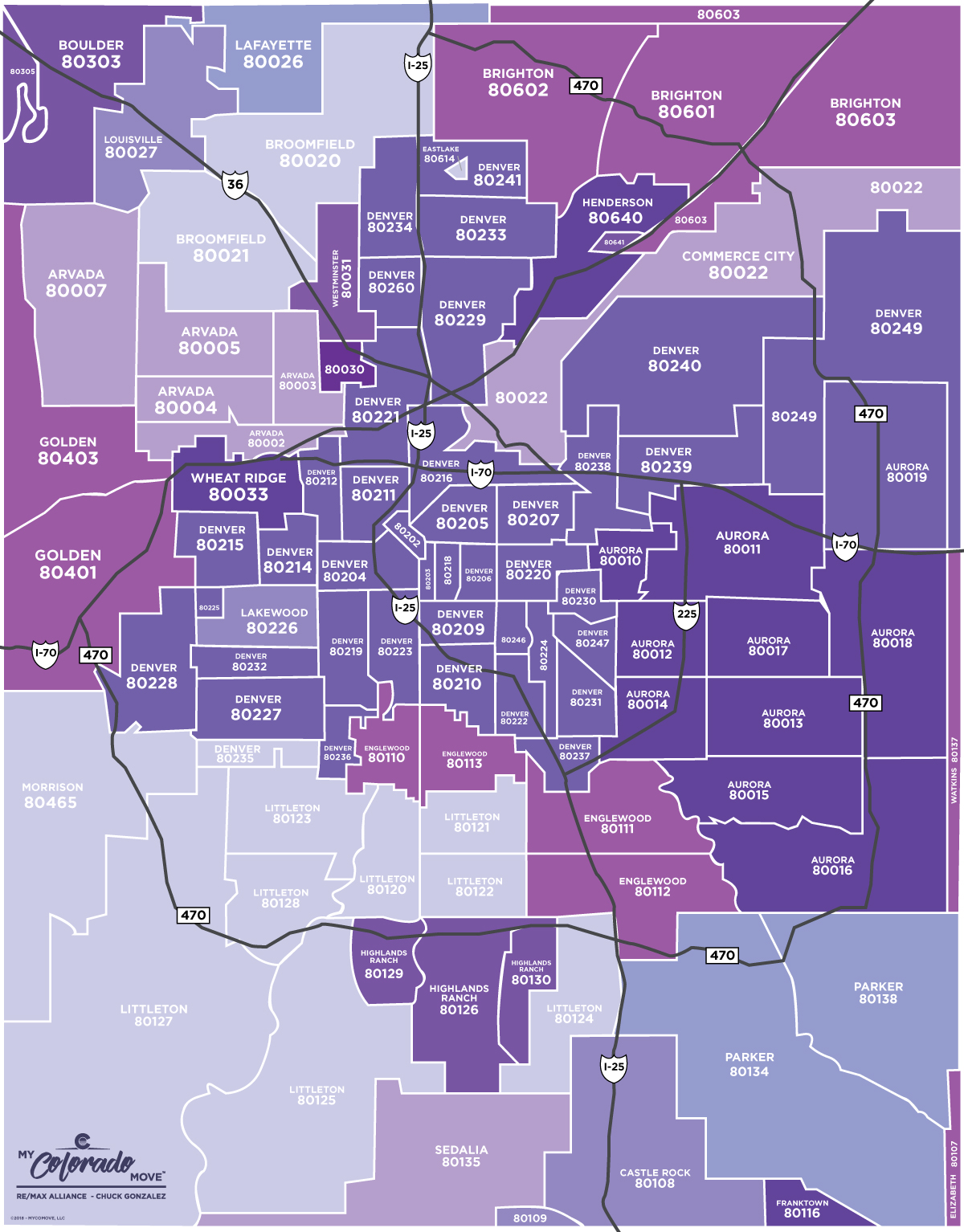
Pinpointing the zip code of a major attraction can be immensely helpful for trip planning. For instance, if your itinerary includes a visit to the Denver Art Museum or the Colorado State Capitol, you’ll find them nestled within the 80203 zip code. This area is rich in cultural institutions and historical landmarks, making it perfect for a day of museum-hopping and architectural appreciation. Similarly, the bustling 16th Street Mall, a pedestrian promenade popular for shopping and dining, runs through the heart of 80202.
Sports enthusiasts heading to a Colorado Rockies game will be primarily focused on the 80205 area for Coors Field, while those attending a Denver Broncos game will find Empower Field at Mile High within the 80204 zip code. Even attractions slightly outside the immediate downtown core, like the Denver Zoo and the Denver Museum of Nature & Science, are largely covered by 80207, located in the City Park area. By understanding these associations, travelers can group nearby attractions, optimize their travel time, and experience more of what Denver has to offer without excessive commuting.
Dining and Entertainment Hubs by Postal Code
Denver’s culinary and entertainment scenes are as diverse as its neighborhoods, and zip codes provide a useful framework for exploring them. For a taste of upscale dining and boutique shopping, the 80206 zip code in Cherry Creek North is a prime destination. This area boasts a plethora of gourmet restaurants, chic cafes, and exclusive shops, offering a sophisticated experience.
If your palate leans towards craft beer and innovative, chef-driven cuisine in a more casual, artsy setting, then the 80205 zip code, encompassing the RiNo Art District, is where you’ll want to focus. This area has transformed into a mecca for foodies and brewery-hoppers, with numerous taprooms, food halls, and unique eateries. For vibrant nightlife and a mix of classic Denver pubs and modern lounges, the 80202 zip code of LoDo and the area around Union Station remains unparalleled. This district comes alive after dark, offering everything from sports bars to elegant cocktail lounges. Understanding these zip code associations allows travelers to efficiently plan their evenings, ensuring they land in the right neighborhood for their desired dining and entertainment experience.
Beyond the City Limits: Greater Denver Area Zip Codes
While the core of Denver offers a wealth of attractions, the broader metropolitan area and its surrounding regions are equally captivating. For travelers planning extended stays or day trips, knowing the zip codes of neighboring cities and significant points of interest outside the immediate city limits is incredibly beneficial. This knowledge can facilitate exploration of the stunning Colorado landscape and its charming communities.
Expanding Your Exploration: Suburbs and Excursions
The “greater Denver area” extends well beyond the city’s official boundaries, encompassing a network of vibrant suburbs and accessible natural wonders. For example, if you’re interested in exploring the world-famous Red Rocks Amphitheatre, an iconic outdoor concert venue and park known for its stunning geological formations, you’ll be looking at the 80401 zip code, which covers the town of Morrison. Similarly, for those planning a day trip to the picturesque university town of Boulder, known for its outdoor activities and vibrant Pearl Street Mall, the primary zip codes are 80301 through 80310.
Cities immediately adjacent to Denver, such as Aurora (with primary zip codes like 80010-80019), Lakewood (80214, 80215, 80226, 80227, 80228), and Englewood (80110, 80111), also offer their own unique attractions, dining options, and accommodation choices. These areas can sometimes provide more affordable lodging options or specific attractions that might appeal to niche interests, such as various regional parks or cultural centers. Venturing further south to Colorado Springs, home to Pikes Peak and the Garden of the Gods, means entering zip codes such as 80903, 80904, and 80905. Knowing these broader zip code ranges is crucial for effective trip planning, especially when considering rental car pick-ups, inter-city bus routes, or even just estimating travel times and distances.
Planning Logistics: Deliveries and Services
For travelers on an extended stay, or those with specific needs, understanding zip codes in the greater Denver area is vital for logistical planning. If you’re arriving at Denver International Airport (DIA), for instance, its dedicated zip code is 80249. This is particularly useful for arranging airport transfers, specifying pick-up locations for ride-shares, or ensuring accurate delivery of forgotten luggage or items.
Beyond personal travel, if your trip involves specific deliveries—be it business-related parcels, forgotten personal items shipped from home, or even specialized medical equipment—the correct zip code ensures that these items reach you without delay or misdirection, irrespective of whether you’re staying in the bustling city center or a quiet suburban retreat. For services like mobile pet grooming, home nursing, or even specific artisan food deliveries, providers often use zip codes to define their service areas. Being knowledgeable about the postal codes of your chosen destinations, both within and outside the immediate city, contributes significantly to a smoother, more stress-free travel experience, allowing you to focus on enjoying your time in Colorado rather than worrying about logistics.
Why Zip Codes Matter for Your Denver Itinerary
In an age of sophisticated mapping and navigation apps, it might seem counterintuitive to place importance on something as seemingly archaic as a zip code. However, for a savvy traveler, this seemingly simple numerical identifier remains a powerful, condensed piece of information that can significantly enhance their journey through Denver. Far from being merely a postal formality, zip codes serve as a foundational layer for understanding the urban fabric and making informed decisions.
Enhancing Navigation and Local Immersion
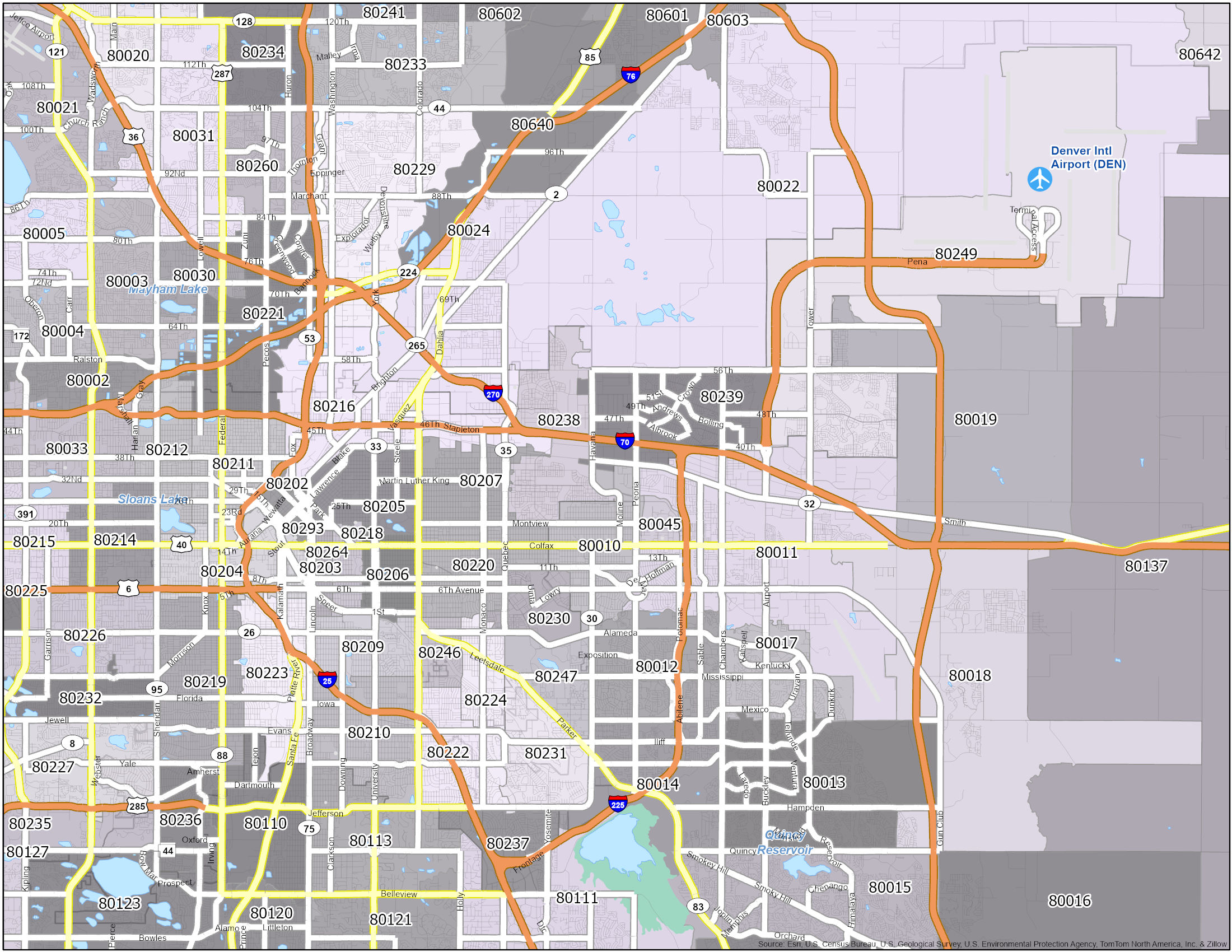
When navigating an unfamiliar city, precision is key. While GPS applications are invaluable, understanding the zip code of your destination adds an extra layer of certainty. It helps to differentiate between areas that might share similar street names or to confirm you’re searching for the correct location within a larger district. Moreover, zip codes inherently group areas with shared characteristics. By recognizing that the 80202 zip code is the bustling core, or that 80205 denotes the artistic and brewery-rich RiNo Art District, travelers can begin to form mental maps of the city that are more robust than just following a blue line on a screen.
This understanding fosters a deeper sense of local immersion. Instead of just hopping from one pinpointed attraction to another, you begin to grasp the interconnectedness of neighborhoods, their unique vibes, and how they contribute to the broader tapestry of Denver. It allows for more serendipitous discoveries within a known area, encouraging exploration of a few blocks around a destination because you understand the general character of that postal zone. This geographical literacy turns a standard tourist visit into a richer, more authentic exploration of the Mile High City.
A Tool for Informed Travel Decisions
Ultimately, knowing Denver’s zip codes empowers travelers to make more informed decisions across every stage of their trip planning. From selecting the ideal neighborhood for accommodation that aligns with their interests and budget, to efficiently grouping attractions for a day’s itinerary, and even anticipating travel times and public transport options, zip codes provide a valuable framework. They serve as a quick reference for understanding an area’s general cost of living, proximity to specific amenities, and even typical demographics, all of which can influence a traveler’s comfort and enjoyment.
Whether you’re arranging a package delivery, looking up local events, or simply trying to explain your location to a local, a zip code is a universally recognized identifier. It minimizes ambiguity, streamlines communication, and ensures that your plans unfold smoothly. In essence, while “What is Denver, Colorado zip code?” might seem like a simple question, its answer, when explored in depth, reveals a practical and insightful tool for anyone looking to truly experience and navigate this vibrant American city. By embracing this small detail, your Denver adventure will undoubtedly be more organized, efficient, and ultimately, more rewarding.
LifeOutOfTheBox is a participant in the Amazon Services LLC Associates Program, an affiliate advertising program designed to provide a means for sites to earn advertising fees by advertising and linking to Amazon.com. Amazon, the Amazon logo, AmazonSupply, and the AmazonSupply logo are trademarks of Amazon.com, Inc. or its affiliates. As an Amazon Associate we earn affiliate commissions from qualifying purchases.