
For many travelers, the concept of winter conjures images of snow-covered landscapes, freezing temperatures, and heavy wool coats. However, in the middle of the Pacific Ocean, the state of Hawaii offers a starkly different interpretation of the season. Winter in this tropical archipelago is less about frost and more about a subtle shift in the trade winds, the arrival of massive ocean swells, and the migration of majestic marine life. Understanding when winter occurs in Hawaii and what to expect during these months is essential for anyone planning a getaway to the United States most isolated island chain.

Understanding the Hawaiian Seasonal Cycle
Technically, winter in Hawaii aligns with the Northern Hemisphere’s calendar, spanning from mid-November through late March or early April. However, because Hawaii is located in the tropics, it does not experience the four distinct seasons found in temperate climates. Instead, the islands transition between two primary phases: the dry season (summer) and the wet season (winter).
The Concept of Kau: The Two Seasons of Hawaii
Ancient Hawaiians recognized two main seasons: Kau, the high sun period when days are long and the weather is warm and dry, and Hooilo, the cooler, wetter season. Hooilo typically begins in November and lasts until April. During this time, the sun sits lower in the sky, and the weather is influenced by “Kona storms”—low-pressure systems that bring heavy rain and winds from the south or west, contrasting with the usual northeasterly trade winds. While “cool” is a relative term—daytime temperatures still hover between 78°F and 82°F—the evenings can dip into the mid-60s, creating a refreshing atmosphere that locals and visitors alike find invigorating.
Temperature Fluctuations and Trade Winds
One of the most defining characteristics of a Hawaiian winter is the predictability of the trade winds. These winds generally blow from the northeast, acting as a natural air conditioner for the islands. During the winter months, these winds can occasionally fail, leading to “Kona weather,” which is characterized by higher humidity and stillness. However, for the most part, the winter air is crisp and clear. Rainfall increases during this period, but it is rarely a persistent, day-long event. Instead, travelers should expect passing showers, often followed by vibrant rainbows, particularly on the windward (northeastern) sides of islands like Oahu and Kauai.
Exploring the Islands During the Winter Months
While every island in the chain shares the same general seasonal timeline, the experience of winter can vary significantly depending on which island you visit. Each landmass has its own microclimates, meaning you can experience a rainstorm in the rainforest and sunshine on the beach within a single hour’s drive.
Oahu: The Gathering Place in Winter
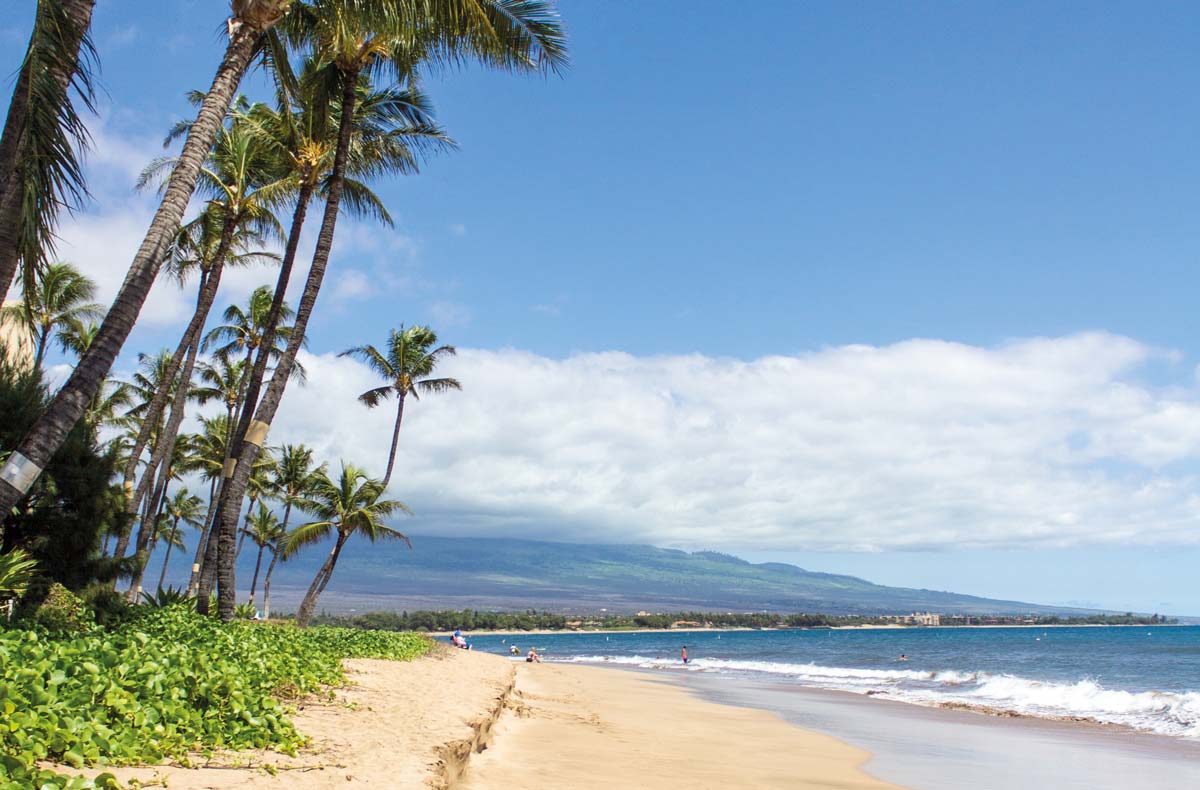
In Oahu, winter is synonymous with the world of professional surfing. The island’s North Shore becomes the center of the surfing universe as massive swells generated by storms in the North Pacific collide with the reefs. Meanwhile, in Honolulu, the atmosphere is festive and vibrant. The city hosts the Honolulu Marathon in December, drawing thousands of runners from around the world. For those staying in Waikiki, the winter weather is nearly perfect, with just enough of a breeze to make long walks along the shore comfortable.
Maui: The Valley Isle’s Humpback Season
Maui offers one of the most spectacular winter spectacles in the world: the arrival of the North Pacific Humpback Whale. From December to May, thousands of these giants migrate from Alaska to the warm, shallow waters of the Auau Channel between Maui, Lanai, and Molokai. The peak of whale watching typically occurs in February. Visitors to Lahaina or Kaanapali can often see whales breaching from the shoreline, though taking a dedicated boat tour provides a much closer look at these incredible creatures.
Kauai: The Garden Isle’s Verdant Rain
Kauai is the oldest and lushest of the main islands, and winter brings the rain that keeps it so green. While the North Shore of Kauai, near Hanalei Bay, can be quite wet during this time, the South Shore near Poipu remains relatively dry and sunny. Winter is an excellent time to view the Napali Coast by air, as the increased rainfall results in spectacular, flowing waterfalls that may be dormant during the drier summer months.

Big Island: Fire and Ice on Hawaii Island
The Big Island, formally known as Hawaii Island, offers perhaps the most dramatic winter contrast. While you can sunbathe on the white sands of Hapuna Beach, you can also look up to see snow capping the peaks of Mauna Kea and Mauna Loa. It is one of the few places on Earth where you can theoretically ski or snowboard on a volcanic summit and then drive down to go snorkeling in the Pacific Ocean on the same day. Additionally, the Hawaii Volcanoes National Park is often more comfortable to explore in the cooler winter air, as the heat from the volcanic fields can be intense during the summer.
Signature Winter Activities and Attractions
Choosing to visit Hawaii in the winter opens the door to activities that are simply not available during other times of the year. From world-class sporting events to natural phenomena, the “off-season” is anything but quiet.
Surfing the Legendary North Shore Swells
If you are a fan of extreme sports, winter is the only time to witness the power of the Oahu surf. Iconic locations such as the Banzai Pipeline, Waimea Bay, and Sunset Beach host the Triple Crown of Surfing. Waves can reach heights of 30 feet or more, creating a thrilling atmosphere for spectators. While these waters are strictly for experts during the winter, the spectacle of watching professionals navigate these liquid mountains is a once-in-a-lifetime experience for any traveler.
Whale Watching in the Humpback Whale Marine Sanctuary
The waters surrounding the islands are part of the Hawaiian Islands Humpback Whale National Marine Sanctuary. During the winter, the “whale song” can actually be heard underwater if you go snorkeling or diving. The sanctuary’s mission is to protect these animals during their critical breeding and calving season. Engaging in a responsible eco-tour allows travelers to learn about marine conservation while witnessing mothers teaching their calves how to breach and tail-slap.
Winter Snow on Mauna Kea
It is a point of local pride that Hawaii receives snow. Mauna Kea, which rises over 13,000 feet above sea level, frequently wears a white blanket during the winter months. While there are no formal ski resorts, the sight of snow in the tropics is mesmerizing. Visitors often drive to the visitor station to watch the sunset above the clouds, an experience that feels more like being on another planet than on a tropical island.
Practical Tips for a Hawaiian Winter Escape
Planning a trip during the winter requires a bit more foresight than a summer visit, particularly regarding logistics and packing.
Navigating Peak Holiday Travel and Crowds
The window between mid-December and the first week of January is the busiest time of year in Hawaii. Thousands of travelers flock to the islands to spend Christmas and New Year in the sun. During this period, flight prices and accommodation rates are at their highest. To avoid the heaviest crowds and most expensive rates, consider visiting in early December or late January. By February, the “holiday rush” has subsided, but the whale watching and surf conditions are still at their peak.
What to Pack for Subtropical Winter Weather
Packing for a Hawaiian winter requires layers. While your primary wardrobe will still consist of swimsuits, shorts, and t-shirts, you will need a few additions:
- Light Rain Jacket: Essential for those sudden tropical downpours, especially if you plan to hike in areas like the Manoa Valley or Iao Valley State Monument.
- Warm Pullover or Fleece: The evenings can get chilly, particularly near the ocean or at higher elevations like Haleakala National Park.
- Sturdy Footwear: Winter trails can be muddy. If you intend to hike Diamond Head or the trails of Kauai, bring shoes with good traction that you don’t mind getting a little dirty.
- Sun Protection: Do not let the cooler air fool you; the tropical sun is powerful year-round. High-SPF sunscreen, hats, and sunglasses remain mandatory.
Winter in Hawaii is a season of transformation. It is a time when the ocean comes alive with energy and the landscape is at its most vibrant green. Whether you are drawn by the allure of the big waves on the North Shore, the song of the humpback whales off the coast of Maui, or simply the desire to escape the mainland’s freezing temperatures, the Hawaiian winter offers a professional-grade travel experience that balances adventure with the serene “Aloha” spirit. By understanding the nuances of the season, you can ensure your journey to the islands is as magical as the rainbows that define this time of year.
LifeOutOfTheBox is a participant in the Amazon Services LLC Associates Program, an affiliate advertising program designed to provide a means for sites to earn advertising fees by advertising and linking to Amazon.com. Amazon, the Amazon logo, AmazonSupply, and the AmazonSupply logo are trademarks of Amazon.com, Inc. or its affiliates. As an Amazon Associate we earn affiliate commissions from qualifying purchases.