
Los Angeles, a sprawling metropolis synonymous with sunshine, Hollywood glamour, and a laid-back California vibe, is a dream destination for millions. Whether you’re planning a vacation, a business trip, or a permanent move, understanding the nuances of its climate is crucial for making the most of your experience. The weather in Los Angeles is a significant draw, offering a seemingly endless summer that many find irresistible. However, like any major city, it experiences its own seasonal variations, microclimates, and occasional weather quirks. This guide delves deep into what you can expect from the weather in this iconic city, helping you pack the right clothes, plan your outdoor attractions, and fully embrace the Los Angeles lifestyle.
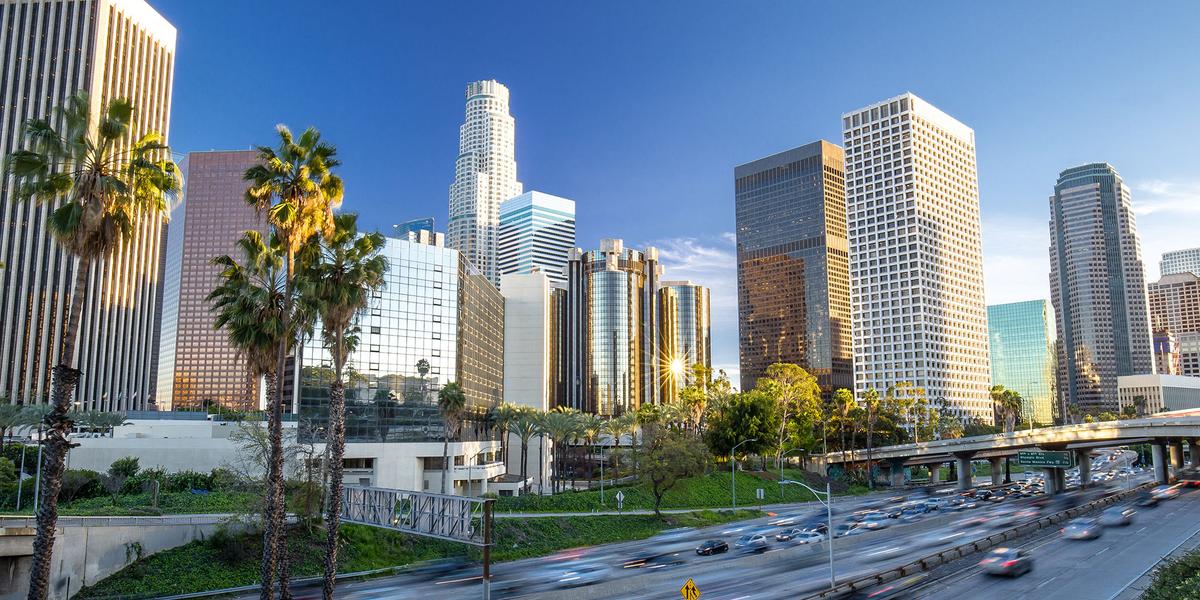
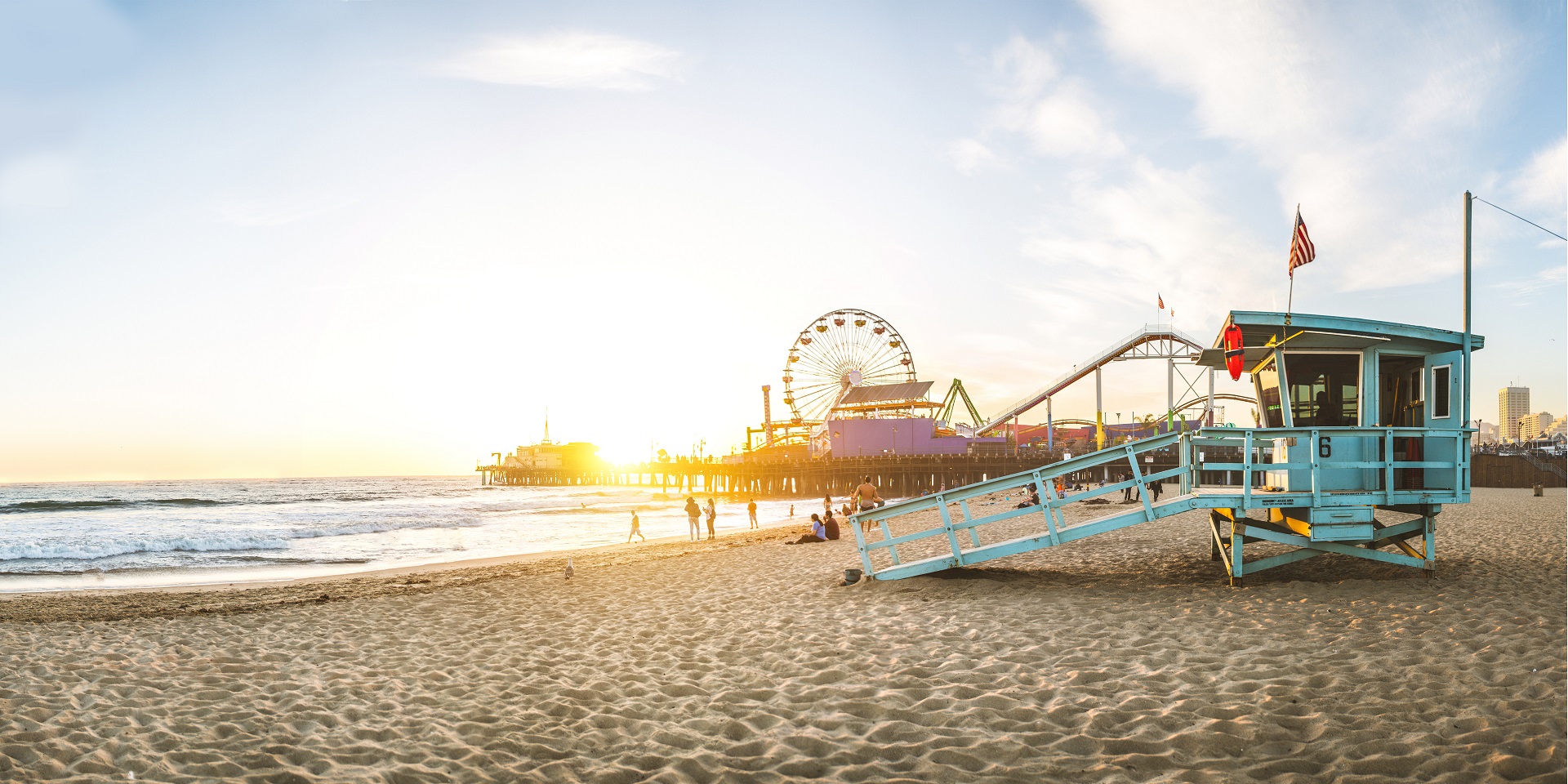
The city’s geography plays a pivotal role in shaping its weather patterns. Nestled between the Pacific Ocean and a series of mountain ranges, Los Angeles enjoys a Mediterranean climate characterized by warm, dry summers and mild, wetter winters. This unique positioning creates distinct microclimates within the greater metropolitan area, meaning the weather can vary significantly from the coast to the inland valleys and up into the mountains. For instance, coastal areas like Santa Monica tend to be cooler and foggier, especially in the mornings during the summer, while inland areas such as Pasadena can experience much higher temperatures.
Understanding Los Angeles’s Seasonal Climate
When we talk about the weather in Los Angeles, it’s essential to break it down by season, as each offers a unique atmospheric experience. While the city is often perceived as perpetually sunny, understanding these seasonal shifts will enhance your appreciation for its diverse climate.
Summer: The Sun-Kissed Season
Summer in Los Angeles, generally spanning from June to August, is what most people envision when they think of the city. Expect abundant sunshine, warm temperatures, and very little rainfall. The average high temperatures typically range from the mid-70s to the mid-80s Fahrenheit (around 24-29°C), although inland areas can easily push into the 90s (32°C+) during heatwaves. The coastal areas benefit from the ocean breeze, which helps to moderate temperatures, making them feel pleasantly warm rather than excessively hot.
One of the most distinctive features of a Los Angeles summer is the “May Gray” and “June Gloom” phenomenon. During these months, coastal skies are often covered by a thick marine layer, a blanket of clouds and fog that burns off by late morning or early afternoon, revealing clear, sunny skies. This is a natural cooling mechanism, and while it might obscure the sun initially, it keeps temperatures mild along the coast. By July and August, this marine layer typically dissipates earlier, leading to more consistently sunny days. Evenings are generally mild and comfortable, perfect for outdoor dining or exploring attractions like the Griffith Observatory.
Summer Activities & Weather Considerations:
- Beach Days: Ideal for visiting beaches like Venice Beach or Malibu.
- Outdoor Events: Numerous concerts, festivals, and outdoor movie screenings are held throughout the city.
- Hydration: With intense sun, staying hydrated is key, especially when exploring landmarks like the Hollywood Sign.
- Layering: Evenings can sometimes have a slight chill due to the ocean breeze, so a light jacket or sweater is advisable.
Autumn: A Gentle Transition
Autumn in Los Angeles, from September to November, is often considered the most pleasant time of year. The intense summer heat begins to recede, and the marine layer becomes less frequent. September and October can still feel like summer, with warm days and comfortably cool evenings. Temperatures gradually cool down as November approaches, with average highs in the 70s Fahrenheit (around 21-26°C). Rainfall is still minimal, but there’s a slight increase compared to the summer months, signaling the transition to the wetter season.
This period is perfect for exploring the city’s diverse offerings without the extreme heat of summer. It’s an excellent time for hiking in the Santa Monica Mountains, visiting theme parks like Universal Studios Hollywood, or enjoying the vibrant food scene in neighborhoods like Downtown Los Angeles. The air quality often improves significantly during autumn, offering clearer views of the city and surrounding landmarks.
Autumn Activities & Weather Considerations:
- Exploring Neighborhoods: Ideal for walking tours of areas like Beverly Hills or Downtown Los Angeles.
- Cultural Events: Many museums and galleries are at their best, and seasonal events like Halloween celebrations add to the city’s charm.
- Comfortable Temperatures: Perfect for outdoor dining at restaurants in areas like West Hollywood.
- Pack Versatile Clothing: Layers are still key, as temperatures can fluctuate between day and night.
Winter: The Mild and (Slightly) Wetter Season
Winter in Los Angeles, from December to February, is characterized by mild temperatures and the highest chance of rainfall throughout the year. However, “wetter” is a relative term in Southern California. Snow is virtually unheard of at sea level, and freezing temperatures are rare, usually occurring only in the higher elevations of the surrounding mountains. Average high temperatures hover in the mid-60s Fahrenheit (around 18-20°C), with overnight lows dipping into the 40s and 50s Fahrenheit (around 4-15°C).
While sunshine is still abundant, the winter months bring more frequent cloud cover and the possibility of rainstorms. These storms are often beneficial, replenishing reservoirs and bringing a welcome touch of green to the otherwise arid landscape. When it does rain, it’s typically in the form of showers or occasional downpours, rather than prolonged overcast periods. This is a great time to experience a different side of Los Angeles, perhaps visiting indoor attractions like the Getty Center or enjoying the festive holiday decorations. Skiing and snowboarding are possible in the nearby San Gabriel Mountains if sufficient snowfall occurs.
Winter Activities & Weather Considerations:
- Indoor Attractions: Museums, theaters, and entertainment venues are excellent options.
- Whale Watching: Winter is prime season for spotting migrating whales off the coast.
- Rainy Day Preparedness: Carry an umbrella or raincoat, especially if visiting during the wetter months of January and February.
- Mild Conditions: Still pleasant enough for many outdoor activities, provided you dress in layers.
Spring: A Blooming Renewal
Spring in Los Angeles, from March to May, is a period of gradual warming and increasing sunshine. Similar to autumn, it offers a delightful balance of mild temperatures and abundant daylight. March can still exhibit some wintery characteristics with occasional rain, but by April and May, the weather is consistently pleasant, with high temperatures in the high 60s to low 70s Fahrenheit (around 20-23°C). The city comes alive with blooming flowers, making it a beautiful time to explore gardens like the Huntington Library, Art Museum, and Botanical Gardens.
The “May Gray” phenomenon begins towards the end of spring, introducing the characteristic coastal clouds that define the transition to summer. Spring is an excellent time for outdoor adventures, from hiking in Runyon Canyon Park to visiting outdoor markets and enjoying the city’s numerous parks. The weather is generally ideal for exploring renowned landmarks and enjoying the vibrant local culture.
Spring Activities & Weather Considerations:
- Outdoor Exploration: Perfect for hiking, exploring parks, and enjoying the city’s outdoor spaces.
- Spring Festivals: Many community events and outdoor festivals take place during this season.
- Coastal Breezes: Be prepared for potential morning clouds along the coast in May.
- Light Layers: A light jacket or sweater will suffice for cooler mornings and evenings.
Microclimates: The Nuances of an Expansive City
One of the most fascinating aspects of Los Angeles’s climate is its diversity of microclimates. The city’s vast expanse, coupled with its proximity to mountains and the ocean, creates a mosaic of weather conditions that can differ dramatically within a short distance. Understanding these variations is key for visitors and residents alike.
Coastal vs. Inland Temperatures
The most significant temperature difference is typically between the coastal areas and the inland valleys. The Pacific Ocean acts as a massive temperature regulator. In the summer, coastal cities like Santa Monica, Long Beach, and Malibu experience cooler temperatures due to the refreshing ocean breeze. Average summer highs might be in the 70s Fahrenheit (21-26°C). In contrast, inland areas such as Pasadena, Burbank, and the San Fernando Valley can easily reach the 90s and even 100s Fahrenheit (32-38°C+), especially during heatwaves.
This difference is often noticeable even when driving just a few miles inland from the coast. The marine layer, a common summer feature, contributes to this. It’s a layer of cool, moist air that forms over the ocean and drifts inland, keeping coastal areas foggy or overcast in the mornings while the sun shines brightly inland.
Mountain Influence
The mountain ranges surrounding Los Angeles, such as the San Gabriel Mountains and the Santa Monica Mountains, also influence local weather. Higher elevations are significantly cooler than the basin and can receive snowfall during the winter months, offering a stark contrast to the temperate weather experienced in the city below. These mountains also act as barriers, affecting rainfall patterns and wind speeds. During Santa Ana wind events, dry, hot winds blow from the desert inland towards the coast, often exacerbating wildfire risks.
Planning for Microclimates
When planning activities or choosing accommodation, consider these microclimates. If you’re staying in a beachside resort like the Shutters on the Beach, expect milder temperatures and potential morning fog. If your itinerary includes visiting theme parks or exploring inland neighborhoods, be prepared for warmer conditions, especially during the summer. Packing layers is always a wise strategy, allowing you to adapt to changing temperatures as you move between different parts of the vast Los Angeles area.
Notable Weather Phenomena in Los Angeles
Beyond the typical seasonal patterns, Los Angeles is known for a few specific weather phenomena that can impact your visit. Awareness of these can help you prepare and appreciate the unique climate.
Marine Layer: The Coastal Curtain
As mentioned, the marine layer is a defining characteristic of the Los Angeles coastal climate, particularly from late spring through early summer (“May Gray” and “June Gloom”). This phenomenon involves a thick blanket of stratus clouds and fog that forms over the cool waters of the Pacific Ocean and drifts inland. It typically burns off by midday, revealing sunny skies. While it can be disappointing for those seeking immediate sunshine, it keeps coastal temperatures pleasant and prevents the extreme heat experienced inland. This phenomenon is less common in July and August but can still occur.
Santa Ana Winds: The Desert’s Breath
Santa Ana winds are strong, dry, and hot offshore winds that blow from the desert regions of the Mojave Desert and Great Basin towards the Los Angeles Basin, typically during the fall and winter months. These winds are characterized by their high temperatures and low humidity, which can drastically increase the risk of wildfires. They can also create choppy conditions on the ocean and sometimes bring dust and smog into the city. When Santa Ana winds are active, you’ll notice a distinct change in the air quality and a palpable sense of dryness.
Air Quality: The Urban Challenge
Like many large metropolitan areas, Los Angeles can experience challenges with air quality, particularly during warmer months or when weather patterns trap pollutants. Smog is a persistent concern, though significant efforts have been made over the decades to improve air quality. On days with poor air quality, strenuous outdoor activities might be less enjoyable. Checking the local air quality index (AQI) is advisable, especially if you have respiratory sensitivities. Fortunately, cleaner air is often experienced after rainfall or when stronger ocean breezes are present.
Rainfall Patterns: A Mediterranean Touch
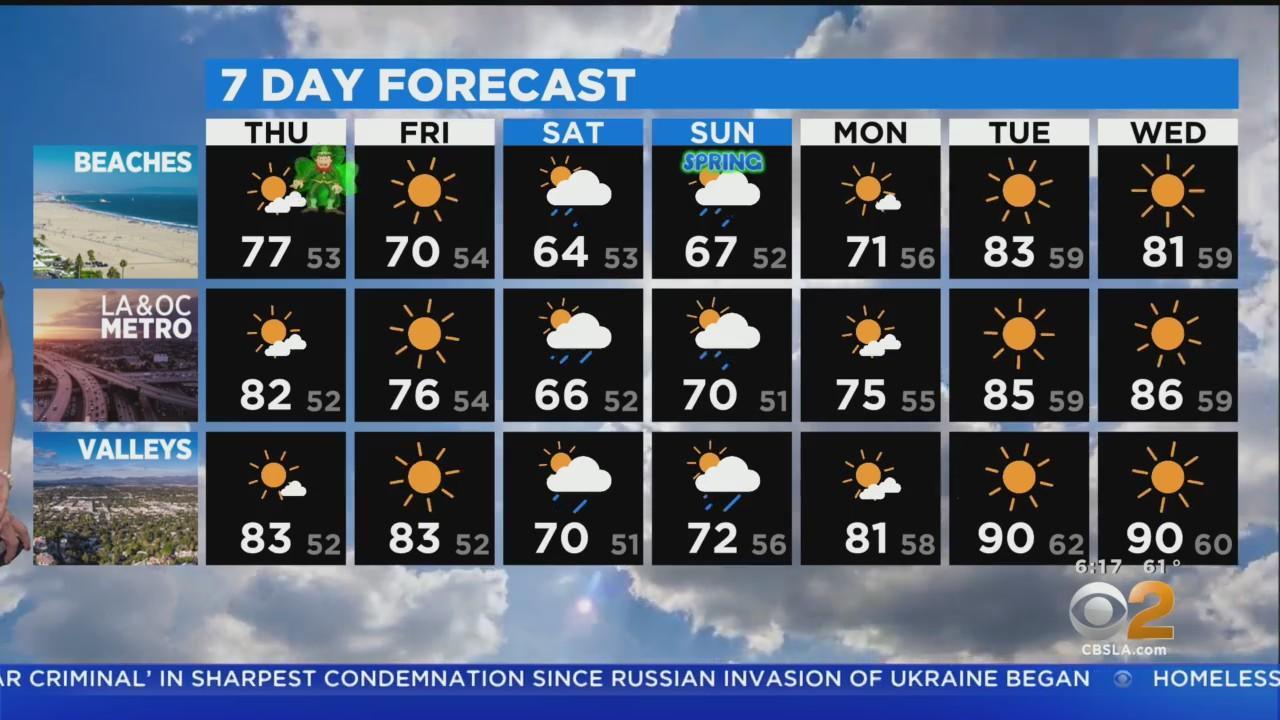
Los Angeles receives most of its annual precipitation during the winter months (December to March). While it’s not a region known for heavy, prolonged rainfall, it can experience occasional storms that bring significant amounts of rain over a short period. These storms are vital for the region’s water supply. Droughts are also a recurring issue in California, and water conservation is a significant aspect of the local lifestyle. The landscape transforms beautifully after rain, with dormant hillsides turning a vibrant green.
In summary, the weather in Los Angeles is a complex yet generally pleasant affair. Its Mediterranean climate offers the allure of year-round warmth and sunshine, making it a prime destination for travelers and a desirable place to live. By understanding the seasonal variations, the impact of microclimates, and notable weather phenomena, you can better plan your adventures, from exploring iconic landmarks and enjoying world-class dining to relaxing at a luxurious hotel or a comfortable apartment. Embrace the sunshine, prepare for the occasional coastal fog, and enjoy the diverse climate that makes Los Angeles so unique.
LifeOutOfTheBox is a participant in the Amazon Services LLC Associates Program, an affiliate advertising program designed to provide a means for sites to earn advertising fees by advertising and linking to Amazon.com. Amazon, the Amazon logo, AmazonSupply, and the AmazonSupply logo are trademarks of Amazon.com, Inc. or its affiliates. As an Amazon Associate we earn affiliate commissions from qualifying purchases.