
Planning a dream vacation to the sun-drenched shores of Hawaii often involves meticulous budgeting for flights, accommodation, activities, and dining. However, a frequently overlooked, yet crucial, financial aspect is understanding the local tax structure. Many travelers mistakenly assume that the tax landscape in Hawaii is similar to other states within the United States, particularly regarding sales tax. The short answer to the question, “Does Hawaii have a state tax?” is an emphatic yes, but it’s not what most visitors might expect.
Hawaii operates with a unique tax system that significantly impacts both residents and visitors. Instead of a traditional sales tax found in most states, Hawaii primarily levies a General Excise Tax (GET). Furthermore, the state imposes a Transient Accommodations Tax (TAT) that directly affects the cost of your stay, alongside other fees and taxes that can accumulate. For a truly seamless and financially sound trip to the Aloha State, comprehending these taxes is not just beneficial—it’s essential for preventing unexpected expenses and ensuring your travel budget remains on track. This comprehensive guide will demystify Hawaii’s tax environment, focusing on how these levies impact travelers and offering practical advice for budgeting effectively. By shedding light on these often-misunderstood charges, you can better prepare for your Hawaiian adventure and fully immerse yourself in the islands’ unparalleled beauty without financial surprises.
Understanding Hawaii’s General Excise Tax (GET)
The cornerstone of Hawaii’s tax system, and often the most confusing for newcomers, is the General Excise Tax (GET). Unlike the sales tax model prevalent in most other United States jurisdictions, the GET is a tax on a business’s gross receipts rather than a tax on the final sale to the consumer. This distinction, while seemingly minor, has significant implications for how prices are presented and how consumers ultimately pay.
What is the GET?
The GET is a privilege tax levied on businesses for the privilege of doing business in Hawaii. It applies to nearly all business activities, including retail sales, services, contracting, and rentals. Because it’s a tax on the gross income of the business, businesses typically pass this cost along to the consumer, embedding it into the prices of goods and services. This means that when you see a price tag for a souvenir, a meal at a restaurant, or an activity, the GET is generally already factored into that displayed price. It’s not typically itemized as a separate line item at checkout, which is a stark contrast to the sales tax experience in most other states where the tax is added at the point of sale.
How the GET Impacts Travelers
For travelers, the primary impact of the GET is that almost everything you purchase—from groceries and souvenirs to restaurant meals and tour tickets—will have this tax indirectly applied. The standard statewide GET rate is 4%. However, counties are permitted to levy their own GET surcharges, which means the effective rate can be slightly higher depending on where you are on the islands. For instance, in Oahu, Maui, Kauai, and Hawaii Island (commonly known as the Big Island), there is a county surcharge of 0.5%, bringing the effective GET rate to 4.5%. This might seem like a small percentage, but over the course of a trip, especially with numerous purchases and activities, it can add up. The key takeaway for travelers is to remember that the prices you see generally include this tax, so you won’t face an additional percentage added to your bill for most everyday purchases, providing a sense of transparency at the point of decision.
Varying Rates Across Counties
While the base GET rate is 4% statewide, the county surcharges are important to note. As mentioned, Oahu, Maui, Kauai, and Hawaii Island all currently impose a 0.5% county surcharge, making the total GET rate 4.5%. Travelers exploring different islands should be aware that while the rate is consistent across the major tourist islands, it’s always wise to verify current rates as they can be subject to change by legislative action. This uniform surcharge across the main islands simplifies budgeting for multi-island itineraries, as the effective GET rate remains consistent across your destinations like Honolulu, Lahaina, or Kailua-Kona.
The Transient Accommodations Tax (TAT): A Direct Impact on Stays
Beyond the General Excise Tax, one of the most significant taxes directly affecting travelers to Hawaii is the Transient Accommodations Tax (TAT). This tax is specifically designed for short-term lodging and is a substantial component of your accommodation costs, regardless of whether you’re staying in a luxury resort or a modest vacation rental.
What is the TAT?
The TAT is essentially Hawaii’s hotel room tax, but its scope extends beyond just hotels. It applies to all “transient accommodations,” which include hotels, resorts, motels, vacation rentals, timeshares, and even bed and breakfasts, provided the stay is for less than 180 consecutive days. The state levies the TAT on the gross rental proceeds derived from furnishing these accommodations. This tax is a crucial revenue stream for the state, supporting various public services and initiatives, including tourism promotion and environmental preservation efforts. The TAT is a state-level tax, but counties also have the option to impose their own local transient accommodations tax (County TAT), adding another layer to your lodging expenses.
How it Affects Your Accommodation Costs
Unlike the GET, which is typically embedded in prices, the TAT is almost always added as a separate line item on your accommodation bill. The statewide TAT rate is 10.25%. On top of this, all four major counties—Oahu, Maui, Kauai, and Hawaii Island—have also implemented a County TAT surcharge, currently at 3%. This means that when you book a room, you will typically see an additional 13.25% applied to the base room rate for TAT. For example, a room costing $300 per night will incur an additional $39.75 in TAT alone, not including the GET or any resort fees. This can significantly increase the total cost of your stay, particularly for longer trips or more expensive accommodations in areas like Wailea or Poipu. It’s imperative to factor this percentage into your accommodation budget from the very beginning.
TAT vs. GET on Lodging
It’s important to understand that both the TAT and the GET apply to accommodation rentals. The TAT (13.25% combined state and county) is applied first to the gross rental proceeds. Then, the GET (4.5% in most counties) is applied to the sum of the gross rental proceeds and the TAT. This “tax on tax” system means the total percentage added to your base room rate can be even higher than just the sum of the individual rates. For instance, if your room is $300, the TAT adds $39.75. The GET is then applied to the $339.75 (room + TAT), adding another $15.29. In total, a $300 room quickly becomes approximately $355.04 (excluding any resort fees). This combined effect makes accommodation one of the most tax-heavy expenditures for travelers in Hawaii, highlighting the critical need for detailed budgeting.
Beyond Sales: Other Taxes Travelers Should Be Aware Of
While the GET and TAT are the most prominent taxes affecting travelers, Hawaii’s tax landscape includes several other levies that can impact your overall travel expenses. Being aware of these additional charges ensures a more accurate budget and helps avoid unwelcome surprises during your trip.
Rental Car Surcharges and Fees
Renting a car is almost a necessity for exploring the diverse landscapes of Hawaii’s islands, from the scenic drives of Maui to the rugged coastline of Kauai. However, rental cars come with their own set of taxes and fees. In addition to the GET applied to the rental charge, the state imposes a daily surcharge on rental vehicles. This can include a Motor Vehicle Rental Fee (currently $3.00 per day) and a State Surcharge Tax. These fees are typically itemized separately from the base rental rate and can add a significant amount to your total rental cost, especially for longer rental periods. Always scrutinize the full breakdown of charges when booking a rental car to understand the complete financial commitment.
State Income Tax (Relevant for Extended Stays or Remote Workers)
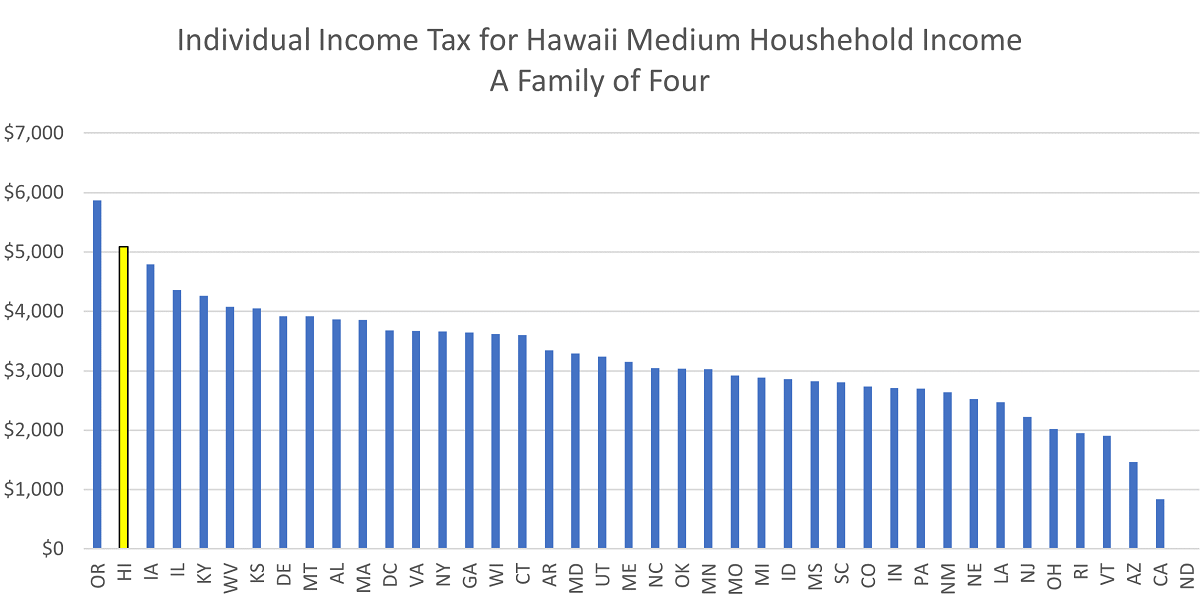
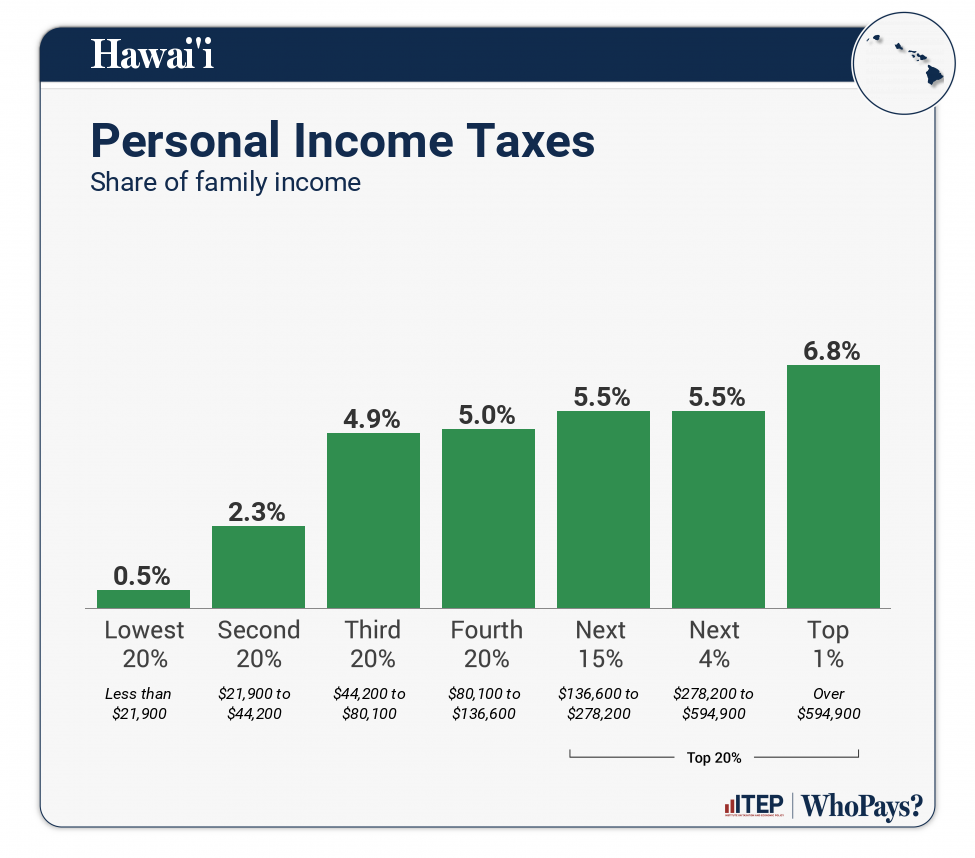
For the vast majority of tourists on a typical vacation, Hawaii’s state income tax will not be a concern. However, for individuals planning extended stays, digital nomads working remotely from the islands, or those considering temporary employment, Hawaii has a progressive state income tax system. If you establish residency or earn income within the state, you could be subject to Hawaii income tax, in addition to federal income tax. The state’s income tax rates can be quite high compared to some other states, ranging from 1.4% to 11% depending on income brackets. It’s crucial for anyone expecting to work or reside in Hawaii for an extended period to consult with a tax professional to understand their obligations.
Property Tax (Indirectly Impacts Rental Costs)
While visitors do not directly pay property taxes, these taxes indirectly influence the cost of accommodation, particularly for vacation rentals and timeshares. Property taxes are levied by the counties on real estate. Property owners, whether they operate a hotel, a resort, or a vacation rental, factor these costs into their pricing. Higher property taxes in popular tourist areas like Lahaina or Kona can translate to higher nightly rates for travelers. Although not a direct tax on your bill, understanding its indirect impact helps contextualize the overall cost of lodging.
Fuel Tax
If you plan on driving around the islands, another tax you’ll encounter is the fuel tax. Hawaii levies both a state fuel tax and county fuel taxes, which are included in the price you pay at the pump. Hawaii generally has some of the highest gasoline prices in the United States, and these taxes contribute to that higher cost. While not a standalone bill, recognizing that a portion of those elevated fuel prices goes towards various taxes can help manage expectations for your transportation budget.
Budgeting for Taxes: Smart Planning for Your Hawaii Trip
Navigating Hawaii‘s unique tax structure doesn’t have to be a source of stress. With a clear understanding of the various taxes and a proactive approach to budgeting, you can ensure your Hawaiian getaway remains a blissful, surprise-free experience. Thoughtful planning is key to enjoying the islands without unexpected financial burdens.
Factor Taxes into Every Purchase
Given that the General Excise Tax (GET) is generally embedded in the prices of goods and services, it’s easy to overlook. However, it’s still a part of the overall cost of living and traveling in Hawaii. When estimating daily expenses for food, activities, and souvenirs, try to mentally account for this inherent cost. This means accepting that prices might seem slightly higher than in some mainland destinations where sales tax is added on top. Rather than budgeting a certain amount and then adding tax, assume the listed price already reflects the 4.5% GET in most major counties, providing a more realistic baseline for your spending.
Check Accommodation Totals Carefully
This is perhaps the most critical area for budgeting tax-related expenses. When booking hotels, resorts, or vacation rentals, always look beyond the nightly room rate. The combined State and County Transient Accommodations Tax (TAT) of 13.25%, plus the 4.5% GET on the total (room rate + TAT), can add a significant percentage to your bill. Additionally, many Hawaiian resorts charge a separate “resort fee” or “destination fee” which covers amenities like Wi-Fi, fitness center access, or local calls. These fees are also subject to GET. Always review the “total due” breakdown before confirming your reservation to see all taxes and fees itemized. Websites like Expedia, Booking.com, or direct hotel sites often display these totals clearly, preventing sticker shock upon check-in or checkout.
Research County-Specific Rates
While the major tourist islands of Oahu, Maui, Kauai, and Hawaii Island share the same 4.5% GET and 13.25% TAT, it’s prudent to be aware that county surcharges can change. Although less common, a county might adjust its GET or TAT surcharge. Staying informed, especially if planning a trip far in advance, ensures your budget remains accurate. A quick search of the Hawaii Department of Taxation website or consulting up-to-date travel guides will provide the most current information. This vigilance is particularly valuable if you plan to venture to less-visited islands or specific remote areas where local regulations might differ subtly.
Consider All Indirect Costs
Beyond the explicit taxes, remember the indirect impacts. Higher property taxes in desirable areas contribute to the overall cost of accommodation. Fuel taxes are embedded in the price at the pump, making gas more expensive than in many mainland areas. Rental car surcharges add to your transportation budget. When building your overall travel fund, don’t just allocate funds for the visible expenses; allow for a buffer that accounts for these higher baseline costs across various categories. A realistic approach to budgeting, incorporating these tax considerations, will ensure that your Hawaii vacation unfolds exactly as you envisioned it—stress-free and brimming with aloha.
In conclusion, Hawaii certainly has a state tax system, and it’s distinctive. The General Excise Tax (GET) and the Transient Accommodations Tax (TAT), combined with other fees and surcharges, are integral components of the financial landscape for anyone visiting the islands. By understanding these taxes, how they are applied, and diligently factoring them into your budget, you can embark on your Hawaiian adventure with confidence, ensuring a delightful and financially predictable journey through paradise.
LifeOutOfTheBox is a participant in the Amazon Services LLC Associates Program, an affiliate advertising program designed to provide a means for sites to earn advertising fees by advertising and linking to Amazon.com. Amazon, the Amazon logo, AmazonSupply, and the AmazonSupply logo are trademarks of Amazon.com, Inc. or its affiliates. As an Amazon Associate we earn affiliate commissions from qualifying purchases.