
Embarking on an Alaska cruise is a dream for many, offering unparalleled vistas of majestic glaciers, abundant wildlife, and captivating coastal towns. However, a common concern for prospective travelers is the weather, specifically, “What month is too cold for an Alaska cruise?” While the idea of “too cold” is subjective, the conventional cruise season for Alaska generally runs from late April or early May through September. Outside of these months, conditions become significantly harsher, and the vast majority of cruise lines do not operate passenger voyages in the region. Understanding the nuances of each month within this window is crucial for selecting the perfect time for your adventure. This guide delves into the climatic expectations, unique opportunities, and challenges presented by each part of the Alaska cruise season, helping you make an informed decision that aligns with your comfort levels and desired experiences.
Understanding Alaska’s Cruise Season Dynamics
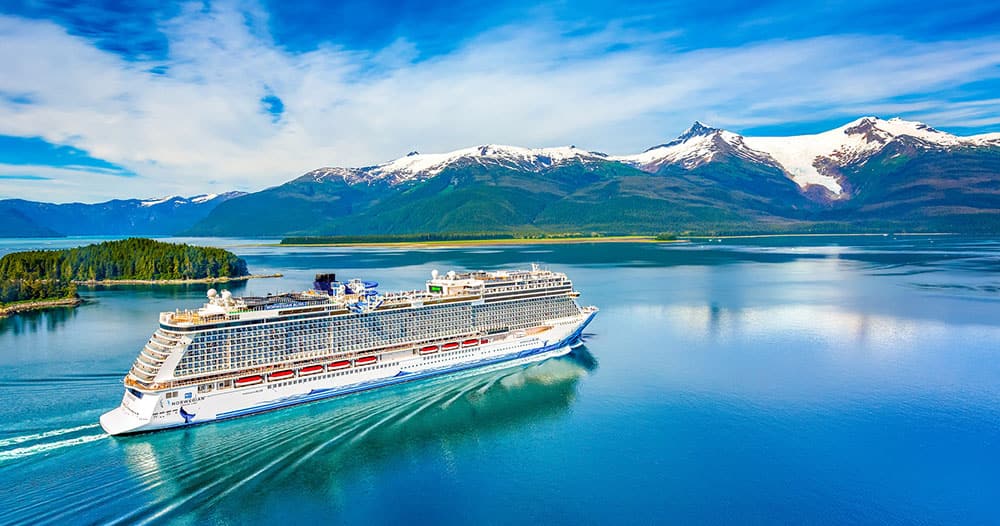
The operational window for Alaska cruises is remarkably compact, spanning roughly five months. This seasonality is dictated primarily by weather patterns, ice conditions in the northern waters, and the availability of daylight. Each segment of the season offers a distinct flavor of the Alaskan wilderness, influencing everything from wildlife sightings to crowd levels and pricing.
The Peak Season Sweet Spot: June, July, and August
These three months represent the heart of the Alaskan cruise season, widely considered the warmest and most stable period. Temperatures are at their highest, often ranging from the mid-50s to low 70s Fahrenheit (13-22°C), particularly in the coastal areas and popular port towns like Juneau, Ketchikan, and Skagway. This is when the daylight hours are longest, with some areas experiencing nearly 20 hours of daylight around the summer solstice in June. The increased warmth means less concern about extreme cold, making it ideal for enjoying deck activities and various shore excursions. However, this popularity comes with its own set of considerations: higher prices, more crowded ports, and booking essential excursions well in advance. Wildlife, such as whales and bears, are generally very active during these months, though specific sightings can never be guaranteed.
Shoulder Seasons: May and September Considerations
The shoulder seasons – May at the beginning and September at the end – offer a different, often more intimate, experience. These months typically see fewer crowds and potentially lower prices, appealing to budget-conscious travelers or those seeking a quieter journey.
- May: As the season’s inaugural month, May brings crisp air and the first signs of spring. Temperatures are cooler, averaging in the 40s and 50s Fahrenheit (4-13°C), and rain showers are common. While some glaciers may still be shedding winter ice, creating spectacular calving events, the scenery is starkly beautiful. Wildlife is emerging, and migratory birds are abundant. Early-season travelers should be prepared for cooler temperatures and potentially more varied weather, packing extra layers. The benefit is witnessing Alaska as it awakens, often with fewer ships in port.
- September: Marking the transition to autumn, September brings vibrant fall foliage, especially in interior Alaska and along river systems. Temperatures begin to drop, similar to May, ranging from the low 40s to upper 50s Fahrenheit (4-15°C). While the days shorten, the quality of light for photography is exceptional, and the chances of seeing the Northern Lights increase as darkness returns. This month is particularly appealing for those interested in wildlife, as bears are actively feeding before hibernation. Similar to May, preparation for cooler, potentially wetter weather is paramount.
Why Winter Cruising Isn’t a Standard Option
Beyond September, the Alaskan waters become truly “too cold” for conventional passenger cruises. Temperatures plummet, often falling below freezing. The shorter daylight hours dramatically reduce sightseeing opportunities, and many shore excursions and attractions close for the winter. More significantly, the risk of severe weather, strong currents, and heavy ice formation, particularly in areas like Glacier Bay National Park or near the Hubbard Glacier, makes navigation challenging and unsafe for large cruise ships. While some specialized expedition cruises might operate in parts of Alaska during the fringes of winter, these are rare and cater to a very different type of traveler seeking extreme adventure rather than a typical cruise experience. For the vast majority, the traditional cruise season is the only viable window.
Temperature and Weather Expectations by Month
Understanding the specific climate patterns for each month within the cruise season helps set realistic expectations and pack appropriately.
May: The Awakening of Alaska
- Average Temperatures: 40-55°F (4-13°C)
- Weather: Expect crisp air, occasional rain, and lingering snow at higher elevations. Early spring flowers begin to bloom. The air can feel quite cool, especially on deck or during early morning excursions.
- Daylight: Long, but not as extensive as mid-summer. Still plenty of daylight for sightseeing.
June: Early Summer’s Promise
- Average Temperatures: 50-65°F (10-18°C)
- Weather: Warmer temperatures, but still variable. Rain is possible, but fewer prolonged downpours than in May or September. Longest daylight hours around the solstice.
- Daylight: Very long, often with 18-20 hours of daylight in the northern parts, allowing for extended evening exploration.
July: The Warmest and Brightest
- Average Temperatures: 55-70°F (13-21°C)
- Weather: Generally the warmest and driest month, though “dry” is relative in Southeast Alaska. Still, more sunshine and milder conditions are common, making it ideal for outdoor activities.
- Daylight: Similar to June, very long daylight hours.
August: Late Summer’s Bounty
- Average Temperatures: 50-65°F (10-18°C)
- Weather: Temperatures begin to gradually cool compared to July. Rain chances increase towards the end of the month. Fall colors start to appear in the latter half of August.
- Daylight: Still very generous, but noticeably shorter than in June and July.
September: The Embrace of Autumn
- Average Temperatures: 40-55°F (4-13°C)
- Weather: Cool, crisp, and often rainy. The vibrant fall foliage is a highlight, and snow can begin to fall at higher elevations. The air has a distinct autumnal chill.
- Daylight: Significantly shorter than peak summer, increasing the chances of seeing the Northern Lights if you’re in a location with dark skies and clear weather.
Beyond Temperature: Other Factors Influencing Your Cruise Experience
While temperature is a primary concern, several other elements contribute to the overall enjoyment and character of your Alaska cruise.
Wildlife Viewing Opportunities
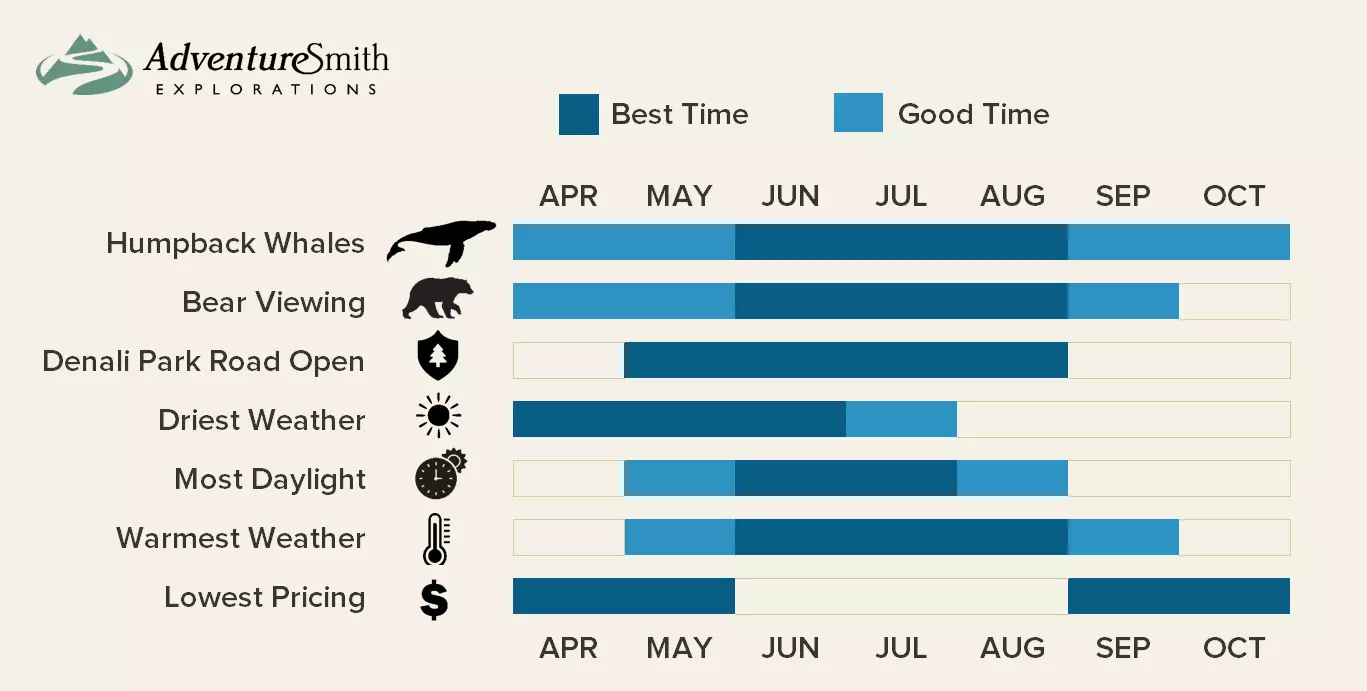
Wildlife, from humpback whales to grizzly bears, is a major draw for Alaska cruises.
- May & Early June: Excellent for migratory birds and marine life as they return to feeding grounds. Bear sightings become more frequent as they emerge from hibernation.
- July & August: Peak whale watching season. Salmon runs begin, attracting bears to rivers. Puffin and other seabird colonies are bustling.
- September: Exceptional for bear viewing as they actively feed on salmon before winter. Elk and moose are often seen with their calves.
Daylight Hours and Sightseeing
The sheer amount of daylight, particularly in June and July, maximizes your sightseeing potential. Long evenings mean more time on deck enjoying the scenery, or exploring port towns. In contrast, September’s shorter days, while still ample for excursions, bring the darkness necessary for potential Northern Lights viewing in certain areas.
Crowds and Pricing Dynamics
Peak season (July and August) commands the highest prices and sees the most crowded ports and excursions. The shoulder seasons (May and September) offer a more tranquil experience with potentially significant savings on fares and flights. If avoiding crowds is a priority, and you’re prepared for cooler weather, these months are often the best choice.
Shore Excursion Availability and Comfort
Most shore excursions operate throughout the entire cruise season. However, comfort levels can vary. Kayaking or Zodiac tours might feel significantly colder in May or September than in July. Glacier landings or visits to national parks like Glacier Bay National Park are always chilly, regardless of the month, due to the proximity to ice. Always check the specifics of your chosen excursions and dress accordingly.
Preparing for Alaska’s Variable Climate
Regardless of the month you choose, packing smart is key to a comfortable Alaska cruise. The weather in Alaska is famously unpredictable; you can experience all four seasons in a single day.
Layering: The Golden Rule
The most crucial advice for any Alaska trip is to dress in layers. This allows you to easily adjust to fluctuating temperatures, sudden rain showers, or changes from an exposed deck to a warm interior. Start with a moisture-wicking base layer, add an insulating layer (fleece or wool), and top with a waterproof and windproof outer shell.
Essential Packing List
- Waterproof Outerwear: A high-quality waterproof and windproof jacket and pants are non-negotiable.
- Warm Layers: Fleece jackets, wool sweaters, long-sleeved shirts.
- Comfortable Footwear: Waterproof walking shoes or hiking boots with good traction are essential for excursions. Bring an extra pair.
- Warm Accessories: A hat, gloves, and a scarf will be invaluable, especially when viewing glaciers or on open decks.
- Binoculars: For spotting distant wildlife and scenic details.
- Camera Gear: Don’t forget extra batteries; cold weather can drain them faster.
- Sun Protection: Despite cooler temperatures, the sun can be strong, especially on water. Pack sunscreen and sunglasses.
Ship Amenities for Cooler Weather
Cruise ships are well-equipped to handle cooler weather. They offer heated indoor pools, jacuzzis, comfortable lounges with panoramic views, and warm dining areas. Many ships also have dedicated viewing decks that are enclosed or partially sheltered, allowing you to enjoy the scenery without enduring the full force of the elements.
Making the Best Choice for Your Alaska Adventure
Ultimately, the “too cold” threshold for an Alaska cruise is a personal one. There isn’t a single month that is universally too cold within the operating season, provided you are properly prepared.
Balancing Comfort with Unique Experiences
If warmth and maximum daylight are your top priorities, July is likely your best bet. If you prioritize fewer crowds, potentially lower prices, and unique photographic opportunities (like fall foliage or the chance of Northern Lights), then May or September could be ideal, assuming you are comfortable with cooler, wetter conditions. June and August offer a balanced compromise, blending good weather with slightly fewer crowds than July.

Consulting Cruise Lines and Experts
Before booking, consult the specific cruise line’s itineraries and weather advisories for your desired month. Travel agents specializing in Alaska cruises can also provide valuable insights based on their extensive experience. They can help you align your expectations with the realities of an Alaskan journey, ensuring that your adventure to the Last Frontier is as magnificent as you envision, regardless of when you choose to sail. With proper planning and the right gear, any month within the Alaska cruise season can offer an unforgettable experience.
LifeOutOfTheBox is a participant in the Amazon Services LLC Associates Program, an affiliate advertising program designed to provide a means for sites to earn advertising fees by advertising and linking to Amazon.com. Amazon, the Amazon logo, AmazonSupply, and the AmazonSupply logo are trademarks of Amazon.com, Inc. or its affiliates. As an Amazon Associate we earn affiliate commissions from qualifying purchases.