
Louisiana, a state steeped in rich history, vibrant culture, and breathtaking natural beauty, offers a unique tapestry of experiences for every traveler. From the bustling streets of New Orleans to the tranquil bayous of the Atchafalaya Basin, the Pelican State promises adventure and discovery. Among its most iconic inhabitants are the American alligators, and understanding “gator season” is crucial for anyone planning a trip focused on wildlife viewing or experiencing this fascinating aspect of Louisiana’s ecosystem.
Understanding Louisiana’s Alligator Season
The question of “How long is gator season in Louisiana?” is multifaceted, as it depends on whether one is referring to the alligator hunting season, the breeding season, or simply the best time to spot these magnificent reptiles in their natural habitat. Generally, the most active period for alligators, and therefore the most opportune time for tourists to encounter them, aligns with the warmer months.

The Alligator Hunting Season
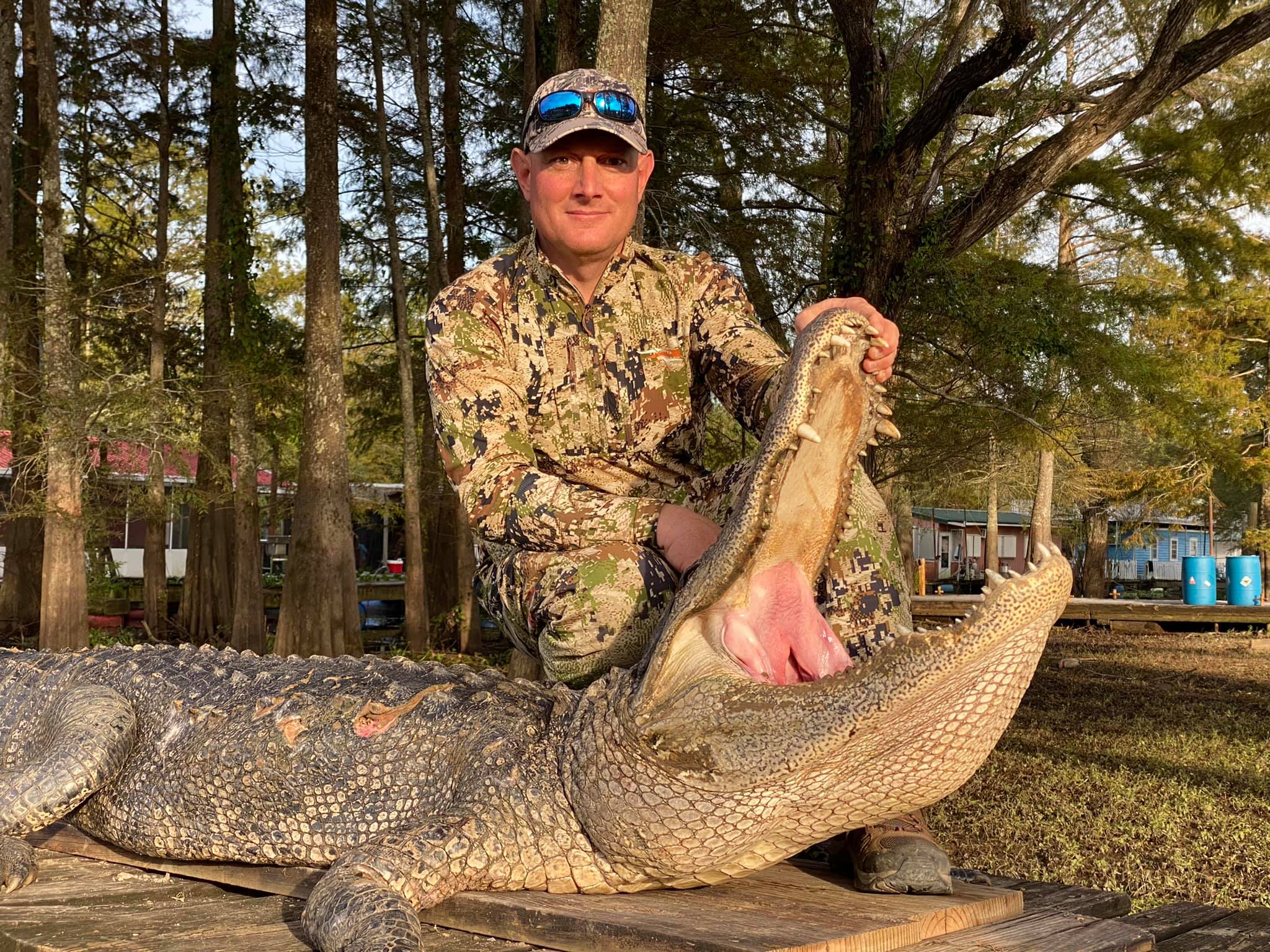
For those interested in the regulated harvesting of alligators, Louisiana has specific hunting seasons. These seasons are designed to manage the alligator population sustainably and are overseen by the Louisiana Department of Wildlife and Fisheries. The primary hunting season typically opens in early September and concludes by late October or early November, depending on the specific regulations for that year. This period is when licensed hunters can pursue alligators, primarily on private lands and also through a limited number of public lottery hunts. While this season is focused on hunting, it also signifies a time of peak alligator activity as they prepare for the cooler months.
When to Spot Alligators: The Best Viewing Months
If your primary goal is to observe alligators in their natural environment, whether on a guided swamp tour, a kayak adventure, or simply while exploring Louisiana’s waterways, the prime viewing months stretch from late spring through early fall. This period, generally from April/May through September/October, offers the most consistent opportunities for sightings.
During these months, the alligators are most active due to the warmer temperatures. They bask in the sun to regulate their body temperature, making them more visible on banks, logs, and in shallow waters. This is also when they are actively feeding and moving around. As the weather cools, particularly into November, alligators become less active, spending more time in burrows or submerged in deeper waters to conserve energy. Therefore, for the best chance of seeing these impressive creatures, plan your visit during the warmer, more active periods.
Experiencing Gator Encounters in Louisiana
Louisiana offers a plethora of ways to experience its iconic alligators, catering to a range of interests and adventure levels. From educational tours to immersive wildlife encounters, the state provides unforgettable opportunities to connect with nature.
Guided Swamp Tours: The Classic Gator Experience
One of the most popular and accessible ways to see alligators is through guided swamp tours. These tours operate throughout much of the year, but are most productive during the active gator season. Operators, often using flat-bottomed boats or airboats, navigate the intricate network of bayous, marshes, and swamps, providing expert commentary on the local flora and fauna, with a special focus on alligators.
Popular areas for these tours include the Atchafalaya Basin, near Lafayette, and the [Jean Lafitte National Historical Park and Preserve](https://lifeoutofthebox.com/jean- ને Lafitte-national-historical-park-and-preserve) near New Orleans. Many tour operators are skilled at locating alligators, often luring them closer with a gentle call or by tossing a morsel of food (though responsible tourism practices are emphasized, and feeding is often discouraged or regulated). Observing a majestic gator glide through the murky waters or basking on a cypress knee is a quintessential Louisiana experience.
Types of Swamp Tours:
- Airboat Tours: These thrilling tours offer a faster way to cover more ground and get deeper into the swamps. The distinctive roar of the airboat engine is an experience in itself, and the speed allows for traversing shallow waters inaccessible to other boats.
- Pontoon Boat Tours: For a more relaxed and family-friendly experience, pontoon boats provide a stable and comfortable platform for wildlife viewing. These tours often move at a slower pace, allowing for more leisurely observation and photography.
- Kayak and Canoe Tours: For the more adventurous, a self-guided or guided kayak or canoe tour offers an intimate encounter with the swamp. Paddling quietly allows for closer proximity to wildlife and a more immersive connection with the environment. These are best undertaken during the warmer months when alligators are more active and visible.
Beyond the Swamp: Other Opportunities for Sightings
While swamp tours are the most direct route to gator encounters, alligators can be spotted in various other natural settings across Louisiana during their active season.
- State Parks and Wildlife Refuges: Many of Louisiana’s state parks and wildlife refuges offer opportunities for wildlife viewing along their waterways. Audubon Nature Institute managed areas or Chicot State Park can be good places to explore. Look for trails that skirt lakes, rivers, and marshes. Always maintain a safe distance and observe from designated areas.
- Fishing and Boating: If you are engaging in recreational fishing or boating on Louisiana’s numerous lakes and rivers, keep an eye out for alligators along the shores or swimming in the water. However, prioritize safety and never approach or feed them.
- Louisiana Wildlife and Fisheries Areas: These areas are managed for the conservation of wildlife and often provide excellent viewing opportunities. Check with the Louisiana Department of Wildlife and Fisheries for specific recommendations and regulations regarding public access and viewing.
Planning Your Louisiana Trip for Gator Season
To make the most of your alligator encounters in Louisiana, careful planning is essential. This includes considering the best time to visit, what to pack, and how to ensure a safe and respectful experience.
Best Time to Visit
As established, the peak of gator activity and the most reliable viewing opportunities occur from late spring (April/May) through early fall (September/October).
- Spring (April-May): This is an excellent time to visit. The weather is warming up, and alligators are becoming increasingly active after their winter dormancy. The landscape is lush and vibrant, and crowds are generally smaller than during the summer peak.
- Summer (June-August): This is the warmest period, and alligators are very active. However, it can also be quite hot and humid, and this is the busiest tourist season, especially around New Orleans. Booking accommodations and tours in advance is highly recommended.
- Early Fall (September-October): This is another prime time. The temperatures are more moderate, the humidity decreases, and the alligators are still highly active as they prepare for winter. The autumn foliage can also add a beautiful backdrop to your wildlife viewing. This period also coincides with the hunting season, which means more staff and resources might be focused on alligator management, potentially enhancing tour availability and knowledge.
What to Pack and Prepare
When venturing out into the Louisiana swamps or waterways, packing appropriately is key to comfort and safety.
- Lightweight, breathable clothing: Due to the heat and humidity, opt for long-sleeved shirts and long pants made of quick-drying materials to protect against the sun and insects.
- Insect repellent: Mosquitoes and other biting insects can be prevalent, especially in the evenings and near water.
- Sunscreen, hat, and sunglasses: The sun can be intense, even on cloudy days.
- Waterproof bag: To protect your camera, phone, and other electronics from splashes or rain.
- Binoculars: For a closer look at alligators and other wildlife without disturbing them.
- Comfortable walking shoes or waterproof boots: Depending on the terrain and the type of tour.
- Camera: To capture the incredible sights!

Safety and Responsible Wildlife Viewing
Alligators are wild animals, and it is crucial to maintain a safe distance and observe them responsibly.
- Never feed alligators: Feeding wild alligators can make them accustomed to humans, leading to dangerous encounters. It is also often illegal.
- Keep your distance: Whether on a tour or exploring on your own, always maintain a safe distance from alligators. Never attempt to touch or approach them.
- Stay on designated paths and in boats: Avoid walking too close to the water’s edge, especially in areas where alligators are known to be present.
- Follow your guide’s instructions: If you are on a guided tour, listen carefully to your guide’s safety advice and recommendations.
- Be aware of your surroundings: Pay attention to where you are walking and what is around you, especially in low-light conditions.
By understanding the nuances of “gator season” and planning your trip accordingly, you can have an extraordinary adventure exploring the wild heart of Louisiana and witnessing its most iconic reptilian resident in its natural, magnificent glory.
LifeOutOfTheBox is a participant in the Amazon Services LLC Associates Program, an affiliate advertising program designed to provide a means for sites to earn advertising fees by advertising and linking to Amazon.com. Amazon, the Amazon logo, AmazonSupply, and the AmazonSupply logo are trademarks of Amazon.com, Inc. or its affiliates. As an Amazon Associate we earn affiliate commissions from qualifying purchases.