
Nestled off the coast of South Florida, just south of Miami Beach and east of Miami’s vibrant downtown, lies the enchanting island paradise of Key Biscayne. Often considered a serene oasis separate from the mainland’s hustle, this idyllic village in Florida offers a unique blend of natural beauty, upscale living, and a relaxed, family-friendly atmosphere. For those seeking sun-drenched beaches, lush parks, and a touch of island tranquility, understanding its precise location is the first step towards discovering one of Florida’s most cherished destinations. Key Biscayne isn’t just a dot on the map; it’s a meticulously preserved ecological treasure and a highly sought-after locale for both residents and discerning travelers, seamlessly connected to the mainland yet feeling worlds away.

Unveiling the Jewel of South Florida
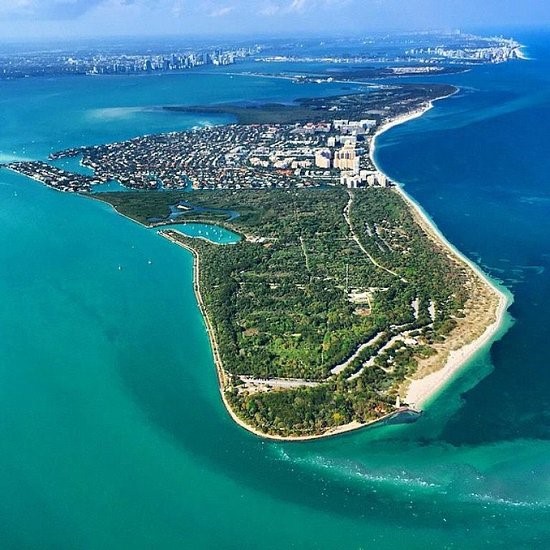
To truly appreciate Key Biscayne, one must first grasp its geographical significance. This barrier island, a testament to nature’s artistry, serves as a natural buffer between the expansive Atlantic Ocean and the tranquil waters of Biscayne Bay. Its strategic position not only affords breathtaking vistas but also influences its unique ecosystem and development.
Geographical Coordinates and Coastal Charm
Key Biscayne is situated at approximately 25.6983° N latitude and 80.1606° W longitude. It is the southernmost barrier island in the chain of islands along Miami-Dade County, accessible from the mainland via the scenic Rickenbacker Causeway. This causeway, a marvel of engineering, not only provides a vital link but also offers visitors their first glimpse of the stunning bay views that characterize the island. The journey across the causeway itself is an experience, transitioning from the urban sprawl of Miami to the palm-fringed tranquility of Key Biscayne. Its proximity to downtown Miami (just a 15-minute drive, traffic permitting) makes it incredibly convenient for travelers arriving at Miami International Airport or those looking to combine an urban adventure with a coastal retreat. Despite its accessibility, the island retains an exclusive and secluded feel, largely due to its commitment to preserving its natural environment and regulating development. The eastern shore faces the magnificent Atlantic Ocean, boasting pristine sandy beaches, while the western side is embraced by Biscayne Bay, offering calm waters ideal for various water sports and spectacular sunset views.
A Brief History and Unique Identity
The history of Key Biscayne is as rich and fascinating as its landscapes. Originally inhabited by the Tequesta Indians, the island later became a strategic point for Spanish explorers and American settlers. In the early 20th century, it began its transformation into a luxury resort destination, carefully balancing development with preservation. The island’s development has been guided by a strong community desire to maintain its unique character, prioritizing green spaces and low-density living. This commitment has shaped Key Biscayne into more than just a place; it’s a community with a distinct identity. Unlike many other Florida destinations that have succumbed to rapid, sprawling development, Key Biscayne has consciously cultivated an atmosphere of understated elegance and ecological responsibility. This identity is reflected in everything from its architecture to its local businesses, creating an environment that feels both sophisticated and inherently connected to nature.
Discovering Key Biscayne’s Natural Wonders
At the heart of Key Biscayne’s allure are its magnificent natural landscapes. The island is renowned for its commitment to conservation, boasting two spectacular parks that offer a plethora of outdoor activities and breathtaking scenery. These natural havens are not merely attractions but fundamental components of the island’s identity, drawing visitors keen to connect with Florida’s unparalleled biodiversity.
Bill Baggs Cape Florida State Park
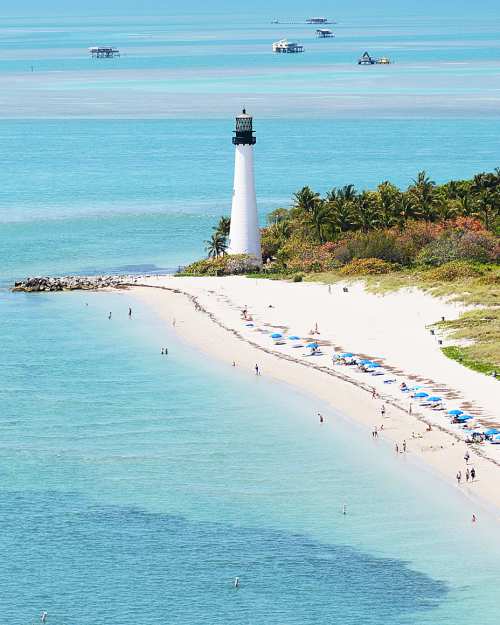
At the southernmost tip of the island lies the iconic Bill Baggs Cape Florida State Park, consistently ranked among the top beaches in the United States. This state park is a treasure trove of natural and historical significance. Its pristine, mile-long stretch of white sand beach offers calm, clear waters perfect for swimming, sunbathing, and leisurely strolls. Dominating the park’s landscape is the historic Cape Florida Lighthouse, built in 1825 and the oldest standing structure in Miami-Dade County. Visitors can climb its 109 steps for panoramic views of the Atlantic Ocean, Biscayne Bay, and the Key Biscayne coastline – a truly unforgettable experience. Beyond the beach and lighthouse, the park features extensive nature trails ideal for hiking and cycling, winding through lush tropical vegetation where one can spot native birds, butterflies, and even manatees in the bay waters. Shaded picnic areas and a waterfront restaurant, The Lighthouse Café, complete the experience, making it a perfect destination for a full day of exploration and relaxation.
Crandon Park
Moving north along Key Biscayne, one encounters Crandon Park, another expansive natural gem that offers a different yet equally captivating experience. This 800-acre urban park is famous for its two-mile long, crescent-shaped beach on the Atlantic Ocean side, protected by an offshore sandbar that creates calm, shallow lagoons ideal for families with young children. Crandon Park is more than just a beach; it’s a diverse ecological preserve encompassing mangroves, dunes, and a unique fossilized reef that can be explored at low tide. The park also houses the Crandon Park Tennis Center, once home to the Miami Open, and the Crandon Park Golf Course, offering championship-level play with stunning bay views. For nature enthusiasts, the Crandon Park Gardens showcase various tropical plants, while the Marjory Stoneman Douglas Biscayne Nature Center offers educational programs and guided eco-tours, allowing visitors to delve deeper into the local marine and coastal ecosystems.
Marine Life and Eco-Adventures
The waters surrounding Key Biscayne are teeming with vibrant marine life, making it a prime location for eco-adventures. The clear, warm waters of the Atlantic Ocean and Biscayne Bay provide ideal conditions for snorkeling and scuba diving, where colorful coral reefs and an abundance of fish species can be discovered. Kayaking and stand-up paddleboarding are popular ways to explore the serene mangrove tunnels and shallow bay areas, offering intimate encounters with wading birds, juvenile fish, and sometimes even gentle manatees or playful dolphins. Numerous local outfitters provide rentals and guided tours, ensuring that both novices and experienced adventurers can safely enjoy these aquatic pursuits. The commitment to preserving these natural habitats means that visitors are encouraged to engage responsibly, contributing to the long-term health of this delicate marine environment.
Experiencing the Island Lifestyle
Beyond its natural beauty, Key Biscayne offers a distinctive lifestyle that blends sophisticated leisure with a relaxed, community-oriented vibe. The island is not just a place to visit; it’s an experience, characterized by its unique blend of upscale amenities and laid-back charm.
Upscale Dining and Local Flavors
Key Biscayne’s culinary scene reflects its discerning clientele, offering a range of dining experiences from casual beachfront eateries to elegant fine-dining establishments. The island’s restaurants pride themselves on fresh seafood, drawing inspiration from both local Florida flavors and international cuisines. Visitors can savor everything from authentic Italian pasta and gourmet sushi to classic American dishes with a tropical twist. Many establishments offer al fresco dining, allowing guests to enjoy the pleasant South Florida weather and picturesque views. While specific restaurant names may vary over time, the consistent quality and emphasis on fresh, high-quality ingredients remain a hallmark of Key Biscayne’s gastronomic offerings, providing memorable meals for every palate.
Shopping and Leisure Activities
Shopping on Key Biscayne tends to be an intimate affair, featuring charming boutiques, specialty shops, and art galleries rather than sprawling malls. These establishments offer unique finds, from designer swimwear and resort wear to local artworks and artisanal gifts. For those seeking active leisure, the island provides ample opportunities. Aside from the aforementioned golf and tennis at Crandon Park, sailing and fishing charters are readily available, capitalizing on the excellent conditions of Biscayne Bay and the Atlantic Ocean. The island’s network of bike paths encourages cycling as a popular mode of transport and recreation, allowing visitors to explore its scenic routes at their own pace. Wellness and relaxation are also integral to the Key Biscayne lifestyle, with numerous spas and yoga studios offering rejuvenating experiences.
Family-Friendly Fun
Key Biscayne is an exceptional destination for families, offering a safe and engaging environment for all ages. The calm, shallow waters of Crandon Park are ideal for young children, while the interactive exhibits at the Marjory Stoneman Douglas Biscayne Nature Center provide educational entertainment. The parks offer playgrounds, picnic areas, and plenty of open space for children to run and play. Many of the island’s restaurants and accommodations cater specifically to families, ensuring a comfortable and welcoming stay. The overall relaxed pace and low traffic density make it a stress-free destination where families can create lasting memories together, whether building sandcastles, exploring nature trails, or enjoying a casual bike ride.
Planning Your Visit to Key Biscayne
A trip to Key Biscayne promises an enriching and serene getaway. Thoughtful planning ensures a seamless and enjoyable experience, allowing you to maximize your time in this beautiful island retreat.
Getting There
Accessing Key Biscayne is straightforward, primarily through Miami’s robust transportation infrastructure. The closest major airport is Miami International Airport (MIA), approximately a 25-minute drive away, depending on traffic. Fort Lauderdale-Hollywood International Airport (FLL) is also an option, located about 45 minutes to an hour north. From either airport, visitors can rent a car, take a taxi, or use ride-sharing services to reach the island. The only vehicular access to Key Biscayne is via the Rickenbacker Causeway, which charges a nominal toll. Once on the island, a car offers the most flexibility for exploring, though cycling is also a popular and pleasant way to navigate the relatively small island.
Accommodation Options
While Key Biscayne is not overflowing with hotels, it offers a selection of upscale resorts and a significant number of private vacation rentals, ranging from luxurious villas to charming condominiums. These options cater to different preferences, from full-service resort experiences with amenities like pools, spas, and dining, to more private, self-catering accommodations ideal for longer stays or families. Given the island’s popularity, especially during peak seasons, it is advisable to book accommodations well in advance to secure your preferred option and ensure the best rates. Each accommodation type provides a unique window into the island’s tranquil lifestyle, ensuring a comfortable base for your explorations.
Best Time to Visit and Local Tips
The ideal time to visit Key Biscayne is during the dry season, from November to April. During these months, the weather is pleasantly warm, with lower humidity and minimal rainfall, perfect for enjoying outdoor activities and the pristine beaches. The summer months (June to September) bring higher temperatures, humidity, and the possibility of afternoon thunderstorms and hurricane season. When packing, think light and breathable clothing, swimwear, sun protection (hats, sunglasses, reef-safe sunscreen), and comfortable walking shoes. Don’t forget insect repellent, especially if you plan to explore the nature trails. Embrace the relaxed pace, allow ample time for beach visits and park explorations, and consider renting bicycles to truly immerse yourself in the island’s charm.
Key Biscayne’s Role in the Larger Florida Experience
Key Biscayne holds a distinctive position within Florida’s vast array of travel destinations. It offers a counterpoint to the more bustling and overtly tourist-centric locales, providing a sanctuary that blends natural beauty with sophisticated living.
Proximity to Miami’s Urban Appeal
One of Key Biscayne’s greatest advantages is its convenient proximity to the vibrant metropolis of Miami. This allows visitors to enjoy the best of both worlds: the tranquility of an island retreat coupled with easy access to Miami’s world-class attractions. From Key Biscayne, a short drive across the Rickenbacker Causeway opens up a world of art and culture in neighborhoods like Wynwood and the Design District, the electric nightlife of South Beach, the luxury shopping of Brickell, and the diverse culinary scene that Miami is famous for. This unique geographical positioning makes Key Biscayne an ideal base for travelers who desire both serene relaxation and dynamic urban exploration, offering a perfect balance that enriches the overall Florida experience.
A Sanctuary from the Bustle
Ultimately, what sets Key Biscayne apart is its remarkable ability to feel like a secluded sanctuary, despite its immediate adjacency to a major global city. The island’s dedication to preserving its natural environment, its careful development, and its close-knit community foster an atmosphere of peace and exclusivity. Here, the rhythm of life slows down, inviting visitors to reconnect with nature, indulge in quiet pleasures, and simply breathe. It’s a place where pristine beaches meet lush landscapes, where history whispers from a lighthouse, and where the gentle lapping of waves creates the soundtrack to a perfect escape. For those wondering “Where is Key Biscayne Florida?”, the answer is not just a geographical location, but an invitation to discover a truly unique and unforgettable destination.
LifeOutOfTheBox is a participant in the Amazon Services LLC Associates Program, an affiliate advertising program designed to provide a means for sites to earn advertising fees by advertising and linking to Amazon.com. Amazon, the Amazon logo, AmazonSupply, and the AmazonSupply logo are trademarks of Amazon.com, Inc. or its affiliates. As an Amazon Associate we earn affiliate commissions from qualifying purchases.