
When you think of Louisiana, images of the vibrant New Orleans streets, the tantalizing aroma of Creole cuisine, and the lush, bayou landscapes likely come to mind. But beyond the sensory delights, the state also boasts a symbol of its natural beauty and enduring spirit: its state flower. Delving into the heart of Louisiana’s identity, its state flower represents more than just a pretty bloom; it embodies history, culture, and the unique botanical heritage of the Pelican State.
Understanding Louisiana’s state flower provides a fascinating glimpse into the state’s natural environment and its appreciation for flora. It’s a topic that resonates with nature enthusiasts, history buffs, and anyone planning a trip to explore the rich tapestry of Louisiana. From the iconic wetlands to the historic plantations, the state flower is a thread woven through its very essence.
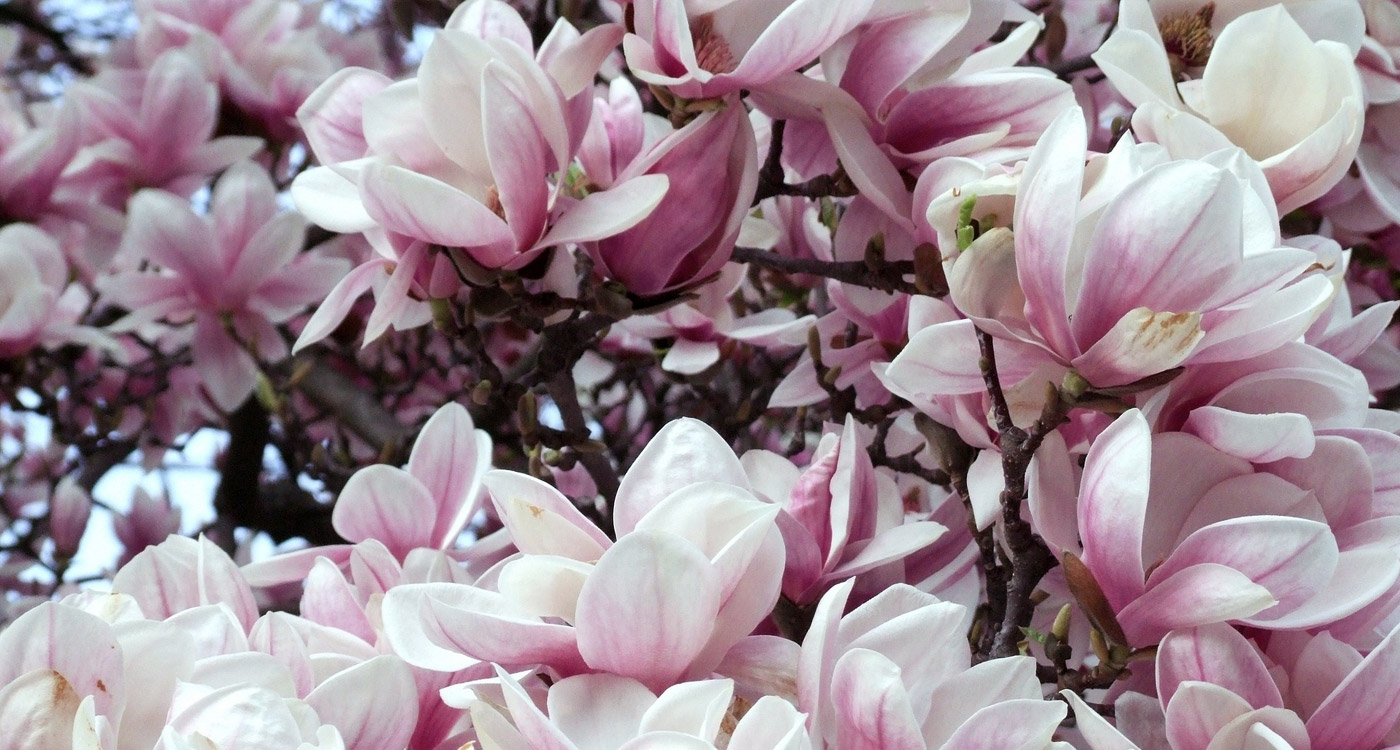
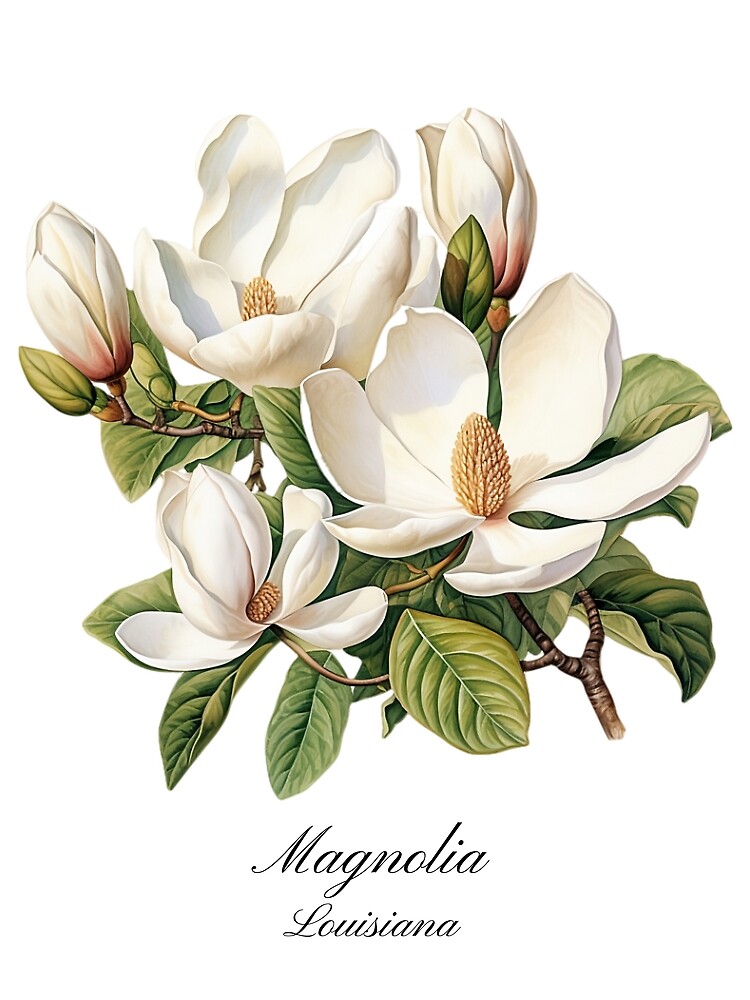
The Magnolia: Louisiana’s Emblem of Grace and Resilience
The official state flower of Louisiana is the Magnolia grandiflora, commonly known as the Southern Magnolia. This majestic tree, with its large, waxy white flowers and glossy evergreen leaves, is an iconic symbol of the American South. Its selection as Louisiana’s state flower is deeply rooted in its prevalence throughout the state and its association with the region’s natural charm and historical significance.
The Magnolia grandiflora is more than just a beautiful plant; it is a living testament to the enduring spirit of Louisiana. Its ability to thrive in the humid, subtropical climate and its stately presence evoke a sense of permanence and elegance. The tree’s blossoms, often several inches in diameter, emit a rich, sweet fragrance, particularly potent during the warm summer months, making them a sensory delight for any visitor.
A Symbol of Southern Charm and Identity
The Magnolia has long been associated with Southern identity, embodying grace, beauty, and a certain old-world charm. Its presence on countless antebellum estates and its depiction in Southern literature and art solidify its status as a cultural emblem. For Louisiana, the Magnolia is not just a flower; it’s a reminder of its heritage, its natural bounty, and the distinctive character that makes it unique among American states.
The decision to designate the Magnolia as the state flower was a deliberate act to honor a plant that is so intrinsically linked to the state’s landscape and its people. Its evergreen nature signifies resilience and constancy, qualities that resonate with the spirit of Louisiana, a state that has faced its share of challenges but continues to flourish with an unyielding spirit.
Historical Significance and Cultural Resonance
The history of the Magnolia in Louisiana is intertwined with the state’s development. Early settlers were captivated by its grandeur, and it quickly became a familiar and cherished part of the landscape. From sprawling plantations to modest gardens, the Magnolia tree has been a constant presence, offering shade and beauty. Its historical resonance extends to its role in the economic and agricultural past of the state, though its primary significance today is its symbolic value.
Culturally, the Magnolia has been a muse for artists, writers, and musicians. Its image is often used to evoke the romantic and picturesque aspects of the South. In Louisiana, it’s more than just a decorative element; it’s a part of the narrative of Southern life, a symbol that evokes nostalgia and pride. When tourists visit Louisiana, they often seek out these magnificent trees, drawn by their iconic status and the quintessential Southern atmosphere they represent.
Exploring Louisiana’s Natural Wonders: Beyond the State Flower
While the Magnolia takes center stage as Louisiana’s state flower, the state’s natural beauty extends far beyond this single, magnificent bloom. Louisiana is a land of diverse ecosystems, from the mysterious allure of the Atchafalaya Basin to the pristine shores along the Gulf Coast. For travelers seeking to immerse themselves in nature, the state offers a plethora of unforgettable experiences.
The state’s commitment to preserving its natural heritage is evident in its numerous state parks and wildlife refuges. These areas provide opportunities for a wide range of activities, allowing visitors to connect with the environment in meaningful ways. Whether you’re an avid birder, a keen hiker, or simply someone who appreciates the tranquility of nature, Louisiana’s landscapes have something to offer.
Bayou Exploration and Wildlife Encounters
The very word “bayou” conjures images of slow-moving waterways, cypress trees draped in Spanish moss, and a unique aquatic ecosystem. Exploring Louisiana’s bayous is an essential experience for any visitor. Guided boat tours, particularly in areas like the Atchafalaya Basin, offer an intimate look at this unique environment. Here, you can spot alligators basking in the sun, various species of wading birds, and a host of other fascinating wildlife that call these waters home.
Many tour operators offer excursions that delve deep into the heart of the bayous, providing insights into the ecology and the human history of these watery landscapes. Imagine gliding through narrow channels, the sounds of nature enveloping you, as your guide shares stories of life on the bayou. This immersive experience offers a profound connection to the natural world and a deeper understanding of Louisiana’s unique character. For accommodation near these natural wonders, consider exploring options in towns like Lafayette or Houma, where charming hotels and inns are often nestled amidst scenic surroundings.
Coastal Treasures and Wetland Ecosystems
Louisiana’s coastline is another vital part of its natural identity. Stretching along the Gulf of Mexico, these coastal areas are critical habitats for numerous species, including migratory birds and marine life. While parts of the coast have faced environmental challenges, ongoing conservation efforts are working to preserve and restore these valuable ecosystems.
Visiting coastal areas like Grand Isle or exploring the Jean Lafitte National Historical Park and Preserve allows visitors to witness the delicate balance of wetland environments. Birdwatching is particularly rewarding in these regions, with countless species making their journey through Louisiana’s wetlands. The unique flora and fauna found here contribute to the state’s biodiversity and underscore the importance of conservation. For those planning a coastal adventure, booking a stay at a beachfront resort or a charming guesthouse in a coastal town can enhance the experience, offering easy access to the natural beauty.
Planning Your Louisiana Adventure: Tourism and Accommodation
A journey to Louisiana promises a rich tapestry of experiences, from its vibrant cultural centers to its breathtaking natural landscapes. To make the most of your visit, understanding the state’s tourism offerings and accommodation options is key. Whether you’re drawn by the allure of New Orleans or the tranquility of its rural parishes, careful planning ensures a memorable trip.
Louisiana’s tourism industry is robust, offering a wide array of activities for every type of traveler. From exploring historic landmarks and indulging in world-renowned cuisine to experiencing live music and vibrant festivals, the state caters to diverse interests. The accessibility of information through tourism boards and travel websites makes planning easier, allowing visitors to craft an itinerary that perfectly suits their preferences.
Experiencing Louisiana’s Unique Culture and Cuisine
Louisiana’s cultural identity is as rich and flavorful as its renowned cuisine. The fusion of French, Spanish, African, and Caribbean influences has created a unique cultural mosaic that is evident in its music, art, festivals, and, of course, its food. A trip to Louisiana is incomplete without delving into these cultural offerings.
In New Orleans, the French Quarter is a must-visit, with its historic architecture, lively jazz clubs, and bustling markets. Beyond the iconic city, exploring smaller towns and rural communities reveals a different, yet equally captivating, side of Louisiana’s culture. Local festivals, often celebrating everything from crawfish to Mardi Gras, provide an authentic glimpse into the state’s vibrant traditions.
The culinary scene in Louisiana is legendary. From the sophisticated flavors of Creole cuisine in New Orleans to the hearty, rustic dishes of Cajun country, the food is a central part of the visitor experience. Sampling gumbo, jambalaya, beignets, and fresh seafood is an essential part of any trip. Many restaurants, from casual eateries to fine dining establishments, offer authentic Louisiana fare. For those interested in culinary tourism, taking a cooking class or embarking on a food tour can be an enriching experience. Consider staying in charming boutique hotels in New Orleans or cozy bed and breakfasts in the countryside to fully immerse yourself in the local atmosphere.

Accommodation Choices for Every Traveler
Louisiana offers a diverse range of accommodation options to suit every budget and travel style. Whether you’re looking for a luxurious resort experience, a charming boutique hotel, a family-friendly apartment, or a secluded villa, you’ll find it here. The state’s hospitality sector is well-developed, ensuring comfort and convenience for all visitors.
In New Orleans, you have a vast selection of hotels, from grand historic establishments in the French Quarter like the Hotel Monteleone to modern, stylish options in the Central Business District. For those seeking a more intimate experience, numerous bed and breakfasts and guesthouses offer unique charm and personalized service. Many accommodations in New Orleans boast amenities like rooftop pools with city views, excellent on-site dining, and easy access to major attractions such as the French Quarter and Bourbon Street.
Beyond New Orleans, smaller cities and towns across Louisiana offer their own distinctive lodging experiences. You can find charming inns and historic hotels that reflect the local character, particularly in areas known for their antebellum architecture or proximity to natural attractions. For families or groups, vacation rentals and apartments can provide more space and flexibility, allowing for a home-away-from-home feel. Long-term stays are also accommodated with a variety of serviced apartments and extended-stay hotels available. When choosing your accommodation, consider its proximity to the attractions you plan to visit, whether it’s the natural beauty of the Atchafalaya Basin, the historic sites of Baton Rouge, or the cultural hubs scattered throughout the state. Reviews and comparison websites can be invaluable in finding the perfect place to stay for your Louisiana adventure.
LifeOutOfTheBox is a participant in the Amazon Services LLC Associates Program, an affiliate advertising program designed to provide a means for sites to earn advertising fees by advertising and linking to Amazon.com. Amazon, the Amazon logo, AmazonSupply, and the AmazonSupply logo are trademarks of Amazon.com, Inc. or its affiliates. As an Amazon Associate we earn affiliate commissions from qualifying purchases.