
Navigating the financial landscape of any destination, especially when it involves spending money, can sometimes feel like deciphering an ancient scroll. For travelers and locals alike, understanding the intricacies of sales tax is a crucial part of budgeting and making informed purchasing decisions. When your travels bring you to the bustling metropolis of New York or its surrounding areas, a key question that often arises is: “What’s the sales tax in New York?” This guide aims to demystify the sales tax structure in the Empire State, covering state, local, and specific taxes that might impact your purchases, from the moment you book your stay at a charming hotel to enjoying a fine dining experience in Manhattan or exploring iconic landmarks.
Understanding the Layers of New York Sales Tax
At its core, New York operates on a multi-tiered sales tax system, combining state-level taxation with additional levies imposed by counties and, in some cases, cities and metropolitan transportation districts. This layered approach means the final sales tax rate can vary significantly depending on your precise location within the state. For instance, shopping in New York City will have a different overall rate than purchasing goods in a smaller town in upstate New York. Understanding these components is the first step to accurately calculating the tax on your purchases.
The Base State Sales Tax
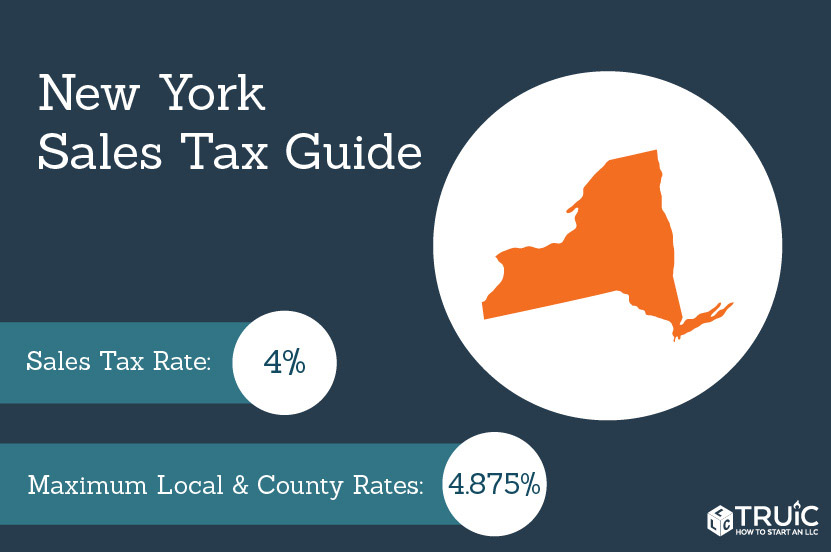
The foundation of New York’s sales tax is the state-level rate. As of recent data, the New York State sales tax rate stands at a steady 4%. This is the baseline that applies to most taxable goods and services across the entire state. Whether you’re picking up souvenirs at a shop near Times Square or buying groceries in a suburban supermarket, this 4% is the initial figure to consider. However, it’s crucial to remember that this is just the starting point, and the actual tax you pay will almost always be higher due to local additions.
Local Additions: County and City Taxes
This is where the complexity truly begins. In addition to the state’s 4%, counties in New York are authorized to impose their own local sales and use taxes. These rates vary from county to county, generally ranging from 0% to over 4%. For example, a county might opt to add an extra 3% to the state rate.
Furthermore, specific cities within those counties can also impose their own additional taxes. The most prominent example of this is New York City, which levies its own city sales tax on top of the state and New York County (Manhattan), Kings County (Brooklyn), Queens County, and Bronx County taxes. The combined rate in New York City is a significant figure, often cited as one of the highest in the nation.
Metropolitan Commuter Transportation District (MCTD) Tax
An additional layer that affects certain areas is the Metropolitan Commuter Transportation District (MCTD) tax. This tax is applied to sales within the 12 counties that comprise the MCTD, which includes New York City and its surrounding suburban counties. The MCTD tax adds another 0.375% to the sales tax rate in these designated areas. This means that even if a county doesn’t have a particularly high local sales tax, if it falls within the MCTD, the total rate will still be boosted by this transportation tax.
The Combined Effect: A Patchwork of Rates
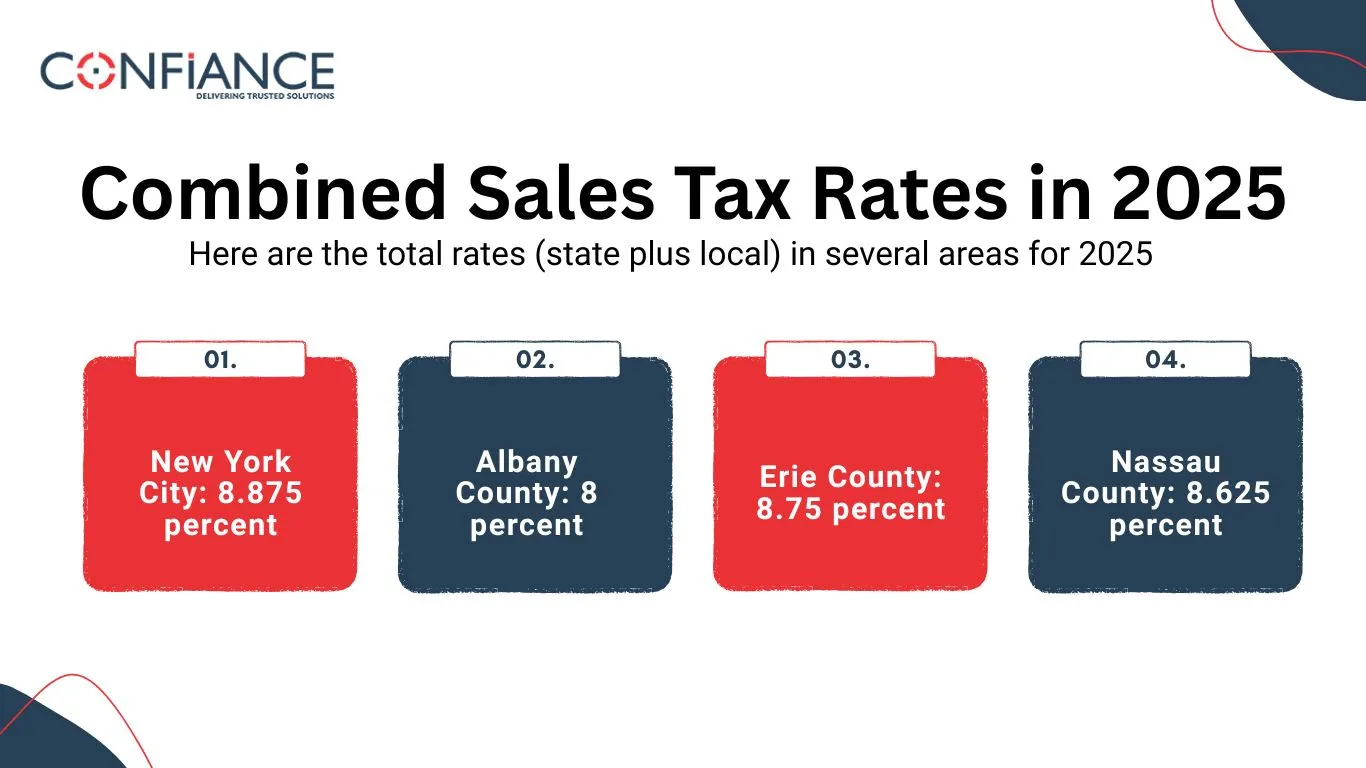
When you combine the state tax, county tax, city tax (if applicable), and the MCTD tax (if applicable), you get a mosaic of sales tax rates across New York. For instance, in New York City, the combined sales tax rate is currently 8.875%. This breaks down as:
- 4% State Sales Tax
- 4.5% Local Sales Tax (combining city and county)
- 0.375% Metropolitan Commuter Transportation District (MCTD) Tax
Outside of New York City, rates will differ. For example, in Albany County, the combined rate is 8% (4% state + 3% county + 1% city of Albany). In Erie County (where Buffalo is located), the rate is 8.75% (4% state + 4% county + 0.75% MCTD). These examples highlight the importance of checking the specific rate for the location where your transaction occurs. This is particularly relevant when booking accommodation at a resort outside the main urban centers or purchasing items during a day trip to a different part of the state.
Navigating Sales Tax on Specific Purchases
While the general sales tax applies to a wide array of goods and services, there are nuances and exceptions that shoppers should be aware of. Understanding what is and isn’t taxed can help you plan your spending, especially when indulging in the vibrant lifestyle offerings of New York.
Taxable Goods and Services
Generally, most tangible personal property and certain services are subject to New York sales tax. This includes:
- Clothing and footwear priced at $110 or less per item (items over $110 are taxed on the amount exceeding $110).
- Most prepared foods and beverages sold in restaurants and eateries.
- All tangible personal property, such as electronics, furniture, and souvenirs.
- Services like interior decorating, protection, and maintenance services.
- Admissions to places of amusement or entertainment, like Broadway shows or sporting events at stadiums like Yankee Stadium.
- Rental of hotel rooms and other accommodations.
When you book a stay at a luxury hotel like the Plaza Hotel or a budget-friendly apartment for a longer duration, the room rate itself will be subject to sales tax, along with any additional charges for services. Similarly, enjoying a delicious meal at a renowned restaurant or picking up a unique piece of art from a gallery in SoHo will incur sales tax on the final price.
Exemptions and Non-Taxable Items
Fortunately, not everything is subject to sales tax. Certain items and services are specifically exempted by New York State law. These exemptions are designed to ease the burden on consumers for essential goods or to encourage specific economic activities. Common exemptions include:
- Most groceries and food products purchased for consumption off-premises (e.g., items bought at a typical grocery store for home consumption).
- Prescription medications.
- Newspapers and magazines.
- Clothing and footwear priced at $110 or less per item (as mentioned, items over this threshold are taxed on the excess).
- Occasional sales by individuals not engaged in the business of selling those items.
- Certain services performed for tangible personal property that becomes an integral part of real property.
Understanding these exemptions can lead to significant savings, especially for longer stays or family trips where grocery shopping is a part of the itinerary. For example, if you’re staying in an apartment-style accommodation and plan to cook some meals, purchasing groceries from a local market will be a more tax-advantageous option than dining out for every meal.
Sales Tax on Accommodation and Tourism-Related Purchases
Given the website’s focus on travel, hotels, and tourism, it’s essential to delve into how sales tax impacts these specific areas of spending. From booking your room to enjoying local attractions and experiences, sales tax plays a role.
Hotel Taxes and Room Rates
When you book a room at a hotel, resort, apartment, or villa, the price you see is often before sales tax. The sales tax on hotel rooms in New York is typically the combined state, local, and MCTD rates, depending on the location. For instance, a hotel in New York City will be subject to the full 8.875% rate. This can add a substantial amount to your final bill, so it’s always wise to factor this into your budget travel plans or when comparing accommodation options. Some properties may offer packages that include taxes, while others will list them separately. Always check the detailed breakdown before confirming your booking. The amenities offered by your chosen lodging, from a suite at a luxury establishment to a resort with extensive facilities, do not typically incur separate sales tax unless they involve the purchase of taxable goods or services.
Tourism and Experiences
The vibrant tourism sector in New York offers a plethora of activities, from exploring world-renowned landmarks like the Statue of Liberty to immersing yourself in local culture. Most admission fees to these attractions, whether it’s for a museum like the Metropolitan Museum of Art, a visit to Niagara Falls, or a guided tour of historic sites, are subject to sales tax. Similarly, tickets for entertainment, performances, and sporting events will have sales tax added.
When purchasing souvenirs, dining at local restaurants, or engaging in paid experiences, always be prepared for the applicable sales tax to be added to the advertised price. This applies whether you’re on a family trip, a business stay, or seeking luxury travel experiences. Understanding the local tax rate for the specific destination you are visiting will help you budget effectively for these discretionary expenses. The tips and guides found on travel websites can often provide context on the general cost of living, including sales tax considerations, for various New York locales.
In conclusion, while the New York sales tax might seem complicated at first glance, breaking it down into its state, county, city, and special district components, and understanding what is taxed and what is exempt, empowers you to make more informed financial decisions. Whether you’re a visitor exploring the iconic architecture of New York City, a traveler seeking the natural beauty of its nature reserves, or a local resident making everyday purchases, a clear understanding of sales tax is an invaluable tool for smart spending.
LifeOutOfTheBox is a participant in the Amazon Services LLC Associates Program, an affiliate advertising program designed to provide a means for sites to earn advertising fees by advertising and linking to Amazon.com. Amazon, the Amazon logo, AmazonSupply, and the AmazonSupply logo are trademarks of Amazon.com, Inc. or its affiliates. As an Amazon Associate we earn affiliate commissions from qualifying purchases.