
Florida, widely known as the Sunshine State, evokes images of endless summer, sun-drenched beaches, and balmy breezes. This perception holds true for a significant portion of the year, making it a perennial favorite for travelers seeking warmth. However, even this subtropical paradise experiences a distinct seasonal shift, bringing cooler temperatures that surprise many first-time visitors. Understanding when Florida truly gets colder is crucial for planning your ideal trip, whether you’re seeking to escape the intense summer heat or simply wish to experience a different side of its diverse climate. This guide will delve into the nuances of Florida’s cooler seasons, helping you prepare for a comfortable and enjoyable visit.

The Sunshine State’s Seasonal Shift: A General Overview
While Florida is often associated with year-round warmth, it does indeed have a “winter” season. This period is characterized by lower humidity, clearer skies, and cooler average temperatures, offering a refreshing contrast to the sweltering heat of summer. The arrival of colder weather transforms the travel experience, opening up new possibilities for outdoor activities and comfortable exploration.
Dispelling the Eternal Summer Myth
Many envision Florida as perpetually hot, a misconception often reinforced by its tourism campaigns. While its southern reaches, particularly South Florida and The Keys, maintain a very mild climate even in winter, the northern and central parts of the state experience noticeable drops in temperature. This seasonal variability means that packing strategies and activity planning should adjust significantly depending on the time of year and your chosen destination within the state. Unlike regions further north, such as Canada, Florida’s cold is relative and rarely involves sustained, harsh winter conditions like heavy snow or prolonged freezing temperatures.
Defining “Colder” in the Florida Context
For Floridians and frequent visitors, “colder” is a relative term. It typically refers to daily high temperatures dipping into the 60s Fahrenheit (15-20°C) and nighttime lows potentially reaching the 40s or 30s Fahrenheit (4-9°C, or even below freezing in northern areas). This is a stark contrast to the summer months, where daily highs consistently hover in the upper 80s and 90s Fahrenheit (30-35°C) with oppressive humidity. The cooler air is often accompanied by refreshing breezes, especially along the coasts, making outdoor activities far more pleasant than during the humid summer.
Key Climatic Zones Across Florida
Florida’s elongated shape and proximity to both the Gulf of Mexico and the Atlantic Ocean create distinct climatic zones that experience the “colder” season differently.
- North Florida: This region, encompassing cities like Jacksonville, Tallahassee, and Pensacola, experiences the most pronounced winter, with occasional freezes and frosty mornings.
- Central Florida: Home to major attractions in Orlando and the vibrant city of Tampa, this area enjoys mild winters with cool nights but rarely sustained cold snaps.
- South Florida: Cities like Miami and the Florida Keys maintain a subtropical climate, where winter means pleasantly warm days and slightly cooler evenings, with cold fronts being relatively rare and short-lived.
A Month-by-Month Breakdown of Florida’s Cooler Weather
The transition to cooler weather in Florida is gradual, with specific months marking distinct shifts in temperature and atmospheric conditions.
November: The Gentle Introduction to Cool
November typically signals the end of hurricane season and the beginning of Florida’s dry, cooler period. Humidity levels drop noticeably, and daytime temperatures become incredibly pleasant, often ranging from the low to mid-70s Fahrenheit (21-24°C) across much of the state. Evenings begin to require a light jacket, especially in North Florida, as temperatures can dip into the 50s Fahrenheit (10-15°C). This month is often considered one of the best times to visit, offering comfortable weather without the peak winter crowds.
December: Winter’s Arrival, Florida Style
By December, the cooler temperatures are firmly established. While you won’t find snow, average daily highs across the state generally range from the mid-60s to low 70s Fahrenheit (18-23°C). North Florida may experience occasional dips into the 30s or 40s Fahrenheit (4-9°C) at night, necessitating warmer clothing. Central Florida remains mild, with nighttime lows often in the 50s Fahrenheit (10-15°C). South Florida and The Keys continue to enjoy pleasantly warm days, often in the mid-70s Fahrenheit (21-24°C), making it a popular escape for those seeking genuine warmth.
January: The Peak of Coolness
January is typically the coldest month in Florida. Average daily temperatures statewide can range from the low 60s to high 60s Fahrenheit (15-20°C). Cold fronts are more frequent during this month, occasionally bringing overnight lows into the 20s Fahrenheit (-6 to -1°C) in North Florida and the 30s-40s Fahrenheit (4-9°C) in Central Florida. Even Miami can see temperatures drop into the 50s Fahrenheit (10-15°C) on rare occasions. This is the month to pack layers, especially if you plan to explore different regions.
February: A Gradual Ascent Towards Spring
February sees a slow but steady warming trend. While still cool, especially in the first half of the month, average temperatures begin to creep up, often reaching the low to mid-70s Fahrenheit (21-24°C) by the end of the month. Cold fronts can still occur, but they tend to be less intense and shorter-lived than in January. North Florida will still experience chilly mornings, but the afternoons become increasingly pleasant.
March: The Transition Month
By March, Florida is firmly transitioning out of its cooler season. Spring Breakers flock to the beaches as temperatures consistently rise into the mid-70s to low 80s Fahrenheit (24-28°C) across most of the state. While occasional cooler fronts can still pass through, especially in early March, the predominant weather pattern leans towards warmth and increasing humidity, signaling the approach of summer.
Regional Variations in Florida’s Cooler Temperatures
Florida’s geography plays a significant role in how its cooler season manifests, creating distinct experiences from north to south.
North Florida: Experiencing True Winter Chill
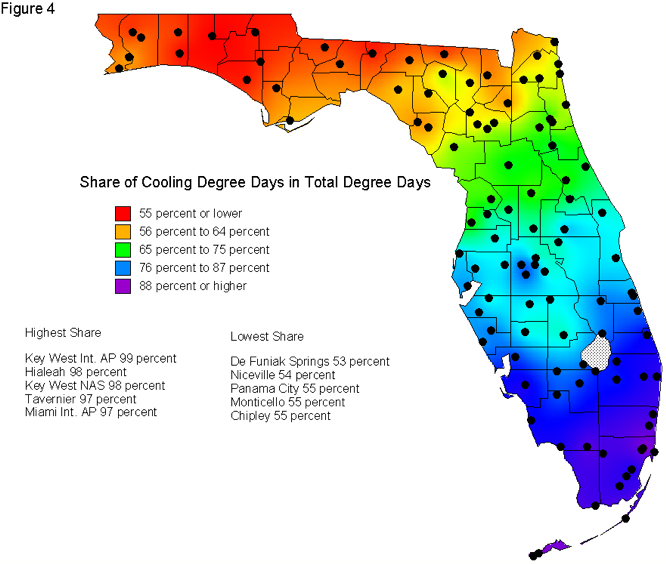
The Florida Panhandle and the northeastern part of the state, including cities like Tallahassee, Jacksonville, and St. Augustine, are the most susceptible to genuine winter weather. Here, it’s not uncommon to experience multiple freezes throughout the winter, with morning temperatures frequently dipping below 32°F (0°C). While snow is a rare occurrence, frost is common, and residents often need to take precautions for protecting pipes and plants. The overall climate during these months feels more akin to a mild Southern winter than the subtropical warmth people typically associate with Florida.
Central Florida: A Milder, Yet Noticeable Cool
Home to popular theme parks like Walt Disney World Resort and Universal Orlando Resort, Central Florida enjoys a pleasant, mild winter. Daytime temperatures typically range from the 60s to low 70s Fahrenheit (15-23°C), creating ideal conditions for outdoor activities and park visits. While cold snaps can bring temperatures into the 30s Fahrenheit (4°C) overnight, they are usually short-lived. These cooler temperatures mean you can enjoy attractions without the intense heat and humidity, although popular spots like Busch Gardens Tampa Bay might still experience crowds during holiday periods.
South Florida and The Keys: Where Winter Whispers
The southernmost tip of Florida, including Miami, Fort Lauderdale, and the Florida Keys, experiences the least amount of “cold.” Here, winter feels more like a comfortable extension of spring or early autumn for those from northern climates. Average daily highs usually stay in the 70s Fahrenheit (21-26°C), and even nighttime lows rarely dip below the 50s Fahrenheit (10-15°C). Brief cold fronts, often originating from North America, might bring temperatures down for a day or two, but they quickly rebound. This region is a prime destination for those who truly want to escape winter entirely and enjoy activities like sunbathing on South Beach or snorkeling.
Coastal vs. Inland Influences
Coastal areas across Florida, due to the moderating effect of the Atlantic Ocean and the Gulf of Mexico, generally experience slightly milder temperatures and less extreme lows compared to inland regions. The large bodies of water help to retain heat, preventing drastic temperature drops at night. Inland areas, particularly those further north, tend to cool down more significantly after sunset, making for crisper, colder evenings.
Planning Your Florida Trip Around the Cooler Weather
Visiting Florida during its cooler months offers a distinct set of advantages and requires thoughtful planning.
Best Activities for Cooler Months
The cooler, drier weather is perfect for activities that might be uncomfortable in the summer heat.
- Theme Park Exploration: Longer days of walking and waiting in lines at Walt Disney World Resort or Universal Orlando Resort become much more enjoyable.
- Outdoor Adventures: Hiking, biking, and exploring natural areas like Everglades National Park are fantastic.
- Golf and Tennis: Conditions are ideal for these popular sports.
- Wildlife Viewing: Manatees famously congregate in warmer springs during cooler weather, offering excellent viewing opportunities.
- Festival Season: Many of Florida’s outdoor festivals and art shows take place during these months.
What to Pack for Florida’s Winter
Layers are key when visiting Florida in its cooler months. While you might enjoy warm sunshine during the day, evenings can get chilly quickly. Pack light sweaters, long-sleeved shirts, jeans or comfortable pants, and a medium-weight jacket. For North Florida, consider a warmer coat, especially for early mornings and late nights. Don’t forget your swimwear for heated pools or warmer southern beaches, as well as comfortable walking shoes.
Advantages of Visiting During Cooler Seasons
Beyond comfortable temperatures, visiting during the cooler months offers several perks. The dry season typically means less rain, more sunshine, and lower humidity. This translates to fewer bug issues, clearer skies for photography, and a generally more pleasant atmosphere. It’s also an excellent time for snowbirds and those escaping harsh northern winters to enjoy a comfortable reprieve.
Avoiding the Crowds (and Embracing Them)
While generally less crowded than the summer peak, Florida’s cooler months still see significant tourism. The period from Thanksgiving through Easter is very popular, especially around holidays like Christmas, New Year’s, and Spring Break. Planning well in advance for accommodation and attractions is advisable. However, the shoulder months of November and early December, as well as late January and February (outside of President’s Day weekend), can offer a sweet spot of great weather and slightly fewer crowds.
Preparing for Unexpected Cold Snaps
Despite its reputation, Florida can occasionally experience sudden and significant drops in temperature, even in its southern regions.
The Phenomenon of Arctic Blasts
On rare occasions, strong arctic air masses can push far south into Florida, bringing with them unexpectedly cold temperatures. While infrequent, these cold snaps can cause temperatures to plummet into the 20s and 30s Fahrenheit (-6 to 4°C) across much of the state, and even South Florida can see lows in the 40s Fahrenheit (4-9°C). These events are typically short-lived, lasting only a few days, but they can catch unprepared travelers off guard.
Monitoring Weather Forecasts
The best defense against an unexpected cold snap is vigilance. Always monitor local weather forecasts for your specific destination, especially if traveling between December and February. Modern weather apps provide accurate, real-time updates that can help you adjust your plans or packing last minute.

Local Adaptations and Enjoying the Chill
When a cold snap hits, locals in Florida tend to embrace it with enthusiasm. You’ll see people pulling out their seldom-used winter coats, enjoying outdoor fires, and sipping hot cocoa. Embrace the novelty! While a few attractions might close water features for safety, most operations continue as usual. The clear, crisp air during these periods can be incredibly invigorating, offering a unique perspective on the Sunshine State.
In conclusion, “colder” in Florida is a fascinating and often misunderstood aspect of its climate. The period from November through March offers a refreshing alternative to the intense summer heat, with regional variations creating diverse experiences. By understanding these seasonal shifts and planning accordingly, travelers can unlock a richer, more comfortable, and equally captivating side of this beloved destination.
LifeOutOfTheBox is a participant in the Amazon Services LLC Associates Program, an affiliate advertising program designed to provide a means for sites to earn advertising fees by advertising and linking to Amazon.com. Amazon, the Amazon logo, AmazonSupply, and the AmazonSupply logo are trademarks of Amazon.com, Inc. or its affiliates. As an Amazon Associate we earn affiliate commissions from qualifying purchases.