
The question of how far is Sonoma from San Francisco is a common one for travelers and locals alike. Whether you’re planning a day trip, a weekend getaway, or an extended wine country escape, understanding the distance and travel time is crucial for efficient planning. Sonoma, a region renowned for its world-class wineries, picturesque landscapes, and charming towns, offers a delightful contrast to the urban energy of San Francisco. This article will delve into the nuances of this journey, exploring various routes, modes of transportation, and the factors that influence travel time, all while highlighting the rich tapestry of experiences awaiting you in Sonoma.
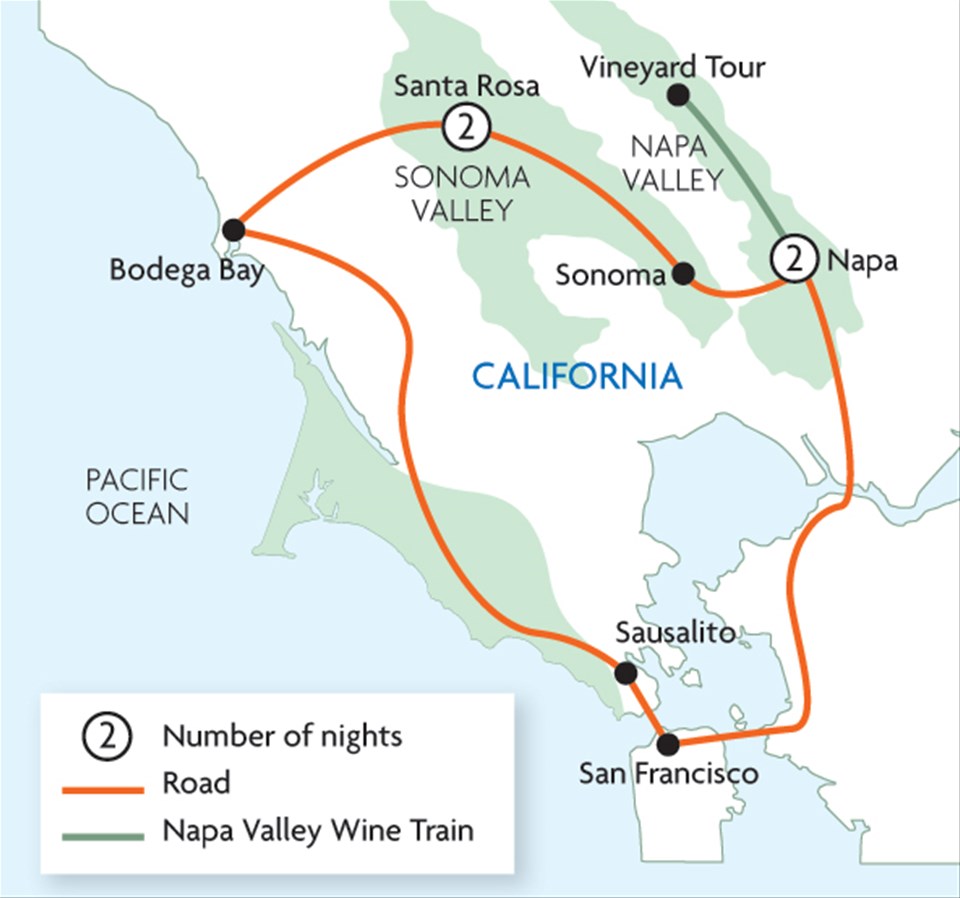
The distance between San Francisco and Sonoma is not a single, fixed number. It varies depending on your specific starting point in San Francisco and your exact destination within Sonoma County. However, generally speaking, the most direct routes place Sonoma approximately 45 to 60 miles north of San Francisco. This translates to an average driving time of about 1 to 1.5 hours, assuming moderate traffic conditions.
Understanding the Travel Routes and Times
Navigating the route from San Francisco to Sonoma involves crossing the iconic Golden Gate Bridge and then heading north through Marin County before entering Sonoma County. The most common and often the most scenic route involves taking US-101 North from San Francisco.
The Golden Gate Bridge and Northbound Journey
Your journey will likely begin by crossing the Golden Gate Bridge, a truly unforgettable experience that offers breathtaking panoramic views of San Francisco Bay, the Pacific Ocean, and the Marin Headlands. The bridge itself is a landmark, a marvel of engineering and a symbol of the Bay Area. Once you’ve crossed the bridge, you’ll continue on US-101 North. This freeway will guide you through the rolling hills of Marin County, a region known for its natural beauty and relaxed pace of life.
As you progress north on US-101, you’ll eventually need to exit towards Sonoma. The specific exit will depend on your final destination within Sonoma County. For the city of Sonoma, you’ll typically take State Route 37 East towards Vallejo, then exit onto State Route 121 North, which will lead you directly into the heart of Sonoma. This route offers a pleasant drive, with vineyards gradually appearing on the horizon as you approach your destination.
Another common route for reaching other parts of Sonoma County, such as the town of Healdsburg or the Russian River Valley, involves staying on US-101 North for longer. From US-101 North, you would take exits such as State Route 116 West for destinations like Guerneville or continue further north to exits for Healdsburg or Cloverdale.
Factors Influencing Travel Time
Several factors can significantly influence the travel time between San Francisco and Sonoma:
- Traffic: This is perhaps the most significant variable. During peak commuting hours, especially on weekday mornings and evenings, traffic on US-101 and the Golden Gate Bridge can be substantial. Expect delays of 30 minutes or more during these times. Weekends can also see increased traffic, particularly on Friday afternoons and Sunday evenings as people travel to and from wine country.
- Time of Day: Traveling outside of peak hours will generally result in a smoother and quicker journey. Mid-morning or early afternoon on weekdays are often the best times to travel.
- Day of the Week: As mentioned, Fridays and Sundays can be particularly busy due to weekend travel.
- Specific Destination within Sonoma: Sonoma County is a large and diverse region. Driving to the city of Sonoma is different from driving to Healdsburg, Cloverdale, or the coastal towns of Bodega Bay or Guerneville. The further north or west you go, the longer your drive will be.
- Weather Conditions: While less common, fog, especially during the summer months, can impact visibility and slow down traffic. Heavy rain can also lead to slower driving speeds.
Estimated Driving Times to Key Sonoma Locations:
- San Francisco to Sonoma (City): Approximately 1 hour to 1 hour 30 minutes (45-50 miles).
- San Francisco to Healdsburg: Approximately 1 hour 30 minutes to 2 hours (70-75 miles).
- San Francisco to Santa Rosa: Approximately 1 hour 15 minutes to 1 hour 45 minutes (60-65 miles).
- San Francisco to Guerneville: Approximately 1 hour 45 minutes to 2 hours 15 minutes (75-80 miles).
Exploring Transportation Options Beyond Driving
While driving your own vehicle or a rental car is the most common way to travel from San Francisco to Sonoma, other transportation options are available, each with its own advantages. These can be particularly appealing for those who wish to indulge in wine tasting without the concern of driving.
Ride-Sharing and Taxis
Ride-sharing services like Uber and Lyft operate extensively in both San Francisco and Sonoma. For a direct trip, this can be a convenient option, especially if you plan on visiting multiple wineries. However, the cost can add up, and availability might be more limited in more remote parts of Sonoma. Booking in advance is highly recommended for longer trips or for specific times. Similarly, traditional taxi services can be arranged, though they are often more expensive than ride-sharing options.
Private Drivers and Limousine Services
For a luxurious and worry-free experience, hiring a private driver or a limousine service is an excellent choice. Many companies in the Bay Area specialize in wine tours and offer customized itineraries. This allows you to relax, enjoy the scenery, and sample wines without any concerns about navigation or driving. While this is the most expensive option, it offers unparalleled comfort and convenience for special occasions or for those who prioritize a premium travel experience.
Public Transportation (Limited but Possible)
Public transportation from San Francisco to Sonoma is more challenging but not impossible, especially if you’re willing to combine different modes and have some flexibility.
- Ferry to Vallejo and Bus: You can take a ferry from the Ferry Building in San Francisco to Vallejo. From Vallejo, you can then catch a bus (such as the VINE Transit) that connects to Sonoma County. This route requires transfers and can be time-consuming, but it offers a unique perspective of the Bay and can be a budget-friendly option.
- Bus Services: While direct bus routes are less common, some intercity bus services might offer connections, often with transfers. Researching specific bus companies like Mendocino Transit or Sonoma County Transit in conjunction with San Francisco-based services will be necessary to piece together a viable public transport journey.
Considerations for Public Transportation:
- Time Commitment: Public transportation will almost always take significantly longer than driving.
- Flexibility: Your itinerary will be dictated by bus and ferry schedules, limiting spontaneity.
- Luggage: Traveling with multiple bags can be cumbersome on public transport.
- Accessibility: Reaching specific wineries from bus stops might require additional local transportation or significant walking.
For most visitors, particularly those looking to explore multiple wineries and enjoy the freedom of their own schedule, driving or hiring a private driver remains the most practical and popular choice.
Experiencing Sonoma: Beyond the Distance
The question of “How far is Sonoma from San Francisco?” is more than just a geographical inquiry; it’s an invitation to explore a region that offers a distinct and enriching travel experience. The relatively short distance makes Sonoma an accessible escape for a wide range of travelers.
The Allure of Sonoma’s Wine Country
Sonoma County is globally recognized as a premier wine-producing region, boasting over 400 wineries. The landscape is a breathtaking panorama of rolling vineyards, oak-studded hills, and verdant valleys. Each appellation within Sonoma – from the celebrated Russian River Valley known for its Pinot Noir and Chardonnay, to the warmer Alexander Valley renowned for its Cabernet Sauvignon, and the coastal areas producing crisp Sauvignon Blanc – offers unique terroir and distinct wine styles.
When you travel from San Francisco, you’re not just traversing miles; you’re entering a world of sensory delights. The journey itself can be part of the experience, with scenic drives revealing charming towns, artisanal food producers, and unparalleled natural beauty.
Charming Towns and Local Culture
Beyond the vineyards, Sonoma County is dotted with picturesque towns, each with its own unique character and appeal.
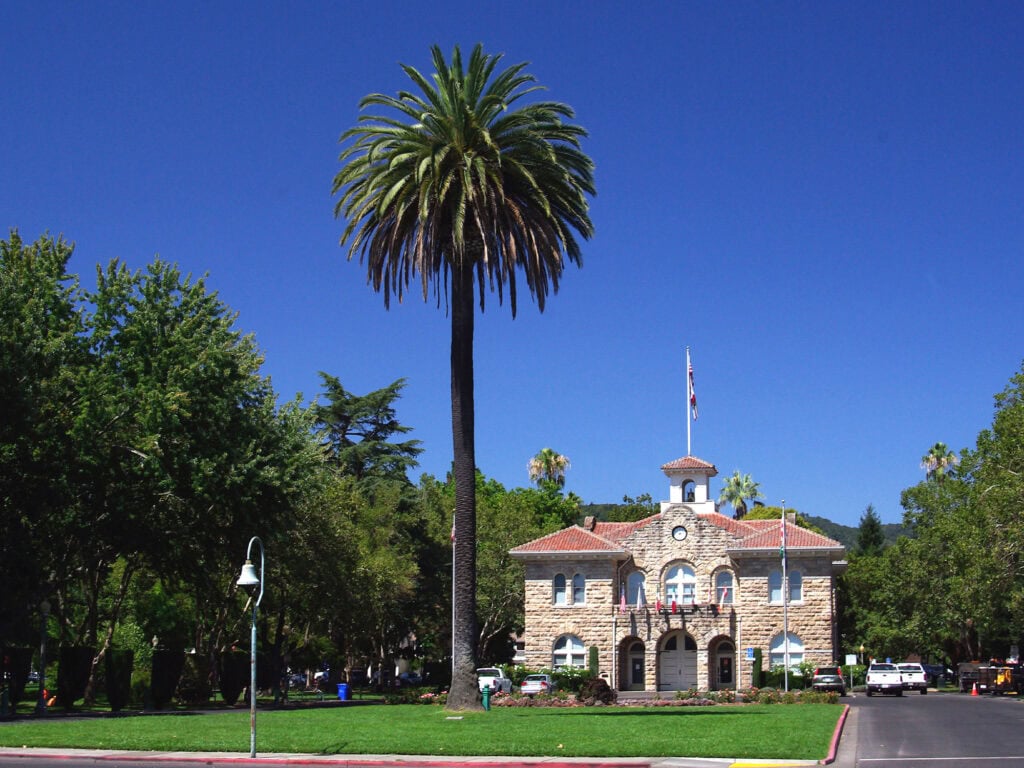
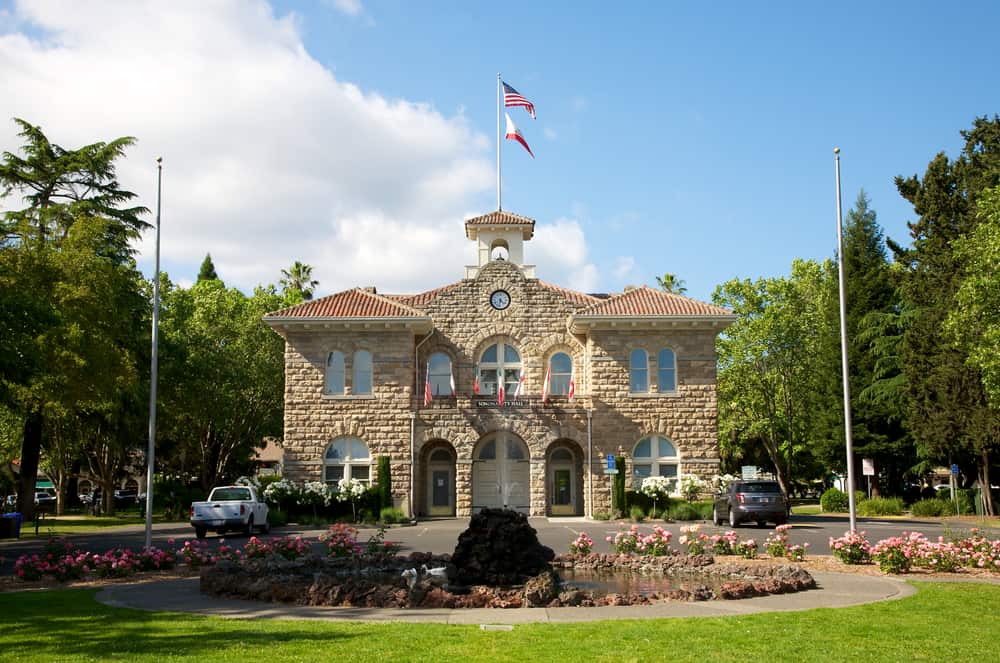
- Sonoma: The historic town of Sonoma is a must-visit. Its centerpiece is the Sonoma Plaza, the largest plaza in California, surrounded by historic adobes, boutiques, restaurants, and tasting rooms. The Mission San Francisco Solano, the last and northernmost of the California missions, is also located here, offering a glimpse into the region’s rich history.
- Healdsburg: Nestled in the heart of wine country, Healdsburg is known for its vibrant downtown square, its burgeoning culinary scene, and its proximity to some of the county’s finest wineries. The town exudes a sophisticated yet relaxed atmosphere.
- Santa Rosa: The largest city in Sonoma County, Santa Rosa offers a more urban feel with a wide array of dining, shopping, and entertainment options. It serves as a convenient hub for exploring the surrounding wine regions.
- Guerneville: Located along the scenic Russian River, Guerneville is a charming town that appeals to nature lovers and those seeking a more laid-back experience. The area is also known for its towering redwood forests.
Exploring these towns allows you to immerse yourself in the local culture, discover artisanal crafts, and savor the farm-to-table culinary traditions that have become synonymous with Sonoma.
Nature and Outdoor Adventures
Sonoma County’s appeal extends far beyond its wineries. The region is blessed with diverse natural landscapes offering ample opportunities for outdoor recreation.
- Redwood Forests: Majestic redwood groves, such as those found in Armstrong Redwoods State Natural Reserve near Guerneville, offer a truly awe-inspiring experience. Walking among these ancient giants is a humbling and unforgettable encounter with nature.
- Coastal Beauty: The Sonoma Coast, with its dramatic cliffs, sandy beaches, and rugged coastline, provides stunning vistas and opportunities for hiking, tide pooling, and whale watching (during migration season). Bodega Bay is a popular coastal destination known for its fishing heritage and picturesque harbor.
- State Parks and Trails: Numerous state parks and hiking trails crisscross Sonoma County, offering everything from gentle walks through vineyards to challenging climbs with panoramic views. Sugarloaf Ridge State Park and Jack London State Historic Park are just two examples of the diverse natural areas awaiting exploration.
The relatively short distance from San Francisco to Sonoma makes it an ideal destination for a quick escape or a more in-depth exploration of wine, food, culture, and nature. Understanding the travel dynamics allows for a smoother, more enjoyable journey, paving the way for unforgettable experiences in this enchanting corner of California.
LifeOutOfTheBox is a participant in the Amazon Services LLC Associates Program, an affiliate advertising program designed to provide a means for sites to earn advertising fees by advertising and linking to Amazon.com. Amazon, the Amazon logo, AmazonSupply, and the AmazonSupply logo are trademarks of Amazon.com, Inc. or its affiliates. As an Amazon Associate we earn affiliate commissions from qualifying purchases.