
The allure of New Orleans, Louisiana is undeniable. This vibrant city, steeped in a rich tapestry of history, music, and unparalleled cuisine, beckons travelers from across the globe. Whether you’re drawn by the soulful rhythms of jazz echoing through the streets, the intoxicating aroma of Creole and Cajun delicacies, or the captivating architecture of the French Quarter, New Orleans promises an unforgettable experience. As you plan your escape to this unique Southern gem, understanding its climate is a crucial step in curating the perfect itinerary. The temperature in New Orleans, Louisiana plays a significant role in shaping the city’s atmosphere and the types of activities best enjoyed during different times of the year. From steamy summer days perfect for cool jazz clubs to mild winter evenings ideal for exploring historic landmarks, knowing what to expect weather-wise will ensure you pack accordingly and make the most of your travel adventure.
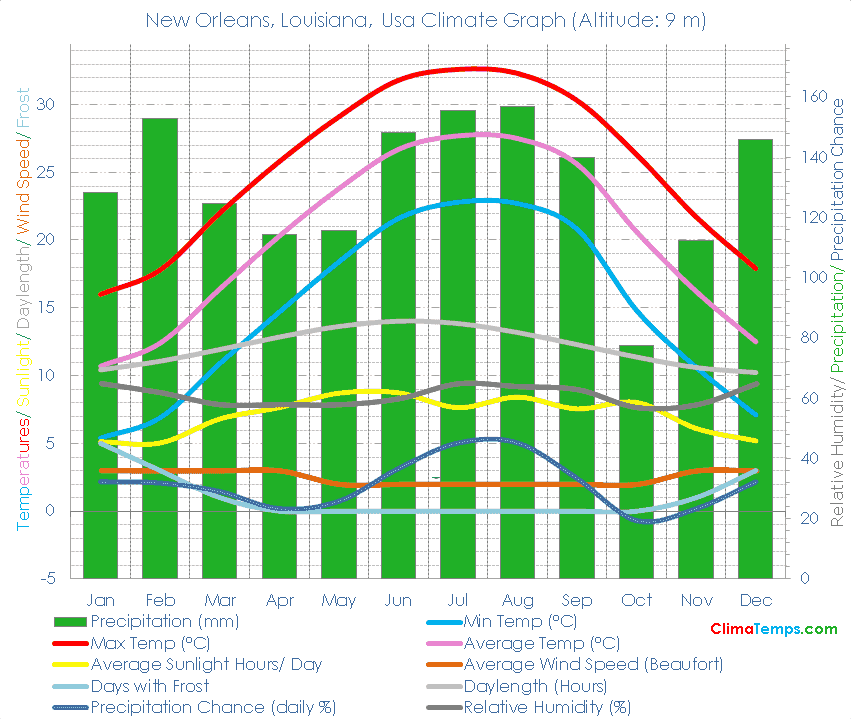
The humid subtropical climate of New Orleans means that temperatures can fluctuate significantly throughout the year, influenced by its proximity to the Gulf of Mexico and the Mississippi River. This article delves into the nuances of the city’s climate, providing insights into average temperatures, seasonal variations, and how the weather can impact your tourism experience. We’ll explore the best times to visit for specific activities, consider how the weather influences accommodations and lifestyle choices, and offer practical tips for navigating New Orleans regardless of the mercury’s reading.
Understanding New Orleans’ Climate: A Seasonal Breakdown
New Orleans, Louisiana experiences a distinct four-season cycle, though the transitions can be gradual, and the defining characteristic for much of the year is its humidity. Understanding these seasonal variations is key to planning a trip that aligns with your preferences, whether you’re seeking outdoor adventures, lively festivals, or cozy indoor experiences.
Summer: The Hot and Humid Embrace
From June through August, New Orleans enters its summer phase, characterized by high temperatures and significant humidity. Average daytime temperatures often hover in the high 80s and low 90s Fahrenheit (around 30-33°C), but the oppressive humidity can make it feel considerably hotter. The “heat index” can easily reach the triple digits, especially during the afternoon. Rainfall is frequent during the summer, often in the form of short, intense thunderstorms that typically occur in the late afternoon or early evening. These downpours offer a temporary reprieve from the heat but can also lead to localized flooding in low-lying areas.
Despite the heat, summer is a vibrant time to visit. It’s an excellent period for immersing yourself in the city’s famous nightlife, exploring air-conditioned museums, and enjoying the abundance of indoor dining experiences that showcase the best of New Orleans cuisine. Many iconic attractions like the Aquarium of the Americas or the National WWII Museum offer cool respite. For those who don’t mind the heat, early mornings and late evenings can be pleasant for strolling through the French Quarter or enjoying a leisurely boat tour on the Mississippi River. When choosing accommodations, prioritize places with effective air conditioning; many hotels and resorts boast refreshing pools that are perfect for cooling off.
Autumn: A Welcome Crispness
September marks the beginning of a gradual shift towards autumn, generally considered one of the most pleasant times to visit New Orleans, Louisiana. While the heat and humidity of summer linger into early fall, by October and November, temperatures become significantly more comfortable. Average daytime highs in October are typically in the mid-70s Fahrenheit (around 24°C), and by November, they settle into the comfortable low 70s (around 21-22°C). Evenings tend to be cooler, offering a welcome crispness that invites exploration. Rainfall decreases compared to the summer months, and the humidity begins to subside, making outdoor activities far more enjoyable.
This season is ideal for extended periods of walking and exploring the city’s diverse neighborhoods. It’s perfect for experiencing guided tours of the historic Garden District, exploring the cemeteries, or taking a swamp tour through the surrounding bayous. The fall also brings a rich cultural calendar, with events like the Voodoo Music + Arts Experience often taking place in late October. For luxury travel enthusiasts, autumn offers a perfect climate for indulging in fine dining and enjoying the city’s sophisticated atmosphere.
Winter: Mild and Pleasant
Winter in New Orleans is a far cry from the harsh freezes experienced in many other parts of the country. From December through February, the city enjoys mild temperatures, making it an attractive destination during the cooler months. Average daytime temperatures typically range from the mid-50s to the low 60s Fahrenheit (around 13-17°C). While occasional cold fronts can bring temperatures down into the 40s Fahrenheit (around 5-9°C), prolonged periods of freezing weather are rare. Humidity is at its lowest during winter, and while occasional rain showers do occur, they are usually brief.
Winter is an excellent time for budget travel in New Orleans as hotel rates can be lower compared to peak seasons. The mild weather is conducive to exploring the city’s architecture and history at a relaxed pace. It’s also the lead-up to the city’s most famous celebration: Mardi Gras. Even if you don’t visit during the actual parade days, the festive spirit begins to build in the weeks prior, offering a unique cultural experience. Indoor activities, such as visiting the New Orleans Museum of Art or enjoying world-class performances at the Mahalia Jackson Theatre for the Performing Arts, are particularly appealing during the cooler months.
Spring: Blooming and Invigorating
Spring, from March to May, brings a delightful transformation to New Orleans, Louisiana. The city awakens with blooming flora, and the temperatures become increasingly warm and pleasant. March and April often see average daytime temperatures in the comfortable 70s Fahrenheit (around 21-26°C), with evenings remaining mild. As May arrives, temperatures begin to climb, nearing summer levels, and humidity starts to increase. Rainfall can be moderate during this period.
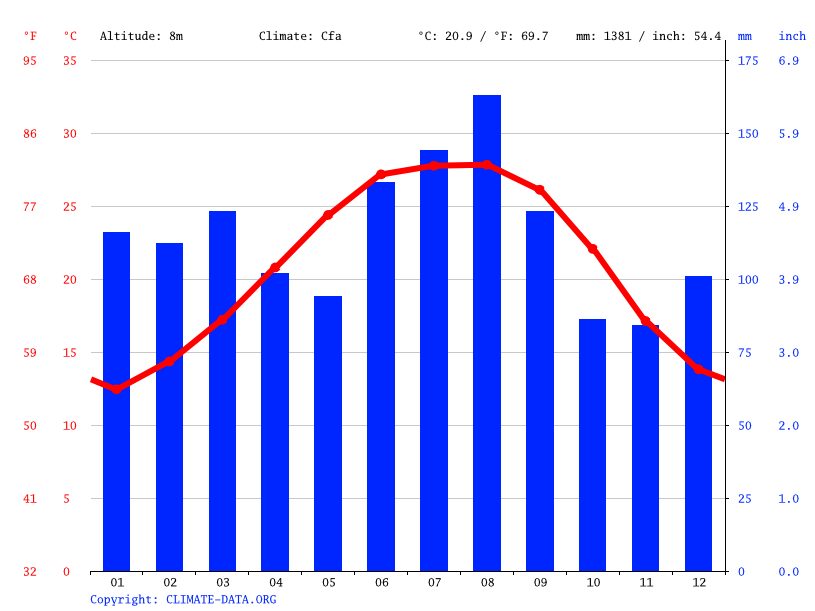
Spring is arguably the peak season for many visitors due to the perfect balance of temperature and sunshine. It’s an ideal time for outdoor festivals, including the renowned New Orleans Jazz & Heritage Festival held in late April. The charming streets of the French Quarter and the elegant avenues of the Garden District are perfect for leisurely strolls, with blooming azaleas and magnolias adding to the picturesque scenery. This season is perfect for families looking for engaging outdoor activities and for couples seeking romantic experiences. Many apartments and villas become highly sought after during this period, offering comfortable and convenient bases for exploring the city.
Planning Your Visit: Weather-Influenced Tips and Activities
The temperature in New Orleans, Louisiana is a significant factor that can influence your travel plans, from what to pack to which activities to prioritize. Understanding these weather patterns will allow you to optimize your accommodation choices and make the most of your time in this captivating city.
Packing for the Climate
Regardless of the season, New Orleans generally calls for lightweight, breathable clothing.
- Summer: Pack light, moisture-wicking fabrics. Include shorts, t-shirts, sundresses, and a light rain jacket or umbrella for those frequent thunderstorms. Comfortable walking shoes are essential, as you’ll likely be on your feet a lot. Don’t forget sunscreen, a wide-brimmed hat, and sunglasses. Staying hydrated is crucial, so consider bringing a reusable water bottle.
- Autumn & Spring: Layers are key. You can expect warm days and cooler evenings. Pack a mix of light tops, a light sweater or jacket, and comfortable trousers or skirts. A light scarf can be useful for cooler evenings. The weather can be unpredictable, so checking the forecast closer to your departure is always wise.
- Winter: While mild, New Orleans can experience cooler days. Pack a warmer jacket, a sweater or two, long pants, and perhaps a scarf and gloves for the chillier mornings and evenings. Even with cooler temperatures, comfortable walking shoes remain paramount.
Activities Tailored to the Weather
The temperature in New Orleans, Louisiana directly influences the best ways to experience its many wonders.
- For Hot and Humid Days: Embrace indoor attractions. Visit the Audubon Aquarium of the Americas, explore the interactive exhibits at the Louisiana Children’s Museum, or delve into history at the Historic New Orleans Collection. Enjoy air-conditioned jazz clubs in the evenings or take a steamboat cruise with cooling breezes.
- For Mild and Pleasant Days (Fall & Spring): This is the prime time for extensive exploration. Embark on walking tours through the historic streets of the French Quarter, discover the architectural marvels of the Garden District, and explore the unique above-ground cemeteries like St. Louis Cemetery No. 1. Consider a carriage ride or a leisurely bike tour. Outdoor dining on patios and balconies becomes a delightful option.
- For Cooler Winter Days: Focus on cultural immersion. Attend a performance at the Saenger Theatre, explore the vibrant culinary scene with cooking classes, or spend time in unique shops and art galleries. The milder temperatures are also perfect for visiting plantations outside the city like Oak Alley Plantation.
Accommodation Considerations
The temperature in New Orleans, Louisiana can influence your choice of accommodation.
- Summer: Prioritize hotels and resorts with reliable and strong air conditioning. A pool is a major bonus for cooling off. Look for apartments or villas with good ventilation and AC systems.
- Other Seasons: While AC is always appreciated, you might have more flexibility. Consider charming boutique hotels in historic buildings that may have less modern cooling systems but offer more character. For longer stays, serviced apartments can provide a comfortable home base regardless of the weather. When booking, always check reviews for comments on climate control.

Embracing the New Orleans Experience, Whatever the Weather
The question “What is the temperature in New Orleans, Louisiana?” is more than just a query about numbers; it’s a gateway to understanding the very soul of this captivating city. From the sultry embrace of summer to the gentle caress of spring, the climate dictates the rhythm of life here, influencing everything from the vibrant street festivals to the intimate jazz performances.
New Orleans thrives year-round, offering a unique blend of culture, history, and gastronomy that appeals to every type of traveler. Whether you’re a seasoned explorer seeking the thrill of new discoveries or a family on a memorable trip, the city welcomes you with open arms. By considering the prevailing temperatures and weather patterns, you can better prepare for your visit, ensuring that you pack wisely, choose the perfect accommodation, and plan activities that allow you to fully immerse yourself in the magic of New Orleans.
The city’s resilience and its ability to celebrate life amidst any weather is a testament to its unique spirit. So, as you plan your journey to the Crescent City, remember that while the temperature may vary, the warmth of its hospitality and the richness of its experiences remain constant. Whether you’re drawn by the promise of sunshine or the allure of a cozy evening, New Orleans, Louisiana is ready to enchant you, one season at a time. From exploring the iconic Bourbon Street to savoring a beignet at Café Du Monde, every moment in New Orleans is an opportunity for discovery and delight, no matter what the thermometer reads.
LifeOutOfTheBox is a participant in the Amazon Services LLC Associates Program, an affiliate advertising program designed to provide a means for sites to earn advertising fees by advertising and linking to Amazon.com. Amazon, the Amazon logo, AmazonSupply, and the AmazonSupply logo are trademarks of Amazon.com, Inc. or its affiliates. As an Amazon Associate we earn affiliate commissions from qualifying purchases.