
The admission of California into the United States on September 9, 1850, marks a pivotal moment in American history, representing the culmination of rapid westward expansion, economic upheaval, and profound political maneuvering. More than just a date on a calendar, this event solidified the nation’s continental reach, ignited one of the most transformative economic booms the world had ever seen, and played a crucial, if contentious, role in the burgeoning national debate over slavery. Understanding California’s journey to statehood offers invaluable insight into the forces that shaped the modern United States, leaving an indelible historical footprint across its landscapes and institutions. For anyone interested in the foundational narratives that underpin America’s identity, exploring how the Golden State earned its stars on the flag is a fascinating and essential endeavor, connecting us to historical landmarks, pivotal decisions, and the enduring spirit of human ambition.
The Golden State’s Path to Statehood: A Defining Moment in American History
The story of California’s statehood is not merely about a territorial acquisition; it’s a saga of diverse cultures, resource exploitation, and political will that dramatically reshaped the American continent. Before its transformation into a U.S. state, this vast and fertile land experienced centuries of foreign influence and dramatic demographic shifts, each leaving its mark on the region’s unique character.
From Spanish Colony to Mexican Territory
For centuries, the land we now know as California was home to numerous indigenous tribes, each with distinct cultures and ways of life. European contact began in the 16th century, but sustained colonization only truly commenced with the arrival of the Spanish in the late 18th century. Driven by a desire to protect their northern frontiers from Russian and British encroachment and to spread Catholicism, Spain established a series of missions, presidios (forts), and pueblos (towns) along the coast. Key settlements like San Diego, Monterey, Santa Barbara, and Los Angeles emerged during this period, forming the backbone of what was then called Alta California. These outposts, often built on lands historically inhabited by native peoples, represent some of the earliest European landmarks in the region.
However, Spanish rule was relatively short-lived. Following the Mexican War of Independence, Alta California became a territory of the newly independent Mexico in 1821. Under Mexican governance, the mission system was secularized, and vast tracts of land were granted as ranchos, giving rise to a distinct Californio culture dominated by wealthy landowners and cattle ranching. This era saw a slow but steady influx of American trappers and traders, many of whom began to eye the rich lands with an expansionist spirit, laying the groundwork for future conflicts and territorial changes.
The Lure of Gold and Manifest Destiny
The mid-1840s marked a dramatic turning point. The ideology of Manifest Destiny, which espoused the belief in America’s divine right to expand across the North American continent, gained significant traction in the United States. This sentiment, coupled with growing tensions between the United States and Mexico over disputed territories, set the stage for war. Yet, even before the formal declaration of hostilities, American settlers in California attempted to declare independence from Mexico in the “Bear Flag Revolt” of 1846, briefly establishing the California Republic.
The true catalyst for California’s rapid push toward statehood, however, was the discovery of gold. On January 24, 1848, James W. Marshall found flakes of gold at Sutter’s Mill near Coloma, sparking the legendary California Gold Rush. This discovery, occurring just days before the official end of the Mexican-American War, triggered an unprecedented global migration. Hundreds of thousands of prospectors, known as “forty-niners,” flocked to California from across the United States and around the world, transforming sleepy settlements like San Francisco into booming cities and creating new, ephemeral mining towns overnight. This sudden population explosion created an urgent need for stable governance, law enforcement, and infrastructure in what was still a loosely administered U.S. territory.
Navigating the Complexities: The Road to Admission
The path to statehood for California was anything but straightforward, complicated by international conflicts, a massive influx of diverse populations, and the simmering national debate over slavery. The convergence of these factors made California’s admission a unique and historically significant event.
The Mexican-American War and the Treaty of Guadalupe Hidalgo
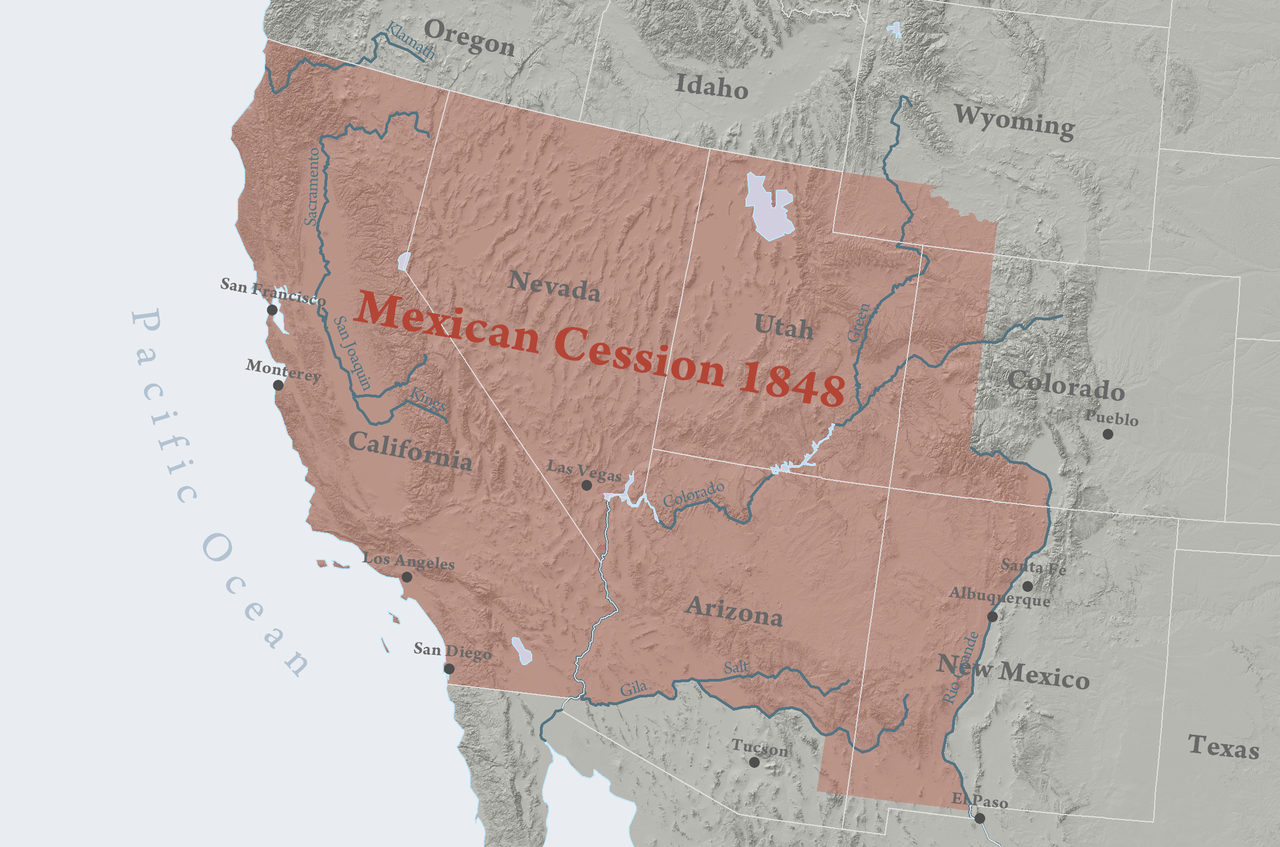
The Mexican-American War (1846–1848) irrevocably changed the geopolitical landscape of North America. American forces quickly occupied California during the conflict, and its fate was sealed with the signing of the Treaty of Guadalupe Hidalgo in February 1848. This treaty officially ended the war and ceded vast territories, including California, Nevada, Utah, and parts of Arizona, New Mexico, Colorado, and Wyoming, to the United States for $15 million. Overnight, California transitioned from a Mexican department to an unorganized U.S. territory. However, the federal government, deeply engrossed in the slavery question, was slow to establish a territorial government, leaving the region in a state of administrative limbo.
Squatters, Miners, and Provisional Governments
With the discovery of gold and the subsequent population boom, the lack of an official federal government in California became a critical issue. Miners, often operating under their own improvised rules, created mining codes and vigilante justice systems. Communities sprang up with little formal legal structure, leading to disputes over land claims, water rights, and basic law and order. The military governors appointed by the United States after the war struggled to maintain control over the rapidly expanding and diverse population.
Recognizing the urgent need for stability, the residents of California took matters into their own hands. Encouraged by President Zachary Taylor, who sought to bypass the divisive slavery debate in Congress by admitting California directly as a state, a constitutional convention was called.
The Constitutional Convention of 1849
In September 1849, delegates from across California converged in Monterey to draft a state constitution. These 48 delegates, a diverse group of lawyers, landowners, and merchants, worked quickly to establish a framework for self-governance. A key and highly significant decision made during this convention was to prohibit slavery within the proposed state’s borders. This declaration was not merely an ethical stance but a pragmatic one; many miners feared competition from enslaved labor, and the dominant sentiment among the free-state settlers was to preserve California as a land of opportunity for individuals.
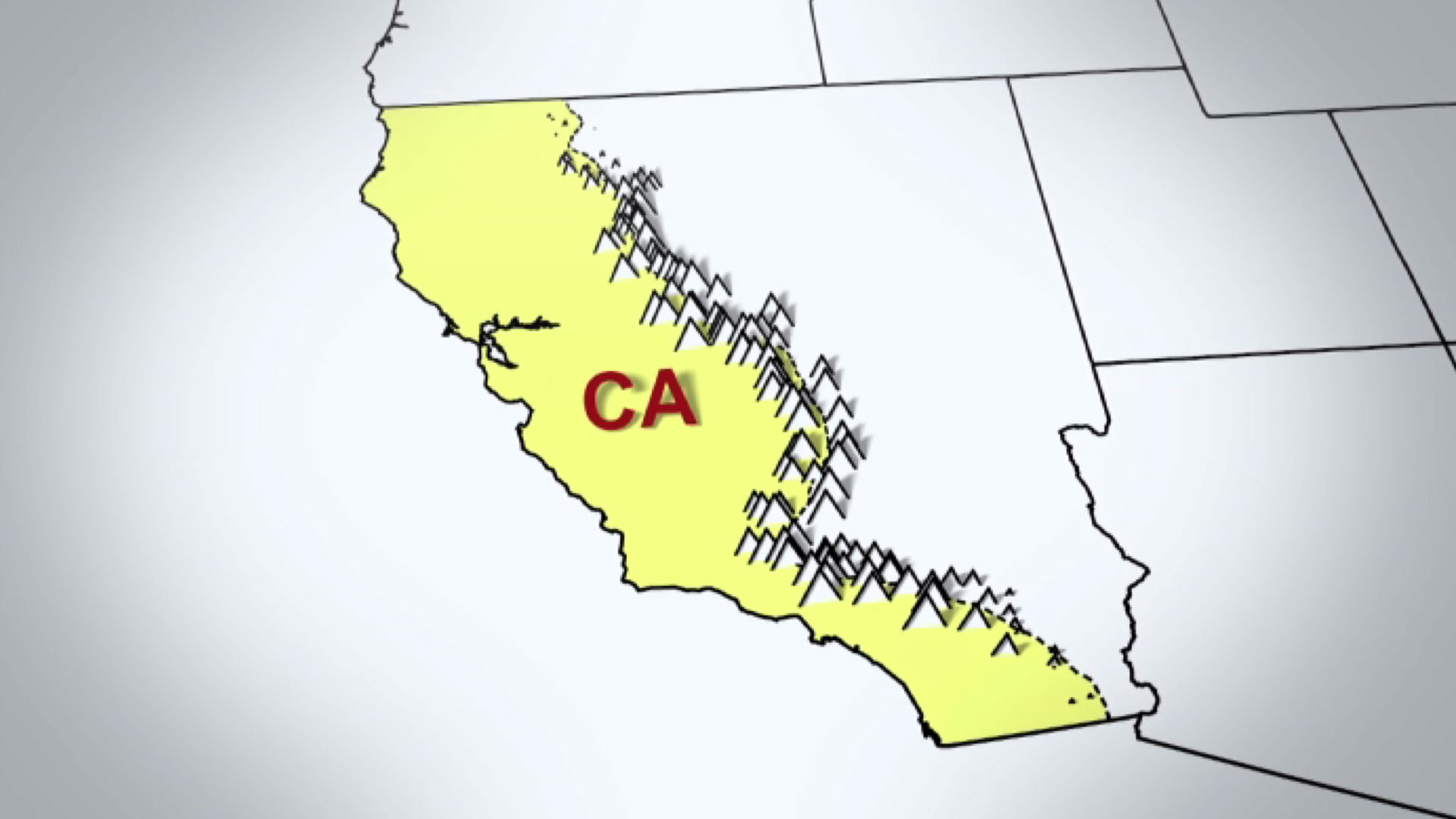
The constitution, which also defined the state’s expansive boundaries (extending from the Pacific Ocean to the Sierra Nevada mountains), was overwhelmingly ratified by the people of California in November 1849. A provisional government was established, and senators and representatives were elected, ready to be sent to Washington D.C. to advocate for admission.
September 9, 1850: A Date Etched in History
The official date of California’s entry into the Union is enshrined in American history, marking not only the creation of a new state but also a critical compromise that temporarily averted national disaster.
The Compromise of 1850 and California’s Admission
When California applied for statehood as a free state, it plunged the U.S. Congress into a bitter sectional crisis. The delicate balance of power between free and slave states hung in the balance, threatening to tear the Union apart. Southern states vehemently opposed California’s admission as a free state, fearing it would set a precedent and shift the legislative advantage decisively to the North.
After months of intense debate, led by figures like Henry Clay, Daniel Webster, and Stephen A. Douglas, a series of legislative measures known as the Compromise of 1850 was finally passed. This intricate package addressed several contentious issues:
- California was admitted as a free state.
- The slave trade (though not slavery itself) was abolished in Washington D.C..
- A more stringent Fugitive Slave Act was enacted, compelling citizens to assist in the capture of runaway enslaved people.
- The New Mexico Territory and Utah Territory were organized with the principle of popular sovereignty, allowing their residents to decide on the issue of slavery.
- Texas received $10 million in exchange for ceding disputed territory to New Mexico.
On September 9, 1850, President Millard Fillmore signed the bill admitting California as the 31st state. This act, while hailed as a triumph of compromise, was a temporary truce in the larger conflict over slavery, ultimately postponing, but not preventing, the American Civil War.
The Immediate Impact of Statehood
With statehood, California immediately began to formalize its governance. Sacramento was eventually designated as the state capital, and a robust political and administrative structure was put in place. The state quickly established a legal system, built infrastructure, and began to address the complex issues arising from its diverse population and burgeoning economy. Its status as a free state significantly bolstered the anti-slavery movement nationally, providing a powerful precedent for future state admissions. The rapid development of California, fueled by gold and an entrepreneurial spirit, positioned it as a dominant economic and cultural force in the American West and on the Pacific Ocean Rim.
Legacy and Lasting Significance: California’s Enduring Historical Footprint
The admission of California to the Union was not merely a legislative act; it was a foundational event that continues to shape the state and the nation. Its historical significance resonates through its unique contributions to American identity, economic prowess, and cultural landscape.
Shaping the American West and Beyond
California’s statehood cemented the westward expansion of the United States, fulfilling the vision of a nation stretching “from sea to shining sea.” Its immense wealth, initially from gold and later from agriculture and innovation, drove significant economic development across the continent. The construction of the transcontinental railroad, for example, was spurred in part by the need to connect this distant and prosperous new state to the rest of the Union.
Beyond economics, California’s distinct history fostered a culture of innovation, independence, and diversity. The lure of the “Golden State” continues to attract people from all walks of life, contributing to its dynamic and multicultural society. Its early stance as a free state, despite being geographically remote from the main theaters of the Civil War, underscored the moral and political complexities that defined 19th-century America.

Historical Landmarks Commemorating Statehood
Today, numerous landmarks across California stand as testaments to its dramatic journey to statehood, offering tangible links to this pivotal era.
- Sutter’s Fort State Historic Park in Sacramento preserves the legacy of John Sutter, the Swiss immigrant whose empire inadvertently led to the discovery of gold.
- Marshall Gold Discovery State Historic Park in Coloma marks the precise spot where James W. Marshall first found gold, initiating the rush that reshaped the state. Visitors can see a replica of Sutter’s Mill and learn about the lives of the forty-niners.
- Custom House Plaza in Monterey is home to the Old Custom House, the oldest government building on the Pacific Coast and the site where the American flag was first officially raised in California in 1846. Nearby, the Colton Hall Museum preserves the room where the California Constitutional Convention of 1849 took place, a truly foundational landmark.
These sites, among many others, allow visitors to step back in time and connect with the profound historical events and figures that brought California into the Union. They serve as educational resources and powerful reminders of the complex interplay of human ambition, political will, and natural resources that forged the Golden State. The story of California’s statehood is a testament to the dynamic evolution of the United States, a narrative etched into its very landscape and national identity.
LifeOutOfTheBox is a participant in the Amazon Services LLC Associates Program, an affiliate advertising program designed to provide a means for sites to earn advertising fees by advertising and linking to Amazon.com. Amazon, the Amazon logo, AmazonSupply, and the AmazonSupply logo are trademarks of Amazon.com, Inc. or its affiliates. As an Amazon Associate we earn affiliate commissions from qualifying purchases.