
The alluring city of New Orleans, Louisiana, a vibrant melting pot of culture, history, and unparalleled culinary delights, beckons travelers from across the globe. Known for its intoxicating blend of French, Spanish, African, and American influences, the Crescent City offers an experience unlike any other. While the pulsating rhythms of jazz music, the labyrinthine charm of the French Quarter, and the delectable flavors of Creole cuisine are often the primary draws, understanding the local weather is crucial for planning a truly unforgettable trip. The climate of New Orleans significantly shapes its vibrant street life, festivals, and the overall ambiance that makes it so unique. Whether you’re dreaming of Mardi Gras revelry, a peaceful Mississippi River cruise, or exploring historic plantations, knowing what to expect weather-wise will help you pack efficiently and maximize your enjoyment of this captivating destination. This guide delves into the nuances of New Orleans’s climate throughout the year, offering insights to help you tailor your visit for optimal comfort and exploration.

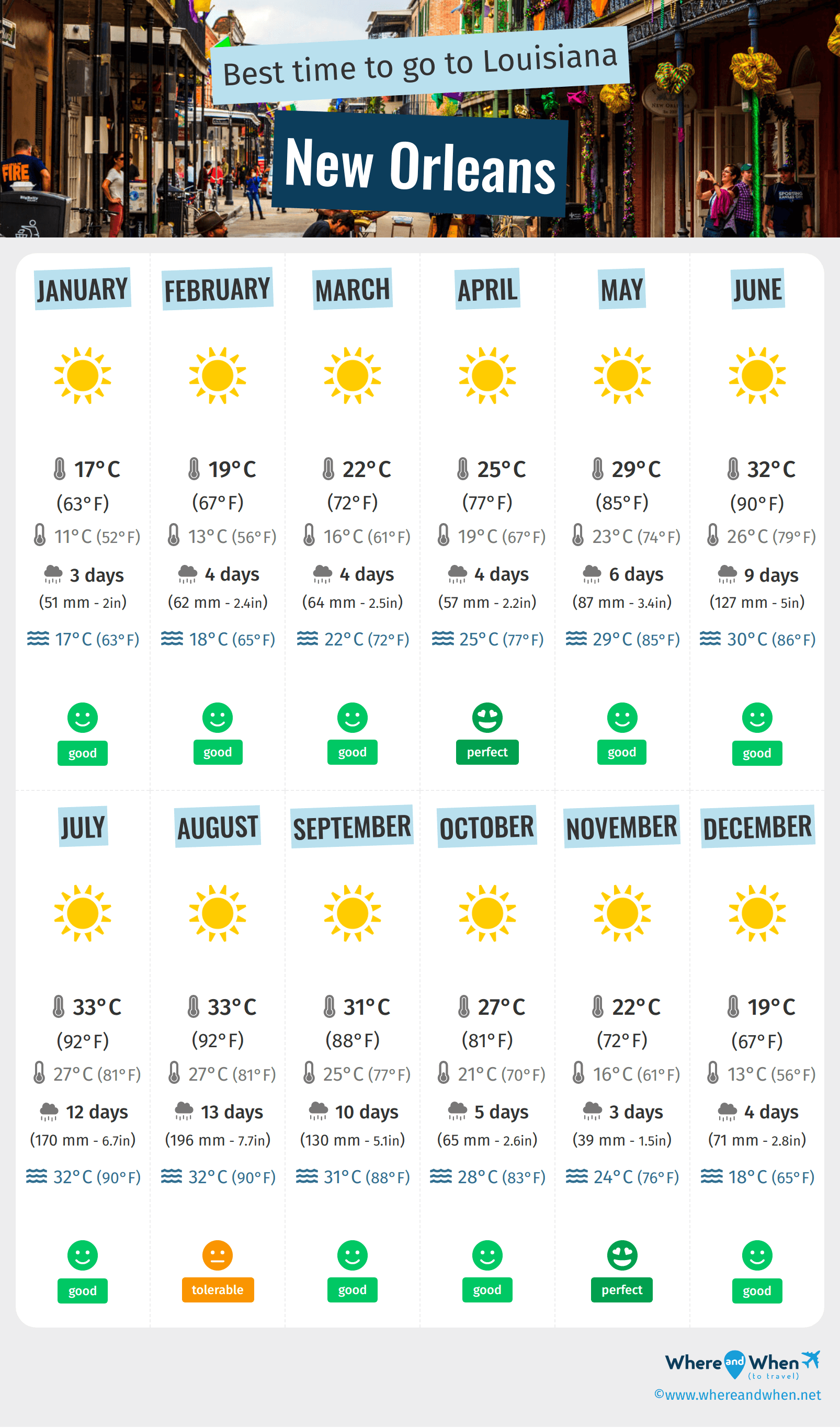
The subtropical climate of New Orleans is characterized by hot, humid summers and mild, pleasant winters, with spring and fall offering transitional periods of moderate temperatures and occasional rain. Its proximity to the Gulf of Mexico plays a significant role in its weather patterns, contributing to the pervasive humidity and the potential for tropical storms during the hurricane season. Understanding these seasonal shifts allows visitors to choose the best time to experience the city’s myriad attractions, from the bustling energy of its festivals to the serene beauty of its historic neighborhoods and natural landscapes.
Understanding New Orleans’ Seasonal Climate Patterns
The weather in New Orleans is a story of distinct seasons, each with its own charm and challenges. The city’s subtropical climate means that humidity is a constant companion for much of the year, and temperatures can fluctuate, but extreme cold is a rare occurrence. This consistent warmth, tempered by varying levels of rainfall and sunshine, defines the rhythm of life here.
Summer in the Crescent City: A Humid Embrace
Summers in New Orleans, typically from June through August, are notoriously hot and humid. Daytime temperatures frequently soar into the 90s Fahrenheit (around 32-37 degrees Celsius), and the high humidity levels can make it feel even hotter, often pushing heat index values above 100°F (38°C). The air is thick with moisture, and afternoon thunderstorms are a common, often dramatic, occurrence. These downpours can be intense but are usually brief, bringing a temporary respite from the heat before the sun breaks through again.
Despite the challenging temperatures, summer is a lively time in New Orleans. Many of the city’s iconic festivals and events continue, and the evening hours offer a more comfortable environment for exploring the vibrant nightlife and dining scene. Visitors during this period are advised to stay hydrated, seek out air-conditioned indoor attractions like the Audubon Aquarium of the Americas or the New Orleans Museum of Art, and plan outdoor activities for the cooler mornings and evenings. Light, breathable clothing is essential, and carrying an umbrella or poncho for those sudden showers is a wise precaution.
The Hurricane Season Factor
It’s important to note that New Orleans lies within a region prone to tropical cyclones. The official Atlantic hurricane season runs from June 1st to November 30th, with the peak typically occurring from August through October. While not every season brings a direct hit, the possibility of tropical storms and hurricanes can impact travel plans, potentially leading to flight cancellations, evacuations, and temporary closures of businesses and attractions. Travelers visiting during this period are strongly encouraged to stay informed about weather forecasts and heed any official advisories. Many hotels, such as the Roosevelt New Orleans, A Waldorf Astoria Hotel, and tour operators have contingency plans in place.
Autumn in New Orleans: A Golden Transition
As summer’s intense heat begins to wane, autumn, from September through November, ushers in one of the most pleasant times to visit New Orleans. The humidity starts to decrease, and temperatures become more moderate, with daytime highs averaging in the comfortable 70s Fahrenheit (around 21-26 degrees Celsius). The skies are often clear and blue, making it ideal for exploring the city’s sprawling gardens, historic cemeteries, and the charming streets of the Garden District.
This season is also a prime time for cultural events and festivals. The renowned New Orleans Jazz & Heritage Festival often takes place in late spring, but many other significant celebrations occur in the fall, drawing large crowds. The crisp air and vibrant foliage add to the city’s picturesque appeal. Packing layers is recommended, as evenings can be cooler, especially as you move later into November. This period offers a fantastic balance for enjoying both indoor and outdoor activities.
Winter’s Gentle Touch
Winter in New Orleans, from December through February, is generally mild and pleasant. Average daytime temperatures hover in the 60s Fahrenheit (around 15-20 degrees Celsius), with occasional dips into the 40s and 50s Fahrenheit (around 4-15 degrees Celsius). Freezing temperatures are rare, and snow is an almost unheard-of phenomenon. The city experiences its lowest humidity levels during these months, offering a refreshing change from the summer heat.
This is an excellent time to explore the city’s rich history and culinary scene without the oppressive heat. Many visitors choose to visit during the festive holiday season, when Jackson Square and the French Quarter are adorned with twinkling lights and festive decorations. The world-famous Mardi Gras celebrations typically culminate on Fat Tuesday, which can fall anywhere from early February to early March, making it a winter or early spring event depending on the year. Light jackets or sweaters are usually sufficient for evenings, and comfortable walking shoes are a must for exploring the historic streets.
Spring’s Reawakening
Spring in New Orleans, from March through May, marks a beautiful resurgence of life in the city. The weather is typically warm and inviting, with temperatures gradually rising from the 70s Fahrenheit (around 21-26 degrees Celsius) in March to the low 80s Fahrenheit (around 27-29 degrees Celsius) by May. The humidity begins to increase as the season progresses, but it generally remains more comfortable than in the summer months.
This is arguably the most popular time for tourists to visit. The blooming flowers and lush greenery enhance the city’s natural beauty, and outdoor activities are in full swing. Events like the aforementioned New Orleans Jazz & Heritage Festival draw massive crowds, celebrating the city’s vibrant musical heritage. The weather is perfect for taking a steamboat cruise on the Mississippi River, exploring the unique flora and fauna of the nearby swamps, or simply enjoying a beignet at Café Du Monde al fresco. Similar to autumn, packing layers is advisable, as the weather can be a bit unpredictable, with occasional rain showers.
Navigating New Orleans’ Climate for Your Trip
When planning your visit to New Orleans, considering the weather will significantly enhance your experience. Each season offers a unique perspective on this dynamic city, and knowing what to expect allows for better preparation, from clothing choices to activity planning.
Packing for Paradise: What to Bring
Your packing list should be dictated by the season of your visit. For summer, prioritize lightweight, moisture-wicking fabrics. Think cotton, linen, and performance blends. Include plenty of shorts, t-shirts, sundresses, and comfortable sandals. Don’t forget a wide-brimmed hat and high-SPF sunscreen to protect yourself from the strong sun. A reusable water bottle is also a great idea to stay hydrated on the go.
For autumn and spring, layering is key. Pack a mix of lighter clothing along with a light jacket or sweater for cooler mornings and evenings. Comfortable walking shoes are essential, as you’ll likely be doing a lot of exploring on foot. Rain gear, such as a compact umbrella or a light waterproof jacket, is always a good idea, as spring and fall can bring unexpected showers.
Winter in New Orleans calls for a warmer yet still comfortable wardrobe. Pack sweaters, long-sleeved shirts, and a medium-weight jacket. Jeans and comfortable trousers are suitable. You might still need sandals for warmer days, but closed-toe shoes are generally more practical. If you’re visiting around Mardi Gras, remember to factor in any elaborate costumes or festive attire you might want to wear.
Regardless of the season, always pack comfortable shoes. New Orleans is a city best explored on foot, from the cobblestone streets of the French Quarter to the historic avenues lined with antebellum homes.
Embracing the Elements: Activities and Experiences
The weather directly influences the types of activities best suited for your trip. During the hot summer months, consider indoor attractions like the New Orleans Historic Voodoo Museum or the numerous art galleries. Evening ghost tours or a swamp tour can also be enjoyable as temperatures cool down. Take advantage of the city’s incredible culinary scene, ducking into world-class restaurants or casual eateries to escape the heat and savor authentic Cajun and Creole flavors.
The milder seasons of spring and fall are perfect for extended outdoor exploration. Wander through the historic French Quarter, visit St. Louis Cathedral, or take a leisurely streetcar ride through different neighborhoods. This is the ideal time for a cemetery tour, a visit to the New Orleans Botanical Garden, or enjoying live music at venues like Preservation Hall. Boat tours, including those on the Mississippi River, are particularly enjoyable when the weather is mild.
Winter, while cooler, offers its own unique charm. It’s a fantastic time for museum hopping, exploring the historic houses open to the public, and enjoying the festive holiday atmosphere. The mild weather is conducive to walking tours and exploring the French Quarter at a relaxed pace. For those interested in history and architecture, this season provides comfortable conditions for appreciating the city’s stunning French and Spanish colonial architecture.
Staying Informed and Prepared
No matter when you plan to visit, staying informed about the weather forecast closer to your travel dates is crucial. New Orleans weather can be dynamic, and microclimates can exist within the city. Reliable weather apps and local news sources can provide real-time updates. During the hurricane season, it is especially important to monitor weather advisories closely, both for your safety and to make informed decisions about travel arrangements. Many accommodation providers, from charming bed and breakfasts to luxury hotels like the Windsor Court Hotel, will have information and policies regarding weather events.
Understanding the weather patterns of New Orleans is not just about packing the right clothes; it’s about appreciating how the climate shapes the city’s vibrant culture, its festivals, and the daily lives of its residents. By aligning your visit with the season that best suits your preferences and by being prepared for the elements, you can ensure a truly magical and memorable experience in this extraordinary corner of Louisiana.
LifeOutOfTheBox is a participant in the Amazon Services LLC Associates Program, an affiliate advertising program designed to provide a means for sites to earn advertising fees by advertising and linking to Amazon.com. Amazon, the Amazon logo, AmazonSupply, and the AmazonSupply logo are trademarks of Amazon.com, Inc. or its affiliates. As an Amazon Associate we earn affiliate commissions from qualifying purchases.