
Louisiana, a state steeped in vibrant culture, breathtaking natural beauty, and a culinary scene that tantalizes the taste buds, also harbors a wild and fascinating secret: its thriving population of American alligators. For many visitors, the allure of the Bayou State extends beyond its famous jazz clubs and historic plantations; it includes the thrilling prospect of encountering these prehistoric reptiles in their natural habitat. Understanding when to experience this unique aspect of Louisiana’s natural heritage is key to planning an unforgettable trip. This guide delves into the intricacies of Louisiana’s gator season, offering insights for travelers looking to witness these magnificent creatures.

The term “gator season” can refer to several different things, depending on who you ask and what your intentions are. For wildlife enthusiasts and tourists hoping to spot alligators basking in the sun or cruising through the waterways, “gator season” is essentially year-round, though certain times offer better viewing opportunities. For those interested in the regulated harvest of alligators, which plays a crucial role in conservation and sustainable management, “gator season” refers to a specific, officially designated period. Regardless of your interest, a deep dive into Louisiana’s alligator lifecycle and the regulations surrounding them will enhance your appreciation and ensure a responsible visit.
The American alligator (Alligator mississippiensis) is a keystone species in the Louisiana ecosystem, playing a vital role in maintaining the health of wetlands, swamps, and marshes. Their presence is a testament to the state’s commitment to preserving its unique natural resources, a commitment that balances conservation with regulated use. From the bustling energy of New Orleans to the serene landscapes of the Atchafalaya Basin, alligators are an integral part of the Louisiana experience.
Understanding Alligator Behavior and Optimal Viewing Times
To truly appreciate Louisiana’s gator population, it’s essential to understand their behavior and how it relates to the changing seasons. Alligators are cold-blooded reptiles, meaning their body temperature is influenced by their environment. This characteristic dictates their activity levels throughout the year.
Spring: The Awakening of the Bayou
As the chill of winter recedes and the Louisiana sun begins to warm the wetlands, alligators emerge from their winter dormancy. This period, typically from March through May, marks the beginning of their active season. During the spring, alligators are often seen basking in the sun to regulate their body temperature. This is an excellent time for visitors to spot them along the edges of waterways, on muddy banks, or floating near the surface of the water.
The mating season also kicks off in the spring. Males become more vocal, emitting bellows to attract females and assert their dominance. While this can make them more noticeable, it also means they can be more territorial. Guided tours are highly recommended during this time to ensure safety and maximize viewing opportunities. Many swamp tour operators in areas like the Maura Valley and the Vermilion Parish are adept at finding alligators during this active period. The lush greenery of the bayous in spring provides a stunning backdrop for these encounters.
Summer: Peak Activity and Nesting
The summer months, from June through August, represent the peak of alligator activity. The warm temperatures mean alligators are highly active, feeding, and moving throughout their territories. This is arguably the best time for tourists to see alligators, as they are more likely to be out and about. Young alligators, hatched in late summer, will also begin to appear.
Female alligators begin nesting in late spring and early summer. They construct mounds of vegetation and mud to lay their eggs, typically near water. While the nesting process itself is fascinating to observe from a distance, it’s important to remember that nesting females can be protective of their nests. It’s crucial to maintain a safe distance and never disturb a nest. Many guided tours will avoid known nesting areas to ensure the safety of both the alligators and the visitors. The humid heat of a Louisiana summer, while sometimes intense, is when the bayou truly buzzes with life, and alligators are at their most visible.
Fall: Preparing for Dormancy and Hunting Season
As the air begins to cool in September, October, and November, alligators start to prepare for the colder months. Their activity levels decrease as they seek out deeper water or burrows to hibernate. However, this period still offers good opportunities for viewing, especially during the warmer days of early autumn. The vibrant fall foliage in some parts of Louisiana can add an extra layer of beauty to gator-watching excursions.
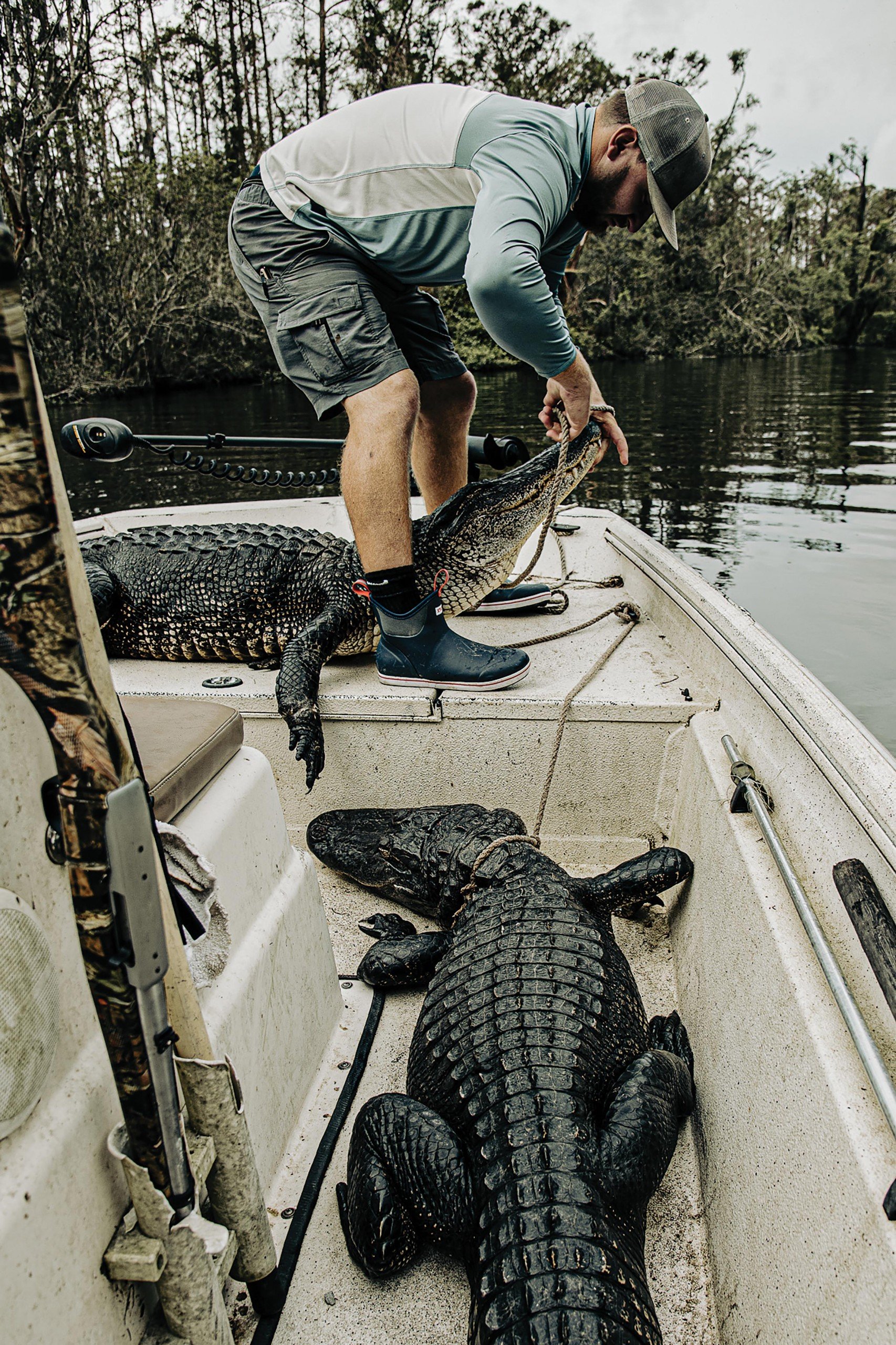
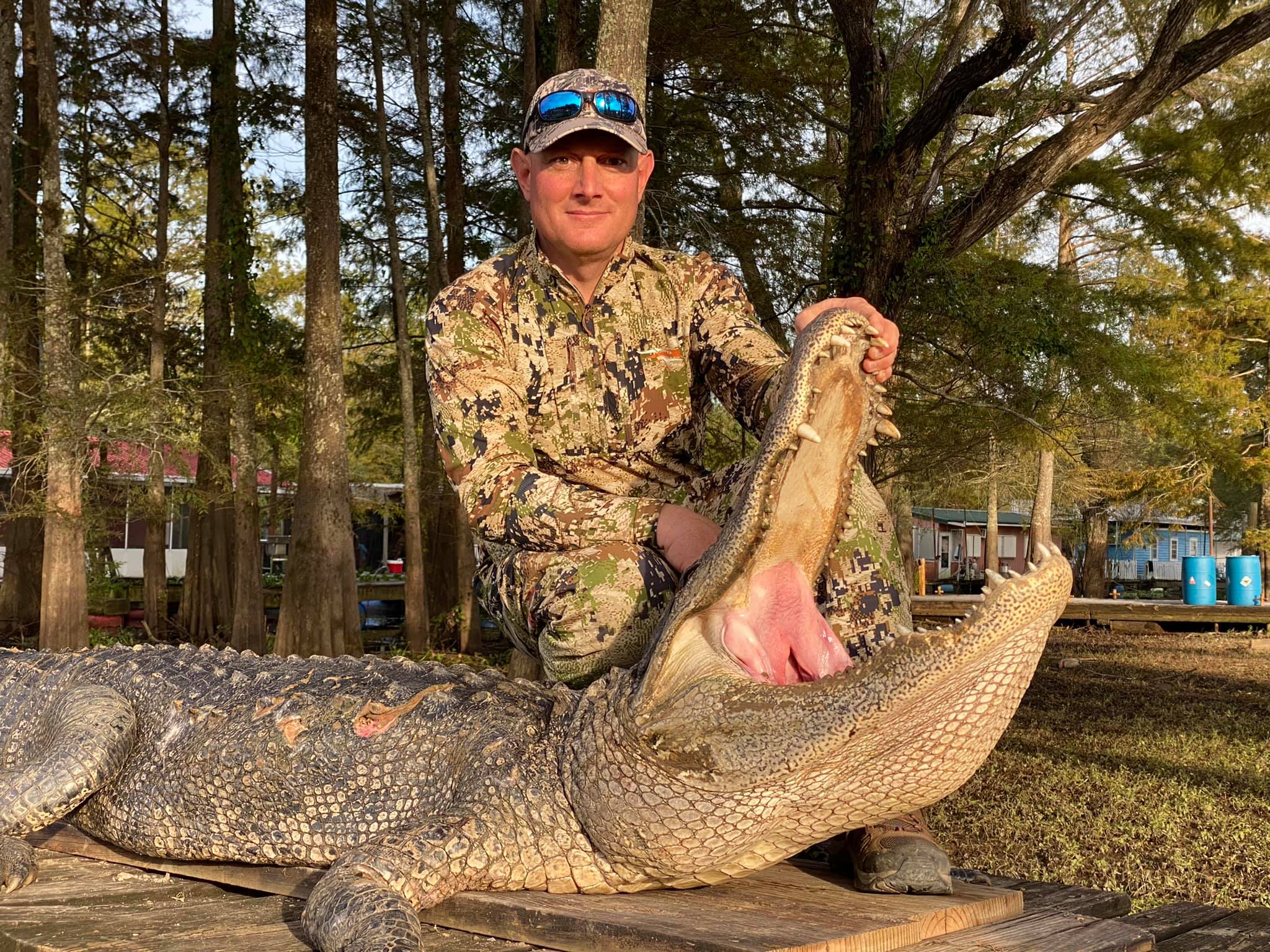
For those interested in the regulated alligator harvest, the fall months are significant. The Louisiana Department of Wildlife and Fisheries designates a specific alligator hunting season, typically running from September 1st through November 30th. This season is carefully managed to ensure the sustainability of the alligator population. It is a testament to the state’s efforts to balance the economic and cultural value of alligators with their ecological importance. This regulated harvest is not typically something tourists participate in directly but is an important aspect of the “gator season” narrative in Louisiana.
Winter: The Quiet Period
From December through February, Louisiana’s alligators enter a state of brumation, a form of hibernation. Their metabolism slows significantly, and they become largely inactive, often submerging themselves in water or mud. While it is still possible to see an alligator during the winter, especially on a particularly warm day, they are much less visible and active than during other times of the year. Therefore, for the average tourist aiming to see gators in their natural habitat, winter is generally not the ideal “gator season.”
Experiencing Louisiana’s Gators: Tours, Regulations, and Safety
The most popular and safest way for visitors to experience Louisiana’s gators is through guided tours. These tours, often conducted on flat-bottomed boats or airboats, navigate the extensive network of bayous, swamps, and marshes that are home to these reptiles.
Guided Swamp Tours: The Best Way to See Gators
Numerous tour operators across Louisiana offer immersive experiences. Popular departure points include cities and towns surrounding major gator habitats, such as Breaux Bridge, Slidell, Lafayette, and the outskirts of New Orleans. When booking a tour, consider the type of boat used. Airboats can cover more ground and offer a thrilling ride, while smaller, quieter boats might provide a more intimate and less disruptive encounter with the wildlife.
Many tour guides are local experts with an intimate knowledge of the swamps and the behavior of the alligators. They can often locate alligators with remarkable accuracy, pointing out individuals of all sizes, from tiny hatchlings to impressive adults. Beyond gator sightings, these tours offer a window into the unique flora and fauna of the Louisiana wetlands, including various bird species, turtles, and the distinct cypress-drowned forests. Some tours even offer opportunities to see baby alligators up close (under strict supervision and ethical guidelines, of course).
Regulations and Conservation Efforts
Louisiana boasts one of the largest wild alligator populations in the United States, a success story attributed to decades of conservation efforts. The regulated harvest is a cornerstone of this success. By allowing a sustainable harvest, the state incentivizes landowners to protect alligator habitats, as healthy habitats lead to more alligators and thus more opportunities for legal hunting and skin sales.
The Louisiana Department of Wildlife and Fisheries sets strict regulations for the hunting season, including quotas, license requirements, and methods of take. These regulations are crucial for ensuring that the alligator population remains robust and healthy for future generations. For tourists, this means that while alligator hunting is a part of Louisiana’s heritage and economy, it is a highly controlled activity. Observing this aspect of Louisiana’s relationship with its most iconic reptile can be done through educational exhibits at wildlife refuges or by understanding the regulations discussed by knowledgeable tour guides.
Safety First: Respecting the Wildlife
While seeing alligators in their natural environment is an exciting prospect, it’s paramount to prioritize safety. Alligators are wild animals and should always be treated with respect and caution.
- Never feed alligators. Feeding disrupts their natural diet and can make them more aggressive towards humans.
- Maintain a safe distance. Admire them from the boat or a safe distance on shore. Never attempt to approach or touch an alligator.
- Follow your guide’s instructions. Tour guides are trained to ensure your safety and the well-being of the animals.
- Be aware of your surroundings. When walking near water in gator habitats, stay on designated paths and be vigilant.
- Do not disturb nests. If you happen upon an alligator nest, leave it undisturbed and report its location to wildlife authorities if you believe it’s in danger.
By adhering to these safety guidelines and respecting the natural behavior of these fascinating creatures, visitors can enjoy a memorable and responsible gator-watching experience in Louisiana.
Planning Your Louisiana Gator Adventure
Choosing the right time to visit and the best locations are key to a successful gator-themed trip. Whether you’re interested in spotting them in the wild, learning about their conservation, or experiencing the local culture surrounding them, Louisiana offers a wealth of opportunities.
Top Destinations for Gator Sightings
Several regions in Louisiana are renowned for their abundant alligator populations and excellent tour operators.
- The Atchafalaya Basin: This vast, labyrinthine swamp is the largest wetland and swamp ecosystem in the United States. It’s a prime location for gator sightings and offers unparalleled natural beauty. Many tours depart from towns like Breaux Bridge and St. Martinville.
- Cypress Island Preserve: Located in St. Martin Parish, this preserve is a haven for wildlife, including a significant alligator population. It’s part of the Atchafalaya Basin and offers a more pristine wilderness experience.
- Jean Lafitte National Historical Park and Preserve: This park offers several sites, including the Barataria Preserve near New Orleans, where visitors can take guided walks or boat tours through swampy terrain rich with gators and other wildlife.
- Honey Island Swamp: Situated near Slidell, Honey Island Swamp is a popular destination for swamp tours. Its remote location and extensive waterways make it a prime habitat for alligators.
- Vermilion Parish: Known for its rich Cajun culture and extensive marshes, Vermilion Parish offers numerous opportunities for gator tours, often combined with experiences of local life and cuisine.
Accommodation and Local Experiences
When planning your trip, consider staying in accommodations that put you close to gator habitats and offer authentic Louisiana experiences.
- New Orleans: While not directly in the swamps, New Orleans serves as a fantastic base camp. You can easily book day trips or overnight excursions to nearby gator hotspots from the city. Many hotels, from boutique inns in the French Quarter to larger resorts, offer easy access to transportation for these tours.
- Cajun Country: Towns like Breaux Bridge, Lafayette, and Lake Charles offer a more immersive experience in Cajun culture. You can find charming bed and breakfasts, small inns, and even vacation rentals that place you closer to the heart of gator territory. These areas are also renowned for their incredible seafood and live music scene.
- Resorts and Lodges: Some lodges and resorts are located directly within or on the edge of gator habitats, offering on-site tours and a chance to wake up to the sounds of the bayou. Look for places that emphasize eco-tourism and responsible wildlife viewing.
Beyond gator tours, immerse yourself in the local lifestyle. Enjoy a plate of fresh crawfish étouffée, listen to live Zydeco music, and explore the unique blend of French, Spanish, African, and Native American influences that define Louisiana. Many tours can be combined with visits to historic plantations, chimney rock formations, or even cooking classes.
Ultimately, “gator season” in Louisiana is a year-round phenomenon for spotting these incredible creatures. However, the spring and summer months offer the most active and visible gators, while the fall is significant for regulated hunting. By understanding these nuances and choosing your destination and activities wisely, you can craft an unforgettable Louisiana adventure that celebrates its wild heart.
LifeOutOfTheBox is a participant in the Amazon Services LLC Associates Program, an affiliate advertising program designed to provide a means for sites to earn advertising fees by advertising and linking to Amazon.com. Amazon, the Amazon logo, AmazonSupply, and the AmazonSupply logo are trademarks of Amazon.com, Inc. or its affiliates. As an Amazon Associate we earn affiliate commissions from qualifying purchases.