
The iconic New York City Marathon is a bucket-list event for runners worldwide and a spectacle for anyone wanting to experience the vibrant energy of New York City. This world-renowned race, a jewel in the crown of the Abbott World Marathon Majors, draws tens of thousands of participants and millions of spectators to the streets of the five boroughs. If you’re planning to run, cheer, or simply soak in the electric atmosphere, knowing the precise timing of this monumental event is crucial.
The New York City Marathon is traditionally held on the first Sunday in November. This prime positioning in the autumn calendar offers runners a crisp, cool climate ideal for peak performance, and spectators a breathtaking backdrop of fall foliage as the course winds through iconic city landscapes. For 2024, the marathon is scheduled for Sunday, November 3rd. This date allows ample time for athletes to complete their rigorous training schedules and for the city to gear up for its most significant annual sporting event.
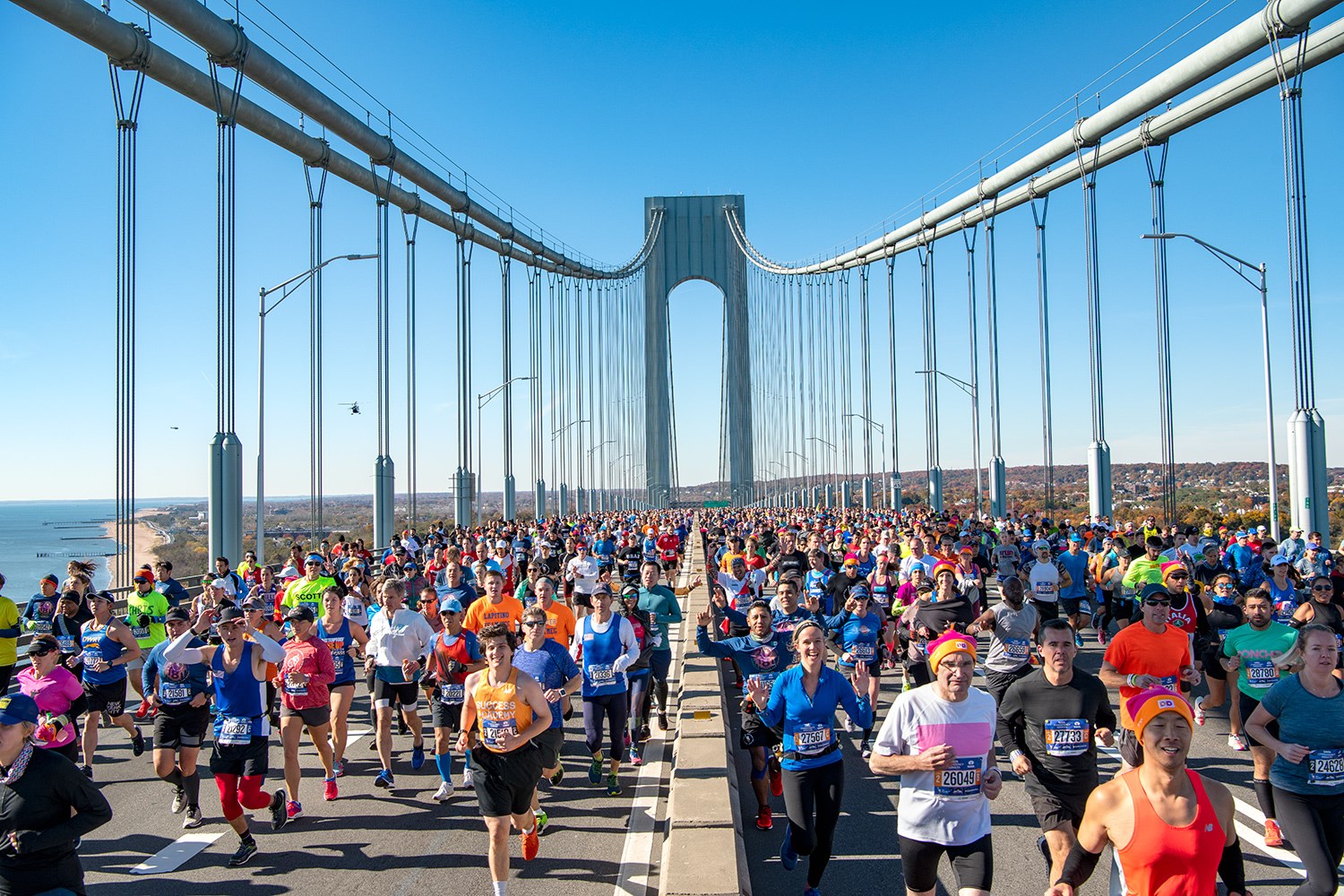
Understanding the date is just the first step in planning your New York City Marathon experience. Whether you’re aiming to cross the finish line or witness the incredible human endeavor from the sidelines, there’s a wealth of information that can elevate your participation from good to unforgettable. This guide delves into the specifics of the marathon’s timing, explores accommodation options, highlights key attractions along the route, and offers essential tips for both runners and spectators, all within the context of a vibrant New York City adventure.
Planning Your New York City Marathon Experience
The allure of the New York City Marathon extends far beyond the 26.2 miles of the course. It’s an immersion into the heart of one of the world’s most dynamic cities. From the moment you decide to participate, either as a runner or an enthusiastic supporter, strategic planning becomes paramount. This involves not only securing your race entry or planning your viewing spots but also arranging accommodations, understanding the logistics of travel within the city, and embracing the local culture that makes New York City so unique.
Securing Your Spot and Preparing for Race Day
For runners, the journey to the starting line is a significant undertaking. Entry into the New York City Marathon is highly competitive. The primary method of entry is through the drawing for the general lottery, which typically opens in January or February for the November race. Other guaranteed entry methods include achieving a qualifying time from a certified marathon within a specific window, running for an official charity, or being a runner with a history of completing multiple New York City Marathons (e.g., Abbott World Marathon Majors legacy program).
The preparation for a marathon is a commitment that spans months. Runners will be deep into their training cycles as November approaches, focusing on long runs, speed work, and nutrition. Understanding the course, which starts on Staten Island and famously winds through Brooklyn, Queens, the Bronx, and Manhattan, culminating in Central Park, is essential for pacing and strategy.
For spectators, the challenge lies in choosing the best vantage points to witness the race unfold. Each borough offers a distinct atmosphere and viewing experience. Brooklyn is known for its passionate crowds and early race energy, while Manhattan offers iconic backdrops as runners approach the finish. Planning your movements between viewing locations requires understanding the MTA subway system, as many streets are closed on race day.
Navigating Accommodation Options
The New York City Marathon transforms the city into a bustling hub, and accommodation availability can become scarce and expensive as the race date nears. Booking well in advance is not just recommended; it’s essential. The range of options caters to every budget and preference.
Hotels: From Luxury Stays to Convenient Bases
New York City boasts an unparalleled selection of hotels. For those seeking a luxurious experience, the city offers world-class establishments like the The Peninsula New York on Fifth Avenue, known for its opulent suites and exceptional service, or the The St. Regis New York, a historic landmark offering timeless elegance. These hotels provide a serene escape after a demanding race or a comfortable base for exploring the city’s attractions.
Mid-range hotels and boutique establishments also abound, offering excellent value and comfort. Consider hotels in areas like Midtown Manhattan for proximity to major attractions like Times Square and Rockefeller Center, or in neighborhoods like the Upper West Side or Upper East Side for a more residential feel closer to Central Park. Many hotels offer packages tailored to marathon runners, including late check-outs, breakfast services, and proximity to transportation hubs. Booking directly with hotels or through reputable comparison sites can help secure better rates.
For those prioritizing convenience and access to the marathon route, hotels in Downtown Brooklyn, near the start of the borough’s cheering sections, or in the Upper East Side and Upper West Side of Manhattan, close to the finish in Central Park, are excellent choices. Be prepared for premium pricing in these highly sought-after locations.
Apartments and Villas: A Home Away From Home
For longer stays or for groups traveling together, renting an apartment or a villa can provide a more personalized and cost-effective solution. Platforms like Airbnb and VRBO offer a vast array of options across all boroughs. Renting an apartment can offer the added benefit of a kitchen, allowing runners to prepare their own meals and maintain specific dietary routines, which is crucial for marathon training.
Neighborhoods like Park Slope in Brooklyn offer charming brownstones and a lively local atmosphere, while the Upper West Side of Manhattan provides a more tranquil setting with easy access to Central Park. For those looking for a more budget-friendly option, exploring neighborhoods slightly further from the immediate city center but still well-connected by public transport can be a smart strategy. Remember to factor in travel time to the race start or viewing locations when selecting your accommodation.
Embracing the Tourism and Lifestyle Aspects
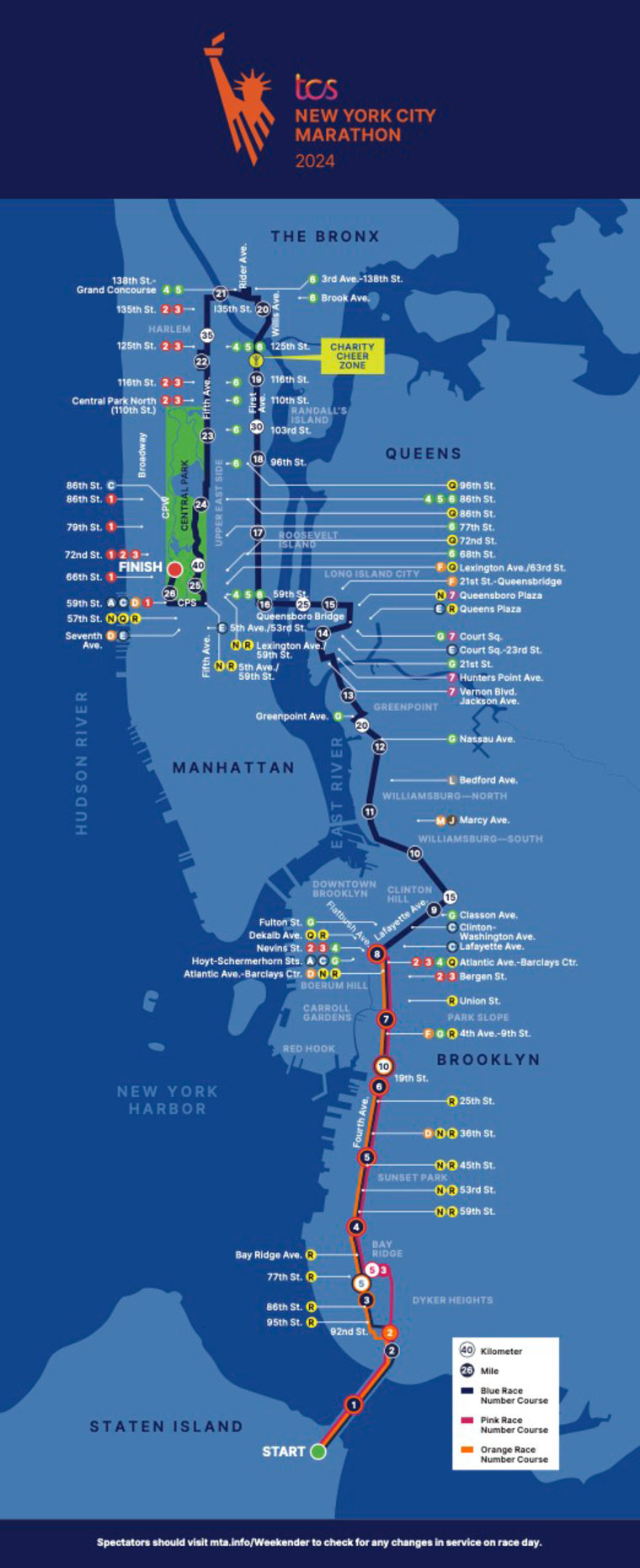
The New York City Marathon is more than just a race; it’s an opportunity to experience New York City at its most vibrant. The entire week leading up to the marathon is filled with events, including the popular Abbott Health & Fitness Expo, where runners can pick up their bibs, purchase gear, and attend seminars.
Exploring Landmarks and Attractions
Beyond the race, New York City offers an endless array of attractions. Take time to visit world-famous landmarks like the Statue of Liberty and Ellis Island, the breathtaking Empire State Building, and the solemn 9/11 Memorial & Museum. Stroll through Central Park, where the marathon concludes, or explore the artistic treasures of the Metropolitan Museum of Art and the Museum of Modern Art.
For a taste of local culture, explore the diverse neighborhoods of New York City. Wander through the vibrant streets of Greenwich Village, the historic charm of Harlem, or the bustling markets of Chinatown. The culinary scene is as diverse as the city itself, offering everything from street food to Michelin-starred dining. Trying a classic New York bagel or a slice of pizza is a must.
Lifestyle and Travel Tips
Whether you’re a luxury traveler or on a budget, New York City can accommodate. High-end shopping on Fifth Avenue or enjoying a Broadway show can be part of a luxury itinerary, while exploring free attractions like the High Line or enjoying picnics in Prospect Park offers budget-friendly alternatives.
For runners, staying hydrated and fueling properly is key, both during training and on race day. For spectators, comfortable shoes are a must, as you’ll likely be doing a lot of walking and standing. Utilizing the extensive MTA subway system is the most efficient way to navigate the city, especially on marathon day when road closures are extensive. Purchasing a MetroCard or using contactless payment is highly recommended.
Remember that race day is a unique experience in New York City. The city pulses with an extraordinary energy, a testament to the dedication of the runners and the communal spirit of support. Planning your trip around the New York City Marathon is an investment in an unforgettable New York adventure, filled with athletic achievement, cultural immersion, and the undeniable magic of this global metropolis.
The Marathon Course: A Journey Through New York’s Five Boroughs
The New York City Marathon is celebrated not only for its prestige but also for its unique course, which takes runners on an unforgettable journey through all five boroughs of New York City. This geographic diversity offers spectators a chance to experience the distinct character and vibrant communities that make up this iconic metropolis.
Staten Island and the Verrazzano-Narrows Bridge
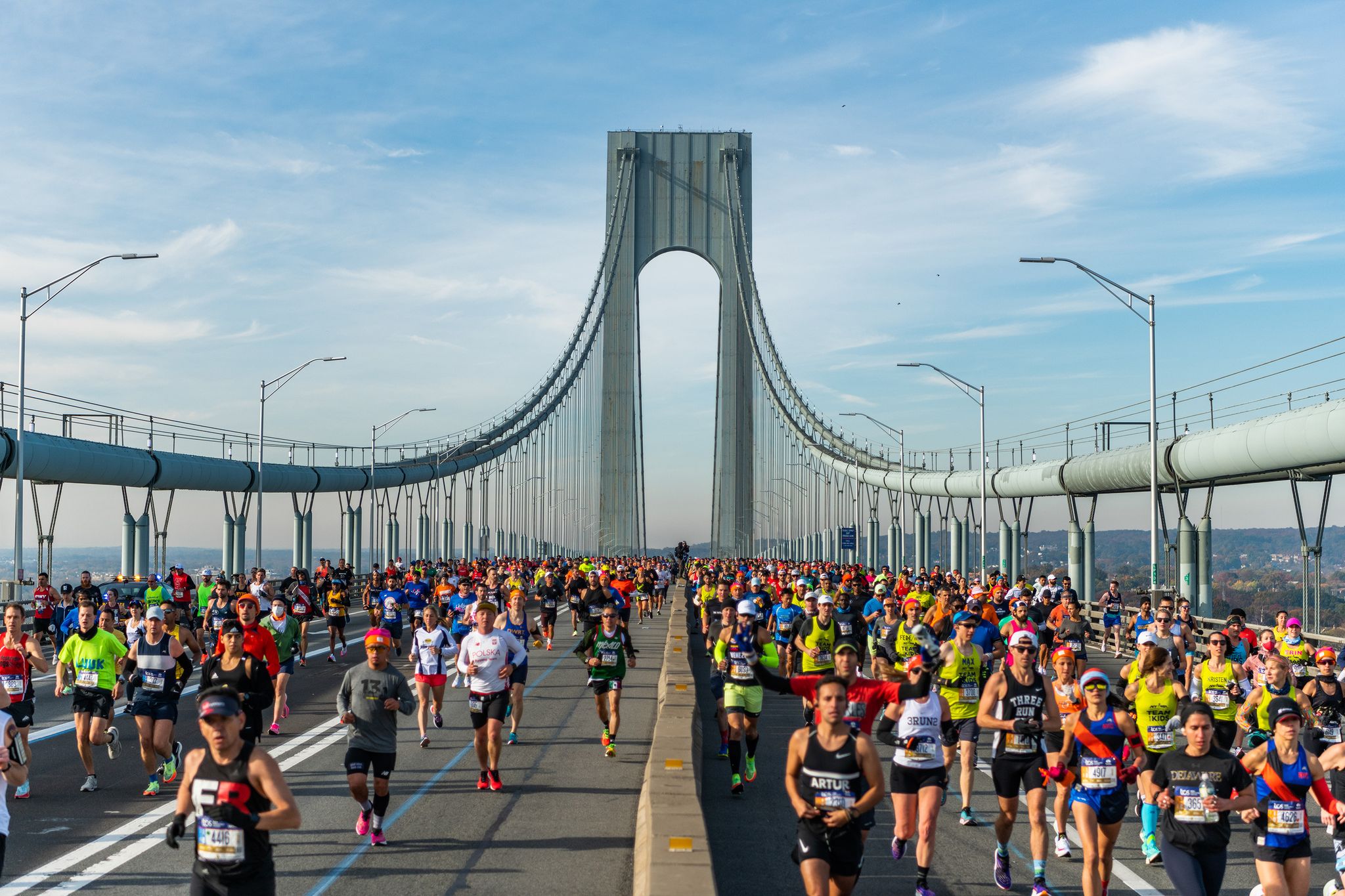
The marathon officially begins on Staten Island, with the starting line strategically positioned near the foot of the magnificent Verrazzano-Narrows Bridge. As runners commence their 26.2-mile trek, they are immediately met with a breathtaking panoramic view of the New York Harbor, the Statue of Liberty, and the Manhattan skyline in the distance. This iconic bridge, a feat of engineering, serves as the gateway to the race, symbolizing the ambitious undertaking ahead. The initial miles on Staten Island are often calmer as runners find their pace, but the energy builds as they approach the bridge.
Brooklyn: The Roar of the Crowd
Upon descending from the Verrazzano-Narrows Bridge, runners are met with the unbridled enthusiasm of Brooklyn. This borough, the most populous in New York City, is famous for its passionate and vocal spectators. Miles of streets, particularly in neighborhoods like Bay Ridge, Park Slope, and Fort Greene, are lined with cheering crowds, local bands, and impromptu cheering stations. The energy here is infectious, providing a crucial morale boost to participants in the early stages of the race. The diverse communities of Brooklyn come out in full force, creating an electric atmosphere that is a hallmark of the New York City Marathon.
Queens: The Bridge to Manhattan
The course continues into Queens, another borough known for its incredible diversity and community spirit. Runners navigate through neighborhoods like Long Island City and Flushing, where local support continues to be strong. A significant challenge awaits as runners face the Queensboro Bridge, often referred to as the 59th Street Bridge. This ascent can be grueling, but the reward is an awe-inspiring view as they emerge into the heart of Manhattan with the roar of the city awaiting them. The transition from the relatively quieter streets of Queens to the bustling avenues of Manhattan marks a significant moment in the race.
Manhattan: The Iconic Stretch
The Manhattan portion of the marathon is perhaps the most iconic. Runners turn onto First Avenue, a long, straight stretch that becomes a river of humanity fueled by the cheers of millions. The energy is palpable as the course winds through areas like Midtown and Harlem. Spectators often find prime viewing spots along this stretch, experiencing the sheer determination of the runners up close. This section is a test of endurance and mental fortitude, with the finish line in sight but still a challenging distance away. The sight of runners pushing through the crowds on Manhattan‘s famed avenues is a truly unforgettable spectacle.
The Bronx and the Final Push
Briefly entering The Bronx on a northern loop before returning to Manhattan, runners experience another wave of community support. This short passage through the borough adds to the unique narrative of the marathon. The final miles are a true testament to the runners’ grit. As they re-enter Manhattan and approach Central Park, the atmosphere intensifies. The last few miles wind through the picturesque pathways of Central Park, with thousands of spectators lining the route, creating a tunnel of sound and encouragement. The sight of the finish line, illuminated and alive with celebration, is the culmination of months of training and a lifetime of dreams for many runners.
The New York City Marathon course is more than just a race route; it’s a dynamic tour of New York City‘s soul. Each borough contributes its unique flavor and spirit, making the marathon a profound expression of the city’s diversity and the collective spirit of its inhabitants. For spectators, understanding this journey allows for a deeper appreciation of the event and facilitates planning for the best viewing experiences across all five boroughs.
LifeOutOfTheBox is a participant in the Amazon Services LLC Associates Program, an affiliate advertising program designed to provide a means for sites to earn advertising fees by advertising and linking to Amazon.com. Amazon, the Amazon logo, AmazonSupply, and the AmazonSupply logo are trademarks of Amazon.com, Inc. or its affiliates. As an Amazon Associate we earn affiliate commissions from qualifying purchases.