
When the topic of U.S. presidential elections arises, a significant portion of the national conversation inevitably focuses on the Electoral College. This unique system, designed by the Founding Fathers, often determines the outcome of presidential races, and individual states play a crucial role in this complex calculation. Among the fifty states, each possesses a certain number of electoral votes, a figure directly tied to its congressional representation. Today, we turn our attention to a fascinating corner of New England: the state of Maine. While Maine might not always be in the spotlight of every presidential election cycle, its electoral vote allocation holds specific significance and offers an intriguing case study in how the Electoral College operates.
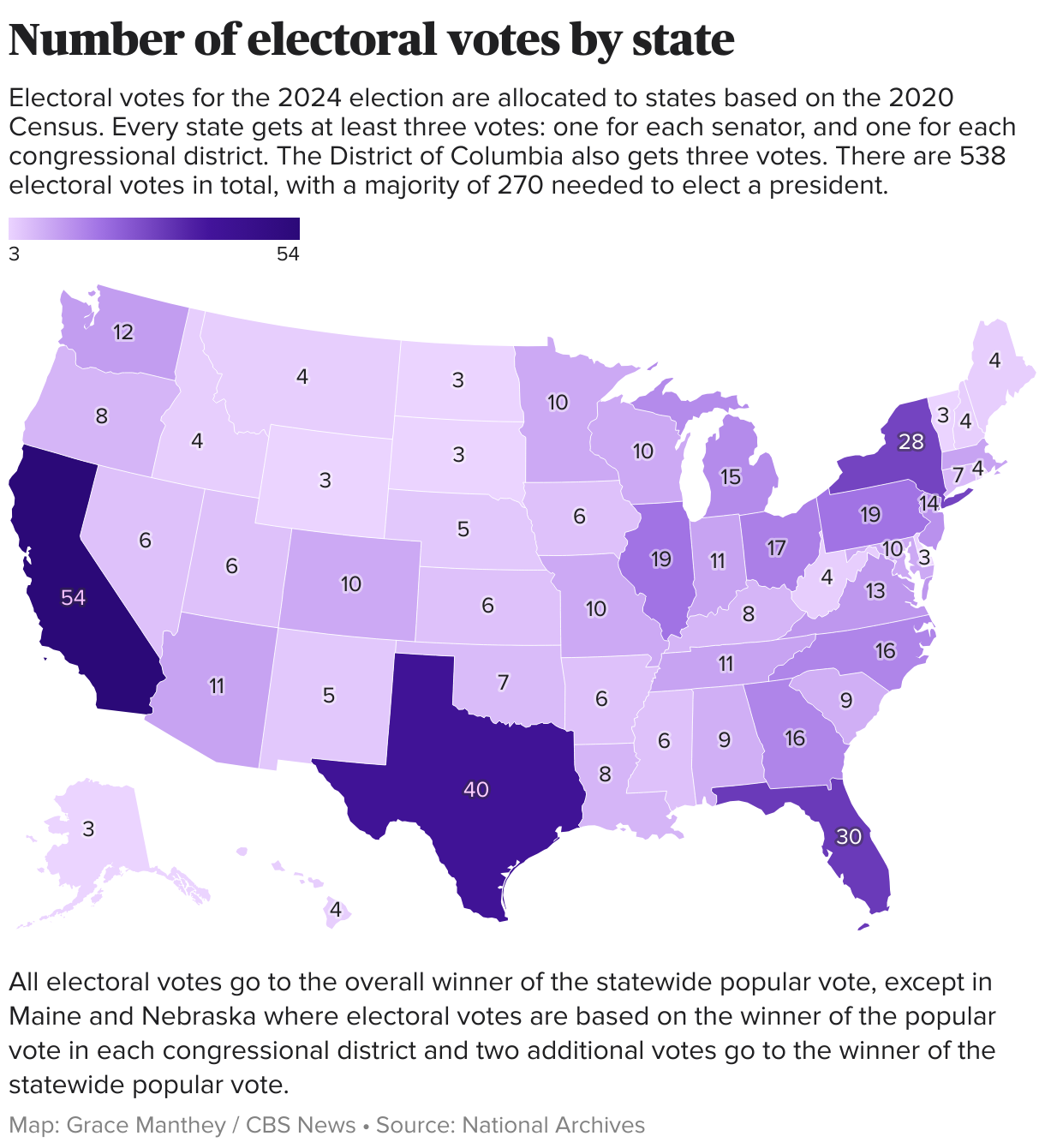
Understanding Maine’s electoral vote count requires delving into the foundational principles of American governance and how states are represented in the federal government. The number of electoral votes a state receives is not arbitrary; it’s a direct reflection of its population as determined by the U.S. Census. Specifically, each state is allocated a number of electoral votes equal to the sum of its representation in the House of Representatives and its representation in the Senate. The U.S. House of Representatives has 435 members, with each member representing a specific congressional district based on population. The Senate, conversely, has 100 members, with every state, regardless of population, receiving two senators. Therefore, the minimum number of electoral votes any state can have is three: one for each of its two senators and at least one representative in the House.
Maine’s Electoral College Representation: A Closer Look
Maine, like all other states, has its electoral vote count determined by its total number of congressional delegates. This means we need to consider both its House representatives and its senators.
The Senate’s Contribution
The U.S. Constitution guarantees equal representation in the Senate for all states. This means that every state, from the most populous like California to the least populous like Wyoming, is represented by two senators. Maine is no exception to this fundamental principle. Its delegation in the upper chamber of Congress consists of two senators. This contributes two electoral votes towards Maine’s total.
The House of Representatives and Population Dynamics
The number of representatives a state has in the House of Representatives is directly proportional to its population. The total number of seats in the House is fixed at 435, and these seats are reapportioned among the states after each decennial census. States with larger populations receive more representatives, while those with smaller populations receive fewer.
Maine, with its historically moderate population size compared to some of the larger states, has a corresponding number of representatives in the House. Based on the most recent census data and subsequent reapportionment, Maine has two congressional districts. This translates to two representatives in the House of Representatives. These two representatives add another two electoral votes to Maine’s total.
Calculating Maine’s Total Electoral Votes
By combining the contributions from both chambers of Congress, we can determine Maine’s total number of electoral votes.
- Senate Representation: 2 electoral votes
- House of Representatives Representation: 2 electoral votes
Total Electoral Votes for Maine = 2 (Senate) + 2 (House) = 4 Electoral Votes
Therefore, Maine currently has four electoral votes that it casts in the Electoral College during presidential elections.
Maine’s Unique Electoral Vote Allocation: The District Method
What makes Maine particularly interesting, and indeed set it apart from most other states, is its unique method of allocating its electoral votes. While the vast majority of states employ a “winner-take-all” system – where the presidential candidate who wins the popular vote in the state receives all of that state’s electoral votes – Maine utilizes a district-based allocation system. This approach was adopted by Maine in 1969 and has been in effect since the 1972 presidential election.
How the District Method Works in Maine
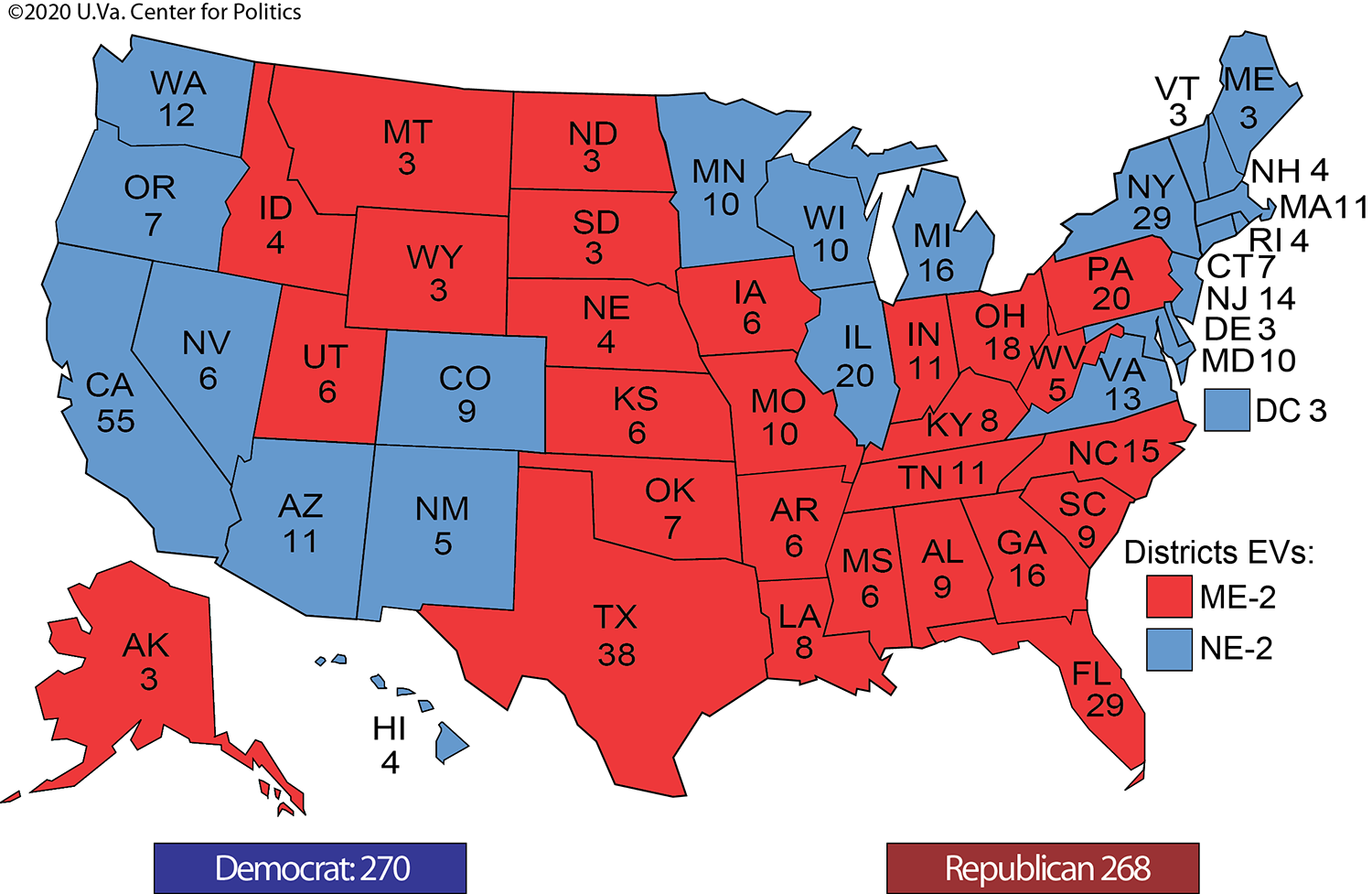
Under Maine’s district method, one electoral vote is awarded to the popular vote winner in each of Maine’s two congressional districts. The remaining two electoral votes, which correspond to the state’s two senators, are awarded to the candidate who wins the statewide popular vote. This means that it’s possible for a presidential candidate to win some electoral votes from Maine while losing others. This dynamic can lead to interesting strategic considerations for presidential campaigns, as winning individual districts can be as important as winning the overall state.
Historical Implications and Potential for Divergence
The district method in Maine has, in the past, led to situations where the state’s electoral votes have been split between different candidates. This divergence from the winner-take-all system is a significant feature of Maine’s electoral process and has, at times, influenced the national electoral map. For instance, a candidate might carry the statewide popular vote but lose one or both of the congressional districts. Conversely, a candidate could win one or both districts but lose the statewide vote. This nuanced allocation system adds an extra layer of complexity to the already intricate workings of the Electoral College, particularly for a state like Maine that is not always a guaranteed win for either major party.
Beyond the Electoral Count: Maine’s Role in Presidential Politics and Tourism
While the number of electoral votes is a technical aspect of presidential elections, Maine itself is a state with a rich history, vibrant culture, and significant tourist appeal. Understanding its electoral mechanics is one piece of the puzzle; appreciating Maine as a destination offers a broader perspective.
Maine’s Political Landscape and Influence
Maine is often considered a swing state, meaning its electoral votes can be competitive and contested by both major political parties. This makes its four electoral votes valuable, especially in close presidential elections. Presidential candidates often visit Maine during their campaigns, recognizing the potential to sway voters and secure these crucial electoral votes. The state’s unique district allocation method can also create opportunities for candidates to focus resources on specific congressional districts within Maine, aiming to secure at least some electoral votes even if they are unlikely to win the statewide popular vote. This strategic targeting is a hallmark of modern presidential campaigns.
Exploring Maine: A Tourist’s Delight
Beyond its political significance, Maine is a premier travel destination, renowned for its stunning natural beauty and diverse attractions. From the rugged coastline of Acadia National Park to the charming fishing villages dotting the shores, Maine offers an unforgettable experience for every traveler.
Coastal Charm and Natural Wonders
The Maine coastline is a major draw, with iconic lighthouses like the Pemaquid Point Light standing as sentinels against the Atlantic. Visitors can explore picturesque towns like Kennebunkport, known for its quaint shops and waterfront dining, or venture further north to experience the dramatic cliffs and hiking trails of Acadia National Park. The park, a jewel of the National Park Service, offers breathtaking vistas, opportunities for whale watching, and a chance to connect with nature. Exploring Acadia National Park is a highlight for many visiting Maine.
Culinary Delights and Local Culture
Maine is also a foodie paradise, famous for its fresh seafood, particularly its world-renowned Maine lobster. From lobster rolls to steamed lobster dinners, the culinary scene is a significant part of the state’s appeal. Beyond seafood, Maine offers a rich tapestry of local culture, evident in its art galleries, historical sites, and vibrant community events. Visitors can immerse themselves in the local way of life, discovering hidden gems and authentic experiences. Exploring the local culture is as rewarding as visiting any landmark.

Accommodation and Lifestyle Choices
Whether you’re seeking a luxurious resort experience, a cozy bed and breakfast, or a self-catering apartment, Maine offers a wide range of accommodation options to suit every preference and budget. From grand hotels in Portland to charming seaside inns, the choices are plentiful. Portland, Maine’s largest city, is a hub for culture, dining, and entertainment, offering a more urban lifestyle experience within the state. For those seeking a more relaxed pace, the numerous coastal towns and inland villages provide ample opportunities for peaceful retreats and long-term stays. The variety of accommodations, from boutique hotels to expansive resorts, ensures that every traveler can find their perfect home away from home.
In conclusion, Maine’s four electoral votes are a testament to its representation in the U.S. Congress. Its unique district-based allocation system adds a fascinating dimension to presidential elections. However, Maine is much more than just a number on an electoral map; it’s a state brimming with natural beauty, rich culture, and a welcoming spirit, making it a compelling destination for travelers and a state with its own distinct political identity.
LifeOutOfTheBox is a participant in the Amazon Services LLC Associates Program, an affiliate advertising program designed to provide a means for sites to earn advertising fees by advertising and linking to Amazon.com. Amazon, the Amazon logo, AmazonSupply, and the AmazonSupply logo are trademarks of Amazon.com, Inc. or its affiliates. As an Amazon Associate we earn affiliate commissions from qualifying purchases.