
Detroit, a name that conjures images of powerful engines, iconic vehicles, and an enduring spirit of innovation, has long been known globally as “Motor City.” This evocative nickname is far more than a mere moniker; it is a profound testament to the city’s unparalleled role in shaping the modern world through the automotive industry. To understand why Detroit earned this title is to delve into a fascinating saga of entrepreneurial genius, industrial revolution, and cultural transformation that reverberated across the United States and beyond. It’s a story woven into the very fabric of Detroit’s identity, defining its past, influencing its present, and charting its future. For anyone seeking to understand the soul of this remarkable Michigan metropolis, uncovering the origins of “Motor City” is an essential journey into local culture, industrial heritage, and the relentless pursuit of progress.

The Dawn of the Automobile Age in Detroit
The late 19th and early 20th centuries marked a pivotal era in human history, characterized by rapid technological advancements and groundbreaking industrial shifts. While inventors across Europe and America tinkered with horseless carriages, it was in Detroit that the nascent automobile industry found its most fertile ground, blossoming into a global powerhouse. The city’s pre-existing industrial infrastructure, including a robust carriage-making industry, ample skilled labor, and access to crucial raw materials and transportation networks via the Great Lakes, provided a perfect crucible for automotive innovation.
Visionaries and Innovators
The story of “Motor City” truly begins with a handful of audacious visionaries who saw the potential of the automobile not as a luxury item for the wealthy, but as a practical mode of transportation for the masses. Among the earliest pioneers was Ransom E. Olds, who founded the Olds Motor Vehicle Company in Lansing in 1897 and later moved some operations to Detroit. His curved-dash Oldsmobile, produced between 1901 and 1907, was the first mass-produced car in the world, establishing a precedent for large-scale automobile manufacturing.
However, the most iconic figure in Detroit’s automotive saga is undoubtedly Henry Ford. A self-taught engineer and entrepreneur, Ford founded the Ford Motor Company in 1903. His initial ventures proved successful, but it was his unwavering commitment to democratizing the automobile that truly set him apart. Ford’s vision was to produce a car so affordable and reliable that every working family could own one. This ambitious goal would revolutionize industrial production forever.
Assembly Line Revolution
The key to Henry Ford’s success and the subsequent explosion of the automotive industry in Detroit lay in his relentless pursuit of efficiency. Inspired by slaughterhouses and other continuous-flow industries, Ford and his engineers perfected the moving assembly line at his Highland Park plant in 1913. This innovation was nothing short of revolutionary. Instead of skilled craftsmen building entire cars from start to finish, the assembly line broke down the complex process into simple, repetitive tasks performed by individual workers as the chassis moved past them.
This method dramatically reduced production time and costs. What once took 12 hours to assemble a Model T now took just 90 minutes. The efficiency gains allowed Ford to lower the price of the Model T year after year, making it accessible to millions. By 1914, Ford was producing more cars than all other automakers combined. The concept of mass production, born and perfected in Detroit, became a global industrial paradigm, forever cementing the city’s status as the automotive capital.
The Rise to Global Automotive Capital
With the successful implementation of the assembly line and the burgeoning demand for automobiles, Detroit’s growth exploded. The city rapidly transformed from a regional manufacturing hub into the undisputed center of the world’s automotive industry, attracting talent, capital, and dreams from across the globe.
Economic Boom and Urban Transformation
The automotive industry fueled an unprecedented economic boom in Detroit. Factories proliferated, creating hundreds of thousands of jobs and attracting a massive influx of workers from both rural America and abroad. The promise of high wages, especially Henry Ford’s groundbreaking $5-a-day wage introduced in 1914 (more than double the going rate at the time), drew people seeking a better life. This migration, including a significant portion of the Great Migration of African Americans from the Southern United States, dramatically reshaped Detroit’s demographic and cultural landscape.
The city expanded rapidly, with new neighborhoods, schools, hospitals, and infrastructure developing to accommodate the burgeoning population. Detroit’s skyline began to fill with architectural marvels, reflecting the wealth and optimism generated by the automotive boom. The city became a symbol of American industrial might and ingenuity, a place where innovation and opportunity seemed limitless.
The Big Three and Beyond
While Ford Motor Company was a colossal force, it was not alone. Other giants soon rose to prominence, solidifying Detroit’s position. General Motors, founded by William C. Durant in 1908, grew through a series of strategic acquisitions, consolidating brands like Buick, Oldsmobile, Cadillac, and Chevrolet under one powerful umbrella. Chrysler Corporation, established by Walter P. Chrysler in 1925, quickly became the third pillar of what would famously be known as Detroit’s “Big Three” automakers.
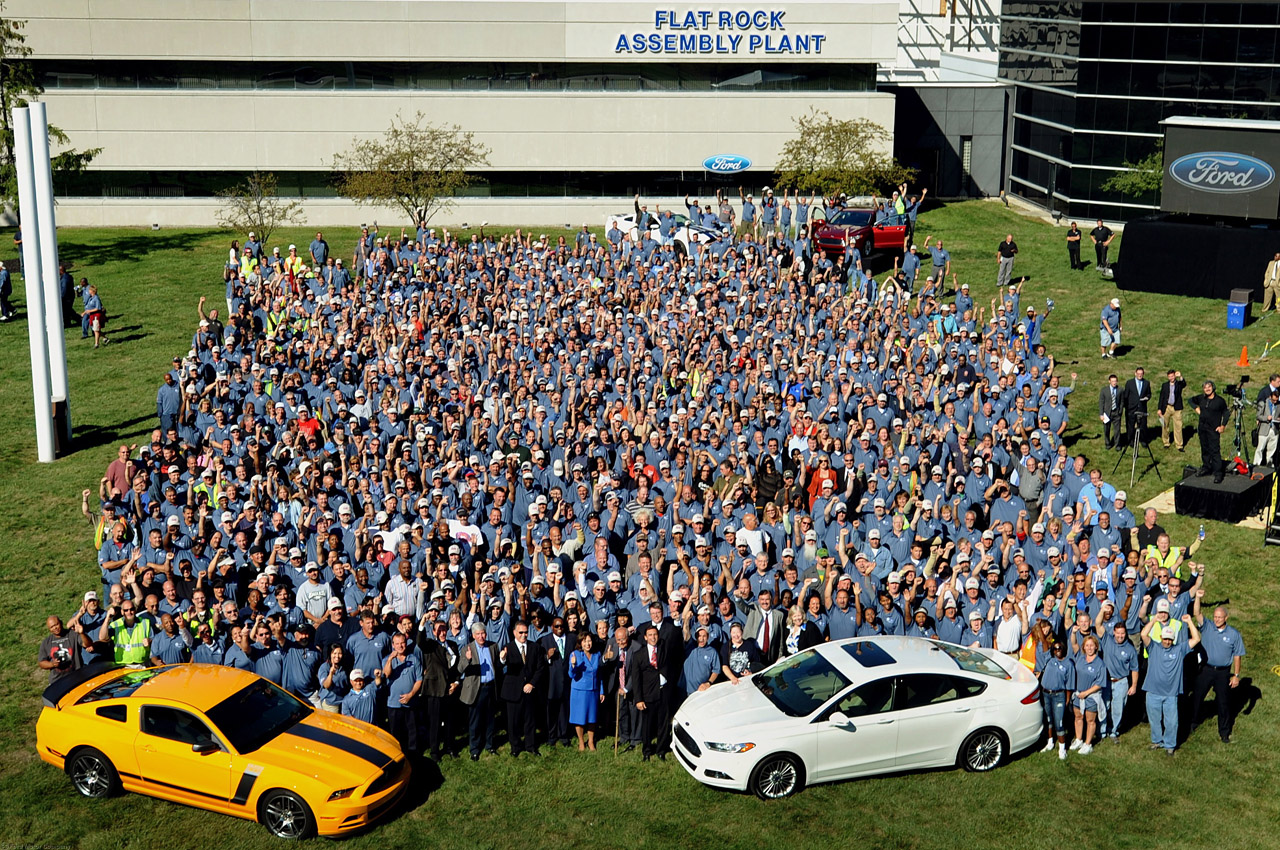
These three companies dominated the global automotive market for decades, producing a staggering variety of vehicles and pioneering countless technological advancements. Their immense success ensured that Detroit remained the nerve center of the industry, influencing everything from urban planning and labor relations to fashion and popular culture. The nickname “Motor City” thus became synonymous not just with the manufacturing of cars, but with an entire industrial ecosystem and way of life centered around the automobile.
Motor City’s Enduring Cultural Impact
Beyond its industrial prowess, Detroit’s identity as “Motor City” has deeply permeated its cultural fabric, giving rise to unique artistic expressions and a spirit of resilience that continues to define the city. The dynamic energy generated by the automotive industry fostered an environment ripe for creativity and innovation in diverse fields.
Music, Art, and Innovation beyond Cars
The influx of diverse populations drawn by automotive jobs created a vibrant cultural melting pot that manifested profoundly in music. Detroit became a fertile ground for blues, jazz, and gospel, eventually giving birth to one of the most influential music labels in history: Motown Records. Founded by Berry Gordy Jr. in 1959, Motown produced a distinctive sound that blended pop, soul, R&B, and gospel, achieving crossover success that broke racial barriers. Artists like The Supremes, Stevie Wonder, Marvin Gaye, and Michael Jackson became global superstars, spreading Detroit’s cultural influence far and wide. The disciplined, assembly-line-like approach to hit-making at Motown even mirrored the city’s industrial roots.
In the realm of art, Detroit developed a rich tradition, particularly in muralism and public art, reflecting its working-class heritage and diverse communities. The grandeur of its architectural legacy, especially downtown’s Art Deco skyscrapers, also stands as a testament to the wealth and ambition of its automotive heyday. Even today, Detroit’s reputation for innovation extends beyond vehicles into technology, design, and urban revitalization.
A Legacy of Resilience and Reinvention
The journey of Detroit as “Motor City” has not been without its challenges. Economic downturns, global competition, and shifts in industrial paradigms led to significant struggles for the city, culminating in its bankruptcy in 2013. However, throughout these tribulations, the spirit of “Motor City” – characterized by ingenuity, hard work, and an unyielding drive for progress – has remained.
Detroit’s narrative is one of remarkable resilience and ongoing reinvention. The city is actively diversifying its economy, fostering new industries, and revitalizing its urban core. Yet, its automotive heritage remains a source of immense pride and a foundational element of its local culture. The lessons learned from the rise and challenges of the automotive industry have instilled in Detroiters a unique capacity for adaptation and a fierce determination to innovate, qualities that continue to drive the city’s resurgence.
Experiencing Modern Motor City
For tourists seeking to understand the unique local culture of Detroit, immersing oneself in its automotive legacy is an absolute must. The city offers a fascinating blend of historical sites and contemporary attractions that illuminate its “Motor City” identity while showcasing its vibrant evolution.
Automotive Heritage Sites
No visit to Motor City is complete without exploring the institutions that chronicle its automotive past. The Henry Ford Museum of American Innovation and Greenfield Village in nearby Dearborn offer an unparalleled deep dive into American ingenuity, with vast collections of vehicles, machinery, and historic buildings, including the workshop where Henry Ford built his first car. The Ford Rouge Factory Tour provides a thrilling, modern-day perspective on automotive manufacturing, allowing visitors to witness the assembly of contemporary Ford F-150 trucks firsthand.
Other notable sites include the Detroit Historical Museum, which features an excellent “Streets of Old Detroit” exhibit and chronicles the city’s industrial rise, and the GM Renaissance Center, the headquarters of General Motors and an iconic part of the Detroit skyline, offering shops, restaurants, and stunning views of the city and the Detroit River.

Beyond the Wheel: Detroit’s New Vibrancy
While its automotive roots are undeniable, modern Detroit offers a rich tapestry of experiences that extend beyond cars, reflecting its ongoing cultural dynamism. The Detroit Institute of Arts houses an impressive collection, including Diego Rivera’s monumental “Detroit Industry Murals,” which vividly depict the city’s manufacturing might. The Charles H. Wright Museum of African American History provides crucial insights into the contributions of African Americans to the city’s culture and industry.
Exploring neighborhoods like Greektown for its lively atmosphere and cuisine, or the historic Eastern Market for local produce and artisanal goods, reveals the city’s diverse community spirit. Even the urban greenspace of Belle Isle Park offers a peaceful retreat with historical attractions. These experiences demonstrate that while the automobile industry undeniably shaped Detroit’s past and present, the city is constantly evolving, driven by the same innovative spirit that first earned it the title of “Motor City.”
In conclusion, Detroit is called “Motor City” because it was the birthplace and undisputed capital of the global automotive industry. This designation is not merely historical; it is a living part of the city’s identity, influencing its economy, architecture, music, and the enduring character of its people. For visitors, understanding this profound connection is key to appreciating the local culture and the unique resilience that continues to drive Detroit’s journey of reinvention. It’s a city where the roar of an engine echoes through history, reminding everyone of its powerful legacy.
LifeOutOfTheBox is a participant in the Amazon Services LLC Associates Program, an affiliate advertising program designed to provide a means for sites to earn advertising fees by advertising and linking to Amazon.com. Amazon, the Amazon logo, AmazonSupply, and the AmazonSupply logo are trademarks of Amazon.com, Inc. or its affiliates. As an Amazon Associate we earn affiliate commissions from qualifying purchases.