
The allure of the Florida Keys is undeniable. A string of tropical islands stretching southwest from the tip of mainland Florida, they beckon with turquoise waters, vibrant coral reefs, laid-back island vibes, and a unique blend of American and Caribbean culture. For many travelers, the gateway to this paradise is the bustling metropolis of Miami. Whether you’re planning a day trip, a weekend escape, or the start of a longer adventure, understanding the distance and travel time from Miami to the Keys is crucial for effective planning. This comprehensive guide will delve into the specifics, offering insights into the journey, the destinations along the way, and what to expect as you make your way south.
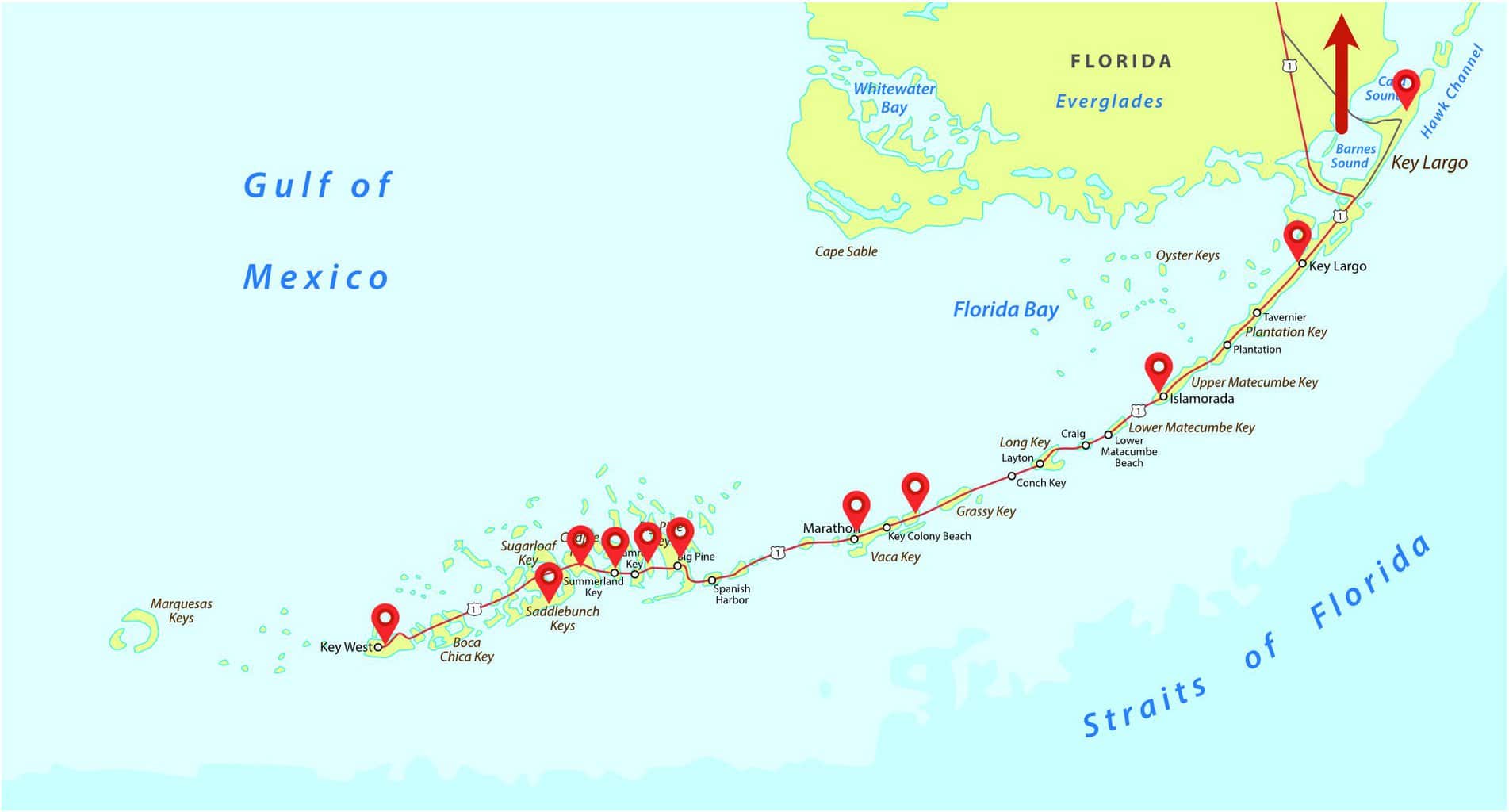
The primary route to the Florida Keys from Miami is the iconic Overseas Highway, officially known as U.S. Route 1. This legendary road is an engineering marvel, an 113-mile stretch of roadway that connects the mainland to the southernmost point of the continental United States, Key West. The highway is more than just a transportation artery; it’s an experience in itself, offering breathtaking panoramic views of the ocean, the Gulf of Mexico, and the archipelago of islands. As you drive, you’ll traverse numerous bridges, each with its own story and vista, crossing over the shimmering waters that define the Keys.
The Journey South: Understanding the Distances and Timelines
The total distance from Miami to the end of the road in Key West is approximately 165 miles when accounting for the initial stretch from Miami to the start of the Keys archipelago. However, the true “Keys” experience begins as you cross the first causeway and enter the Lower Keys. The driving time can vary significantly based on several factors, including traffic conditions, the specific time of day, and your ultimate destination within the Keys.
Driving to Key West: The Ultimate Destination
For most visitors, the ultimate goal when traveling from Miami to the Keys is the vibrant and eclectic city of Key West. The drive from Miami to Key West via the Overseas Highway typically takes between 3.5 to 4.5 hours of pure driving time. This estimate does not include any stops you might wish to make along the way. Given the scenic beauty and the numerous attractions scattered throughout the Keys, it’s highly recommended to break up the journey and savor the experience.
- Miami to Key Largo: The first major island you’ll encounter is Key Largo, approximately 65 miles from Miami. This drive can take around 1.5 to 2 hours, depending on traffic leaving Miami. Key Largo is known as the “Diving Capital of the World” and is home to John Pennekamp Coral Reef State Park, a must-visit for snorkelers and divers.
- Key Largo to Marathon: Continuing south, you’ll reach Marathon, about 50 miles from Key Largo. This segment of the drive will take roughly another hour. Marathon is a central hub for the Keys, offering excellent opportunities for fishing, kayaking, and visiting the Turtle Hospital.
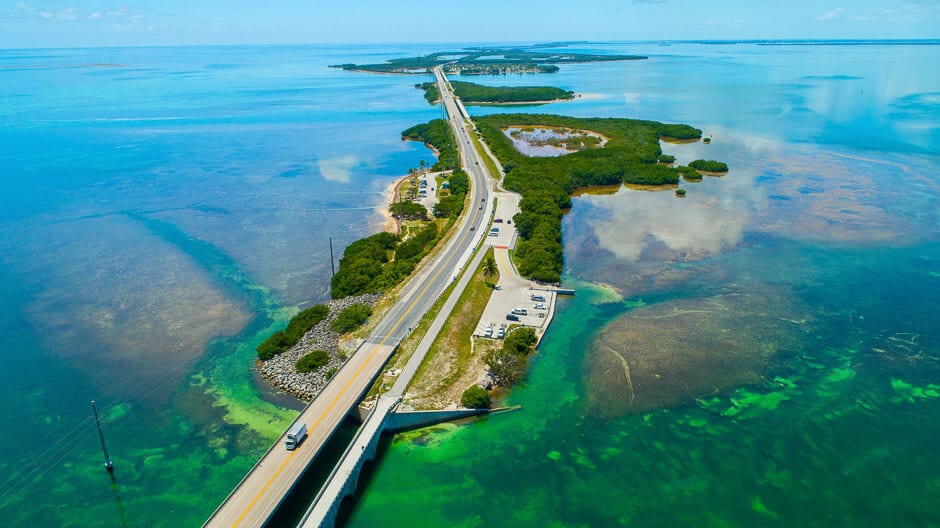
- Marathon to Key West: The final leg of the journey from Marathon to Key West is approximately 50 miles and can take another 1.5 to 2 hours, depending on how congested the approaches to Key West become. This stretch includes crossing the impressive Seven Mile Bridge, a historical landmark offering stunning ocean vistas.
Pro Tip: Weekend traffic, especially on Friday afternoons and Sunday evenings, can significantly increase travel times. Consider departing early in the morning or mid-week if possible to avoid congestion.
Exploring the Middle and Lower Keys: Staggered Destinations
While Key West is the ultimate destination for many, the journey itself is filled with charming towns and unique attractions that deserve exploration. The Middle and Lower Keys offer a more tranquil experience compared to the lively atmosphere of Key West.
The Middle Keys: A Blend of Nature and Relaxation
The Middle Keys, roughly from Marathon to the Seven Mile Bridge, are home to islands like Duck Key and Vaca Key. These islands offer a more laid-back pace and are ideal for those seeking water-based activities and a connection with nature.
- Marathon: As mentioned, Marathon is a central point in the Middle Keys. It boasts beautiful beaches like Sombrero Beach and provides access to numerous boating and fishing excursions. It’s also a great place to experience local seafood at its finest.
- Islamorada: Often referred to as the “Sportfishing Capital of the World,” Islamorada is a collection of islands that make up the Upper Middle Keys. It’s known for its excellent fishing charters, dive sites, and the famous Robbie’s of Islamorada, where you can feed the tarpon. The drive from Miami to Islamorada is approximately 85 miles and takes about 2 to 2.5 hours.
The Lower Keys: Gateway to Pristine Nature
The Lower Keys, stretching from the Seven Mile Bridge towards Key West, offer a more secluded and natural feel. This section of the Overseas Highway is a testament to the incredible engineering that makes the Keys accessible.
- Big Pine Key: This is the largest island in the Lower Keys and is a haven for wildlife, including the endangered Key deer. Visitors can explore the National Key Deer Refuge and enjoy the natural beauty of the area. The drive from Marathon to Big Pine Key is about 30 miles, taking around 45 minutes.
- Naval Air Station Key West: While primarily a military installation, its presence influences the area. The journey continues through smaller, less populated islands that contribute to the unique character of the Lower Keys.
Transportation Options: Beyond the Car
While driving your own vehicle or a rental car is the most popular and flexible way to travel from Miami to the Florida Keys, other transportation options are available, catering to different preferences and travel styles.
Bus Services and Shuttles
For those who prefer not to drive, bus services and shuttle companies offer a convenient way to reach the Keys. These services typically depart from major transportation hubs in Miami, such as Miami International Airport or Miami Dade College.
- Shuttle Services: Several private shuttle companies operate routes to various points in the Keys, including Key Largo, Marathon, and Key West. These can be a good option for solo travelers or couples looking for a hassle-free journey. Booking in advance is often recommended.
- Public Bus (Limited): While not as extensive as in mainland cities, there are some limited public bus services that connect parts of the Keys. However, for comprehensive travel within the Keys themselves, a car or local transportation is generally more practical.
Flying to the Keys
Direct commercial flights into the Florida Keys are limited. The primary airport serving the Keys is Key West International Airport (EYW).
- Flights from Miami: While you can fly from Miami to Key West, these are not always direct and can sometimes be more expensive and time-consuming than driving, considering airport transfers and waiting times. However, for those short on time, it’s a viable option.
- Regional Airports: Smaller airstrips exist in the Keys, but they are primarily for private aircraft.
For most travelers, the road trip along the Overseas Highway remains the quintessential way to experience the journey from Miami to the Florida Keys, offering an unparalleled opportunity to soak in the stunning scenery and discover the charm of each island.
Planning Your Keys Experience: Accommodations and Activities
The distance from Miami to the Keys is not just a number; it’s an invitation to a different pace of life. When planning your trip, consider not only how to get there but also where you’ll stay and what you’ll do. The Keys offer a wide range of accommodations, from luxurious resorts to cozy apartments and budget-friendly options, catering to every travel style and budget.
Where to Stay: From Luxury Resorts to Charming Inns
The choice of accommodation will greatly influence your Keys experience. Whether you’re looking for a romantic getaway, a family adventure, or a solo escape, the Keys have you covered.
- Key West: Famous for its boutique hotels, historic inns, and lively atmosphere, Key West offers a plethora of lodging options. Many are within walking distance of attractions like Duval Street and the Ernest Hemingway Home and Museum. Look for places like the Casa Marina Key West, Curio Collection by Hilton for a luxurious beachfront experience or smaller guesthouses for a more intimate feel.
- Marathon: As a central hub, Marathon provides access to a variety of hotels, vacation rentals, and waterfront properties. It’s a good base for exploring both the Middle and Lower Keys.
- Islamorada: Known for its upscale resorts and fishing lodges, Islamorada offers a more tranquil, yet sophisticated, experience. Properties like Cheeca Lodge & Spa are renowned for their amenities and service.
- Key Largo: This island offers a range of accommodations, from dive resorts to family-friendly hotels, many situated near the famous underwater park.
Must-Do Activities: Embracing the Island Lifestyle
The Florida Keys are a playground for outdoor enthusiasts and culture seekers alike. The activities available are as diverse as the islands themselves.
- Water Sports: Snorkeling and diving are paramount, with the Florida Keys National Marine Sanctuary being a world-class destination. Kayaking, paddleboarding, and sailing are also incredibly popular.
- Exploring Local Culture: Immerse yourself in the unique history and culture of the Keys. Visit the Ernest Hemingway Home and Museum in Key West, explore the maritime history at the Key West Shipwreck Museum, and enjoy the live music scene in the evenings.
- Wildlife Encounters: From feeding tarpon at Robbie’s of Islamorada to spotting the endangered Key deer on Big Pine Key, the Keys offer fantastic opportunities for wildlife observation.
- Culinary Delights: Indulge in fresh seafood, conch fritters, key lime pie, and the diverse culinary influences that make the Keys a gastronomic adventure.
Understanding the distance from Miami to the Keys is the first step in unlocking an unforgettable experience. Whether you choose to drive straight through to Key West or plan a multi-day exploration, the journey is as rewarding as the destination. The Overseas Highway is more than just a road; it’s a vibrant pathway through a chain of tropical gems, each with its own story waiting to be discovered.
LifeOutOfTheBox is a participant in the Amazon Services LLC Associates Program, an affiliate advertising program designed to provide a means for sites to earn advertising fees by advertising and linking to Amazon.com. Amazon, the Amazon logo, AmazonSupply, and the AmazonSupply logo are trademarks of Amazon.com, Inc. or its affiliates. As an Amazon Associate we earn affiliate commissions from qualifying purchases.