
The majestic Colorado Blue Spruce (Picea pungens) is a quintessential symbol of the American West, gracing landscapes from its native Rocky Mountains to countless gardens and public spaces worldwide. Its striking blue-green foliage, dense pyramidal form, and resilience have made it a highly sought-after ornamental tree. For those considering landscaping with this iconic conifer, a primary question often arises: how fast do Colorado Blue Spruce trees grow? Understanding their growth rate is crucial for effective landscape planning, anticipating mature size, and managing expectations regarding their development. This deep dive explores the factors influencing their growth, typical growth rates, and what to expect as these magnificent trees mature.

Understanding Colorado Blue Spruce Growth Patterns
The growth rate of any tree is influenced by a complex interplay of genetic predisposition and environmental conditions. For the Colorado Blue Spruce, these factors can significantly alter how quickly it reaches its impressive potential.
Genetic Factors
While all Colorado Blue Spruce trees share a common species designation, there can be variations in growth vigor due to genetic differences. Nurseries often propagate trees from selected parent trees known for desirable traits, including a more vigorous growth habit. When purchasing a Colorado Blue Spruce, inquiring about the source of the nursery stock can sometimes provide clues about its potential growth rate. However, for the average homeowner, the most impactful factors will likely be environmental.
Environmental Influences
The environment in which a Colorado Blue Spruce is planted plays a paramount role in its developmental trajectory. Key environmental considerations include:
- Sunlight Exposure: Colorado Blue Spruce trees are sun-lovers. They thrive in full sun, which provides the energy necessary for robust photosynthesis and vigorous growth. Planting in partial shade can significantly stunt their growth, leading to a slower development and potentially a less dense, more open form.
- Soil Conditions: While adaptable, Colorado Blue Spruce prefers well-drained, slightly acidic to neutral soils. Heavy clay soils that retain excessive moisture can lead to root rot and impede growth. Conversely, extremely sandy soils may not hold enough nutrients and water. Amending the soil with organic matter before planting can improve drainage and fertility, fostering healthier root development and, consequently, faster growth.
- Water Availability: Young trees require consistent moisture to establish a strong root system. Once established, Colorado Blue Spruce is relatively drought-tolerant, thanks to its deep root system. However, prolonged periods of extreme drought, especially during the growing season, can slow growth. Consistent, deep watering during dry spells will support optimal development.
- Climate and Hardiness Zones: Colorado Blue Spruce is hardy in USDA Zones 2 through 7. Within this range, microclimates can still influence growth. Harsh winds, extreme temperature fluctuations, or late spring frosts can damage new growth, setting the tree back. Conversely, a protected location with a favorable climate will promote steady development.
- Nutrient Availability: Healthy soil rich in essential nutrients supports faster growth. While Colorado Blue Spruce is not typically a heavy feeder, a soil test can reveal deficiencies. If needed, a balanced evergreen fertilizer applied in the spring can provide a boost. Over-fertilization, however, can be detrimental, leading to weak, leggy growth susceptible to pests and diseases.
- Pest and Disease Management: Infestations by common spruce pests like the spruce gall aphid or diseases such as needle cast can weaken the tree, diverting its energy from growth to defense and repair. Proactive monitoring and timely intervention are crucial for maintaining vigorous growth.
Typical Growth Rates of Colorado Blue Spruce
When discussing the growth rate of Colorado Blue Spruce, it’s essential to distinguish between its young, establishment phase and its more mature stages. Like many trees, Colorado Blue Spruce exhibits a period of slower growth as it focuses on developing its root system, followed by a more rapid phase of vertical and lateral expansion.
Initial Establishment Phase (First 1-3 Years)
In the first few years after planting, a Colorado Blue Spruce will often appear to grow quite slowly. This is a critical period for root establishment. The tree is dedicating most of its energy to anchoring itself and exploring the surrounding soil for water and nutrients. During this phase, you might observe an increase of only 4-6 inches per year. This slow start is normal and should not be a cause for concern, provided the tree shows signs of good health (e.g., green needles, no wilting).
Moderate Growth Phase (Years 3-10)
Once the root system is well-established, the Colorado Blue Spruce typically enters a phase of moderate to rapid growth. This is when the tree begins to exhibit its characteristic development, putting on height and width more noticeably. During this period, an average Colorado Blue Spruce can be expected to grow between 10 to 12 inches vertically per year. In ideal conditions with abundant sunlight, well-drained soil, and adequate moisture, some specimens might even exceed this, reaching up to 18 inches annually. Lateral growth, or the widening of the crown, will also become more apparent during these years.
Mature Growth Rate (After 10 Years)
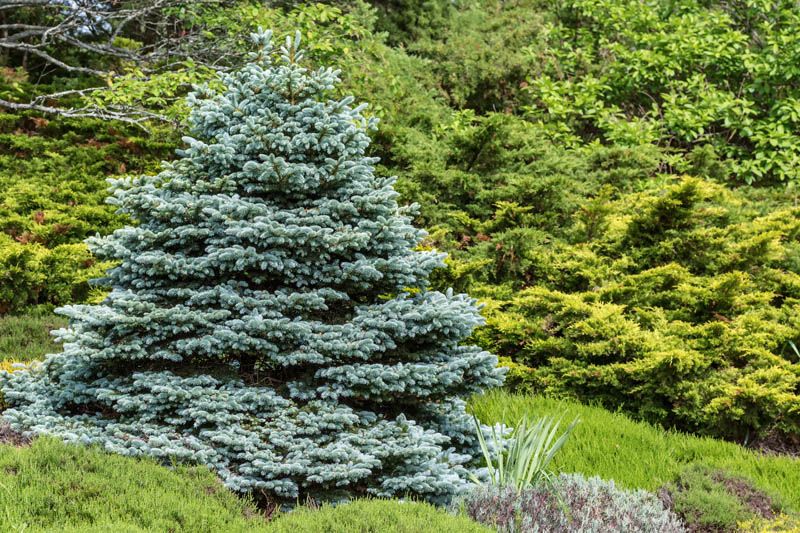
As the Colorado Blue Spruce matures, its growth rate naturally begins to slow down. While it will continue to increase in size for many decades, the rapid vertical expansion seen in its younger to middle years will taper off. Mature trees might add only 6 to 8 inches in height annually. The focus shifts from rapid vertical growth to thickening the trunk and expanding the canopy. This slowdown is a natural part of the tree’s life cycle, allowing it to consolidate its structure and prepare for long-term survival.
Factors Influencing the Speed of Growth
Beyond the general phases, several specific factors can accelerate or decelerate the growth of your Colorado Blue Spruce:
Optimal Site Selection
- Sunlight: As mentioned, full sun (at least six hours of direct sunlight per day) is paramount. Insufficient light forces the tree to expend energy reaching for it, thus slowing overall growth.
- Soil Drainage: Planting in a location that allows for excellent drainage is non-negotiable. Poor drainage leads to root rot, a common killer of spruces. If your soil is heavy clay, consider amending it with compost or planting on a raised berm to improve drainage.
- Air Circulation: Good air circulation helps to prevent fungal diseases. Avoid planting spruces too close together or in stagnant, humid areas.
Proper Watering and Fertilization
- Watering Regimen: For young trees (first 2-3 years), water deeply once or twice a week during dry periods. For established trees, supplemental watering may only be needed during extended droughts. Overwatering can be as detrimental as underwatering.
- Fertilization: If your soil is poor, a light application of a balanced, slow-release evergreen fertilizer in early spring can be beneficial. Avoid high-nitrogen fertilizers, which can promote weak growth. Generally, Colorado Blue Spruce in healthy soil does not require frequent fertilization.
Pest and Disease Prevention
- Monitoring: Regularly inspect your tree for signs of pests (e.g., aphids, scale insects) or diseases (e.g., needle cast, rusts). Early detection and treatment are key.
- Integrated Pest Management (IPM): Employing IPM strategies, which may include biological controls, horticultural oils, or targeted insecticides/fungicides only when necessary, helps maintain tree health and vigor. Healthy trees grow faster.
Pruning Practices
While Colorado Blue Spruce trees generally do not require extensive pruning, occasional removal of dead, damaged, or crossing branches can improve the tree’s health and structure, indirectly supporting better growth. Avoid shearing or “topping” the tree, as this can lead to an unnatural form and stress the tree. Pruning is best done in late winter or early spring before new growth begins.
Mature Size and Longevity
Understanding growth rate also helps in anticipating the final dimensions of your Colorado Blue Spruce. In its native habitat, and with optimal conditions, these trees can reach impressive heights of 60 to 75 feet, with some specimens potentially exceeding 100 feet over many decades. Their spread typically ranges from 20 to 30 feet.
The lifespan of a Colorado Blue Spruce is also substantial, often exceeding 100 years, and in ideal conditions, potentially much longer. Their longevity is a testament to their robust genetic makeup and adaptability. The slow, steady growth observed in their later years contributes to their dense wood and structural integrity, allowing them to withstand the elements for centuries.
When planting a Colorado Blue Spruce, it is crucial to consider its mature size. Adequate spacing from buildings, power lines, and other landscape features is essential to prevent future conflicts and allow the tree to develop its full, natural form without the need for drastic pruning that can hinder its growth and health. For instance, planting a Colorado Blue Spruce too close to a home in Denver might necessitate costly removal or extensive trimming decades down the line, impacting its aesthetic and ecological value.

Conclusion: Patience and Planning for a Majestic Specimen
The Colorado Blue Spruce is a tree that rewards patience and thoughtful planning. While its growth rate can vary significantly based on environmental factors and care, understanding these dynamics allows for informed decisions in landscaping. Expect a slow start, followed by a period of vigorous growth, and finally, a graceful maturation. By providing optimal conditions—full sun, well-drained soil, and adequate water—you can ensure your Colorado Blue Spruce thrives and contributes its iconic beauty to the landscape for generations, much like the enduring spirit of the Rocky Mountains it calls home. Whether gracing a garden in Boulder or a park in Colorado Springs, the Colorado Blue Spruce is an investment in enduring natural splendor.
LifeOutOfTheBox is a participant in the Amazon Services LLC Associates Program, an affiliate advertising program designed to provide a means for sites to earn advertising fees by advertising and linking to Amazon.com. Amazon, the Amazon logo, AmazonSupply, and the AmazonSupply logo are trademarks of Amazon.com, Inc. or its affiliates. As an Amazon Associate we earn affiliate commissions from qualifying purchases.