
Miami, a vibrant metropolis nestled on the southeastern tip of Florida, is synonymous with sunshine, beaches, and a perpetually warm climate. For many, the allure of Miami lies precisely in its inviting temperatures, making it a coveted destination year-round. But how hot is it really in Miami, and what can you expect when you plan your visit? Understanding the nuances of its climate is crucial for maximizing your experience, whether you’re seeking a sun-drenched beach vacation, exploring its rich cultural tapestry, or indulging in its luxurious lifestyle.
The “How Hot Is It In Miami?” question is more than just a meteorological inquiry; it’s a gateway to understanding the Miami experience. From the best times to visit for optimal weather to how to prepare for the heat, this article delves into the climate of this iconic American city, ensuring your trip is as comfortable and enjoyable as possible. We’ll explore not only the average temperatures but also factors like humidity, rainfall, and the best seasons for different types of travel, catering to everyone from the budget traveler to the luxury seeker.
Understanding Miami’s Tropical Climate
Miami boasts a tropical monsoon climate, characterized by hot, humid summers and warm, drier winters. This classification means that the city experiences distinct wet and dry seasons. The prevailing winds from the Atlantic Ocean play a significant role in moderating temperatures, preventing the extreme highs that might be expected at similar latitudes further inland.
Seasonal Temperature and Weather Patterns
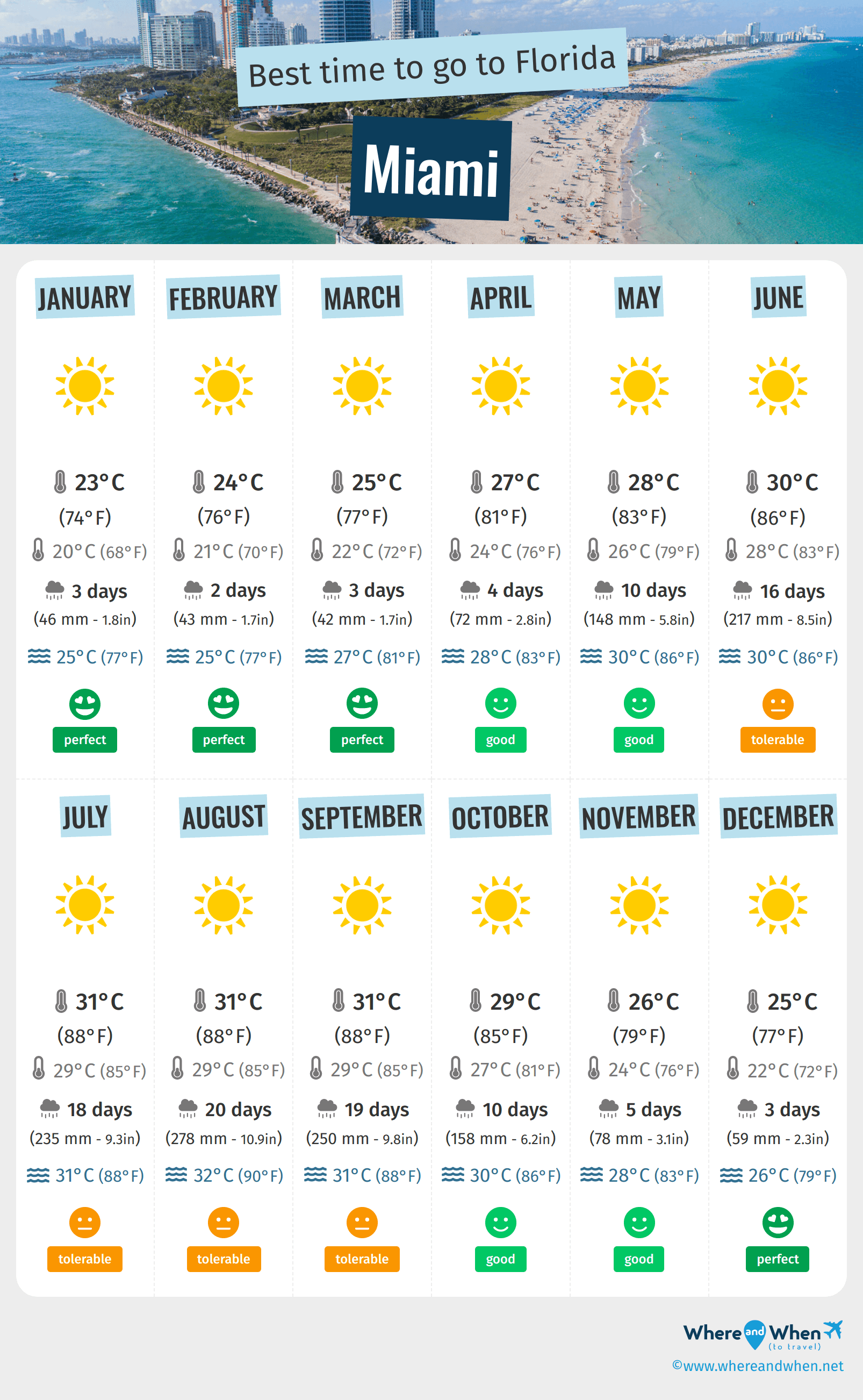
The annual temperature in Miami hovers around a balmy 76.5°F (24.7°C). However, this average masks the distinct variations between its two primary seasons: the wet season and the dry season.
The Sizzling Summer Months (June – September)
This period marks Miami‘s wet season and is undeniably the hottest time of the year. Average daily temperatures typically range from the mid-80s to the low-90s Fahrenheit (around 29-33°C). However, the heat index, which accounts for humidity, often pushes the “feels like” temperature into the triple digits. Humidity levels can soar, making the air feel thick and heavy.
Rainfall is also at its peak during these months. Afternoon thunderstorms are a daily occurrence, often characterized by brief but intense downpours, followed by clearing skies and more sunshine. These storms, while sometimes disruptive, are vital for cooling down the environment and are a hallmark of the tropical climate. They rarely last all day, so planning around them is key.
Despite the heat and humidity, this is a popular time for visitors who don’t mind the intensity. The ocean temperatures are at their warmest, making it ideal for swimming and water sports. Many hotels offer lower rates during the summer due to the challenging weather conditions.
The Pleasant Winter Months (December – March)
The dry season in Miami brings a welcome respite from the summer heat and humidity. Temperatures are significantly milder, with average daily highs ranging from the mid-70s to low-80s Fahrenheit (around 24-28°C). Nights can cool down to the pleasant 60s Fahrenheit (15-20°C), making for comfortable evenings.
Humidity levels are lower, and rainfall is considerably less frequent. Sunny days are the norm, with clear blue skies dominating the weather forecast. This period is considered the prime tourist season for a reason – the weather is near perfect for exploring the city, lounging on the beaches, and enjoying outdoor activities.
However, this ideal weather comes with higher demand and, consequently, higher prices for flights and accommodation. If you’re looking for the quintessential Miami beach experience with comfortable temperatures, the winter months are your best bet, but booking in advance is highly recommended.
The Transitional Spring and Fall
Miami‘s spring (April – May) and fall (October – November) offer transitional periods with pleasant weather that often strikes a balance between the extremes of summer and winter.
-
Spring: Temperatures begin to rise from the winter lows, but humidity is generally still manageable. You can expect daytime highs in the upper 70s to mid-80s Fahrenheit (26-29°C). Rainfall starts to increase as the season progresses towards summer. This is a fantastic time to visit, offering good weather without the peak crowds and prices of winter.
-
Fall: As the hurricane season officially ends in November, the weather in Miami begins to cool and dry out. October can still be quite warm and humid, with temperatures in the low 80s Fahrenheit (around 27-28°C) and a chance of lingering rain. By November, temperatures start to drop into the comfortable 70s Fahrenheit (around 21-24°C), and humidity decreases, making it another excellent shoulder season for travelers.
Planning Your Miami Trip Around the Heat
When planning a trip to Miami, understanding the heat is paramount to enjoying its many attractions. The question “How hot is it in Miami?” directly influences what you pack, what activities you prioritize, and even where you choose to stay.
Optimal Times for Different Travel Styles
Miami‘s diverse offerings cater to various travel styles, and the climate plays a significant role in optimizing each experience.
Beach Lovers and Sun Seekers
For those whose primary goal is to soak up the sun on world-renowned beaches like South Beach, the winter months (December to March) offer the most comfortable experience. The temperatures are warm enough for sunbathing and swimming without the oppressive heat and humidity of summer. The water temperature, while cooler than in summer, is still pleasant for most.
If you don’t mind a bit more heat and humidity, the shoulder seasons of spring and fall can also be excellent for beach-goers. You’ll find fewer crowds and potentially better deals on accommodation at places like the iconic Fontainebleau Miami Beach or the chic Faena Hotel Miami Beach.
Cultural Explorers and City Sightseers
Miami‘s vibrant cultural scene, from the historic Art Deco District in South Beach to the colorful streets of Wynwood and the Cuban influences in Little Havana, can be explored year-round. However, the most comfortable times for extensive walking and exploring landmarks like the Vizcaya Museum & Gardens or the Perez Art Museum Miami are during the cooler, drier months of winter and the shoulder seasons.
During the hot summer months, it’s wise to plan indoor activities or excursions during the cooler parts of the day. Museums, indoor markets, and air-conditioned shopping malls like Bayside Marketplace offer excellent alternatives. Evenings are often the best time to explore outdoor areas, as temperatures tend to drop slightly.
Foodies and Nightlife Enthusiasts
Miami‘s culinary landscape and buzzing nightlife are active regardless of the season. However, enjoying outdoor dining experiences or strolling through lively entertainment districts like Ocean Drive is more pleasurable when the temperatures are milder. The winter and shoulder seasons offer a delightful backdrop for indulging in Miami‘s diverse gastronomic offerings, from fresh seafood to Latin American flavors.
Even in the summer, the city’s nightlife thrives, with air-conditioned clubs and bars providing a cool escape. Outdoor events and rooftop bars can still be enjoyed, especially in the early evening before the peak heat of the day.
Preparing for Miami’s Heat and Humidity
Regardless of when you visit, Miami‘s climate demands preparation. Understanding how to manage the heat and humidity will significantly enhance your comfort and enjoyment.
Hydration is Key
Drinking plenty of water is non-negotiable, especially during the summer months. Carry a reusable water bottle and refill it frequently. Electrolyte drinks can also be beneficial if you’re engaging in strenuous outdoor activities or spending extended periods in the sun. Avoid excessive consumption of dehydrating beverages like alcohol and caffeine, which can exacerbate fluid loss.
Dress Appropriately
Lightweight, breathable fabrics are your best friend in Miami. Opt for cotton, linen, or moisture-wicking materials. Loose-fitting clothing will allow for better air circulation. Think sundresses, shorts, t-shirts, and light blouses. Don’t forget swimwear, as Miami‘s beaches and pools are a major draw.
A wide-brimmed hat and sunglasses are essential for protecting your face and eyes from the strong Florida sun. Sunscreen with a high SPF is a must, applied liberally and reapplied every couple of hours, especially after swimming.
Embrace Air Conditioning
Miami‘s air conditioning is a saving grace. Plan to incorporate breaks in air-conditioned environments throughout your day. This could include visiting museums, art galleries, indoor restaurants, shopping centers, or simply returning to your hotel at the Iconic Grand Beach Hotel or a cozy apartment rental for a cool-down period.
Timing Your Outdoor Activities
When the sun is at its strongest, typically between 10 AM and 4 PM, it’s best to limit your time outdoors. Schedule strenuous activities, extensive sightseeing, or long beach sessions for the cooler morning hours or the late afternoon and evening. Many of Miami‘s attractions, like the Art Deco Historic District, are particularly beautiful to explore during sunset.
Consider Your Accommodation Wisely
When booking your stay, consider the amenities that will help you beat the heat. A hotel with a well-maintained pool, like the Fontainebleau Miami Beach, is invaluable for cooling off. If you’re in a vacation rental, ensure it has reliable air conditioning. Many luxury resorts in areas like Miami Beach and Brickell are designed with climate control in mind.
Beyond the Temperature: Experiencing Miami’s Climate and Lifestyle
The heat in Miami is not merely a number on a thermometer; it’s an integral part of the city’s character and influences its unique lifestyle. From the lush, tropical landscaping to the vibrant outdoor cafes, the climate shapes how residents and visitors alike experience this dynamic destination.
The Influence of Climate on Miami’s Attractions
Miami‘s natural beauty is amplified by its tropical climate. The warm weather supports an abundance of flora and fauna, visible in places like the Fairchild Tropical Botanic Garden and the nearby Everglades National Park. The constant sunshine contributes to the city’s reputation for vibrant colors, from the pastel hues of South Beach‘s Art Deco architecture to the bold murals in Wynwood.
The ocean itself, tempered by the warm climate, is a central element of Miami life. Warm waters make activities like swimming, snorkeling, and diving in places like Biscayne National Park comfortable year-round. The beaches are not just places to relax; they are extensions of the city’s social life, filled with people enjoying the sun and sea well into the evening.
Lifestyle Adaptations and Activities
Miami‘s residents have long adapted to the climate, fostering a lifestyle that embraces the outdoors while respecting the heat. This translates into a culture that values outdoor recreation, al fresco dining, and a generally relaxed pace, particularly during the hottest parts of the day.
-
Outdoor Dining: Restaurants across Miami boast extensive outdoor seating, from casual cafes on Lincoln Road to upscale establishments overlooking the bay. Dining under the stars, even during warmer months, is a cherished part of the Miami experience.
-
Waterfront Activities: Beyond the beaches, Miami offers numerous opportunities for enjoying the water. Boating, paddleboarding, and kayaking are popular ways to stay cool and explore the coastline. Many luxury hotels and resorts offer direct access to marinas and water sports facilities.
-
Festivals and Events: The city hosts a continuous calendar of festivals and events, many of which take advantage of the climate. From art walks to food festivals and music concerts, there’s always something happening. While some events might be geared towards cooler times, many are designed to be enjoyed even in warmer weather, often with shaded areas and cooling stations.
Packing Smart for Your Miami Adventure
When asking “How hot is it in Miami?”, the answer should inform your packing strategy. A well-packed suitcase will ensure you’re comfortable and prepared for whatever the Miami weather throws at you.
- Essentials: Swimsuits are a must. Pack at least two so one can dry while you wear the other. Lightweight cover-ups are perfect for the beach or pool.
- Clothing: Focus on casual, breathable clothing. Think shorts, t-shirts, tank tops, sundresses, and light skirts. For evenings, you might want a light sweater or a stylish jacket, as some restaurants and bars can be cool.
- Footwear: Comfortable sandals, flip-flops, and walking shoes are essential. If you plan on any dressier evenings, pack a pair of wedges or smart flats.
- Sun Protection: A wide-brimmed hat, sunglasses, and high-SPF sunscreen are non-negotiable. Consider a light scarf or sarong for added sun protection.
- Rain Gear: Even in the dry season, occasional showers can occur. A compact umbrella or a lightweight, waterproof jacket is a sensible addition to your packing list.
- Health and Comfort: Insect repellent is advisable, especially for evenings or if you plan to visit more natural areas. Any personal medications you require should be brought along.
By understanding the nuances of Miami‘s climate and preparing accordingly, you can ensure your trip is filled with sunshine, adventure, and the vibrant spirit that makes this Florida gem so captivating. Whether you’re drawn to its iconic beaches, its pulsating cultural scene, or its luxurious accommodations, Miami promises an unforgettable experience, perfectly complemented by its famously warm embrace.
LifeOutOfTheBox is a participant in the Amazon Services LLC Associates Program, an affiliate advertising program designed to provide a means for sites to earn advertising fees by advertising and linking to Amazon.com. Amazon, the Amazon logo, AmazonSupply, and the AmazonSupply logo are trademarks of Amazon.com, Inc. or its affiliates. As an Amazon Associate we earn affiliate commissions from qualifying purchases.