
Embarking on a journey from the sun-drenched shores of Los Angeles to the romantic heart of France, Paris, is a dream for many. The allure of iconic landmarks, exquisite cuisine, and a rich cultural tapestry beckons travelers from across the globe. However, before the excitement of Parisian adventures fully sets in, a practical question often arises: “How long is the flight from Los Angeles to Paris?” This journey, spanning the vast expanse of the Atlantic Ocean, is a significant undertaking, and understanding its duration is key to planning your itinerary, packing your carry-on, and mentally preparing for the transatlantic hop.
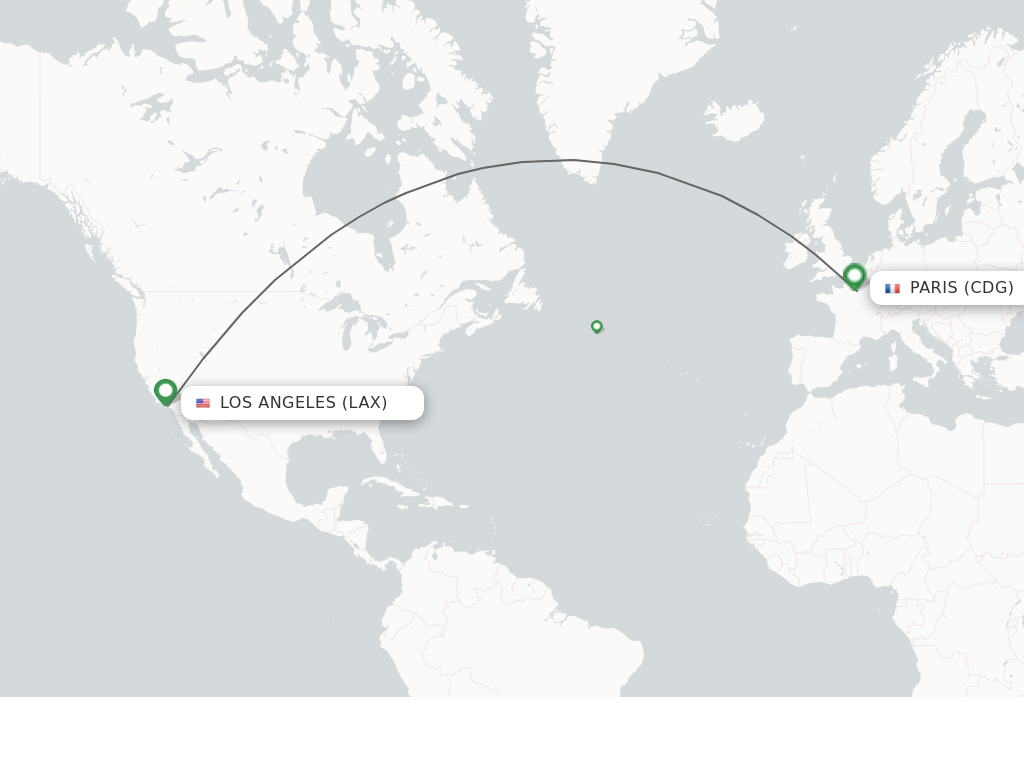
The length of your flight is not a static figure; it’s a dynamic calculation influenced by a confluence of factors. While the geographical distance between the two cities provides a baseline, the actual time spent in the air is a complex interplay of airline schedules, aircraft capabilities, wind patterns, and air traffic control. For travelers considering this popular route, knowing the typical flight duration is crucial for booking the right flights, arranging ground transportation upon arrival, and even determining the best time to depart to maximize your Parisian experience. This article will delve into the specifics of flight times, explore the variables that affect them, and offer insights to help you make the most of your journey to the City of Lights.
Understanding Transatlantic Flight Durations
The most direct answer to “How long is the flight from Los Angeles to Paris?” typically hovers around 9 to 10 hours for non-stop flights. This is the benchmark against which most other flight options are measured. However, this timeframe is an average, and actual flight durations can fluctuate.
Factors Influencing Flight Time
Several key elements contribute to the variability in flight durations between Los Angeles and Paris:
- Route and Jet Streams: Aircraft utilize specific flight paths to optimize speed and fuel efficiency. The most common route for eastbound transatlantic flights takes advantage of the jet stream, a high-altitude current of air that can significantly speed up journeys. Traveling with the jet stream can shave precious minutes, or even hours, off the flight duration. Conversely, flying against the jet stream, or taking a less direct route due to weather or air traffic, will lengthen the flight.
- Aircraft Type: Modern commercial aircraft vary in their cruising speeds. Larger, more advanced planes can often maintain higher speeds, contributing to slightly shorter flight times. The specific model of the aircraft operated by an airline, such as a Boeing 777, 787, or Airbus A380, can subtly influence the flight duration.
- Airline Scheduling: Airlines set their schedules based on a multitude of factors, including historical data, expected passenger demand, and operational efficiencies. While they aim for the most efficient routes, their scheduled flight times might include a buffer for potential delays, meaning the actual flight might be a little shorter than advertised.
- Weather Conditions: While less impactful on long-haul flights once at cruising altitude, severe weather at departure or arrival airports, or along the flight path, can cause delays, diversions, or necessitate slower speeds, thereby extending the overall journey time.
- Air Traffic Control: Congestion at major airports like Los Angeles International Airport (LAX) and Charles de Gaulle Airport (CDG) or during busy periods in the airspace over the Atlantic and Europe can lead to holding patterns or slower approaches, adding time to the flight.
Non-Stop vs. Connecting Flights
The distinction between non-stop and connecting flights is perhaps the most significant factor in determining your total travel time.
- Non-Stop Flights: These are the most sought-after for their efficiency. As mentioned, they typically range from 9 to 10 hours. This allows you to reach your destination with minimal disruption, maximizing your time on the ground in Paris. Major airlines like Air France, Delta Air Lines, and United Airlines often operate direct services between Los Angeles and Paris.
- Connecting Flights: These flights involve at least one stopover, usually in another major city within the United States or Europe. While they might sometimes offer a lower fare, they significantly increase the total travel time. A connecting flight can easily stretch the journey to 12 hours or more, depending on the layover duration. Common connection points might include cities like New York, Chicago, or even cities in Canada like Toronto or Montreal. The total time includes the flight segments plus the time spent in the connecting airport. For example, a flight with a 3-hour layover could easily bring the total travel time to 12-15 hours.
Planning Your Journey: Tips for a Smooth Transatlantic Flight
Knowing the flight duration is just the first step. To ensure a comfortable and enjoyable experience, consider these planning tips.
Maximizing Comfort and Minimizing Jet Lag
A long flight can be taxing, but with a little preparation, you can arrive in Paris feeling refreshed and ready to explore.
- Choose Your Seat Wisely: If possible, opt for a seat in an area with more legroom, such as an exit row or premium economy. Consider your personal preferences: some prefer to be closer to the front for quicker deplaning, while others might prefer a window seat for the view or an aisle seat for easier access. Many airlines offer seat selection options during booking, often for an additional fee.
- Stay Hydrated and Move: The dry cabin air can lead to dehydration. Drink plenty of water throughout the flight and limit alcohol and caffeine. Get up and walk around the cabin every hour or two to improve circulation and reduce the risk of deep vein thrombosis. Stretching in your seat can also be beneficial.
- Entertainment and Sleep: Bring a good book, download movies and podcasts, or utilize the in-flight entertainment system. For better sleep, consider an eye mask, earplugs, and a comfortable neck pillow. Try to adjust your sleep schedule to Paris time as soon as possible, ideally by napping on the plane during nighttime hours in France.
- Dress Comfortably: Opt for loose-fitting, breathable clothing. Layers are essential, as cabin temperatures can fluctuate. Comfortable shoes are a must, especially if you anticipate a lot of walking upon arrival.
Navigating Arrival in Paris
Upon landing at Charles de Gaulle Airport (CDG) or Orly Airport (ORY), you’ll need to factor in time for deplaning, immigration, baggage claim, and onward travel to your accommodation.
- Immigration and Customs: While typically efficient, these processes can sometimes take longer, especially during peak travel seasons. Having your travel documents readily accessible will help speed things up.
- Transportation from the Airport: Paris offers several excellent transportation options to get you into the city center. The RER train is a popular and efficient choice, connecting directly to various Métro lines. Taxis and ride-sharing services are also available, offering door-to-door convenience, though they are generally more expensive. Many hotels, such as the Shangri-La Paris or the Four Seasons Hotel George V Paris, can also arrange airport transfers for their guests.
- First Impressions and Jet Lag Management: Even after a short flight, the time difference can be noticeable. Try to get some natural light, engage in light activity, and avoid heavy meals upon arrival to help your body adjust to the new time zone. A gentle stroll through a charming neighborhood like Le Marais or along the Seine River can be a perfect introduction to the city.
Beyond the Flight: Experiencing Paris
The flight itself is merely the prelude to the rich experiences that await you in Paris. Once you’ve settled into your accommodation, whether it’s a luxurious suite at the Ritz Paris or a charming apartment in Saint-Germain-des-Prés, the city opens up with endless possibilities.

Iconic Landmarks and Cultural Immersion
Paris is renowned for its breathtaking landmarks and vibrant cultural scene. Your journey from Los Angeles is an investment in experiencing these wonders firsthand.
- Must-See Attractions: The timeless allure of the Eiffel Tower is undeniable, offering panoramic views of the city. The magnificent Louvre Museum houses an unparalleled collection of art, including the enigmatic Mona Lisa. A stroll through the historic Île de la Cité to admire Notre-Dame Cathedral (even in its ongoing restoration) and the stunning stained glass of Sainte-Chapelle is a quintessential Parisian experience. The grandeur of the Arc de Triomphe and the regal elegance of the Champs-Élysées are also essential stops.
- Local Flavors and Experiences: Beyond the famous monuments, Paris delights the senses with its culinary offerings. Indulge in flaky croissants from a local boulangerie, savor a classic French onion soup at a traditional bistro, or explore the diverse culinary landscape of neighborhoods like Montmartre. The city’s museums, theaters, and bustling markets offer a deep dive into French culture and lifestyle. Consider a leisurely Seine River cruise to see the city from a different perspective, especially at sunset when the landmarks are illuminated.
Ultimately, the flight from Los Angeles to Paris is a significant part of your travel adventure. While the exact duration can vary, understanding the contributing factors and planning accordingly will help ensure a smooth and enjoyable transition from one continent to another, setting the stage for an unforgettable exploration of the enchanting French capital. Whether you choose a direct flight for maximum efficiency or a connecting flight for potential cost savings, the anticipation of experiencing the magic of Paris makes the journey a worthwhile endeavor.
LifeOutOfTheBox is a participant in the Amazon Services LLC Associates Program, an affiliate advertising program designed to provide a means for sites to earn advertising fees by advertising and linking to Amazon.com. Amazon, the Amazon logo, AmazonSupply, and the AmazonSupply logo are trademarks of Amazon.com, Inc. or its affiliates. As an Amazon Associate we earn affiliate commissions from qualifying purchases.