
The question, “Is the Miami Airport closed?” is one that strikes immediate concern for any traveler with plans involving this vital hub. As one of the busiest airports in the United States and a crucial gateway to the Caribbean and Latin America, any disruption at Miami International Airport (MIA) can have far-reaching consequences. While complete, prolonged closures are rare, the airport is not immune to the challenges that can impact air travel, from severe weather to operational issues. Understanding how to stay informed and what to do in such situations is paramount for a smooth travel experience.

Navigating Potential Disruptions: What to Know About Miami Airport Operations
The operational status of any major airport is dynamic, influenced by a multitude of factors. For Miami International Airport, its location in South Florida makes it particularly susceptible to weather-related events. The hurricane season, running from June 1st to November 30th, is a primary concern, with tropical storms and hurricanes posing the most significant threat. Beyond weather, however, other scenarios can lead to temporary shutdowns or significant delays. These might include:
Weather-Related Closures and Delays
South Florida is renowned for its tropical climate, which, while inviting for tourists, can also bring disruptive weather. The most significant concern for Miami Airport is hurricanes. When a major storm is forecast to impact the region, airports often implement pre-storm protocols. This can involve:
- Flight Cancellations: Airlines typically begin canceling flights days in advance of a major storm’s predicted landfall to allow passengers to make alternative arrangements and for airlines to reposition aircraft and crews.
- Ground Stops: In anticipation of high winds or heavy precipitation, the Federal Aviation Administration (FAA) may issue ground stops, preventing aircraft from departing or arriving. This is a safety measure to protect both passengers and airport infrastructure.
- Terminal Closures: In extreme cases, particularly if a mandatory evacuation order is issued for the surrounding areas, airport terminals may be temporarily closed to the public. This is a rare but serious measure.
- Runway and Airfield Preparations: Airport operations teams work to secure the airfield, boarding bridges, and other equipment to withstand high winds. This can lead to temporary disruptions in movement.
Even less severe weather, such as intense thunderstorms common in the summer months, can cause delays. Heavy rain and lightning can temporarily halt flight operations for safety reasons. Fog, while less common in South Florida, can also impact visibility and lead to delays.
Operational and Security Incidents
While less frequent than weather-related events, operational and security incidents can also lead to airport closures or significant disruptions. These might include:
- Air Traffic Control Issues: Technical malfunctions or staffing shortages within air traffic control can lead to airspace restrictions and flight delays or cancellations.
- Security Threats: In the unlikely event of a security threat, Miami International Airport would follow strict protocols, which could involve immediate airport-wide evacuations, terminal closures, and a complete shutdown of operations until the situation is resolved.
- Aircraft Incidents: While rare, incidents involving aircraft on the ground or in the air near the airport can necessitate diversions, runway closures, and significant delays for other flights.
- Infrastructure Failures: Major power outages, water system failures, or significant damage to airport infrastructure from unexpected events could also lead to temporary operational halts.
Staying Informed: Your Go-To Resources for Airport Status Updates
When faced with the possibility of disruptions at Miami International Airport, proactive information gathering is key. Relying on official and reputable sources will ensure you have the most accurate and up-to-date information. Here are the primary channels you should utilize:
Official Airport and Airline Communications
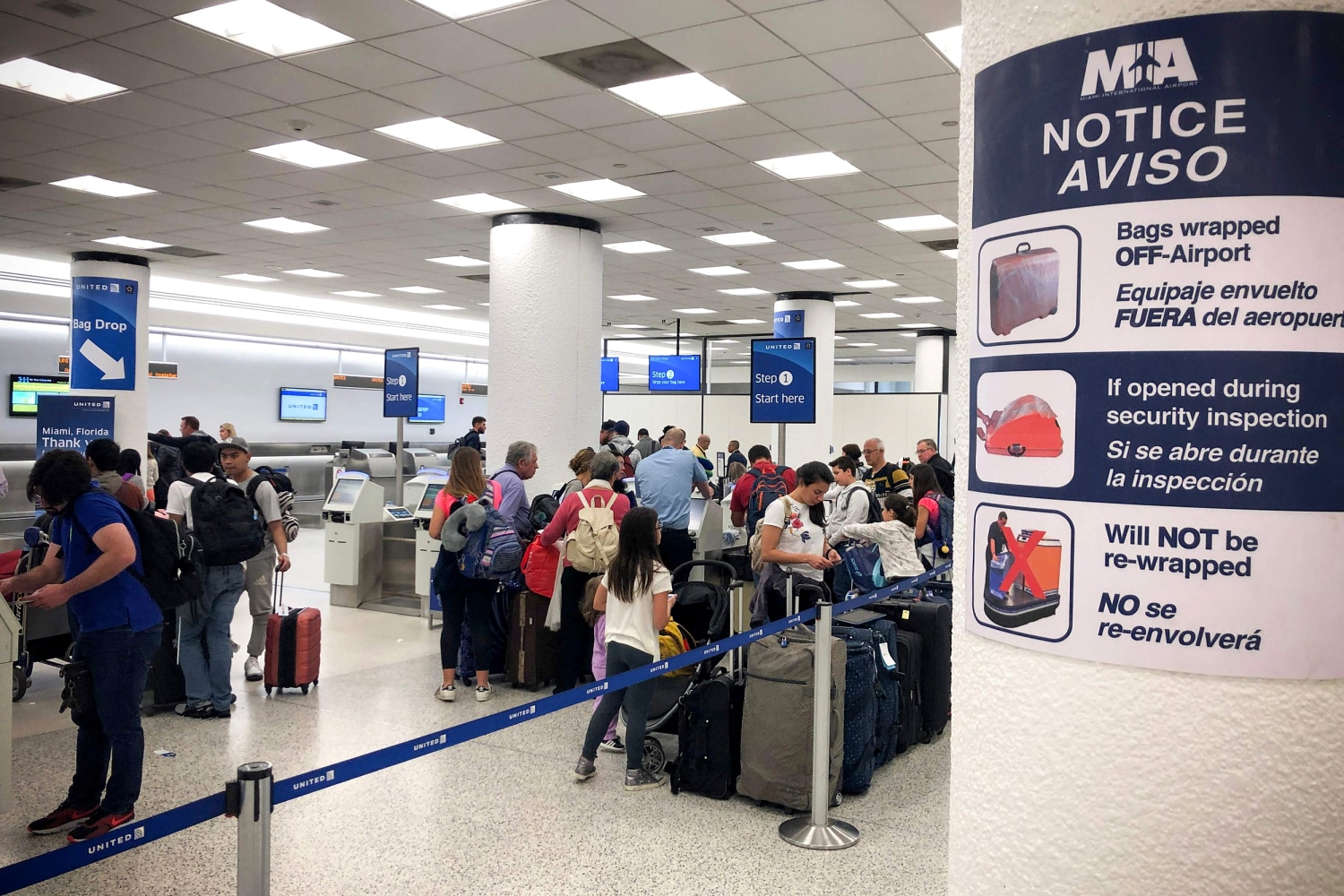
The most reliable source of information regarding the operational status of Miami Airport is the airport itself and the airlines operating there.
- Miami International Airport Official Website: The airport’s official website (miami-airport.com) is an invaluable resource. They will post immediate updates on closures, significant delays, and advisories, especially during weather events or other emergencies. Look for sections dedicated to “News,” “Alerts,” or “Traveler Information.”
- Airline Websites and Apps: Your specific airline is your direct link to your flight’s status. Check their website or mobile app frequently for real-time updates on departures, arrivals, and any changes to your itinerary. Most airlines also offer email or text message notifications for flight status changes.
- Airport Social Media: Many airports, including Miami International Airport, maintain active social media accounts on platforms like Twitter and Facebook. These channels often provide rapid updates and can be an excellent way to get quick information.
Trusted Travel News and Government Agencies
Beyond direct airport communications, several other entities provide crucial information during widespread travel disruptions.
- Federal Aviation Administration (FAA): The FAA (faa.gov) is responsible for air traffic control and often issues national advisories or ground stops that affect multiple airports. Their website can provide a broader overview of air traffic conditions.
- National Hurricane Center (NHC): If hurricane activity is a concern, the National Hurricane Center is the authoritative source for storm tracking, intensity forecasts, and watches/warnings. Understanding the storm’s projected path is critical for anticipating potential airport impacts.
- Reputable Travel News Outlets: Major news organizations with dedicated travel sections or sites that specialize in travel news can provide comprehensive coverage of significant airport disruptions. However, always cross-reference information with official sources.
Planning and Re-routing: What to Do If Miami Airport Is Affected
If you receive news that Miami International Airport is experiencing closures or significant delays that affect your travel plans, prompt action is essential. Your strategy will depend on the nature and expected duration of the disruption.
Adjusting Your Travel Itinerary
When disruptions occur, flexibility is your greatest asset.
- Contact Your Airline Immediately: If your flight is canceled or significantly delayed, your first step should be to contact your airline. Be prepared for long hold times, especially during widespread events. Many airlines now offer online rebooking tools that can be faster than calling.
- Explore Alternative Flights: Ask your airline about rebooking options on their own flights or potentially on partner airlines. If your airline cannot accommodate you, inquire about refunds or travel vouchers.
- Consider Other Airports: Depending on your final destination and the severity of the disruption at MIA, you might consider flying into or out of alternative airports in South Florida, such as Fort Lauderdale-Hollywood International Airport or Palm Beach International Airport. However, factor in the added time and cost of ground transportation.
- Modify Your Accommodation Plans: If your travel is significantly delayed or canceled, you may need to adjust your hotel or accommodation bookings. Contact your hotel or booking platform to understand their cancellation or modification policies. Many establishments are understanding during such events, especially if you provide proof of flight disruption.

Preparing for Extended Stays or Alternative Travel
In situations where flights are grounded for an extended period, or if you’ve decided to cancel your trip, you’ll need to make further arrangements.
- Secure Temporary Accommodation: If you are stranded in Miami due to flight cancellations, look for available hotels near the airport or in convenient locations. Websites like Booking.com or Expedia can help you find last-minute rooms, but availability may be limited during major events. Consider options like short-term rentals or even exploring longer-term stay options if your delay is indefinite.
- Ground Transportation: If you need to reach an alternative airport or your final destination by land, research your ground transportation options. This could include rental cars, shuttles, or ride-sharing services.
- Travel Insurance: If you have travel insurance, review your policy to understand what coverage you have for trip cancellations, delays, or unexpected expenses due to the disruption.
- Reassess Your Travel Goals: Sometimes, a disruption can be an opportunity to reassess. If you were planning a luxury travel experience, you might be able to find last-minute deals if other travelers cancel. Conversely, if you were on a budget travel trip, you might need to seek more economical solutions for extended stays.
In conclusion, while the question “Is the Miami Airport closed?” can cause anxiety, understanding the potential reasons for disruption and knowing how to access reliable information is crucial. By staying informed through official channels and being prepared to adapt your plans, you can navigate even the most challenging travel scenarios with greater confidence.
LifeOutOfTheBox is a participant in the Amazon Services LLC Associates Program, an affiliate advertising program designed to provide a means for sites to earn advertising fees by advertising and linking to Amazon.com. Amazon, the Amazon logo, AmazonSupply, and the AmazonSupply logo are trademarks of Amazon.com, Inc. or its affiliates. As an Amazon Associate we earn affiliate commissions from qualifying purchases.