
Planning a trip to the vibrant city of Reno, Nevada, involves more than just booking your flights and accommodations; understanding the local climate is crucial for an enjoyable experience. Whether you’re drawn to the thrill of the casinos, the stunning natural beauty of the surrounding Sierra Nevada, or the burgeoning arts and culture scene, knowing what to expect weather-wise will help you pack appropriately and plan your activities. Reno experiences a semi-arid climate, characterized by four distinct seasons, with hot, dry summers and cold, snowy winters. This guide delves into the nuances of Reno’s weather throughout the year, offering insights that will be invaluable for any traveler considering a visit to “The Biggest Little City in the World.”
Understanding Reno’s Seasonal Climate
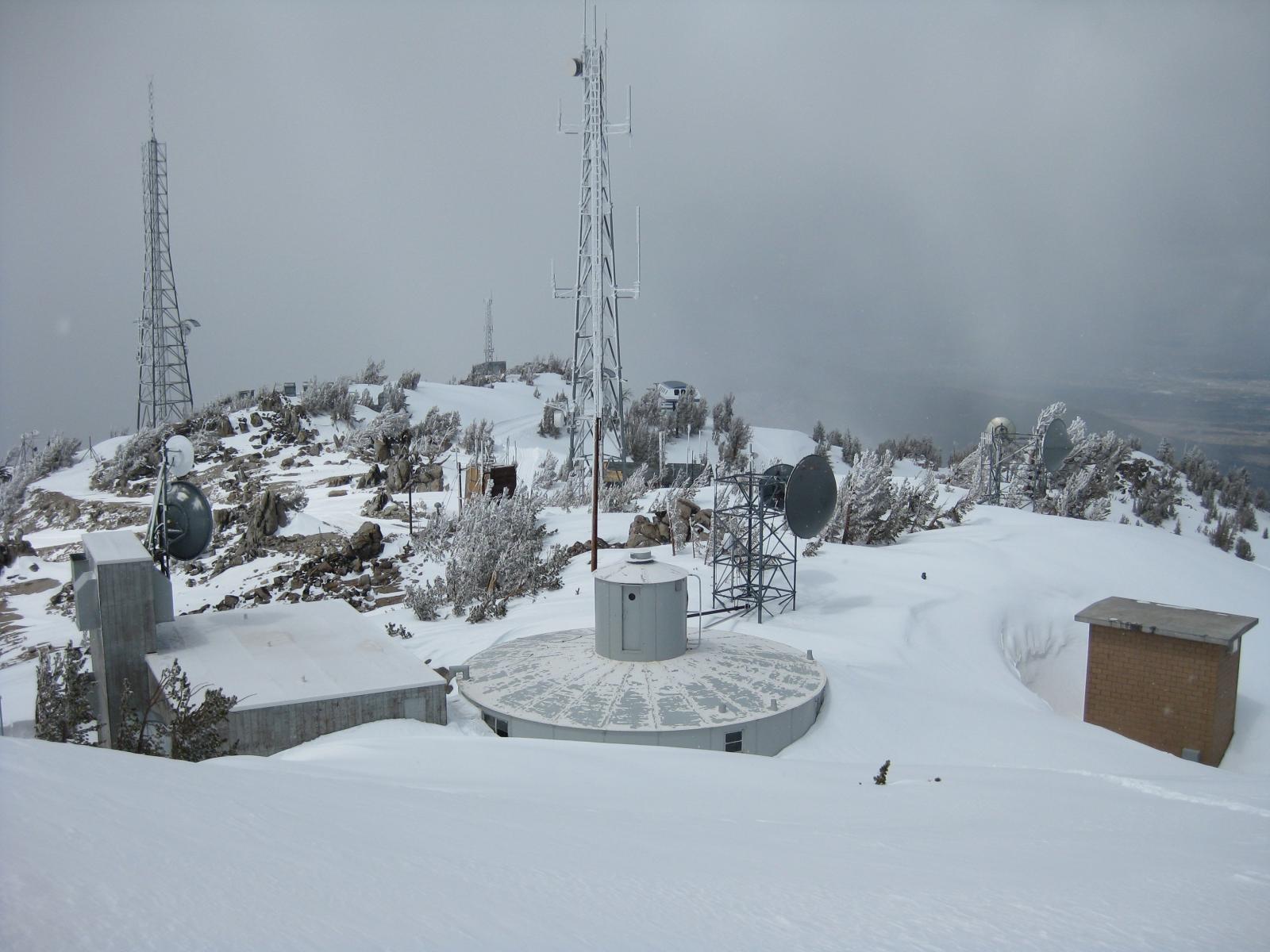
Reno’s geographical location plays a significant role in shaping its weather patterns. Situated in a high desert basin, the city benefits from abundant sunshine year-round, but it also experiences a wide range of temperatures. The Sierra Nevada mountain range to the west acts as a significant barrier, influencing precipitation. When storms approach from the Pacific, they often drop much of their moisture on the western slopes of the mountains, leaving Reno in a rain shadow. This results in relatively dry conditions for much of the year, with the exception of winter when snow is a common occurrence.
Spring: A Transition to Sunshine
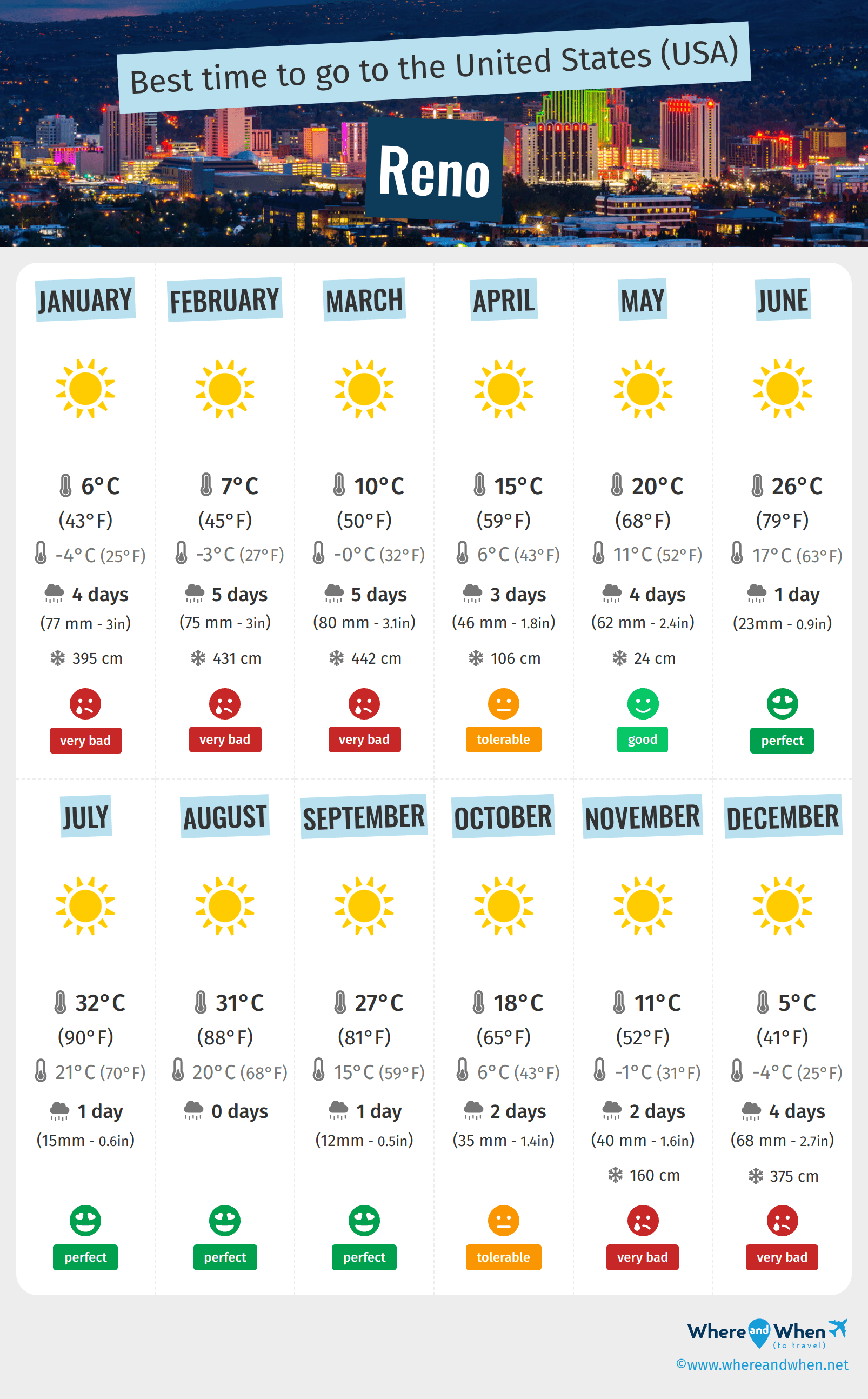
Spring in Reno, typically from March through May, is a period of transition. As winter’s grip loosens, temperatures begin to climb, though it can still feel quite chilly, especially in early spring. Snowfall is still possible in March and even into early April, particularly at higher elevations around the city. The average high temperatures in March might hover around 50°F (10°C), gradually increasing to the mid-60s°F (around 18°C) by May. Nights can still be quite cold, often dropping below freezing in March and April.
This season is characterized by increasing daylight hours and more frequent sunny days. The snowmelt from the surrounding mountains can lead to fuller rivers and streams, making it a beautiful time to explore the natural landscapes. However, spring can also bring unpredictable weather, with occasional blizzards or sudden warm spells. The wind can also be a factor, particularly in the spring months, as weather systems move through the region. For travelers visiting in spring, packing layers is essential. A waterproof and windproof jacket is highly recommended, along with sweaters, long-sleeved shirts, and pants. Comfortable walking shoes are a must for exploring the city’s attractions, and waterproof boots might be advisable if you plan on venturing into the mountains or enjoying early spring outdoor activities.
Summer: Warm Days and Starry Nights
Summer in Reno, from June through August, is generally hot and dry. This is often considered the prime tourist season, as the weather is typically sunny and pleasant for outdoor activities. Average high temperatures in July and August regularly reach the high 80s°F to low 90s°F (around 30-33°C), with occasional heatwaves pushing temperatures even higher. The humidity is very low, which can make the heat feel more bearable than in more humid climates, but it also means that dehydration can be a concern.
Nights in the summer are usually mild, dropping into the 50s°F (around 10-15°C), making for comfortable sleeping. The low humidity and clear skies contribute to spectacular stargazing opportunities away from the city lights. Outdoor enthusiasts will find this season ideal for hiking in the Lake Tahoe region, cycling along the Truckee River, or exploring the historic Virginia City. When packing for a summer visit, lightweight, breathable clothing is key. Sunscreen, hats, and sunglasses are absolutely essential to protect against the strong Nevada sun. Evenings can still cool down, so a light jacket or sweater is a good idea. Staying hydrated is paramount, so carry a reusable water bottle.
Autumn: A Kaleidoscope of Colors and Crisp Air
Autumn in Reno, from September through November, offers a delightful change of pace. The intense heat of summer subsides, replaced by crisp, cool air and vibrant fall foliage, especially in the surrounding mountain areas. September and October typically see pleasant daytime temperatures, with highs in the 70s°F (around 20-25°C), gradually cooling down to the 50s°F (around 10-15°C) by November. Nights become progressively colder, with potential for frost by late October and early November.
This season is perfect for exploring the city’s cultural attractions, enjoying the local culinary scene, and taking advantage of the beautiful fall colors. Hiking and other outdoor activities remain popular, though it’s wise to check weather forecasts as winter approaches. Snow can begin to fall in the higher elevations as early as October. Packing for autumn in Reno requires a mix of warm and cool-weather clothing. Layers are again your best friend. Include sweaters, long-sleeved shirts, a warm jacket or coat, and comfortable pants. A scarf and gloves might be useful, especially for early morning or late evening excursions.
Winter: Snow-Kissed Landscapes and Cozy Retreats
Winter in Reno, from December through February, brings a distinct chill and the potential for significant snowfall. Average high temperatures in December and January hover around the mid-40s°F (around 7°C), with lows often dipping into the 20s°F (-6°C) or even colder. Snowfall is common, transforming the city and the surrounding Sierra Nevada into a winter wonderland. While Reno itself may not always receive heavy snow, the nearby ski resorts, such as Mt. Rose Ski Tahoe and Palisades Tahoe, are prime destinations for winter sports enthusiasts.
The clear, cold winter days offer stunning views of snow-capped mountains. Indoor activities, such as visiting the casinos, enjoying the culinary offerings at establishments like The Basque Block, or exploring museums like the National Automobile Museum, become more appealing. For those who brave the cold for outdoor pursuits, winter clothing is non-negotiable. A heavy, insulated, waterproof coat, warm hats, gloves, scarves, and waterproof, insulated boots are essential. Layers of thermal underwear and fleece can provide crucial warmth. If you plan on skiing or snowboarding, specialized gear will be necessary. Even if you’re not hitting the slopes, a warm and comfortable outfit will ensure you can enjoy the winter charm of Reno.
Key Weather Considerations for Planning Your Reno Trip
Beyond the seasonal averages, several other weather-related factors are worth considering when planning your trip to Reno. Understanding these can help you avoid potential disruptions and maximize your enjoyment.
Precipitation Patterns and What to Expect
Reno’s semi-arid climate means that precipitation is generally low compared to many other parts of the United States. However, when it does rain or snow, it can be significant. The majority of precipitation falls during the winter months, from November through March. Snowfall is a regular occurrence, and while downtown Reno might see several inches per season, the surrounding mountains receive considerably more, making them ideal for skiing and snowboarding.
During spring and fall, precipitation often comes in the form of rain showers, though snow is not uncommon, especially in the shoulder months. Summers are typically very dry, with very little rainfall. This low humidity can be a blessing in terms of comfort during hot weather but also means that wildfires can be a concern in the drier regions surrounding Reno, especially during late summer and early fall. Travelers should stay informed about any fire advisories or air quality alerts during these periods.
Sunshine and UV Index: Be Prepared
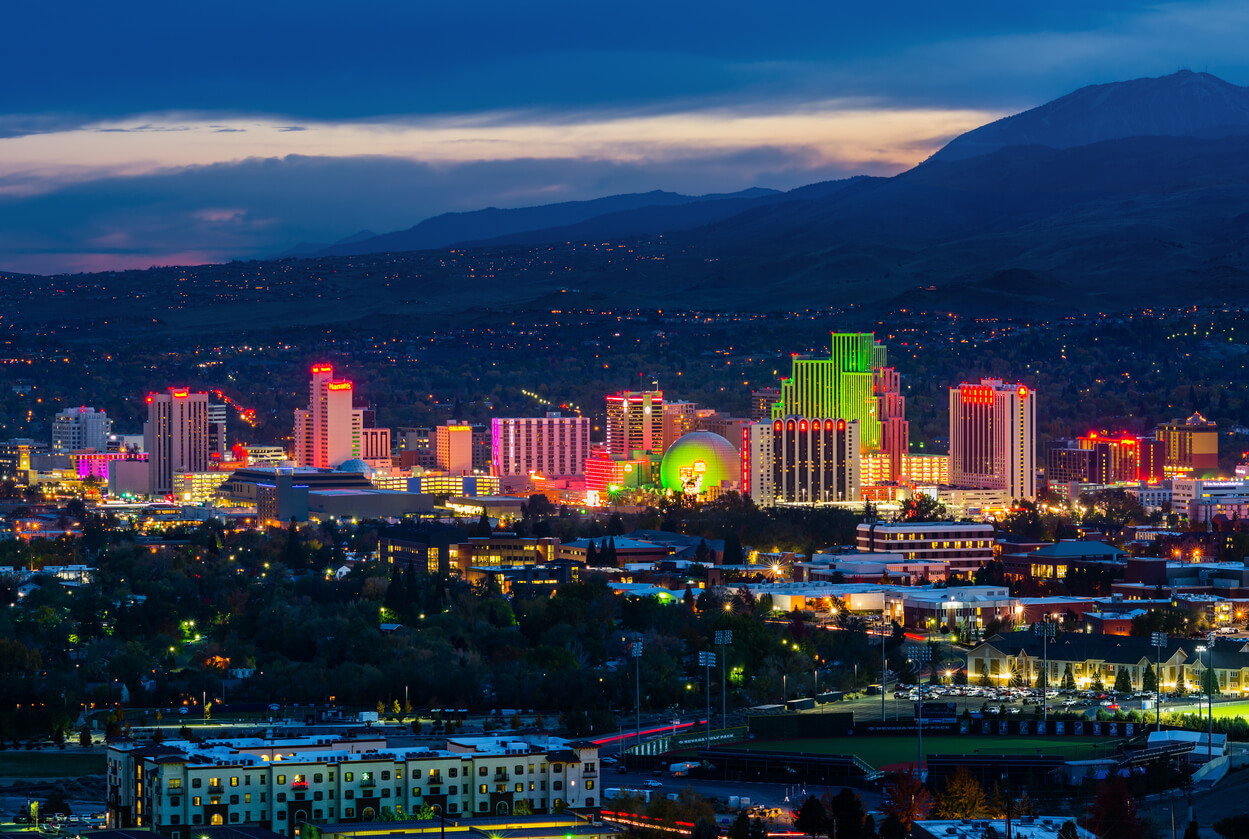
Reno is known as “The Biggest Little City in the World” for many reasons, and its abundant sunshine is certainly one of them. The city receives an impressive amount of sunny days throughout the year, averaging over 250 days of sunshine annually. This makes it a fantastic destination for those who enjoy bright, clear skies.
However, this high level of sunshine also means that the UV index can be quite high, especially during the spring and summer months. It is crucial to protect your skin from the sun’s harmful rays. Always use sunscreen with a high SPF, wear a wide-brimmed hat, and sunglasses, especially when spending extended periods outdoors. Even on cooler days, the sun’s rays can be strong, so vigilance is key.
Wind: A Constant Companion
The Reno area can be quite windy, particularly in the spring and fall. The open basin location, combined with the influence of weather systems moving across the Great Basin, contributes to frequent gusts. While not usually strong enough to disrupt major travel plans, strong winds can make outdoor activities less pleasant and can contribute to dust or blowing sand. If you’re planning on activities like kite flying or visiting areas prone to dust, be prepared for windy conditions. Lightweight, wind-resistant clothing can be very beneficial.
Activities and Weather: Making the Most of Reno’s Climate
The weather in Reno directly influences the types of activities that are most enjoyable at different times of the year.
Winter Sports and Activities
When the snow falls, Reno transforms into a gateway to world-class winter sports. The proximity to the Sierra Nevada means that ski resorts like Mt. Rose Ski Tahoe, Palisades Tahoe, and Heavenly Mountain Resort are easily accessible. These offer excellent opportunities for skiing, snowboarding, and snowshoeing. Even within the city, parks and open spaces can be enjoyed with a good layer of snow, offering opportunities for winter walks or playful snowball fights.
Summer Adventures in the High Desert
The warm, dry summers are perfect for exploring the natural beauty surrounding Reno. Lake Tahoe, a breathtakingly beautiful alpine lake, is a short drive away and offers opportunities for swimming, boating, kayaking, and paddleboarding. The Truckee River runs through the city and offers scenic walking and biking paths, as well as opportunities for rafting and tubing during the warmer months. Hiking trails abound in the Peavine Mountain area and throughout the Tahoe National Forest, providing stunning vistas of the high desert and mountain landscapes.
Embracing the Mild Seasons
Spring and fall offer a perfect balance for exploring Reno. The milder temperatures are ideal for walking tours of the downtown area, visiting attractions like the Nevada Museum of Art or the Truckee River Arts District. The burgeoning culinary scene in Reno, with its diverse restaurants and breweries, is a delight to explore year-round, but especially enjoyable when the weather is pleasant enough to allow for leisurely strolls between establishments. The autumn foliage in the surrounding areas adds an extra layer of beauty for scenic drives or hikes.
Indoor Pursuits for All Seasons
Regardless of the weather outside, Reno offers a plethora of indoor activities. The city’s famous casinos, such as the Grand Sierra Resort and Casino and the Eldorado Resort Casino, provide entertainment around the clock. For those interested in history and culture, the National Automobile Museum and the Nevada State Museum are excellent choices. The Discovery Museum offers engaging exhibits for families, and the vibrant arts scene ensures there’s always something to explore, from galleries to live performances.
In conclusion, Reno, Nevada, presents a dynamic climate that offers unique experiences throughout the year. By understanding the seasonal weather patterns, precipitation, sunshine, and wind, travelers can better prepare for their visit, pack accordingly, and plan an itinerary that takes full advantage of all that “The Biggest Little City in the World” has to offer, from its exhilarating outdoor adventures to its vibrant urban culture. Whether you’re seeking the thrill of the ski slopes, the serenity of a desert landscape, or the excitement of the city, Reno’s weather will play a part in shaping your memorable journey.
LifeOutOfTheBox is a participant in the Amazon Services LLC Associates Program, an affiliate advertising program designed to provide a means for sites to earn advertising fees by advertising and linking to Amazon.com. Amazon, the Amazon logo, AmazonSupply, and the AmazonSupply logo are trademarks of Amazon.com, Inc. or its affiliates. As an Amazon Associate we earn affiliate commissions from qualifying purchases.