
The allure of Miami – a vibrant metropolis on Florida’s southeastern coast, known for its sun-drenched beaches, pulsating nightlife, and diverse cultural tapestry – often sparks curiosity about its origins. While its modern image is one of a glamorous, established city, its founding story is rooted in a surprisingly recent past, marked by a strategic vision and a touch of entrepreneurial spirit. Unlike ancient civilizations or long-established European settlements, Miami as a recognized city is a product of the late 19th century.
The Seeds of a City: Early Influences and Visionaries
Before Miami was officially incorporated, the area was inhabited for thousands of years by Indigenous peoples, most notably the Tequesta tribe. Their presence is a crucial part of the region’s deep history, though the formal founding of the city we recognize today is a distinct event. European exploration of the area began in the 16th century with Spanish explorers like Juan Ponce de León, but sustained settlement didn’t take hold for centuries. The strategic location, nestled between the Atlantic Ocean and the Everglades, eventually caught the attention of those looking to develop a port and a gateway to the Americas.

The true impetus for the city’s founding came with the development of the Florida East Coast Railway. Visionaries like Henry Flagler saw the immense potential of this subtropical paradise. Flagler, already instrumental in developing St. Augustine and Palm Beach, recognized that a railroad reaching the southern tip of Florida would unlock vast economic opportunities. He envisioned a thriving community that would serve as a vital hub for trade and tourism.
The Role of Julia Tuttle, the “Mother of Miami”
Central to the narrative of Miami‘s founding is the remarkable figure of Julia Tuttle. Often hailed as the “Mother of Miami,” Tuttle was a determined businesswoman and landowner who owned a significant tract of land on the north bank of the Miami River. She actively promoted the idea of settlement and development in the area, even going so far as to send Henry Flagler a crate of Florida oranges in the winter of 1891, hoping to entice him to extend his railway south.
Tuttle‘s persistence, coupled with the region’s favorable climate and the burgeoning interest in developing the southeastern United States, played a pivotal role. She understood that for any significant growth to occur, access via transportation was paramount. Her landholdings became the core around which the future city would be built. She engaged in extensive lobbying and negotiation, demonstrating a foresight that was remarkable for the time and place.
The Official Birthdate and Early Development
The pivotal moment in Miami‘s formal existence arrived on July 28, 1896. It was on this date that the citizens of the burgeoning settlement voted to incorporate the City of Miami. This marked the transition from a scattering of settlements and agricultural endeavors into an officially recognized municipality. The decision to incorporate was a testament to the growing population and the desire for organized governance and infrastructure development.
The incorporation vote was not merely a symbolic gesture; it was a declaration of intent. The newly formed city government was tasked with establishing essential services, laying out streets, and attracting further investment. The arrival of the Florida East Coast Railway in 1896 was the catalyst that transformed the vision into a tangible reality. The railway brought not only people and goods but also the promise of prosperity and connectivity.
Early Infrastructure and Growth
Following its incorporation, Miami began to take shape. Early development focused on building the necessary infrastructure to support a growing population and burgeoning economy. This included the construction of roads, utilities, and public buildings. The port facilities were crucial, as Miami was strategically positioned to serve as a gateway to the Caribbean and Latin America.
The fertile land surrounding the Miami River also supported early agricultural ventures, particularly the cultivation of citrus fruits and vegetables. These products were then shipped north via the Florida East Coast Railway, establishing Miami as a key player in the state’s agricultural economy. The warm climate and abundant sunshine, which are now synonymous with Miami‘s appeal for tourists and residents alike, were already recognized as significant assets during this early period. The early settlers were drawn to the promise of a new frontier, a place where they could build a life and a fortune.
The 20th Century: Expansion and Transformation
The 20th century witnessed an exponential transformation of Miami. What began as a small, incorporated town quickly evolved into a major metropolitan area. This growth was fueled by several factors, including a booming tourism industry, significant real estate development, and a steady influx of immigrants and migrants from various parts of the United States and abroad.
The picturesque beaches and tropical climate proved to be a powerful draw for tourists, especially from colder regions of the United States. Developers began to build hotels and resorts, catering to this growing demand. The iconic Art Deco architecture that now defines areas like South Beach began to emerge during this period, adding to the city’s unique aesthetic appeal.

The Impact of Tourism and Real Estate
Tourism became the lifeblood of Miami‘s economy. From the mid-20th century onwards, the city solidified its reputation as a premier vacation destination. The development of luxury hotels like the Fontainebleau Miami Beach and the Eden Roc Miami Beach Resort attracted visitors seeking sun, sand, and sophisticated entertainment. The city’s vibrant nightlife, with its famous clubs and restaurants, further cemented its image as a playground for the affluent and adventurous.
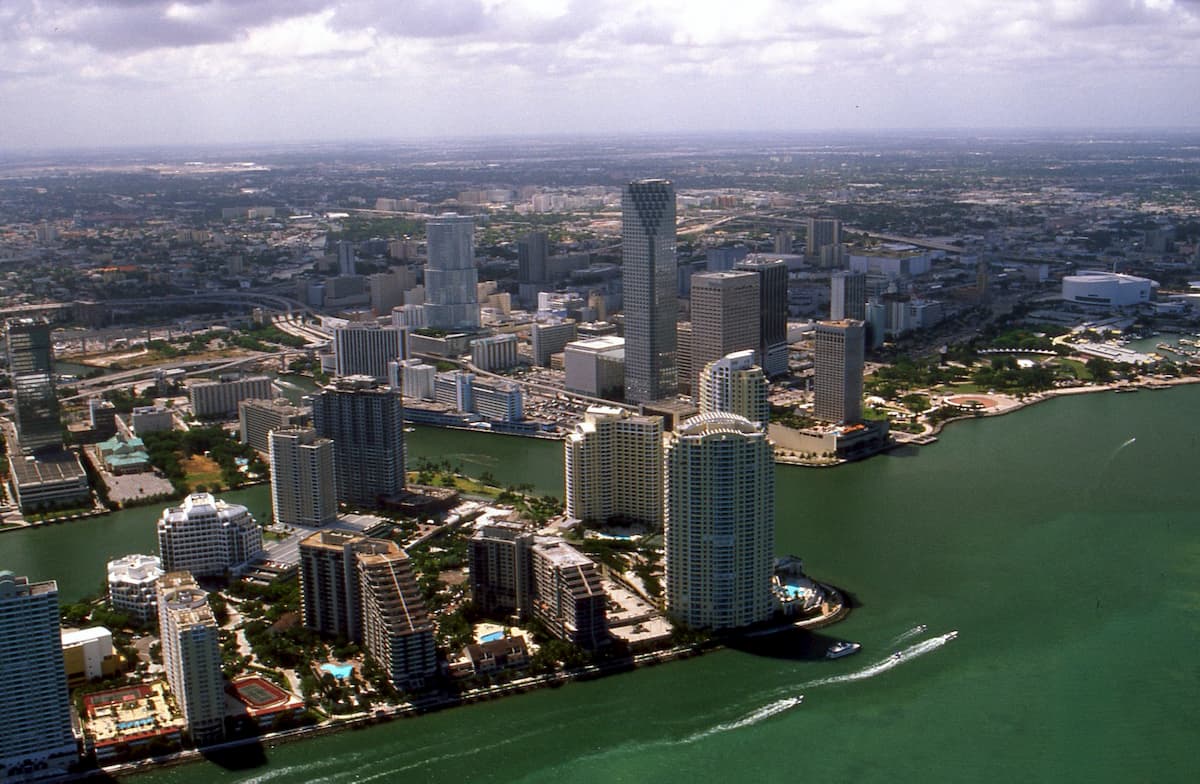
Concurrently, real estate development surged. The availability of land and the ever-increasing demand for housing and commercial spaces led to extensive construction. Miami‘s skyline began to transform, with new buildings rising to accommodate the growing population and economic activity. The city’s proximity to Latin America also played a significant role, fostering trade and cultural exchange, and attracting a diverse population that would shape Miami‘s unique cultural landscape. The vision of Henry Flagler and the tenacity of Julia Tuttle had, in less than a century, given rise to a global city.
In conclusion, the city of Miami was officially founded on July 28, 1896. This date marks the culmination of early exploration, visionary planning, and the dedicated efforts of pioneers like Julia Tuttle, all catalyzed by the transformative power of infrastructure like the Florida East Coast Railway. From its humble beginnings, Miami has grown into a world-renowned city, a testament to the enduring appeal of its geography, climate, and the relentless spirit of its inhabitants. The story of Miami‘s founding is not just about a date on a calendar; it’s about the ambition, foresight, and sheer determination that transformed a wild frontier into the vibrant, cosmopolitan hub it is today, a must-visit destination for any traveler interested in its unique blend of history, culture, and modern allure.
LifeOutOfTheBox is a participant in the Amazon Services LLC Associates Program, an affiliate advertising program designed to provide a means for sites to earn advertising fees by advertising and linking to Amazon.com. Amazon, the Amazon logo, AmazonSupply, and the AmazonSupply logo are trademarks of Amazon.com, Inc. or its affiliates. As an Amazon Associate we earn affiliate commissions from qualifying purchases.