
The concept of the poverty line, a crucial benchmark for understanding economic hardship, holds significant weight when examining the socio-economic landscape of Texas. This seemingly straightforward measure, often defined as a minimum income threshold below which individuals or families are considered to be living in poverty, is subject to various interpretations, calculations, and implications. While the United States federal government establishes a national poverty line, its application and impact within a diverse and sprawling state like Texas warrant a closer, more nuanced examination. Understanding the poverty line in Texas is not merely an academic exercise; it directly influences access to vital resources, shapes public policy, and impacts the quality of life for millions of its residents.
Defining the Poverty Line: A National Framework with State Implications
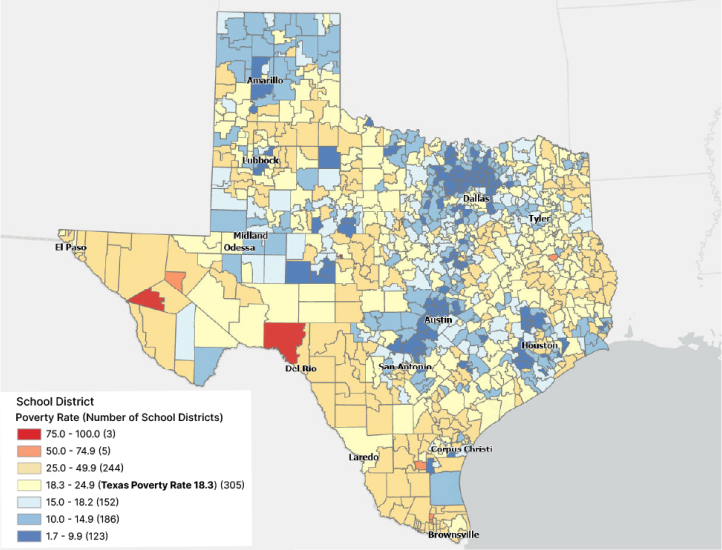
The foundation for determining poverty in the United States lies with the U.S. Census Bureau. For decades, the primary metric used has been the Official Poverty Measure (OPM). This measure was developed in the early 1960s based on the cost of a minimal food diet. Specifically, it was determined that a family spent, on average, one-third of its income on food. Therefore, the poverty line was set at three times the cost of the Department of Agriculture’s economy food plan.
However, this measure has faced considerable criticism for being outdated and not accurately reflecting the realities of modern household expenses. It does not account for crucial costs such as housing, healthcare, child care, or transportation, which are significant components of a family’s budget, particularly in diverse economic environments like Texas. Furthermore, the OPM is a national standard that does not explicitly adjust for regional variations in the cost of living, which can be substantial between different parts of the country, including within Texas itself, where the cost of living in Houston or Dallas can differ significantly from rural areas.
Recognizing these limitations, the U.S. Census Bureau also developed the Supplemental Poverty Measure (SPM). The SPM aims to provide a more comprehensive and up-to-date picture of poverty by taking into account a wider range of economic factors. This includes essential expenses like taxes, work expenses, and medical out-of-pocket costs, as well as the impact of government benefits such as food stamps (now known as SNAP), housing subsidies, and tax credits. The SPM also adjusts for geographic differences in housing costs. While the OPM is still used for statistical reporting and programmatic eligibility for some federal programs, the SPM is increasingly seen as a more accurate indicator of economic hardship. For Texas, the differences between these two measures can lead to varying estimates of poverty rates and can affect the number of individuals and families who qualify for assistance.
The Official Poverty Measure (OPM) in Texas
The OPM for a given year is calculated based on a set of poverty thresholds that vary by family size and composition. For instance, a single individual will have a different poverty threshold than a family of four. These thresholds are updated annually to reflect inflation but do not account for differences in local economies or cost of living within Texas. This means that a family earning the same amount of money might be considered above the poverty line in a lower-cost rural county but below it in a more expensive urban center like Austin.
The thresholds are determined by the Office of Management and Budget (OMB). For example, in 2023, the poverty guideline for a single person was $14,580, and for a family of four, it was $29,160. These figures, while serving as a national baseline, can feel disconnected from the realities faced by families in Texas, where housing costs in cities like San Antonio or even the cost of transportation to access jobs can significantly impact a household’s financial well-being.
The Supplemental Poverty Measure (SPM) and its Relevance to Texas
The SPM offers a more dynamic and context-aware approach. It starts by calculating a family’s total income, including earnings, government benefits, and other sources. Then, it subtracts necessary expenses like taxes, work-related costs, and medical out-of-pocket expenses. Finally, it compares this disposable income to a poverty threshold that is adjusted for geographic variations in housing costs. This adjustment is particularly relevant for Texas, a state with vast economic disparities. For example, the cost of rent for a modest apartment in Dallas is considerably higher than in many smaller towns across the state. The SPM’s inclusion of these regional housing cost differences provides a more accurate reflection of who is truly struggling to make ends meet.
The SPM also incorporates the impact of government programs designed to alleviate poverty. This means that families receiving SNAP benefits or experiencing the positive financial impact of tax credits might be lifted out of poverty under the SPM, even if their raw income falls below the OPM threshold. This highlights the crucial role of social safety nets in Texas and their effectiveness in mitigating the effects of economic hardship.
Factors Influencing Poverty in Texas
Texas is a state characterized by its immense size, diverse economy, and significant population growth. These factors, along with others, contribute to the complex patterns of poverty observed across the state.
Economic Diversity and Job Market Dynamics
The Texas economy is a powerhouse, driven by sectors such as oil and gas, technology, healthcare, and agriculture. While these industries create numerous job opportunities, they also present challenges. The fluctuating nature of some sectors, like oil and gas, can lead to job instability. Furthermore, many of the jobs created, particularly in service industries, may offer low wages that are insufficient to lift individuals and families above the poverty line, especially in high-cost metropolitan areas. The minimum wage in Texas, which is tied to the federal minimum wage, has not kept pace with the rising cost of living, making it increasingly difficult for low-wage workers to achieve economic security.
The prevalence of jobs that do not offer benefits such as health insurance or paid sick leave further exacerbates the issue. A sudden illness or unexpected medical expense can quickly plunge a low-income family into debt and poverty.
Cost of Living Variations Across Texas
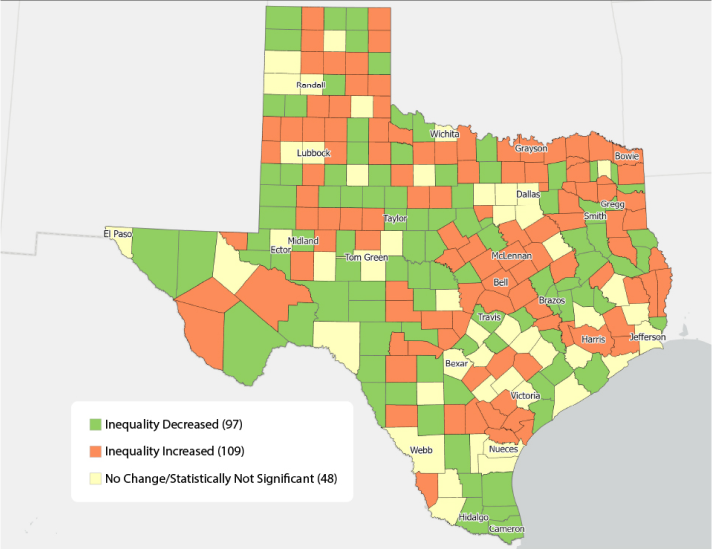
As mentioned earlier, the cost of living in Texas varies dramatically. Major metropolitan areas like Houston, Dallas, Austin, and San Antonio have seen significant increases in housing costs, transportation expenses, and everyday goods and services. This means that a family living in a rural part of West Texas might require a much lower income to meet their basic needs compared to a family in a suburb of Dallas.
The housing market is a particularly significant driver of these cost-of-living differences. In desirable urban areas, rental prices and homeownership costs can consume a disproportionate amount of a household’s income, leaving less for food, healthcare, and education. This disparity underscores the limitations of a single national poverty line for a state as economically diverse as Texas.
Access to Education and Healthcare
Access to quality education and healthcare are fundamental pillars of economic mobility. In Texas, disparities in the quality of public education across different school districts can perpetuate cycles of poverty. Children from low-income communities may attend underfunded schools, limiting their future educational and career opportunities.
Similarly, access to affordable and comprehensive healthcare is crucial. Without adequate health insurance, unexpected medical emergencies can be financially devastating. Many low-wage jobs in Texas do not offer health benefits, forcing individuals and families to choose between seeking medical care and paying for other essential needs. This can lead to delayed treatment, worsening health outcomes, and increased healthcare costs in the long run, further entrenching poverty.
Implications of the Poverty Line for Texas Residents and Policy
The definition and measurement of the poverty line have profound implications for individuals, families, and the policy decisions made by the state of Texas.
Eligibility for Social Programs and Assistance
One of the most direct impacts of the poverty line is its role in determining eligibility for various social assistance programs. These programs are designed to provide a safety net for vulnerable populations and can include food assistance (like SNAP), housing subsidies, Medicaid, and other forms of support. In Texas, the official poverty guidelines are often used to screen applicants for these vital services.
For instance, a family whose income falls below a certain percentage of the federal poverty line might qualify for free or reduced-price school lunches, making it easier for their children to focus on learning. Similarly, individuals and families struggling to afford housing might find assistance through programs that are linked to poverty status. The choice of using the OPM versus the SPM can significantly alter the number of individuals who qualify for these essential programs, impacting the reach and effectiveness of anti-poverty initiatives within the state.
Economic Impact and Consumer Spending
The economic well-being of a significant portion of the population directly influences the overall health of the Texas economy. When a substantial number of residents live below or near the poverty line, their reduced purchasing power can dampen consumer spending, impacting local businesses and economic growth. Conversely, lifting individuals and families out of poverty increases their ability to participate in the economy, leading to greater demand for goods and services.
Policies aimed at increasing minimum wage, expanding access to job training, and supporting small businesses can have a ripple effect, contributing to a more robust and inclusive economy for all of Texas. Understanding the poverty line helps policymakers identify the segments of the population most in need of support and to target interventions effectively.
Policy Debates and Advocacy
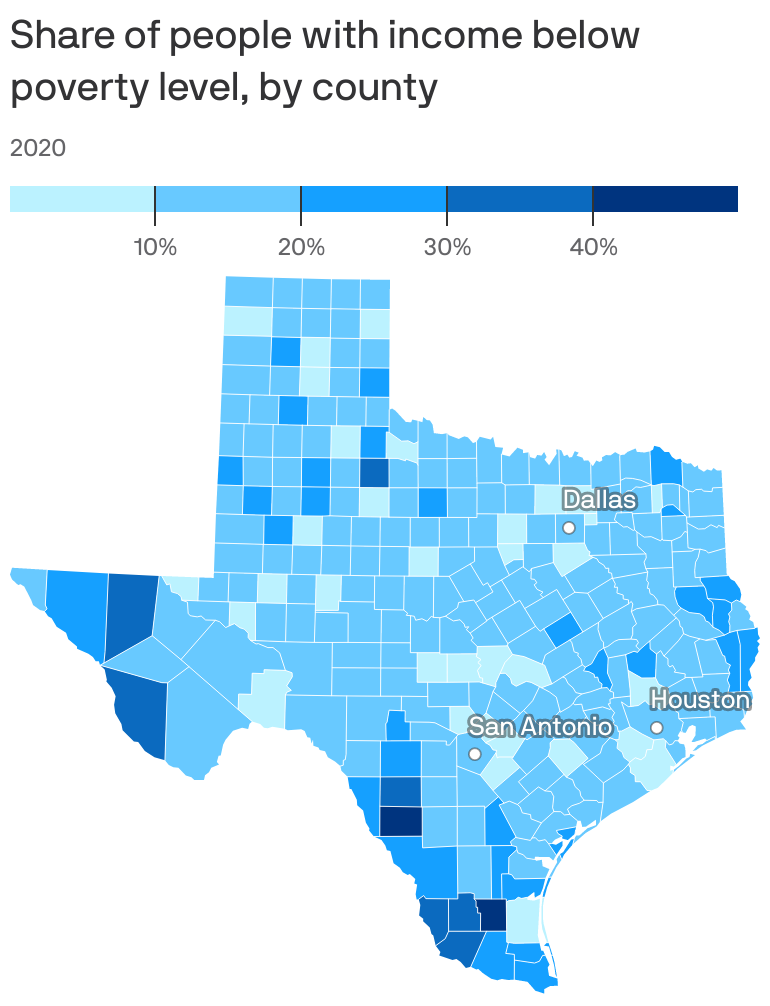
The poverty line serves as a critical data point in policy debates surrounding economic inequality, social justice, and the role of government in addressing poverty. Advocacy groups, researchers, and policymakers in Texas often cite poverty statistics derived from both the OPM and SPM to argue for specific legislative actions.
For example, discussions about the adequacy of the minimum wage, the need for affordable housing initiatives, or the expansion of healthcare access are often framed by data on poverty rates. The ongoing debate about the best measure of poverty – whether the traditional OPM or the more comprehensive SPM – reflects a broader conversation about how society defines and responds to economic hardship. The insights gained from these discussions are essential for shaping policies that aim to create a more equitable and prosperous Texas for all its residents, from the bustling streets of Houston to the vast ranches of West Texas.
LifeOutOfTheBox is a participant in the Amazon Services LLC Associates Program, an affiliate advertising program designed to provide a means for sites to earn advertising fees by advertising and linking to Amazon.com. Amazon, the Amazon logo, AmazonSupply, and the AmazonSupply logo are trademarks of Amazon.com, Inc. or its affiliates. As an Amazon Associate we earn affiliate commissions from qualifying purchases.