
For sports enthusiasts and travel planners alike, understanding the home turf of a legendary college football team like the University of Miami is key to experiencing the excitement firsthand. The Hurricanes, known for their storied history and vibrant fan base, currently call Hard Rock Stadium their home. This state-of-the-art facility is not merely a venue for athletic contests; it stands as a significant travel destination in its own right, drawing visitors to the heart of South Florida for memorable game-day experiences and beyond.
The location of Hard Rock Stadium in Miami Gardens, Florida, makes it an accessible and attractive point of interest for those exploring the wider Miami metropolitan area. When planning a trip to see the Miami Hurricanes play, visitors aren’t just contemplating a football game; they are planning an immersive journey to a dynamic region renowned for its diverse attractions, stunning landscapes, and energetic atmosphere. This guide delves into Hard Rock Stadium as a premier travel destination, offering insights into its features, accessibility, and how to integrate a game day into a broader Miami travel itinerary.
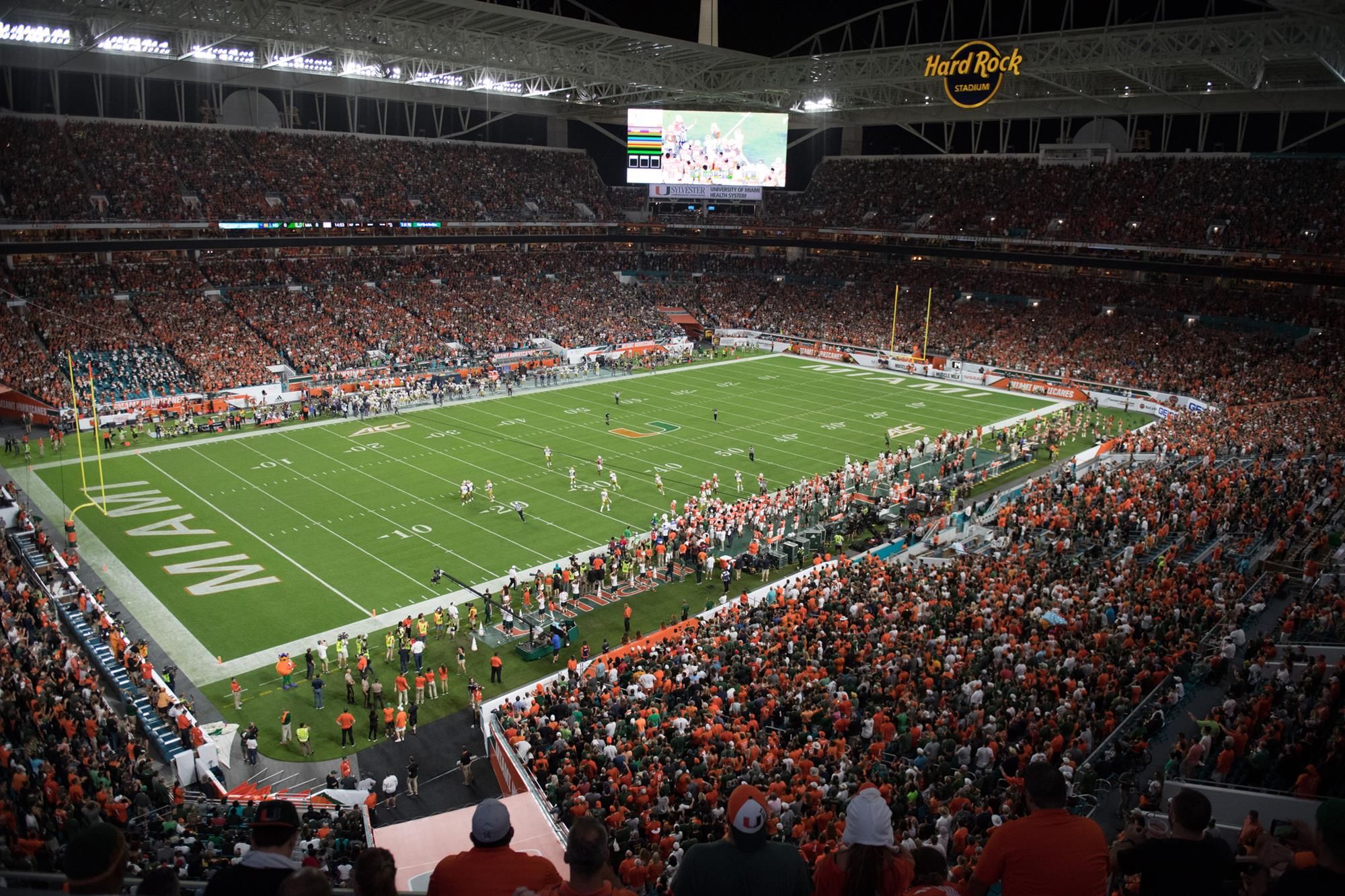
Hard Rock Stadium: A Premier Sports and Entertainment Destination
Hard Rock Stadium serves as the vibrant home for the University of Miami Hurricanes football program, a beacon for fans traveling from all corners to witness collegiate gridiron action. Located strategically in Miami Gardens, this stadium is far more than just a football field; it is a modern marvel designed to provide an unparalleled experience for every visitor. Its status as a multi-purpose venue elevates its appeal, hosting a diverse array of events that cement its position as a significant attraction in South Florida.
Location and Accessibility in Miami Gardens
Nestled in Miami Gardens, a city within the larger Miami-Dade County, Hard Rock Stadium benefits from a central yet suburban location. This positioning offers a unique blend of accessibility and space, setting it apart from downtown stadiums. For travelers, its location means relatively straightforward access from various points within South Florida.
The stadium is conveniently situated near major highways, including the Florida’s Turnpike and I-95, making road travel a primary mode of transport for many attendees. Visitors arriving by air have two main options: Miami International Airport (MIA) to the south and Fort Lauderdale-Hollywood International Airport (FLL) to the north. Both airports are typically a 20-30 minute drive from the stadium, depending on traffic, offering flexible travel plans for out-of-state guests. Ride-sharing services, taxis, and pre-booked shuttles are readily available from both airports and throughout the Miami area, facilitating seamless transfers directly to the stadium for game days or other events. Furthermore, for those seeking a more scenic or city-centric approach, the Brightline high-speed rail service connects Miami, Fort Lauderdale, and West Palm Beach, with shuttle connections often available to the stadium during major events, enhancing the travel experience.
Stadium Features and Fan Experience
Hard Rock Stadium has undergone extensive renovations to ensure it provides a world-class experience. The improvements focus on fan comfort, technological integration, and overall aesthetics. One of its most notable features is the impressive open-air canopy, which provides shade for a significant portion of the seating areas, a welcome amenity in Florida’s sunny and often humid climate. This architectural element not only enhances comfort but also contributes to the stadium’s distinctive silhouette.
Inside, visitors will find state-of-the-art video boards that deliver crystal-clear replays and engaging content, ensuring no action is missed. The seating arrangements are designed for optimal sightlines, and concourses are wide, facilitating easy movement. A diverse array of food and beverage options caters to all tastes, from classic stadium fare to gourmet selections and local Miami flavors. Beyond the stands, the stadium campus often buzzes with pre-game activities, including tailgating zones, fan fests, and live entertainment, creating a vibrant atmosphere that begins hours before kickoff. For University of Miami games, the energy is palpable, with the “U” faithful creating an electrifying environment that is a destination experience in itself for college football fans.
Beyond Football: A Multi-Purpose Attraction
While the Miami Hurricanes football games are a significant draw, Hard Rock Stadium’s design and infrastructure allow it to host a wide range of other high-profile events, making it a year-round attraction. It is famously home to the NFL’s Miami Dolphins and has been a frequent host of the Super Bowl, including Super Bowl LIV. The stadium also regularly hosts major international soccer matches, prestigious tennis tournaments like the Miami Open, and large-scale concerts featuring global music superstars. These diverse events transform the stadium into a dynamic hub for entertainment, attracting different segments of travelers and offering varied experiences for visitors to Miami Gardens and the surrounding South Florida region. Checking the stadium’s event calendar when planning a trip to Miami is highly recommended, as it could present an opportunity to combine a Hurricanes game with another world-class event.
Planning Your Game Day Travel to Miami
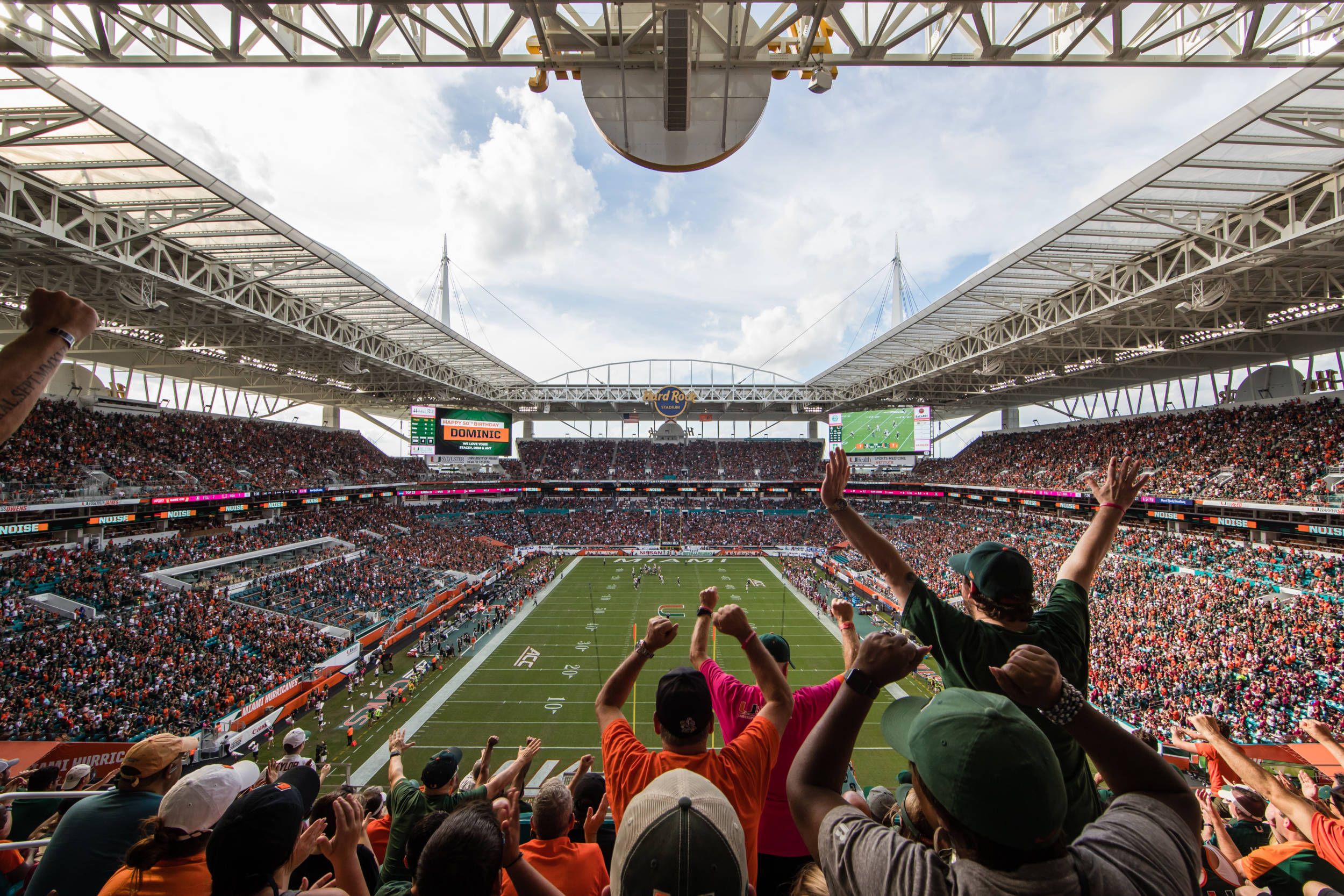
Traveling to Miami for a University of Miami football game is an exciting prospect, combining the thrill of college sports with the allure of a vibrant tropical destination. Effective planning ensures a seamless and enjoyable trip, from arrival to game day and beyond.
Getting There: Transportation Options
As previously mentioned, air travel via Miami International Airport (MIA) or Fort Lauderdale-Hollywood International Airport (FLL) is the most common way for out-of-state visitors to reach South Florida. Once on the ground, visitors have several options for reaching Hard Rock Stadium in Miami Gardens. Renting a car offers the most flexibility for exploring the broader Miami area, but drivers should be prepared for potential traffic congestion, especially on game days. Parking at the stadium is extensive but often requires pre-booking, so securing a spot in advance is advisable.
Alternatively, ride-sharing services like Uber and Lyft are readily available and provide a convenient door-to-door option. Public transportation, while not directly linking to the stadium’s entrance, involves a combination of bus routes and potentially a metro ride, which can be a cost-effective choice for budget-conscious travelers. Some private shuttle services also operate from various points in Miami to the stadium on game days, offering a comfortable and stress-free transfer experience.
Accommodation Near the Stadium and Beyond
While Miami Gardens itself offers several reputable hotel options, many travelers prefer to stay in other parts of Miami to experience different facets of the city. Options range from luxury resorts in South Beach and Sunny Isles Beach to boutique hotels in Brickell or Downtown Miami. For those seeking a blend of cultural immersion and proximity, areas like Midtown Miami or Wynwood offer trendy accommodations and vibrant nightlife. When choosing accommodation, consider the balance between proximity to the stadium and access to other desired attractions. Staying closer to Hard Rock Stadium can minimize game-day travel time, while lodging further south provides more immediate access to Miami’s beaches, dining, and cultural sites. It’s often advisable to book accommodations well in advance, especially for major game weekends, to secure preferred rates and locations.
Pre-Game and Post-Game Activities in Miami
A Hurricanes game day extends beyond the stadium gates, offering a wealth of pre- and post-game activities throughout Miami. Before kickoff, many fans engage in tailgating rituals in the stadium’s expansive parking lots, an experience that embodies the spirit of American college football. For those not tailgating, numerous sports bars and restaurants in Miami Gardens and nearby neighborhoods offer lively atmospheres to enjoy a meal or drink.
After the game, the celebration or commiseration often continues into the night. Miami is famous for its vibrant nightlife, with countless clubs and lounges in areas like South Beach and Brickell. For a more relaxed experience, travelers can explore Wynwood Walls for stunning street art, wander through the historic Art Deco Historic District in South Beach, or indulge in Miami’s renowned culinary scene. Cultural attractions like the Vizcaya Museum & Gardens offer a glimpse into the city’s rich history and architectural beauty. For nature lovers, a day trip to Everglades National Park provides an opportunity to experience Florida’s unique ecosystem. Integrating these activities into your itinerary transforms a simple game day into a comprehensive South Florida travel adventure.
The Legacy of Miami Hurricanes Football and its Homes
The University of Miami Hurricanes boast one of college football’s most storied traditions, a legacy built across several iconic venues before settling into their modern home. Understanding this history enriches the travel experience for fans, connecting them to the team’s enduring journey.
Early Venues: A Historical Journey
For decades, the spiritual home of Miami Hurricanes football was the venerable Orange Bowl stadium, located in the Little Havana neighborhood of Miami. From 1937 until its demolition in 2008, the Orange Bowl was the site of countless legendary moments, including all five of the Hurricanes’ national championship victories. For generations of fans, a trip to the Orange Bowl was synonymous with Miami Hurricanes football, an experience steeped in tradition and raw, unadulterated passion. While the stadium no longer stands, its memory lives on, and visitors can still find markers and historical references in the Little Havana area that pay homage to this iconic piece of Miami’s sports history. Traveling through Miami offers a chance to explore these historical football landmarks, even if they are no longer active venues.
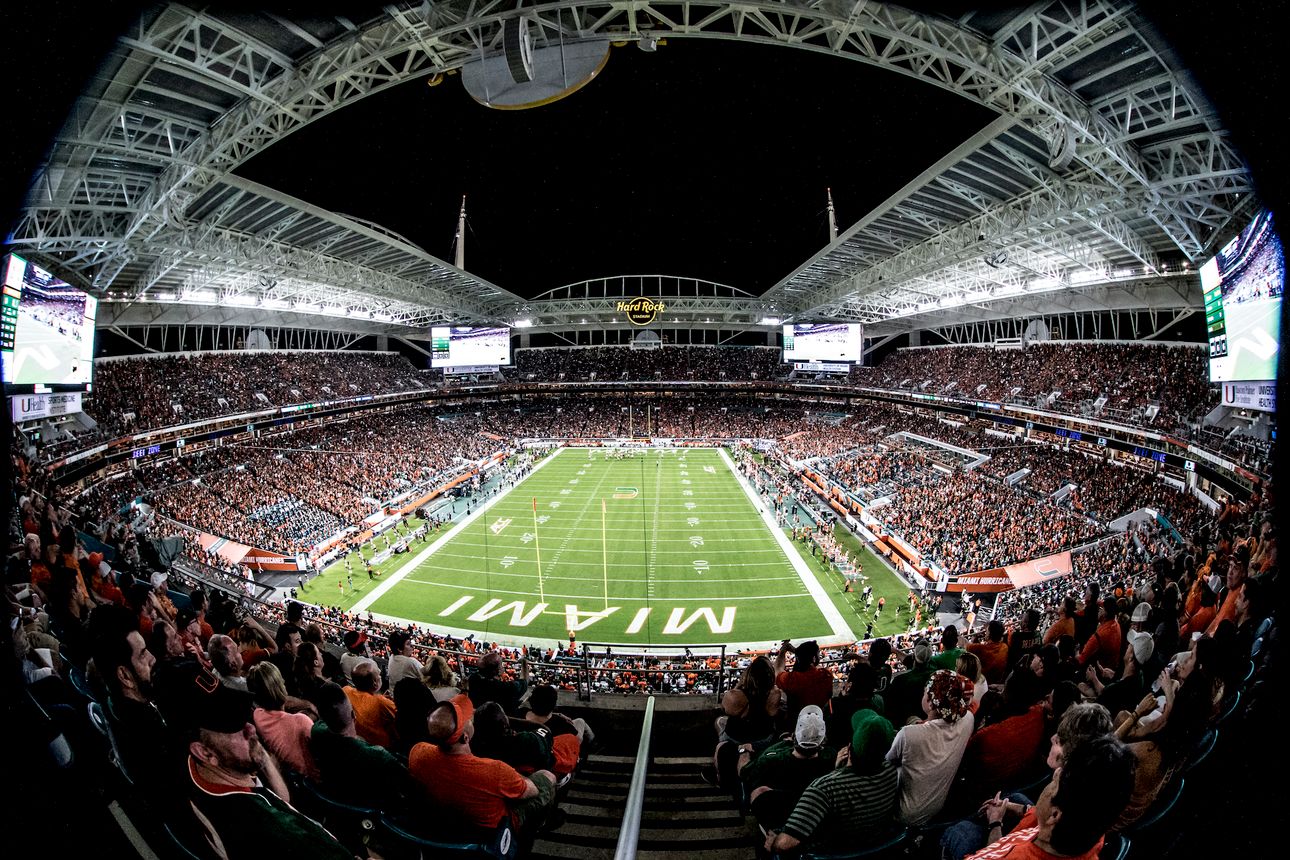
The Evolution to Hard Rock Stadium
The move from the Orange Bowl marked a significant transition for the Miami Hurricanes. They eventually transitioned to Hard Rock Stadium, then known by one of its earlier names. This stadium, originally built for the NFL’s Miami Dolphins in 1987, has undergone numerous name changes and extensive renovations over the years, reflecting its evolution into the modern facility it is today. Prior names included Joe Robbie Stadium, Pro Player Stadium, Dolphin Stadium, Land Shark Stadium, and Sun Life Stadium. Each iteration brought improvements and updates, transforming the venue into a premier destination capable of hosting major sporting events and concerts. The relocation to Hard Rock Stadium provided the Hurricanes with access to a state-of-the-art facility, offering enhanced amenities and a superior fan experience, ensuring the tradition of excellence continued in a contemporary setting. For travelers, visiting Hard Rock Stadium today means experiencing the pinnacle of sports travel, where history meets modern innovation in the vibrant city of Miami.
LifeOutOfTheBox is a participant in the Amazon Services LLC Associates Program, an affiliate advertising program designed to provide a means for sites to earn advertising fees by advertising and linking to Amazon.com. Amazon, the Amazon logo, AmazonSupply, and the AmazonSupply logo are trademarks of Amazon.com, Inc. or its affiliates. As an Amazon Associate we earn affiliate commissions from qualifying purchases.