
Texas, a state synonymous with vast landscapes, rich history, and a spirit of independence, also holds a more formidable reputation: it is a hotbed for tornadoes. For those planning a Texas adventure, be it a family trip to explore the Alamo, a luxurious resort stay in Austin, or a budget-friendly exploration of its diverse tourism, understanding the prevalence of these powerful storms is crucial. This article delves into the frequency of tornadoes in Texas, offering insights that can help travelers, residents, and anyone interested in the state’s meteorological patterns make informed decisions and prepare adequately.
Understanding Texas Tornado Alley
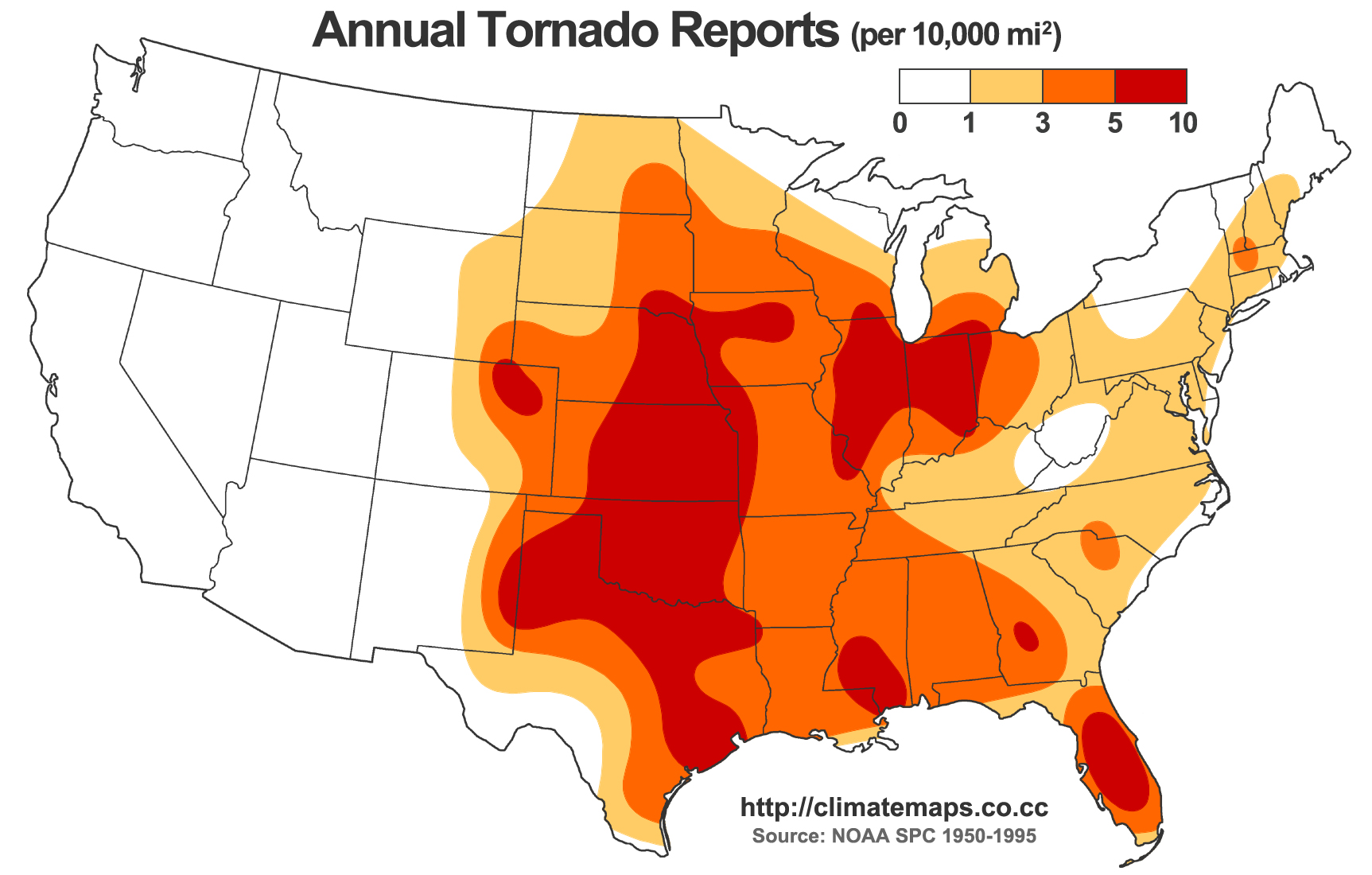
The term “Tornado Alley” immediately conjures images of intense weather, and Texas is undeniably a central player in this notorious region. While the exact boundaries of Tornado Alley are debated and can shift slightly year by year, the core of this area encompasses parts of the Great Plains, including a significant portion of North Texas. This geographical predisposition is due to a unique confluence of atmospheric conditions.
The Meteorological Cocktail for Tornado Formation
Texas’s susceptibility to tornadoes is largely a result of its geography and climate, creating a perfect storm of ingredients for twister development.
Warm, Moist Air from the Gulf of Mexico
A key ingredient is the abundant supply of warm, moist air that frequently surges northward from the Gulf of Mexico. This moisture is the fuel for thunderstorms, providing the necessary instability in the atmosphere. When this humid air mass collides with cooler, drier air from the west, it creates a volatile environment ripe for severe weather.
Cool, Dry Air from the Rocky Mountains and Canada
Simultaneously, cold, dry air from the Rocky Mountains or even from Canada can push southward. The contrast between the warm, moist air and the cool, dry air creates a significant temperature and humidity gradient, leading to atmospheric instability. This instability is what allows air to rise rapidly, forming towering cumulonimbus clouds – the precursors to thunderstorms.
Jet Stream Dynamics
The position and strength of the jet stream play a critical role. During the spring and early summer months, the jet stream often dips southward over the central United States. This pattern provides the upper-level support needed for severe thunderstorms to develop and intensify. The wind shear – the change in wind speed and direction with height – associated with the jet stream is particularly important. This shear can cause developing thunderstorms to rotate, a crucial step in the formation of tornadoes.
Dryline Formation
Another significant factor in Texas is the “dryline.” This is an invisible boundary in the atmosphere where very dry continental air from the west meets the moist maritime air from the Gulf of Mexico. When the dryline moves eastward, it forces the moist air upwards, triggering severe thunderstorm development.
Seasonal Patterns and Peak Activity
While tornadoes can occur in Texas at any time of the year, the peak season for severe weather, including tornadoes, is generally in the spring.
Spring: The Prime Tornado Season
From March through May, Texas experiences its most active tornado period. This is when the atmospheric ingredients – warm, moist air from the south, cool, dry air from the west, and a dynamic jet stream – most frequently align. Cities like Dallas, Fort Worth, and Houston are all susceptible during this time. Travelers planning trips to these areas or heading to attractions like Six Flags Over Texas should be particularly aware of weather forecasts.
Summer and Fall: Lingering Threats
While the intensity of tornado season typically wanes after May, tornadoes can still occur during the summer months, particularly with the aid of tropical systems that make landfall. In the fall, particularly October and November, a secondary, though usually less active, period of severe weather can emerge as cooler air begins to push southward again.
The Numbers Game: Tornado Frequency in Texas
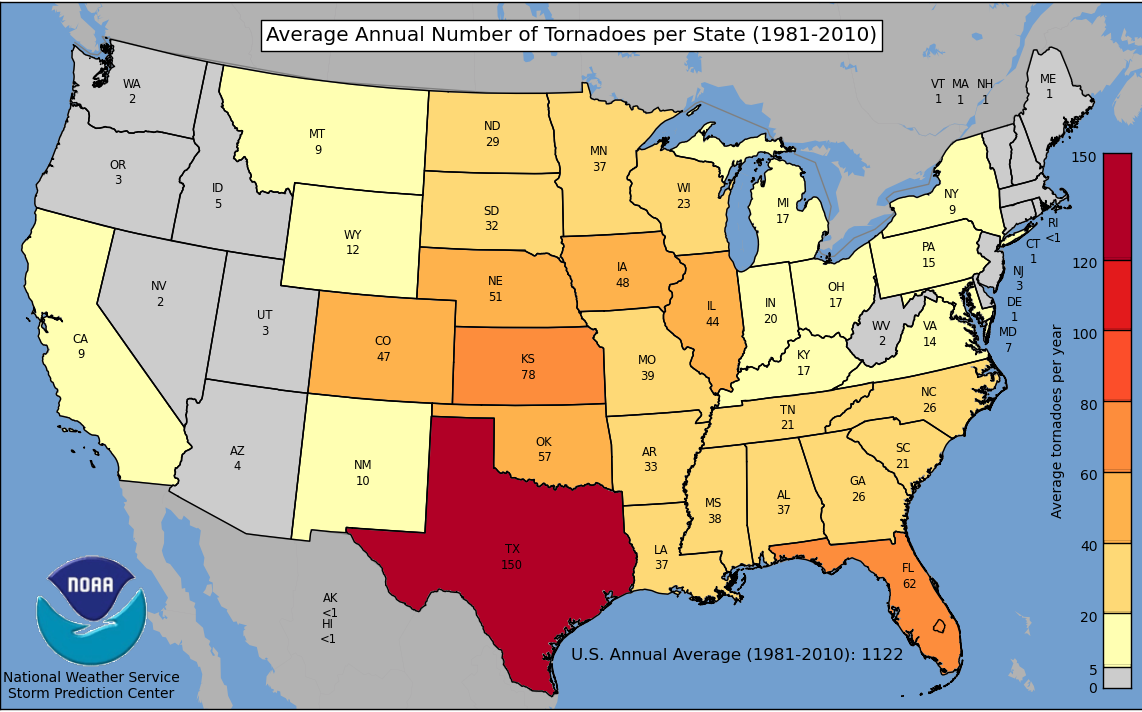
Quantifying the exact number of tornadoes that touch down in Texas each year is a complex task, as data collection methods and reporting have evolved over time. However, consistently, Texas ranks among the top states for tornado activity.
Annual Averages and Leading Positions
Based on historical data compiled by organizations like the National Oceanic and Atmospheric Administration (NOAA) and its Storm Prediction Center, Texas averages over 150 tornadoes per year. This figure places it consistently as the state with the most tornadoes annually. It’s important to note that this is an average, and the actual number can fluctuate significantly from one year to the next. Some years might see fewer than 100 tornadoes, while others, particularly active ones, can experience well over 200.
Variations by Region within Texas
While the entire state is at risk, certain regions within Texas are more prone to tornadoes than others. The eastern half of the state, particularly the area often referred to as “Dixie Alley,” experiences a higher frequency of tornadoes, especially strong ones, compared to West Texas. This is due to the proximity of the moisture source from the Gulf of Mexico and the typical storm tracks. Cities in this corridor, stretching from the Dallas-Fort Worth Metroplex down towards San Antonio and the Texas coast, are particularly vigilant during severe weather seasons.
The Impact of Severe Tornadoes
While the sheer number of tornadoes is a significant statistic, the impact of the stronger, more violent tornadoes is what truly defines Texas’s tornado threat.
EF-Scale Classification
Tornadoes are classified on the Enhanced Fujita (EF) Scale, which estimates tornado wind speeds based on the damage they cause. EF0 and EF1 tornadoes are considered weaker, capable of causing minor to moderate damage, while EF2 and EF3 tornadoes are strong, causing significant damage. EF4 and EF5 tornadoes are violent and catastrophic, capable of leveling well-constructed homes and hurling vehicles. Texas experiences a considerable number of strong and violent tornadoes each year, contributing to the state’s reputation for dangerous storms.
Notable Tornado Outbreaks
Texas has a history of devastating tornado outbreaks that have left indelible marks on communities. Events like the Waco tornado outbreak of 1953, the 2011 super outbreak that impacted cities like Granbury, and more recent events have caused immense destruction and loss of life. These outbreaks underscore the importance of preparedness and robust warning systems.
Preparing for Tornadoes While Traveling in Texas
For tourists and travelers, understanding tornado potential is not about fear-mongering but about sensible planning and safety. Texas offers a wealth of attractions, from the Space Center Houston to the natural beauty of Big Bend National Park, and with proper awareness, these can be enjoyed safely.
Staying Informed and Weather-Ready
The most critical aspect of tornado safety is staying informed.
Utilizing Weather Apps and Alerts
Modern technology offers excellent tools for monitoring weather. Downloading reliable weather apps that provide real-time radar and alerts is essential. Most smartphones have built-in alert systems that will notify users of severe weather warnings issued by the National Weather Service. Pay close attention to watches (conditions are favorable for tornadoes) and warnings (a tornado has been sighted or indicated by radar).
Local News and Emergency Broadcasts
During a severe weather event, local news channels and radio stations are invaluable sources of information. They provide localized updates and guidance from emergency management officials. Familiarize yourself with the local emergency broadcast system in the area you are visiting.
Accommodation and Safety Measures
Where you stay can significantly impact your safety during a tornado.
Choosing Safe Accommodation
When booking hotels or other accommodations, consider their proximity to designated storm shelters or basements. Many hotels in tornado-prone areas have implemented safety protocols and may have specific instructions for guests during severe weather. If you are in a rental property, inquire with the owner or property manager about the safest place to take shelter. For those considering long-term stays or apartments, understanding the building’s emergency plan is crucial.
Understanding Shelter-in-Place Protocols
In the event of a tornado warning, the general advice is to seek shelter immediately.
Interior Rooms and Basements
The safest place to be during a tornado is in a sturdy building, preferably in a basement, storm cellar, or an interior room on the lowest floor away from windows. Avoid mobile homes and vehicles, as they offer little protection from strong winds. If you are in a hotel, follow the staff’s instructions, which usually direct guests to interior hallways or designated shelter areas on lower floors.
Rural vs. Urban Considerations
The approach to safety might differ slightly between rural and urban environments. In rural areas, basements or storm cellars are often readily available. In urban areas, interior rooms on lower floors of multi-story buildings are the best bet. For those visiting landmarks like the San Jacinto Monument or enjoying the nightlife in Austin, awareness of nearby sturdy buildings for shelter is key.
Planning Your Itinerary with Weather in Mind
While spontaneous travel can be rewarding, a little foresight regarding weather can enhance your experience.
Flexibility and Contingency Plans
If your travel dates fall within the peak tornado season, especially if you plan to visit areas known for high activity like North Texas, it’s wise to build some flexibility into your itinerary. Have contingency plans in place in case severe weather disrupts your travel plans or outdoor activities. This could involve having indoor attractions or experiences readily available as alternatives.

Avoiding High-Risk Periods If Possible
For leisure travelers, if extreme weather avoidance is a priority, consider scheduling trips to Texas outside the main spring tornado season. Late fall (after the primary season has passed) or early spring can still offer pleasant weather with a reduced risk of severe storms. However, it is crucial to remember that tornadoes can occur at any time of year.
In conclusion, Texas’s position within Tornado Alley means that an understanding of tornado frequency is an important aspect of experiencing this dynamic state. While the average of over 150 tornadoes per year is a notable statistic, it’s the severity and potential impact of these storms that necessitate preparedness. By staying informed, choosing safe accommodations, and having a clear understanding of safety protocols, visitors and residents can confidently explore the diverse attractions and rich lifestyle that Texas has to offer, ensuring a memorable and safe experience.
LifeOutOfTheBox is a participant in the Amazon Services LLC Associates Program, an affiliate advertising program designed to provide a means for sites to earn advertising fees by advertising and linking to Amazon.com. Amazon, the Amazon logo, AmazonSupply, and the AmazonSupply logo are trademarks of Amazon.com, Inc. or its affiliates. As an Amazon Associate we earn affiliate commissions from qualifying purchases.