
The story of Miami, a vibrant metropolis renowned for its stunning beaches, dynamic culture, and bustling international commerce, is a fascinating narrative interwoven with the vision of determined pioneers. While no single individual can claim sole credit for the genesis of such a sprawling urban landscape, one name stands out prominently as the “Mother of Miami”: Julia Tuttle. Her foresight and perseverance, coupled with the strategic ambitions of industrialist Henry Flagler, transformed a desolate South Florida wilderness into one of the United States‘ most iconic cities. Understanding the founding of Miami is to delve into a tale of ambition, natural disaster, and the relentless spirit of American development. It’s a historical landmark in itself, revealing the foundational grit beneath the city’s glamorous facade.
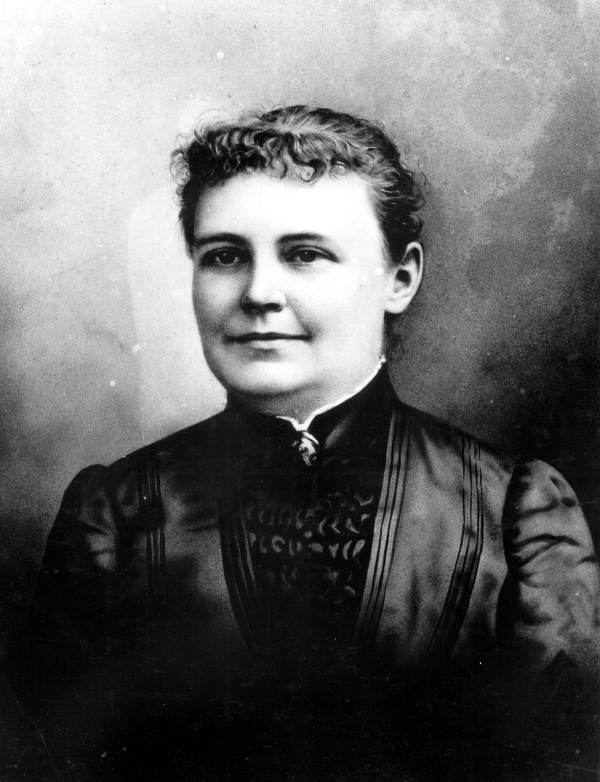
The Trailblazing Vision of Julia Tuttle
The narrative of Miami’s founding is inextricably linked to Julia Tuttle, a remarkable woman whose vision extended beyond the challenges of the late 19th-century frontier. Born Julia DeForest Sturtevant in Cleveland, Ohio, in 1849, she was a refined woman who, following the death of her husband, Frederick Tuttle, decided to embark on a radical change of scenery. This bold move would ultimately lay the groundwork for a future international hub.
Early Life and Arrival in Florida
Julia Tuttle’s journey to South Florida was motivated by both personal circumstance and a desire for new beginnings. After becoming a widow, she sought an environment where she could raise her children and manage her inherited estate, which included a large orange grove in Florida. Her father, Ephraim Sturtevant, had previously moved to the area around Biscayne Bay, purchasing land that would later become integral to her plans. Upon her arrival in 1891, Julia Tuttle acquired the former Fort Dallas property, a strategic tract of land located on the north bank of the Miami River near its mouth into Biscayne Bay. This acquisition marked the true beginning of her transformative influence.
A Strategic Homestead on Biscayne Bay
Tuttle’s new home was far from a bustling settlement. It was a sparsely populated wilderness, albeit one blessed with natural beauty and a favorable climate, particularly compared to the colder northern regions. She saw immense potential in the land, envisioning a thriving city where others saw only mangrove swamps and pine forests. Her property, encompassing hundreds of acres, was strategically positioned. It offered deep-water access, a natural river, and fertile ground. She understood that for a city to flourish, it needed infrastructure, and the most critical piece of infrastructure at the time was the railroad. She tirelessly advocated for the extension of Henry Flagler’s Florida East Coast Railway southwards, believing it was the key to unlocking the region’s promise. Her conviction and persistence would soon be put to the ultimate test.
The Railroad’s Arrival: Henry Flagler’s Influence
While Julia Tuttle held the vision and the land, it was the industrial might and entrepreneurial spirit of Henry Flagler that provided the necessary catalyst for Miami’s rapid development. Flagler, a co-founder of Standard Oil, had already made a name for himself in Florida by investing heavily in the state’s burgeoning tourism industry and extending his railroad empire down the east coast.
Florida East Coast Railway and the Great Freeze
Henry Flagler had begun his ambitious project to build the Florida East Coast Railway in the 1880s, gradually pushing it south from St. Augustine to Palm Beach, creating luxury hotels and resorts along the way. His primary motivation was to serve the wealthy tourists flocking to Florida’s milder climate. However, he initially resisted extending the railway further south than Palm Beach, viewing the territory around Biscayne Bay as too remote and undeveloped to warrant the immense investment.
This hesitation changed dramatically in the winter of 1894-1895, an event known as “The Great Freeze.” Two severe cold snaps decimated Florida’s citrus crops, causing widespread economic devastation, particularly in the northern and central parts of the state. Miraculously, the area around Biscayne Bay, thanks to its more southerly latitude and the moderating influence of the Atlantic Ocean and the Everglades, was largely spared. Julia Tuttle, seizing this opportune moment, sent a bouquet of fresh orange blossoms to Henry Flagler in St. Augustine, along with a letter reiterating her offer of land and highlighting the region’s frost-free climate. This tangible proof of South Florida’s unique advantage proved irresistible.
A Partnership that Forged a City
The combination of the Great Freeze and Julia Tuttle’s persuasive efforts finally convinced Henry Flagler to extend his railroad to Biscayne Bay. In exchange for the railroad extension, Flagler received substantial land grants from Tuttle, as well as from other prominent landowners like William Brickell. This monumental decision led to the arrival of the first train on April 22, 1896, forever altering the destiny of the region.
Flagler didn’t just bring the railroad; he brought an entire infrastructure. He dredged the Miami River to create a deeper port, built streets, established the city’s first newspaper (the Miami Metropolis), and constructed the magnificent Royal Palm Hotel, a luxury resort that immediately put Miami on the map as a tourist destination. His investments were comprehensive, laying the physical and economic foundations for a thriving city. This partnership, born out of mutual interest and a shared belief in South Florida’s potential, was the direct catalyst for Miami’s official birth.

The Birth of a City: From Pineapples to Prosperity
With the railroad’s arrival, the nascent community around Biscayne Bay experienced explosive growth. What was once a collection of scattered homesteads and pineapple plantations quickly transformed into a bustling construction site, attracting workers, investors, and new residents from across the United States and beyond.
Incorporation and Early Development
Just three months after the first train pulled into town, the residents gathered to vote on incorporating the city. On July 28, 1896, the City of Miami was officially incorporated. The vote was a diverse affair, with a significant number of Black men, many of whom were railway workers from Key West and the Bahamas (especially Nassau), playing a crucial role in the outcome. These individuals, essential to the labor force that built the railroad and the early city, ensured the quorum for incorporation was met. The new city encompassed an area of 5.5 square miles, and its population, which was less than 500 just a few years prior, swelled to over 1,600 by the time of incorporation.
Early development was rapid. Streets were laid out in a grid pattern, commercial buildings sprung up, and the new port began to handle increasing trade. The focus shifted from agriculture, particularly pineapples, to tourism and real estate, thanks to Flagler’s investments and the city’s appealing climate. Julia Tuttle continued to play an active role, selling parcels of land, establishing businesses, and helping to shape the city’s early character. She lived just long enough to see her dream take substantial form, passing away in 1898, two years after the city’s incorporation.
Diverse Influences and Community Building
While Julia Tuttle and Henry Flagler are rightly credited as the primary founders, the rapid growth of Miami was a collective effort driven by a diverse community. The Black laborers who worked on the railroad and in the nascent city formed integral communities, contributing significantly to Miami’s social and economic fabric. Their role, often overlooked in earlier historical accounts, is increasingly recognized as fundamental to the city’s very existence.
Similarly, other landowners, entrepreneurs, and early settlers contributed their capital, labor, and vision. The unique blend of pioneers from the northern United States, Bahamian immigrants, and existing Floridians created a distinct cultural melting pot from the very beginning. This foundational diversity would continue to be a defining characteristic of Miami, shaping its identity as a global crossroads.
Beyond the Founders: Enduring Legacies and Modern Miami
The legacy of Julia Tuttle and Henry Flagler extends far beyond the historical act of founding. Their combined vision and investment established the foundational principles that continue to drive Miami’s growth and distinct identity.
Celebrating Miami’s Founders
Today, the contributions of Julia Tuttle are commemorated through various landmarks and institutions in Miami. The Julia Tuttle Causeway, a major artery connecting Miami Beach to mainland Miami, bears her name, serving as a constant reminder of her pioneering spirit. Statues and plaques throughout the city also honor her as the “Mother of Miami.”
Henry Flagler’s impact is equally pervasive. The Florida East Coast Railway continues to operate, albeit primarily as a freight line. Many of the cities and towns along Florida’s east coast owe their existence and initial development to his railroad. In Miami itself, Flagler Street serves as a central thoroughfare, acknowledging his pivotal role. His vision for a connected Florida shaped the state’s economic geography for generations.
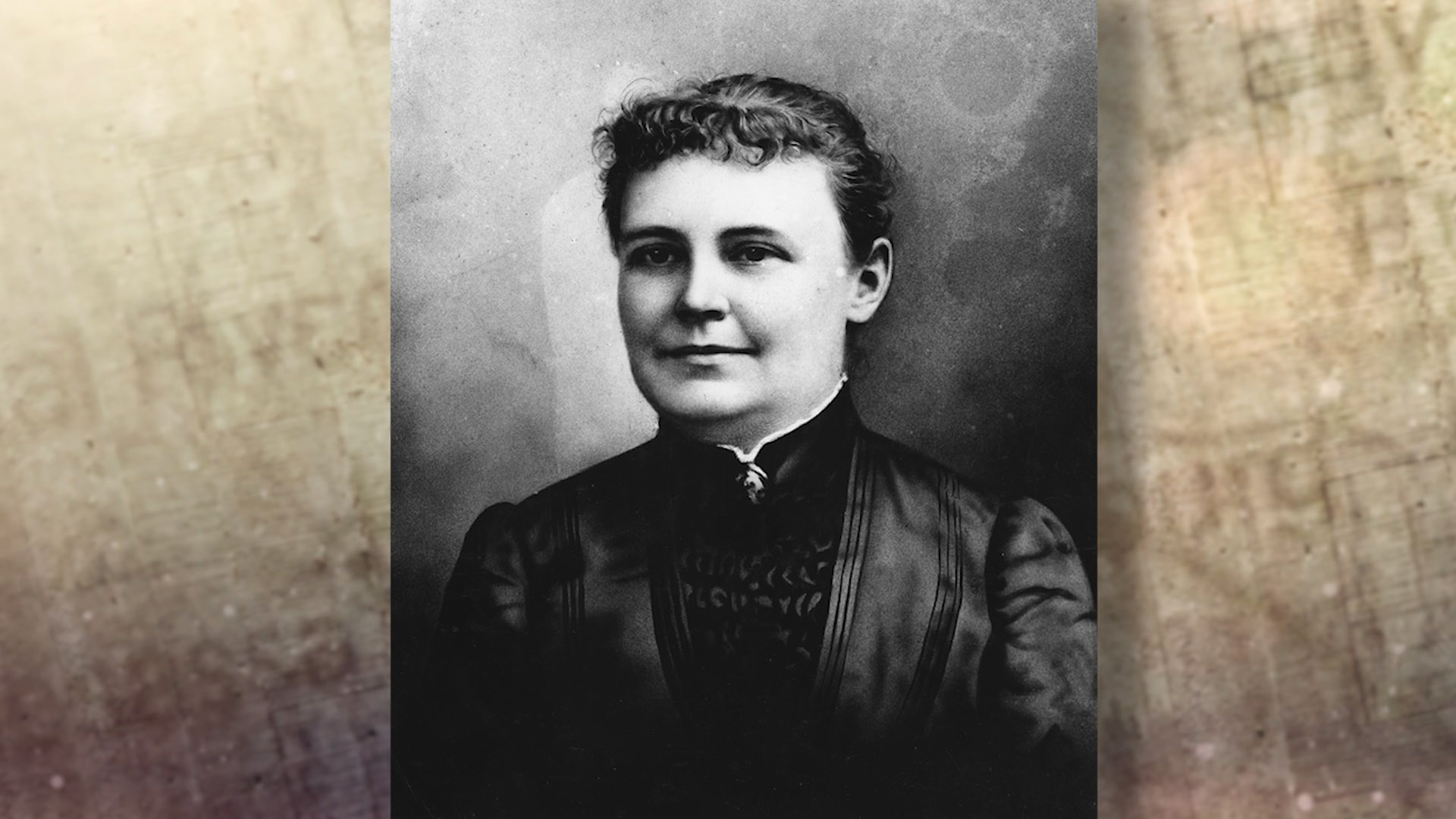
Miami’s Dynamic Evolution
From its humble beginnings as a strategic homestead and a railroad terminus, Miami has evolved into a global city, a hub for international finance, commerce, culture, and tourism. The city’s growth, particularly in the 20th and 21st centuries, has been fueled by waves of immigration, transforming it into a vibrant mosaic of cultures, predominantly influenced by Latin American and Caribbean communities. This demographic shift has further solidified Miami’s reputation as the “Gateway to the Americas.”
Neighborhoods like Brickell boast a skyline of towering skyscrapers, indicative of its status as a financial powerhouse. South Beach‘s Art Deco Historic District preserves the architectural heritage of a bygone era while remaining a world-renowned entertainment destination. This incredible transformation from a wilderness outpost to a glittering metropolis is a testament to the enduring vision of its founders and the successive generations of people who have built upon their initial dreams.
In conclusion, while the question “Who founded Miami?” might seem to demand a single answer, the reality is a richer, more complex story. It is the story of Julia Tuttle’s unwavering belief in the potential of Biscayne Bay, Henry Flagler’s strategic investment, and the collective efforts of countless individuals who laid the groundwork for one of the world’s most dynamic cities. Their combined legacy is a landmark in urban development, forever etched into the historical fabric of this iconic Florida destination.
LifeOutOfTheBox is a participant in the Amazon Services LLC Associates Program, an affiliate advertising program designed to provide a means for sites to earn advertising fees by advertising and linking to Amazon.com. Amazon, the Amazon logo, AmazonSupply, and the AmazonSupply logo are trademarks of Amazon.com, Inc. or its affiliates. As an Amazon Associate we earn affiliate commissions from qualifying purchases.