
The allure of a culinary creation often extends beyond its mere ingredients; it lies in its history, its cultural significance, and the sheer comfort it offers. “Mississippi Pot Roast” is one such dish, a name that evokes a sense of Southern charm and hearty, home-style cooking. While its origins are steeped in the traditions of slow-cooked meats, its modern iteration has gained widespread popularity, becoming a staple in kitchens across the United States and beyond. This article delves into the essence of Mississippi Pot Roast, exploring its defining characteristics, its evolution, and why it has captured the hearts and taste buds of so many.

The Essence of Mississippi Pot Roast: More Than Just a Meal
At its core, Mississippi Pot Roast is a slow-cooked dish characterized by its tender, fall-apart meat, infused with a rich and savory broth. While the term “pot roast” itself refers to a method of cooking tougher cuts of meat at low temperatures for extended periods, the “Mississippi” designation imbues it with specific flavor profiles and ingredients that set it apart. This isn’t your grandmother’s basic pot roast; it’s a dish that has been refined and popularized, often with a few key additions that elevate its taste and texture.
Defining Ingredients and the Flavor Profile
The foundation of any good Mississippi Pot Roast is, of course, the beef. Traditionally, tougher, less expensive cuts of beef are used, such as chuck roast, brisket, or round roast. These cuts, when subjected to slow cooking, break down beautifully, yielding incredibly tender and flavorful meat. The magic of Mississippi Pot Roast, however, lies in the flavor enhancers that are typically incorporated.
One of the defining elements of the modern Mississippi Pot Roast is the use of Ranch seasoning mix. This dry seasoning blend, commonly found in grocery stores, brings a zesty, herbaceous, and slightly tangy note to the dish. Its inclusion is a departure from more traditional pot roast seasonings, but it’s precisely this unexpected ingredient that has contributed to its unique and addictive flavor.
Another crucial component is the addition of au jus gravy packets. These packets, often paired with the Ranch seasoning, provide a savory, umami-rich base for the cooking liquid. They contribute depth and complexity to the broth, ensuring that every bite of meat is infused with deliciousness.
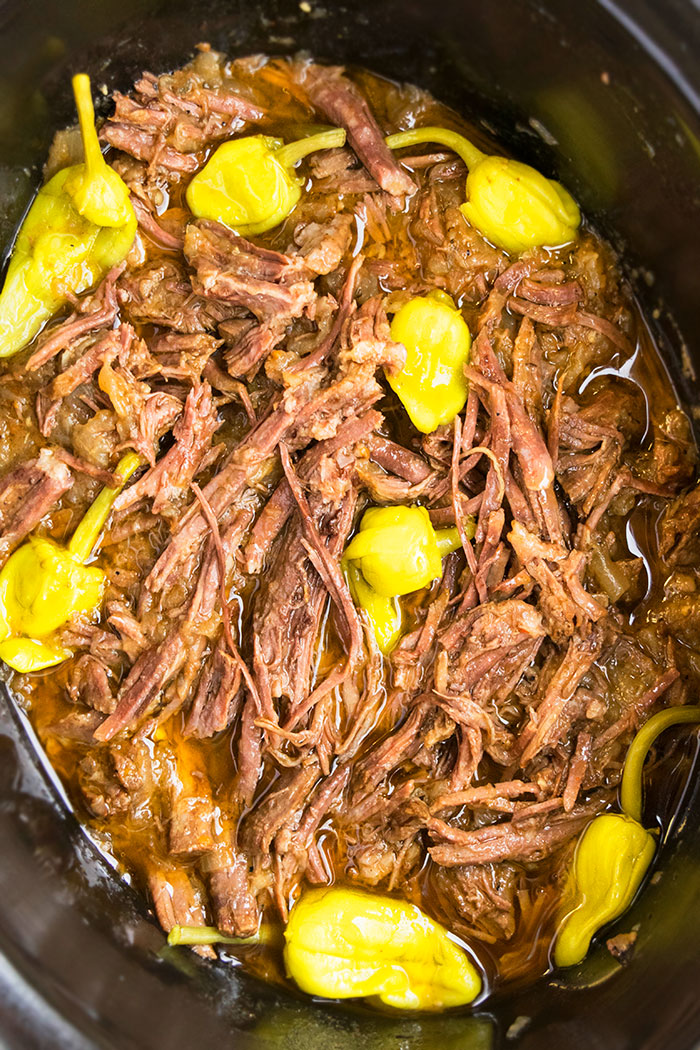
Perhaps the most iconic and somewhat controversial addition is the pepperoncini peppers. These mild, tangy Italian chili peppers are typically added whole to the pot during the cooking process. They release their brine and a subtle peppery flavor, infusing the roast and its juices with a unique tanginess that cuts through the richness of the beef. The peppers themselves become tender and are often served alongside the shredded or sliced roast, offering a delightful burst of flavor.
The combination of these elements – the tender beef, the savory Ranch seasoning, the umami-rich au jus, and the tangy pepperoncini – creates a flavor profile that is both comforting and complex. It’s a symphony of savory, tangy, and herbaceous notes that makes Mississippi Pot Roast a standout dish.
The Slow Cooking Process: Patience for Perfection
The “pot” in pot roast is key to its success. The cooking method is a slow and steady process that allows the connective tissues in the beef to break down, transforming tough cuts into melt-in-your-mouth tender meat. This is typically achieved through one of two methods:
-
Oven Roasting: The traditional method involves placing the seasoned beef in a heavy-bottomed pot, such as a Dutch oven, along with the other ingredients and liquid. This pot is then covered tightly and placed in a low-temperature oven, usually between 300°F (150°C) and 325°F (160°C). The low, consistent heat of the oven is ideal for long, slow cooking, allowing the roast to cook undisturbed for several hours.
-
Slow Cooker (Crock-Pot): The advent of the slow cooker, often referred to by the brand name Crock-Pot, has made preparing Mississippi Pot Roast even more accessible. This countertop appliance offers a hands-off approach, allowing the roast to cook for 6-10 hours on low heat or 3-5 hours on high. The slow cooker’s gentle, even heat is perfect for achieving the desired tenderness without the need for constant monitoring.
Regardless of the cooking vessel, the principle remains the same: time and low heat are essential. This extended cooking period not only tenderizes the meat but also allows the flavors from the seasoning packets and pepperoncini to meld and permeate the entire roast. The result is a deeply flavorful and incredibly tender dish that requires minimal active cooking time, making it a favorite for busy weeknights or relaxed weekends.
The Evolution and Popularity of Mississippi Pot Roast
While the concept of slow-cooked beef has existed for centuries across various cultures, the specific “Mississippi Pot Roast” as we know it today is a more recent culinary phenomenon. Its rise to prominence can be attributed to its simple yet effective flavor combination and its adaptability, making it a perfect candidate for sharing on social media and in online recipe communities.
A Modern Classic: From Home Kitchens to Viral Fame
The exact origin story of Mississippi Pot Roast is somewhat anecdotal, with many attributing its popularization to food bloggers and home cooks who began sharing their recipes online. The simplicity of the ingredients – readily available at most supermarkets – and the foolproof nature of the slow-cooking method made it an instant hit.
The dish gained significant traction through platforms like Pinterest and Facebook, where visually appealing photos of the tender, shredded beef and the accompanying gravy garnered widespread attention. Its reputation for being incredibly easy to make, with minimal prep work, further fueled its popularity. Many home cooks found that they could achieve restaurant-quality results with very little effort, making it an ideal recipe for beginners and experienced cooks alike.
The name itself likely contributes to its appeal. “Mississippi” evokes a sense of Southern heritage, comfort food, and a connection to a specific regional cuisine. Even if the dish didn’t originate exclusively in Mississippi, the name carries with it connotations of tradition, warmth, and hearty meals, which resonates deeply with many people.
Adaptations and Variations: Making it Your Own
While the core recipe of Mississippi Pot Roast is fairly consistent, its versatility allows for numerous adaptations and variations. This ability to be customized is another reason for its enduring popularity.
-
Different Cuts of Beef: While chuck roast is the most common choice, some recipes suggest using brisket for an even richer flavor or round roast for a leaner option. The cooking time may need to be adjusted slightly depending on the cut.
-
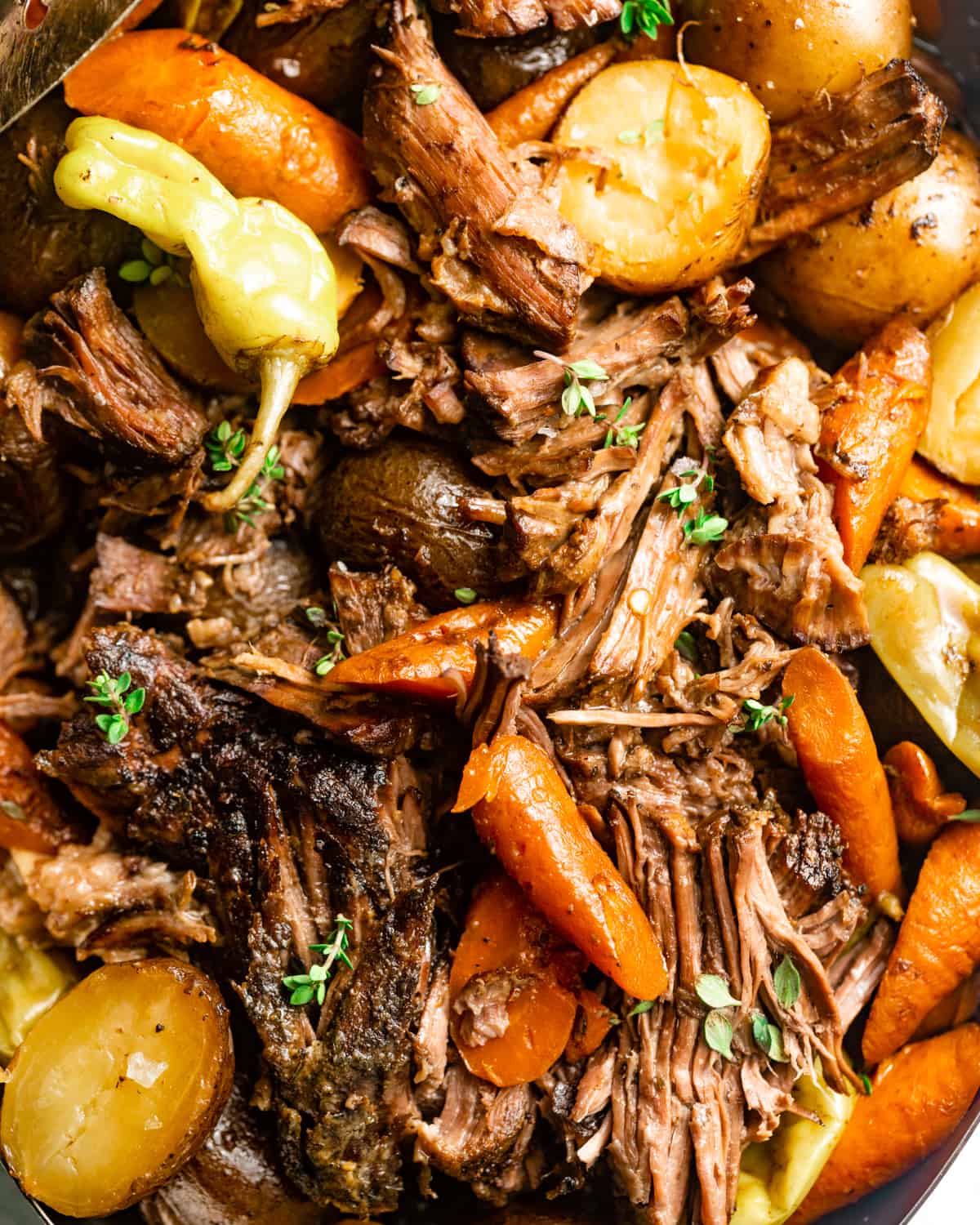
Vegetable Additions: Many cooks like to add root vegetables to the pot roast, such as carrots, potatoes, and onions. These vegetables cook alongside the beef, absorbing the delicious flavors of the broth and becoming tender and flavorful themselves. This transforms the dish into a complete meal in one pot.
-
Spice Level: For those who prefer a bit more heat, some variations include adding jalapeños or a pinch of cayenne pepper to the pot. Conversely, for those who find the pepperoncini brine too strong, they might use fewer peppers or even omit them.
-
Alternative Seasonings: While the Ranch seasoning is a signature ingredient, some adventurous cooks experiment with other dry soup mixes or even create their own herb blends to achieve a unique flavor profile.
-
Serving Suggestions: Traditionally, Mississippi Pot Roast is served shredded or sliced, often piled high on sandwiches, served over mashed potatoes, or accompanied by rice. The rich gravy is an essential part of the experience, used to moisten the meat and add an extra layer of flavor to any accompanying starch.
The adaptability of Mississippi Pot Roast ensures that it can be tailored to individual preferences and dietary needs, making it a truly inclusive and beloved dish.
Mississippi Pot Roast in the Context of Tourism and Culinary Experiences
While Mississippi Pot Roast might not be a specific landmark or a destination in itself, its popularity is intrinsically linked to the broader themes of culinary tourism and experiencing local culture. The appreciation for this dish often sparks curiosity about the broader culinary landscape of the American South.
A Taste of Southern Hospitality and Comfort Food Culture
The appeal of Mississippi Pot Roast is deeply rooted in the concept of Southern hospitality and the enduring love for comfort food. In many cultures, slow-cooked meals are associated with family gatherings, special occasions, and a sense of warmth and nourishment. The act of preparing a pot roast is often seen as an expression of care and a desire to provide a satisfying meal for loved ones.
The popularity of this dish contributes to the wider appreciation of American South cuisine. It highlights how simple, readily available ingredients can be transformed into something incredibly delicious through traditional cooking methods. For travelers interested in exploring the food scene of the American South, dishes like Mississippi Pot Roast offer an authentic glimpse into the region’s culinary heritage.
When visiting cities known for their culinary prowess, such as New Orleans or Charleston, travelers often seek out restaurants that serve classic Southern fare. While you might not find “Mississippi Pot Roast” on every fine-dining menu, the principles of slow cooking and the emphasis on rich, savory flavors are prevalent throughout Southern cooking. Exploring local eateries and markets can reveal similar dishes that embody the same spirit of hearty, home-style cooking.
Beyond the Plate: Culinary Travel and Discovery
The culinary journey inspired by a dish like Mississippi Pot Roast can extend far beyond the kitchen. It can encourage travelers to explore:
-
Local Markets and Grocery Stores: Discovering the ingredients used in regional dishes, such as specific types of peppers or local beef cuts, can be a fascinating part of travel.
-
Farm-to-Table Experiences: Understanding the origin of ingredients and supporting local agriculture often goes hand-in-hand with appreciating regional cuisine.
-
Cooking Classes and Food Tours: Participating in culinary experiences can provide deeper insights into the preparation and cultural significance of local dishes.
-
Historical Foodways: Learning about the historical development of Southern cuisine, from its indigenous roots to its influences from various immigrant groups, adds a rich layer of understanding.
While the Mississippi Pot Roast itself is a recipe, its widespread appeal is a testament to the universal desire for delicious, comforting food and the joy it brings to sharing meals. It serves as a delicious entry point into understanding the broader culinary landscape and the cultural significance of food in regions like the American South, inspiring further exploration and culinary discovery for travelers and home cooks alike. It embodies the essence of good food, shared with good company, a principle that resonates universally, whether you’re exploring new destinations or enjoying a home-cooked meal.
LifeOutOfTheBox is a participant in the Amazon Services LLC Associates Program, an affiliate advertising program designed to provide a means for sites to earn advertising fees by advertising and linking to Amazon.com. Amazon, the Amazon logo, AmazonSupply, and the AmazonSupply logo are trademarks of Amazon.com, Inc. or its affiliates. As an Amazon Associate we earn affiliate commissions from qualifying purchases.