
Miami International Airport (MIA) is a colossal gateway, not just for the vibrant city it serves, but for the entire United States, acting as a crucial hub for international travel, particularly to Latin America and the Caribbean. When one asks “How big is Miami Airport?”, the answer extends beyond mere physical dimensions to encompass its immense operational scale, economic impact, and its role in shaping the travel experiences of millions. It’s a city within a city, buzzing with activity, a nexus of commerce, and a vital component of the Florida tourism landscape.
The sheer scale of Miami International Airport is best understood by examining its physical footprint, its passenger and cargo volumes, and its extensive network of destinations. It’s a place where travel dreams take flight and where the rhythm of global commerce beats steadily. For those planning a trip to Miami, understanding the airport’s magnitude can demystify the travel process, highlight its significance as a landmark, and even inspire further exploration of the region’s diverse attractions and experiences.

Navigating the Expansive Terminals and Grounds
Miami International Airport is far more than just a collection of runways and gates. It’s a complex ecosystem designed to facilitate the seamless movement of people and goods. To truly grasp its size, we must delve into its architectural layout and the operational heart that keeps it running efficiently.
The Terminal Network: A City of Gates
MIA is structured around a series of terminals, each serving a distinct purpose and accommodating a wide array of airlines. The airport boasts three main passenger terminals:
-
North Terminal (Concourse D): This is the largest and busiest terminal, primarily serving American Airlines and its partners. It’s a hub for international flights and features a vast array of amenities. You’ll find a comprehensive selection of restaurants, shops, and lounges within its sprawling concourse. The architecture here is designed for high volume, with wide corridors and ample seating areas, although during peak times, it can still feel bustling.
-
Central Terminal (Concourses E, F, G): This terminal complex is a home for many international carriers and also handles domestic flights. Its interconnected concourses offer diverse travel options and a mix of airlines, providing a gateway for travelers arriving from or departing to a multitude of global destinations. The Central Terminal is a key point of entry for many visitors exploring South Florida.
-
South Terminal (Concourse H): Primarily serving Delta Air Lines and its affiliates, the South Terminal is another significant piece of MIA’s passenger infrastructure. It is designed to handle a substantial flow of both domestic and international travelers, further emphasizing the airport’s global reach.
The total number of gates across these terminals numbers well over 130, a testament to the airport’s capacity. Walking from one end of a concourse to another can be a considerable undertaking, highlighting the physical size of MIA. For passengers, this means factoring in ample time for navigation, especially when connecting between flights or arriving at a distant gate. The airport’s internal transportation system, including shuttle buses and moving walkways, is crucial for managing the distances within this expansive complex.
Beyond the Passenger Terminals: A Vast Operational Footprint
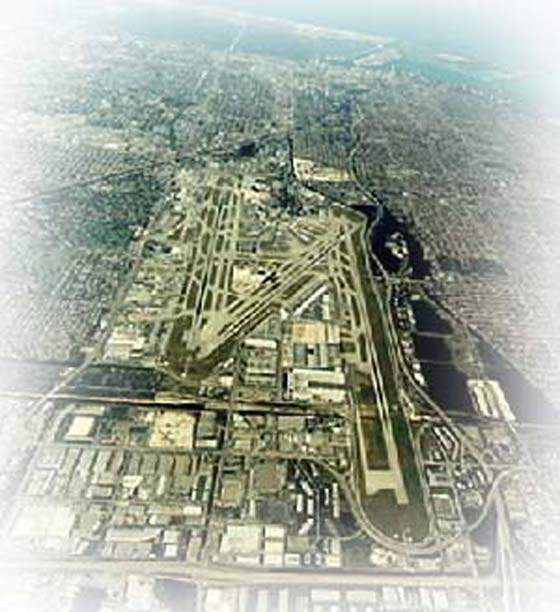
The passenger terminals, while impressive, represent only a fraction of Miami International Airport’s total area. The airport spans over 3,200 acres, an area comparable to numerous city blocks or even a small town. This vast expanse is necessary to accommodate:
-
Runways: MIA has five active runways, meticulously maintained and strategically positioned to handle a constant stream of takeoffs and landings. The length and width of these runways are optimized for the largest commercial aircraft, underscoring the airport’s capability to serve global aviation needs.
-
Cargo Facilities: Miami International Airport is one of the busiest cargo airports in the United States and a major gateway for international airfreighted goods. Its extensive cargo facilities are a testament to its role in global commerce. These areas include massive warehouses, refrigeration units for perishable goods, and specialized handling equipment. The sheer volume of cargo processed here contributes significantly to the economy of Miami and beyond.
-
Maintenance and Support Facilities: The airport is home to numerous hangars, maintenance workshops, fuel depots, and administrative buildings. These essential services ensure the safe and efficient operation of the airport, contributing to its overall immense scale.
-
Ground Transportation Infrastructure: A complex network of roads, bridges, and parking structures surrounds the terminals to facilitate the arrival and departure of passengers and the movement of vehicles. This infrastructure alone occupies a significant portion of the airport’s land.
The scale of these operational components makes Miami International Airport a significant landmark not just for its architecture but for its sheer logistical prowess. It’s a testament to modern engineering and urban planning, designed to handle the demands of a globalized world.
Miami Airport’s Economic Engine and Global Connectivity
The size of Miami International Airport is inextricably linked to its profound economic impact and its role as a vital node in the global transportation network. It’s more than just a place to catch a flight; it’s a powerhouse that drives business, supports jobs, and connects cultures.
A Pillar of the Florida Economy
Miami International Airport is a major economic engine for South Florida, generating billions of dollars in economic activity annually. Its operations support tens of thousands of jobs, both directly at the airport and indirectly through its impact on related industries. This includes:
- Aviation and Airlines: The direct employment of pilots, cabin crew, ground staff, and maintenance personnel.
- Cargo and Logistics: The handling and distribution of goods, supporting a vast network of logistics companies and freight forwarders.
- Hospitality and Tourism: As a primary entry point for tourists, MIA fuels the demand for hotels, restaurants, and attractions throughout Miami-Dade County and beyond. The luxury travel and budget travel sectors both benefit from the airport’s connectivity.
- Retail and Services: The numerous shops, restaurants, and service providers operating within and around the airport create further employment opportunities.
The airport’s contribution to the local culture and lifestyle of Miami is also substantial, influencing the city’s identity as a cosmopolitan hub and a gateway to the Americas.
Connecting the World: A Global Hub for Travel and Commerce
The connectivity offered by Miami International Airport is one of its most defining features. It serves as a critical hub for both passenger and cargo traffic, fostering international travel and commerce.
-
Passenger Traffic: MIA consistently ranks among the busiest airports in the United States and the world for international passenger traffic. Its extensive network of routes connects Miami to hundreds of destinations across North, Central, and South America, the Caribbean, Europe, and beyond. This makes it an essential gateway for both leisure and business stays. For travelers planning family trips, the airport’s direct routes can significantly simplify their journeys.
-
Cargo Operations: As previously mentioned, MIA is a leading cargo airport, playing a pivotal role in the import and export of goods. It’s particularly crucial for the transport of perishable items like fresh produce and flowers, as well as pharmaceuticals and electronic goods. This commerce flow directly impacts businesses and consumers across the globe.
-
International Travel Experiences: The sheer volume of international arrivals and departures means that MIA is often the first or last impression of the United States for many visitors. Its role in facilitating travel experiences from diverse origins to myriad destinations is paramount. This includes catering to a wide range of accommodation needs, from luxury resorts to budget-friendly apartments, and supporting various tourism activities.
The airport’s strategic location, coupled with its immense capacity, positions it as an indispensable player in global aviation. Its size is not just about land area but about the breadth of its influence, connecting people and economies across continents.
Enhancing the Traveler Experience: Amenities and Services at MIA
Beyond its sheer scale, Miami International Airport prioritizes the traveler experience, offering a comprehensive suite of amenities and services designed to make journeys as comfortable and convenient as possible. While the airport’s size can sometimes present a challenge, its facilities aim to mitigate this, offering respite and utility for all types of travelers.
Dining and Shopping: A Culinary and Retail Journey
Within its expansive terminals, MIA provides a diverse culinary landscape and a retail haven. Travelers can find everything from quick bites and casual dining to more upscale restaurants offering a taste of local cuisine or international flavors. Popular chains and independent eateries are scattered throughout the concourses, catering to varied palates and budgets.
The retail offerings are equally impressive, featuring a wide array of shops selling everything from fashion and accessories to duty-free goods, travel essentials, and local souvenirs. Whether you’re looking for last-minute gifts or simply want to browse, MIA’s shopping experience is designed to be engaging. This comprehensive selection supports the lifestyle of modern travelers, offering convenience and indulgence.
Lounges, Wi-Fi, and Connectivity
For travelers seeking a more exclusive and comfortable experience, Miami International Airport offers various airport lounges. These spaces provide a retreat from the general concourse, offering amenities like comfortable seating, complimentary refreshments, Wi-Fi, and business facilities. These are particularly valuable for those on business stays or seeking a more relaxed start to their luxury travel.
Free Wi-Fi is available throughout the airport, allowing passengers to stay connected, work, or entertain themselves while waiting for their flights. Power outlets and charging stations are also strategically placed to ensure devices remain powered, a crucial convenience in today’s connected world.
Art, Culture, and Relaxation
In an effort to enhance the passenger experience and showcase local culture, MIA also features art installations and exhibitions throughout its terminals. These artistic displays add an element of discovery and provide a visual respite from the usual airport hustle. Some areas also offer more tranquil spaces, allowing passengers to relax before their flights.
For those with longer layovers or an early arrival, understanding the airport’s proximity to Miami’s renowned attractions can be an advantage. While the airport is vast, its connectivity to the city means that even a significant layover can offer an opportunity to experience some of the local landmarks, taste the vibrant food scene, or engage in short, impactful activities.

Accessibility and Family-Friendly Services
Miami International Airport is committed to accessibility, offering services and facilities for passengers with disabilities. This includes accessible restrooms, ramps, elevators, and assistance services. The airport also provides amenities for families, such as nursing stations and play areas, making travel more manageable for those with young children. These considerations are vital in ensuring a positive travel experience for all, reflecting a commitment to inclusive tourism.
In conclusion, the question “How big is Miami Airport?” opens a door to understanding a facility that is much more than its physical dimensions. It’s a testament to engineering, an economic powerhouse, a global connector, and a crucial part of the Miami experience for millions of travelers each year. Its size is a reflection of its immense importance in the world of travel, tourism, and international commerce.
LifeOutOfTheBox is a participant in the Amazon Services LLC Associates Program, an affiliate advertising program designed to provide a means for sites to earn advertising fees by advertising and linking to Amazon.com. Amazon, the Amazon logo, AmazonSupply, and the AmazonSupply logo are trademarks of Amazon.com, Inc. or its affiliates. As an Amazon Associate we earn affiliate commissions from qualifying purchases.