
Navigating the financial aspects of travel is an essential part of planning any trip, and for those venturing into the Magnolia State, understanding Mississippi sales tax is key. Whether you’re booking a luxurious suite in Biloxi, exploring the historic charm of Natchez, or indulging in the vibrant culinary scene of Jackson, sales tax will inevitably factor into your expenditure. This guide aims to demystify Mississippi sales tax, illuminating how it applies to various aspects of your travel and lifestyle experiences within the state.
The concept of sales tax is straightforward: it’s a consumption tax imposed by the government on the sale of goods and services. In Mississippi, this tax is levied at both the state and local levels, meaning the final rate can vary depending on your specific destination. This variability is a crucial consideration for travelers, especially those who might be embarking on a multi-city tour or planning extensive shopping sprees. From the cost of your hotel room at the Beau Rivage Resort & Casino to the price of souvenirs picked up along the Natchez Trace Parkway, sales tax is an almost invisible, yet ever-present, component of your budget.
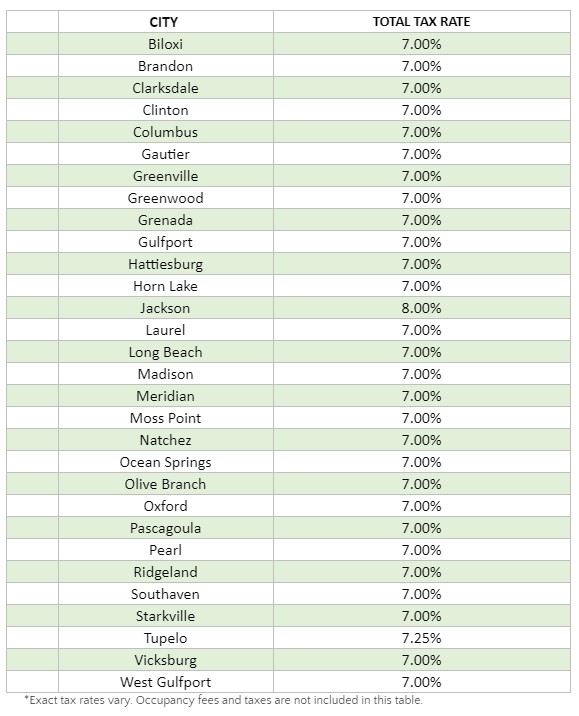
Understanding these tax implications allows for more accurate budgeting, preventing unexpected costs from derailing your meticulously planned vacation. It also empowers you as a consumer to make informed decisions about where and how you spend your money. For instance, knowing the difference in sales tax rates between a bustling city like Jackson and a smaller, more rural town can influence where you choose to stay or make significant purchases. This knowledge is particularly valuable for those who enjoy luxury travel, as higher-value purchases will naturally incur a larger tax amount. Conversely, budget travelers can also benefit by identifying areas with lower tax rates for certain goods or services.
The Layers of Mississippi Sales Tax: State and Local Rates
The sales tax in Mississippi is structured as a dual-level tax, comprising a state sales tax and a local option sales tax. This means that whenever you make a taxable purchase or engage in a taxable service within the state, you’ll be subject to both the statewide rate and any applicable county or municipal rates. This layered approach is common across many U.S. states, but the specific percentages and the way they combine can differ significantly, impacting your overall spending.
State Sales Tax: The Foundation
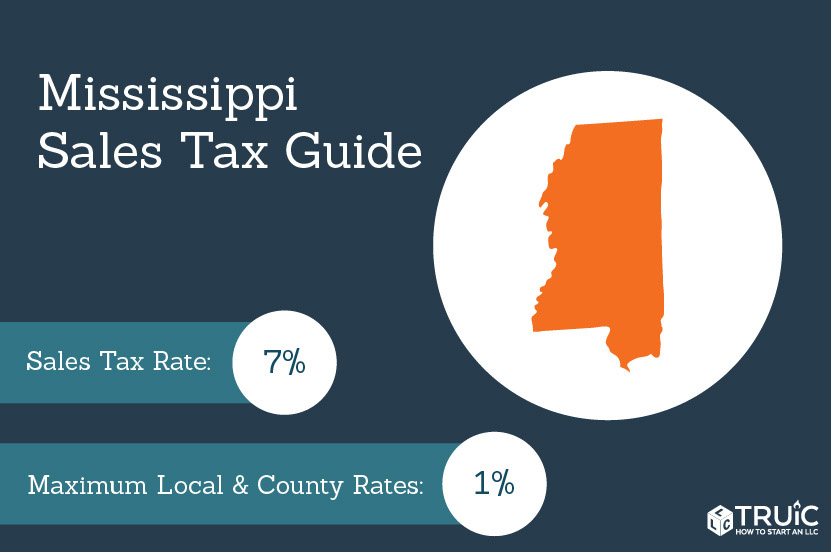
At its core, Mississippi levies a state sales tax on most retail sales of tangible personal property and certain services. This tax provides a significant source of revenue for the state government, funding essential public services such as education, infrastructure, and public safety. The current statewide sales tax rate is a foundational percentage that applies uniformly across Mississippi, regardless of the specific county or city you are visiting. This base rate is the starting point for calculating the total sales tax on your purchases.
When you’re browsing for unique crafts in Oxford, enjoying a meal at a restaurant in Vicksburg, or renting a car at the Gulfport-Biloxi International Airport, the state sales tax is being applied. It’s a fundamental aspect of retail transactions and contributes to the state’s fiscal health. Travelers should be aware that this state rate is just one part of the equation; the local taxes are what truly differentiate the total tax burden from one location to another within Mississippi.
Local Option Sales Tax: Tailoring the Rate
Adding another layer to the tax structure is the local option sales tax. This is where the variation comes into play, allowing counties and cities within Mississippi to impose their own sales taxes. These local taxes are often enacted to fund specific local projects, such as school improvements, road maintenance, or public safety initiatives. The rates for local option sales taxes can vary considerably from one jurisdiction to another.
For example, a hotel stay in Pascagoula might have a different total sales tax rate than a similar stay in Greenville, not because the state rate differs, but because the local rates imposed by Pascagoula‘s county and city differ from those in Greenville‘s county and city. This is particularly relevant when considering different types of accommodations. A longer-term stay in an apartment complex in Hattiesburg will be calculated with its specific local tax rate, distinct from a short-term resort booking in Bay St. Louis. Understanding these local nuances can be beneficial for budget-conscious travelers, allowing them to potentially save money by choosing destinations with lower combined tax rates, especially for significant purchases or extended stays. This also impacts the cost of attractions; entry fees or experiences at places like the Vicksburg National Military Park will also reflect the local tax rates.
Taxable Transactions: What You’ll Pay For
When you’re enjoying the diverse offerings of Mississippi, from its rich history to its modern attractions, understanding what is subject to sales tax is crucial for effective budgeting. The Magnolia State taxes a broad range of goods and services, making it important for travelers to be aware of how these taxes might affect their itinerary and expenses. This knowledge can influence decisions about where to dine, what activities to prioritize, and how to approach shopping for souvenirs or necessities.
Goods and Tangible Personal Property
The most common application of sales tax is on the sale of tangible personal property. This encompasses virtually anything you can physically touch and purchase. When you’re browsing the unique shops in Ocean Springs for local art, picking up groceries in Meridian for a picnic, or purchasing clothing in a mall in Southaven, you are almost certainly paying sales tax on these items. This applies to everything from small trinkets to larger purchases like furniture or electronics.
For travelers, this means that any souvenirs, gifts, or personal items you buy will have sales tax added to the sticker price. Even seemingly minor purchases, like a bottle of water from a convenience store or a new book to read on your journey, are subject to this tax. The rate applied will be the combined state and local rate of the specific location where the transaction occurs. This is a fundamental aspect of consumer spending in Mississippi and is consistent across most retail environments, whether you’re in a large department store or a small, independent boutique.
Services and Other Taxable Transactions
Beyond tangible goods, Mississippi also imposes sales tax on a variety of services. This is where the tax landscape can become a bit more nuanced, as not all services are taxable, and the definitions can sometimes be complex. However, many common services that travelers utilize are indeed subject to sales tax.
For instance, when you book accommodation, be it a luxurious suite at the Grand Hyatt Hotel in Jackson, a charming bed and breakfast in Natchez, or a family-friendly resort along the coast, the room charges are subject to sales tax. This is a significant component of travel expenses. Similarly, car rentals, many types of repair services, admission fees to attractions such as amusement parks or museums, and even some professional services can incur sales tax. Understanding which services are taxed can help you estimate the true cost of your travel experiences. For example, if you plan to enjoy a spa treatment at a Biloxi resort, inquire beforehand about whether the service charge includes sales tax, as this can add a notable percentage to the final bill. The specific taxability of services can vary, so it’s always a good practice to clarify if you are unsure, particularly for less common services or those offered by independent providers.
Planning Your Budget: Practical Tips for Travelers
Understanding Mississippi sales tax is not just about knowing the rates; it’s about effectively incorporating this knowledge into your travel planning to ensure a smooth and financially sound experience. Whether you’re a seasoned traveler or embarking on your first major trip, a little foresight regarding sales tax can make a significant difference in your overall enjoyment and your bank balance. This section offers practical advice to help you navigate sales tax effectively during your Mississippi adventures, from budgeting for accommodations to making informed shopping decisions.
Estimating Costs and Avoiding Surprises
When you’re researching hotels in Vicksburg or looking for a vacation rental in the Mississippi Delta, always factor in sales tax when comparing prices. A seemingly cheaper room rate might end up being more expensive overall once the state and local taxes are added. Many booking websites will display the estimated total cost, including taxes, but it’s wise to do your own quick calculation to confirm. For example, if a hotel room in Columbus is advertised at $150 per night, and you know the combined state and local tax rate is 7%, the actual cost will be approximately $160.50. This incremental increase can add up significantly over a multi-night stay.
When planning activities, consider that admission fees, tour costs, and even food at restaurants will be subject to sales tax. If you’re budgeting for a family trip to the Mississippi Aquarium in Gulfport, ensure your entertainment budget accounts for the added tax on ticket prices and any snacks or souvenirs you might purchase there. For those who enjoy dining out frequently, multiplying your estimated food bill by the local sales tax rate will provide a more realistic expenditure. This proactive approach to budgeting helps avoid those unwelcome “sticker shock” moments and allows for a more relaxed and enjoyable trip.
Strategic Shopping and Lifestyle Choices
Your Mississippi sales tax knowledge can also inform your lifestyle choices while traveling. If you’re planning a significant shopping excursion, consider the sales tax rates of different cities or counties. While the state rate is constant, local rates can differ. If you’re staying in Southaven near the Memphis border, you might compare the sales tax with that of other areas in Mississippi for larger purchases. However, always remember that convenience and the availability of desired items may outweigh minor tax savings.
For those who appreciate luxury travel, understanding the tax implications of high-value purchases is particularly important. If you’re looking to invest in a piece of fine art or a designer item in Jackson, the sales tax will be a noticeable percentage of the total cost. Similarly, if you opt for a long-term stay in an apartment, the monthly rent is generally not subject to sales tax, but any services provided by the apartment complex that are deemed taxable will be. Being aware of these distinctions allows for more informed decisions about where and how you spend your money, aligning your financial planning with your desired travel lifestyle, whether it’s a budget-friendly exploration of Mississippi’s small towns or a luxurious escape to its coastal resorts.
LifeOutOfTheBox is a participant in the Amazon Services LLC Associates Program, an affiliate advertising program designed to provide a means for sites to earn advertising fees by advertising and linking to Amazon.com. Amazon, the Amazon logo, AmazonSupply, and the AmazonSupply logo are trademarks of Amazon.com, Inc. or its affiliates. As an Amazon Associate we earn affiliate commissions from qualifying purchases.