
Understanding the local time is often the first practical step for any traveler venturing into a new destination. When planning a trip to the diverse and captivating Baja California peninsula, knowing “what time it is” is more than just a matter of setting your watch; it’s fundamental to coordinating flights, booking tours, and simply making the most of your adventure. This guide will illuminate the time zones of Baja California, weaving this crucial information into a broader exploration of why this vibrant region is a must-visit for any discerning traveler.
Navigating Time Zones in Baja California: A Traveler’s Guide
Baja California, a long, slender peninsula separating the Pacific Ocean from the Sea of Cortez in northwestern Mexico, observes specific time zones that align with its geographical position. For travelers, understanding these time zones is key to a smooth and enjoyable trip, preventing missed connections or late arrivals to exciting excursions.
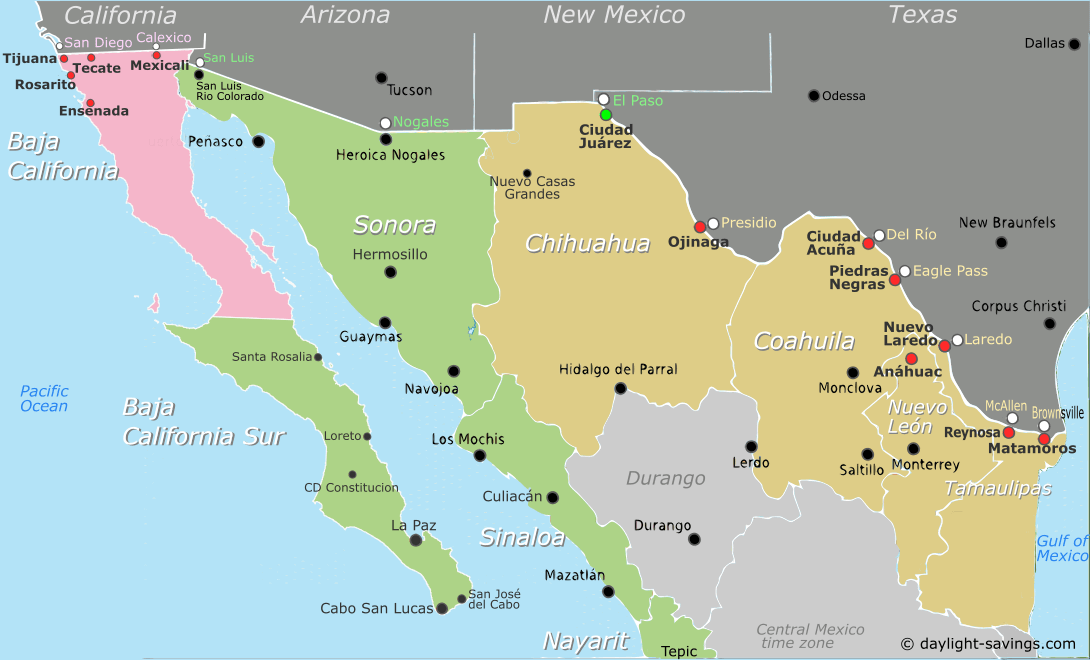
The PST Standard: Baja California’s Main Time Zone
The majority of the Baja California peninsula, including both the state of Baja California and the state of Baja California Sur, operates on Pacific Standard Time (PST). This means that when the United States observes PST (typically from November to March), Baja California is on the same time. During Daylight Saving Time (typically from March to November), both states move to Pacific Daylight Time (PDT), which is UTC-7. This alignment with the Pacific time zone of the United States is particularly convenient for visitors crossing the border from California, as there is no immediate time change. Cities like Tijuana, Ensenada, Mexicali, La Paz, Cabo San Lucas, and San Jose del Cabo all adhere to this standard. This uniformity simplifies planning for activities, transportation, and communication throughout your journey on the peninsula.
Exceptions and Nuances: Baja California Sur and Daylight Saving
While the primary rule is PST/PDT, it’s worth noting the specific historical context for Baja California Sur. For many years, Baja California Sur did not observe Daylight Saving Time, creating a temporary one-hour difference with its northern counterpart for several months of the year. However, recent changes in Mexican law regarding time zones have largely standardized this across the country. As of late 2022, Mexico eliminated Daylight Saving Time for most of its territory, with a key exception for municipalities sharing a border with the United States. This means border cities in Baja California (the northern state) like Tijuana and Mexicali continue to observe Daylight Saving Time to match their U.S. neighbors, maintaining consistency with Pacific Daylight Time (PDT) during summer months. In contrast, the rest of Mexico, including the vast majority of Baja California Sur, now remains on standard time year-round. This means that during the months when PDT is observed in the border regions and the U.S., there will be a one-hour difference between the border cities of Baja California and cities further south like La Paz and Cabo San Lucas in Baja California Sur, which will be one hour ahead of the border cities. Always double-check current local time for your specific destination, especially if your travel dates span the Daylight Saving transition periods.
Why Time Zones Matter for Your Baja California Trip
Beyond mere convenience, understanding the local time has significant practical implications for your travel experience. For instance, if you’re flying into Tijuana International Airport (which shares a unique Cross-Border Xpress facility with San Diego) and then driving south, knowing the time ensures you arrive on schedule for car rentals or pre-booked accommodations. Similarly, tour operators for whale watching in Magdalena Bay or diving expeditions in the Sea of Cortez adhere strictly to local time. Even something as simple as making a dinner reservation in Todos Santos or catching a spectacular sunset in Cabo San Lucas relies on accurate timekeeping. Being informed about the time zone intricacies allows you to seamlessly integrate into the rhythm of Baja California life and avoid any unnecessary stress or missed opportunities.
Beyond the Clock: Baja California’s Alluring Landscapes and Culture
While time zones are a practical consideration, the true allure of Baja California lies in its breathtaking natural beauty, vibrant culture, and endless opportunities for adventure. From the sun-drenched beaches of the south to the rugged deserts and wine valleys of the north, the peninsula offers a diverse tapestry of experiences waiting to be explored.
Sun-Kissed Beaches and Aquatic Adventures
The coastline of Baja California is nothing short of spectacular, offering distinct charms on both its Pacific and Sea of Cortez flanks. Along the Pacific, you’ll find world-class surfing breaks near Ensenada and the dramatic cliffs of Rosarito. Further south, the iconic El Arco rock formation at Land’s End in Cabo San Lucas marks the meeting point of the two bodies of water, creating a playground for swimmers, snorkelers, and sunbathers. The Sea of Cortez, often dubbed “the aquarium of the world” by Jacques Cousteau, boasts crystal-clear waters teeming with marine life. Destinations like La Paz and Loreto are gateways to incredible diving and snorkeling with sea lions, whale sharks, and vibrant coral reefs. Kayaking around the pristine islands of Espíritu Santo or deep-sea fishing for marlin and tuna are just a few of the aquatic adventures that beckon travelers to this oceanic paradise.
Culinary Delights and World-Class Wines
Baja California’s culinary scene has exploded in recent years, gaining international recognition for its innovative fusion of traditional Mexican flavors with fresh, local ingredients. From humble taco stands serving up legendary fish tacos in Ensenada to upscale farm-to-table restaurants in Valle de Guadalupe, there’s a feast for every palate. The Valle de Guadalupe, in particular, has emerged as Mexico’s premier wine region, boasting dozens of wineries producing award-winning reds and whites. A visit here offers not just wine tasting but a full sensory experience, combining gourmet dining with stunning vineyard views. Beyond the renowned wine region, cities like Tijuana have become gastronomic hotspots, celebrated for their craft beer scene, innovative street food, and vibrant culinary festivals. Don’t miss the opportunity to savor fresh seafood, local cheeses, and the unique flavors that define Baja California’s culinary identity.
Desert Majesty and Mountain Retreats
Away from the coast, the interior of Baja California reveals a dramatic landscape of rugged mountains, ancient deserts, and hidden oases. The Vizcaíno Desert is home to unique flora and fauna, including giant cardon cacti and the world’s largest grey whale sanctuary. Exploring these vast, serene landscapes offers a profound connection to nature, whether through hiking, off-roading, or simply stargazing under an incredibly clear night sky. The Sierra de San Francisco mountains harbor ancient rock art sites, offering a glimpse into the spiritual world of early inhabitants. For those seeking cooler temperatures and a change of scenery, higher elevations like La Rumorosa near Mexicali provide breathtaking vistas and a stark contrast to the coastal plains. These diverse natural settings underscore Baja California’s reputation as a land of extremes and unparalleled beauty.

Planning Your Baja California Adventure: Essential Considerations
A successful trip to Baja California involves more than just knowing the time. Thoughtful planning concerning when to visit, how to get around, and where to stay will significantly enhance your travel experience.
Best Times to Visit: Seasons and Events
The “best” time to visit Baja California largely depends on your desired activities. For whale watching (primarily grey whales, blue whales, and humpbacks), the cooler months from January to March are ideal, particularly in lagoons like Magdalena Bay and San Ignacio Lagoon. Diving and snorkeling in the Sea of Cortez are best from late spring through fall when water temperatures are warmest and marine life is abundant. Summer months (July-September) can be hot, especially in the interior and the southern tip, but offer excellent opportunities for fishing and enjoying quieter beaches. The shoulder seasons of spring (April-May) and fall (October-November) often provide pleasant weather for a wide range of activities, from exploring wine country to hiking, with fewer crowds. Additionally, various festivals—culinary, music, and cultural—occur throughout the year, so checking local event calendars can help you time your visit for a unique experience.
Getting There and Getting Around
Accessing Baja California is relatively straightforward. Many travelers enter via land from the United States, particularly through the busy border crossings at Tijuana or Mexicali. International airports serve Tijuana (TIJ), La Paz (LAP), and Los Cabos (SJD), offering connections to major cities in Mexico and the United States. Once on the peninsula, renting a car is a popular option, especially for exploring the northern regions and Valle de Guadalupe, or for road-tripping down the iconic Highway 1. Buses offer an affordable and efficient way to travel between major cities. For localized travel, taxis and ride-sharing services are available in urban areas. For specialized excursions, many tour operators provide transportation as part of their packages, ensuring a hassle-free experience.
Accommodation Options: From Luxury to Budget-Friendly
Baja California caters to every type of traveler and budget when it comes to accommodations. The southern resort towns of Cabo San Lucas and San Jose del Cabo are renowned for their luxurious all-inclusive resorts, boutique hotels, and opulent villas, offering unparalleled amenities and service. Along the Sea of Cortez, destinations like Loreto and La Paz feature charming waterfront hotels, eco-lodges, and family-friendly resorts. In the north, Ensenada and Valle de Guadalupe offer a mix of boutique hotels, glamping experiences, and vineyard stays that blend rustic charm with modern comfort. For budget-conscious travelers, hostels, guesthouses, and independent vacation rentals can be found in most towns, providing comfortable and authentic stays. Booking in advance, especially during peak seasons or major events, is highly recommended to secure your preferred lodging.
Embracing the Baja Lifestyle: Tips for an Unforgettable Journey
To truly immerse yourself in the magic of Baja California, it’s important to embrace its unique pace, respect its culture, and prepare for a rewarding journey.
Connecting with Local Culture and Traditions
The culture of Baja California is a rich tapestry woven from indigenous heritage, Mexican traditions, and a distinct border influence. Engaging with locals, trying regional cuisine, and participating in local festivities are excellent ways to experience this vibrant culture firsthand. Learn a few basic Spanish phrases—even a simple “hola” or “gracias” goes a long way. Explore the art galleries and artisan shops in places like Todos Santos, a charming Pueblo Mágico. Visit historic missions that dot the peninsula, testaments to the region’s colonial past. From the lively street markets of Tijuana to the serene fishing villages, each interaction offers a deeper understanding of the Baja spirit.
Safety and Practical Advice for Travelers
Like any travel destination, common-sense safety precautions are advisable in Baja California. Be aware of your surroundings, especially in crowded areas, and keep valuables secure. Stick to well-lit and populated areas at night. It’s recommended to purchase travel insurance, and always carry a copy of your passport and immigration card (FMM). While tap water is generally not safe to drink, bottled water is widely available. Sun protection is crucial due to the intense Baja sun; hats, sunglasses, and high-SPF sunscreen are necessities. Inform your bank of your travel plans to avoid issues with credit/debit cards, and consider carrying some local currency (Mexican Pesos) for small purchases and tips. Most importantly, remain flexible and open to the unexpected – it’s often in these moments that the most memorable travel experiences are found.
Unplugging and Reconnecting with Nature
One of the greatest gifts of a trip to Baja California is the opportunity to disconnect from the daily grind and reconnect with the natural world. Whether you’re watching whales breach in a tranquil lagoon, kayaking through mangrove forests, or hiking a remote desert trail, the peninsula offers countless chances for introspection and rejuvenation. The expansive vistas, the profound silence of the desert night, and the mesmerizing rhythm of the waves create a powerful setting for mental and physical renewal. Take the time to slow down, breathe in the fresh sea air, and simply be present in the moment. This is where the magic of Baja California truly unfolds.

Conclusion: Making Every Moment Count in Baja California
From the precise ticking of a clock adhering to Pacific Standard Time to the timeless beauty of its diverse landscapes, Baja California presents a destination rich in experiences. While knowing “what time it is” is a practical starting point, it’s merely the introduction to a journey filled with sun-soaked beaches, gourmet delights, thrilling adventures, and profound cultural encounters. By understanding its unique rhythm and embracing its vibrant spirit, travelers can ensure every precious moment spent in Baja California is not just counted, but truly cherished. So set your watch, pack your bags, and prepare to discover the enchanting wonders of this Mexican paradise.
LifeOutOfTheBox is a participant in the Amazon Services LLC Associates Program, an affiliate advertising program designed to provide a means for sites to earn advertising fees by advertising and linking to Amazon.com. Amazon, the Amazon logo, AmazonSupply, and the AmazonSupply logo are trademarks of Amazon.com, Inc. or its affiliates. As an Amazon Associate we earn affiliate commissions from qualifying purchases.