
When planning a trip to the Magnolia State, understanding the local tax structure is an essential part of budgeting for your adventures. From booking your dream hotel suite in a vibrant city like Jackson to enjoying delicious local cuisine in New Orleans (just a short drive away!), every purchase is subject to sales tax. Navigating these rates can seem daunting, but with a clear understanding, you can avoid any unwelcome surprises and ensure your travel experience in Mississippi remains as smooth and enjoyable as possible. This guide delves into the intricacies of Mississippi’s sales tax, covering state, county, and city levies, and how they might impact your tourism experiences, from visiting iconic landmarks to enjoying the diverse lifestyle offerings.
Understanding Mississippi’s Sales Tax Structure
Mississippi operates with a multi-layered sales tax system, comprising state, county, and municipal taxes. This means the total rate you pay can vary significantly depending on your exact location within the state. The primary purpose of these taxes is to fund various public services, from infrastructure and education to local law enforcement and parks. For travelers, this translates into an additional percentage added to the price of most goods and services, including accommodation, dining, souvenirs, and even tickets to attractions.
State Sales Tax
The foundation of Mississippi’s sales tax is the state-level levy. This rate applies uniformly across the entire state. The Mississippi Department of Revenue oversees the collection and administration of this tax. Understanding this base rate is the first step in comprehending the overall tax burden on your purchases. While the state rate forms the core, it’s the additional local taxes that create the variations experienced by travelers exploring different regions.
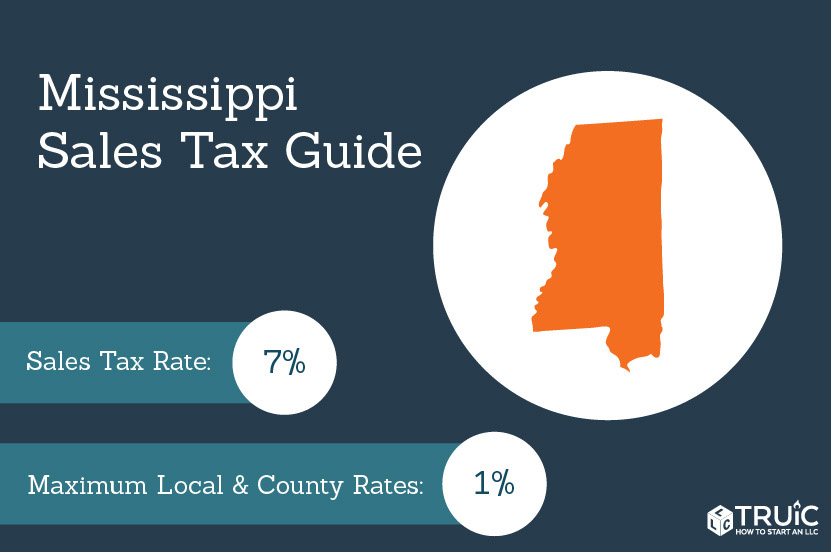
The standard state sales tax rate in Mississippi is 7%. This rate applies to a broad range of tangible personal property and services. However, it’s crucial to note that certain items and services may be exempt or subject to different rates, a point we will explore further. For instance, many essential services or goods may not be taxed, while others, like restaurant meals or hotel stays, are typically subject to the full rate.
Local Taxes: County and Municipal Additions
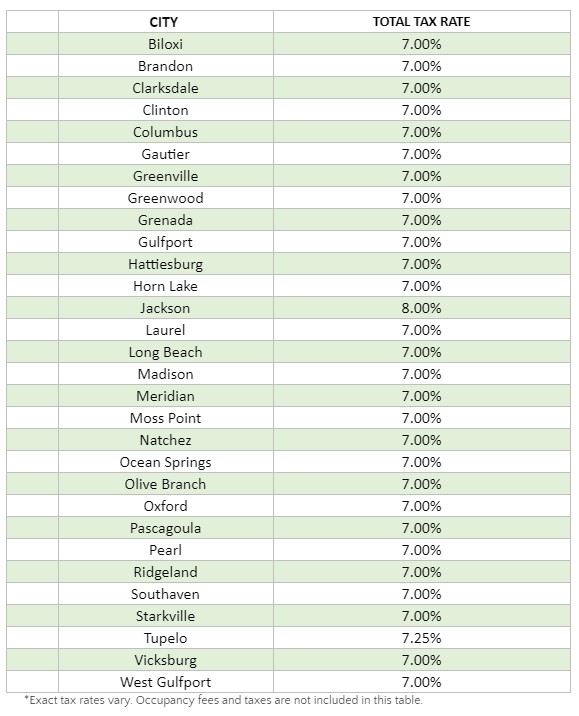
Beyond the state sales tax, counties and cities in Mississippi are authorized to impose their own local sales taxes. These local additions are where the complexity and variation arise. The rates for these local taxes can differ from one county to another, and even within a single county, different municipalities might have distinct rates. This is why the total sales tax you pay in a place like Oxford might be different from what you pay in Biloxi.
County Sales Tax
Counties can levy a sales tax of up to 3.5%. This authority allows them to generate revenue to support local initiatives and services. The specific county sales tax rate is determined by each individual county board of supervisors. Therefore, when you travel to different counties, the sales tax will change accordingly. For example, a purchase made in [Hattiesburg](https://lifeoutofthebox.com/ hattiesburg) will likely have a different county sales tax component than one made in Greenville.
Municipal Sales Tax
Similarly, municipalities (cities and towns) within Mississippi can also impose their own sales taxes. These municipal taxes can add another layer to the total sales tax burden. The maximum municipal sales tax rate allowed is 1.5%. This means that in some cities, you could be paying both a county and a municipal sales tax on top of the state sales tax. This combination can significantly increase the final price of goods and services. For example, a shopper in Gulfport might encounter a different combined tax rate than someone in Vicksburg.
Special Districts and Other Levies
In addition to state, county, and municipal sales taxes, there can be other specific levies that apply in certain areas or to particular types of transactions. These might include taxes for special districts, such as those supporting tourism or economic development initiatives. For instance, a resort area might have a dedicated tax to fund improvements and promotions. While these are less common for everyday transactions, it’s good to be aware that additional small percentages could sometimes be applied. These can further influence the total sales tax paid, especially for those staying at resorts or engaging in specific activities.
How Sales Tax Impacts Your Travel Expenses
The cumulative effect of these different tax layers can have a noticeable impact on your overall travel budget in Mississippi. Whether you’re planning a luxury travel escape or a more budget-conscious trip, understanding these rates is crucial for accurate financial planning. From the moment you check into your hotel to the last souvenir you purchase, sales tax is a constant consideration.
Accommodation Costs
When booking accommodation, whether it’s a charming bed and breakfast, a modern hotel in Tupelo, or a spacious apartment for a longer stay, the sales tax is applied to the room rate. This means the advertised price might not be the final price you pay. The combined state, county, and municipal taxes will be added at checkout. For example, if you’re staying at a popular resort along the coast, the total tax applied to your bill could be substantial. This is a critical factor for anyone looking at long-term stay options, as the taxes accumulate over time.
Dining and Entertainment
Exploring the rich culinary scene of Mississippi, from enjoying classic Southern comfort food to trying fresh seafood, involves paying sales tax on your meals. Restaurants, cafes, and bars all add the applicable state and local sales taxes to your bill. Similarly, when purchasing tickets for attractions, museums like the Vicksburg National Military Park, or entertainment venues, the sales tax is factored into the price. For those interested in experiencing the local culture and activities, budgeting for these taxes is essential.
Shopping and Souvenirs
Bringing home a piece of Mississippi often involves shopping for souvenirs, local crafts, or other goods. These purchases are also subject to sales tax. The rate will depend on the specific city and county where you are shopping. A quaint antique shop in a small town might have a different tax rate than a large retail store in a suburban area. For family trips, ensuring you’ve accounted for sales tax on all impulse buys or planned gift purchases can help maintain your budget.
Exemptions and Special Considerations
While most goods and services are subject to sales tax, Mississippi does offer certain exemptions. Being aware of these can help you make informed purchasing decisions and potentially save money. These exemptions are typically in place for essential items or to encourage specific economic activities.
Sales of Food and Grocery Items
A common point of inquiry for travelers is the taxability of food. In Mississippi, prepared food sold by restaurants, caterers, and similar establishments is generally subject to sales tax. However, “groceries” (unprepared food intended for home consumption) are typically exempt from state sales tax. This distinction is important. If you purchase items from a grocery store to prepare your own meals in your accommodation, you will likely pay less tax than if you dine out. This can be a significant saving for budget-conscious travelers or those on longer stays.
Prescription Drugs and Medical Supplies
Prescription drugs purchased with a valid prescription are exempt from sales tax in Mississippi. This is a standard exemption aimed at making essential medications more affordable. Similarly, certain over-the-counter medical supplies may also be exempt. This ensures that health-related necessities are not burdened by additional taxes.
Motor Fuel
Motor fuel is generally subject to a combination of excise taxes and sales taxes. While the sales tax component exists, it’s often packaged with other fuel-specific taxes. For travelers driving across the state, perhaps exploring nature or historical sites, understanding the fuel tax is a part of the overall travel cost, but it’s handled differently than typical retail sales tax.
Tangible Personal Property Used in Manufacturing
To encourage industrial development, certain tangible personal property purchased for use in manufacturing or processing may be exempt from sales tax. This is more of a business-related exemption but highlights the state’s approach to incentivizing economic growth.
Tourism-Related Exemptions
While not widespread for general consumer goods, some specific initiatives might offer temporary or targeted exemptions to boost tourism in particular areas or for certain events. For example, an event held in a designated tourism district might have specific tax rules. It’s always worth checking local tourism websites or with event organizers for any applicable tax advantages.
In conclusion, while the base state sales tax in Mississippi is 7%, the actual rate you pay on your purchases can range from 7% up to 9.75% (7% state + 1.5% municipal + 1.25% county average, though county rates can be higher) or even more in certain areas due to combined local taxes. By factoring in these varying rates when budgeting for accommodation, dining, and shopping, you can have a more predictable and enjoyable experience exploring the diverse attractions, landmarks, and rich culture of the Magnolia State. Always check local rates for the specific area you’ll be visiting to ensure accurate budgeting for your Mississippi adventure.
LifeOutOfTheBox is a participant in the Amazon Services LLC Associates Program, an affiliate advertising program designed to provide a means for sites to earn advertising fees by advertising and linking to Amazon.com. Amazon, the Amazon logo, AmazonSupply, and the AmazonSupply logo are trademarks of Amazon.com, Inc. or its affiliates. As an Amazon Associate we earn affiliate commissions from qualifying purchases.