
For anyone considering a long-term stay, purchasing a vacation home, or even just booking a short-term rental in the Sunshine State, understanding Florida’s flood zones is not just advisable—it’s essential. The state, renowned for its beautiful coastlines, vibrant cities like Miami and Orlando, and abundant waterways, naturally faces unique considerations when it comes to water. Among the various classifications used by the Federal Emergency Management Agency (FEMA) to delineate flood risk, the “X Flood Zone” often piques curiosity. Far from being a mysterious designation, Zone X represents a particular level of flood risk that directly impacts decisions around accommodation, safety, and financial planning for properties across Florida.
This comprehensive guide aims to demystify the X Flood Zone, contextualizing its meaning within the broader landscape of Florida accommodation. We will explore what this designation means for residents and visitors, how it influences property selection, insurance costs, and the overall peace of mind associated with choosing a place to live or stay in this dynamic state. By understanding the nuances of Zone X, you can make more informed decisions, ensuring your Florida accommodation experience is as secure and enjoyable as possible.
Understanding Florida’s Flood Landscape: A Key to Informed Accommodation Choices
Florida’s unique geography—a low-lying peninsula surrounded by the Atlantic Ocean and the Gulf of Mexico—makes it particularly susceptible to various forms of flooding, from storm surges during hurricanes to heavy rainfall events and tidal flooding. As such, flood risk assessment is a critical component of urban planning, infrastructure development, and, crucially, individual property decisions. For those seeking accommodation, whether it’s a permanent residence, a seasonal rental, or a short-term vacation villa, understanding the flood zone designation of a property is a fundamental step in due diligence. It not only impacts the safety and potential structural integrity of the accommodation but also has significant financial implications.
The Importance of Flood Zones for Residents and Visitors
For residents, flood zones directly influence property values, insurance requirements, and long-term planning. Living in a high-risk zone can mean mandatory flood insurance, stricter building codes, and a higher potential for property damage. For visitors and those considering temporary stays, the implications might seem less severe, but they are equally relevant. A vacation rental in a high-risk flood zone could lead to unexpected disruptions, evacuations, or even unsafe conditions during severe weather. Conversely, choosing accommodation in a low-risk zone, like an X Flood Zone, can offer greater peace of mind, potentially lower insurance costs for homeowners, and a reduced likelihood of weather-related interruptions during your stay. Therefore, regardless of the duration or nature of your stay, consulting flood maps is a prudent measure to ensure a secure and uneventful Florida experience.
FEMA’s Role in Defining Flood Risks
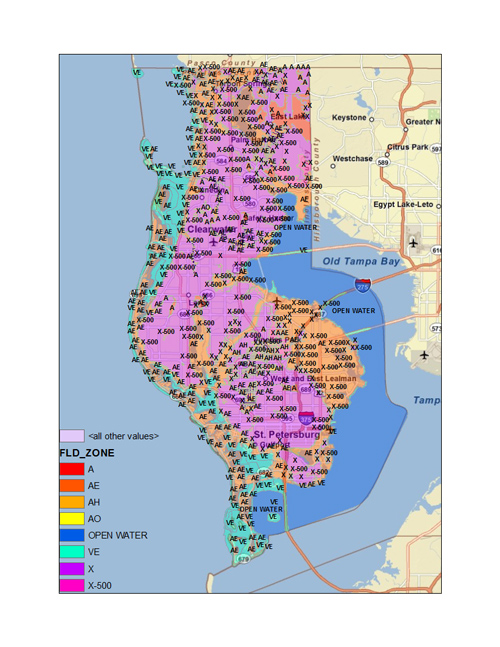
The Federal Emergency Management Agency (FEMA) is the primary federal agency responsible for mapping flood hazards across the United States. Through its Flood Insurance Rate Maps (FIRMs), FEMA identifies different flood zones, categorizing areas based on their risk of flooding. These maps are crucial tools for local governments in enforcing building codes, for lenders in determining mortgage requirements, and for insurance companies in assessing premiums. For property owners and potential renters, FIRMs are indispensable for understanding the specific flood risk associated with any given parcel of land or accommodation. The designations, such as Zones A, V, AE, VE, and X, provide a standardized language for assessing risk, empowering individuals to make informed decisions about where to live, what kind of insurance to obtain, and what precautions to take.
Delving into X Flood Zones: Low Risk, High Value
Among FEMA’s classifications, the X Flood Zone stands out as a designation that often signifies a lower flood risk compared to others. While no location is entirely immune to the possibility of flooding, Zone X represents areas that are considered to be at a moderate to minimal risk. This understanding is particularly valuable for anyone evaluating accommodation options in Florida, as it often translates into greater flexibility and fewer mandatory requirements.
Defining Zone X: Preferred for Peace of Mind
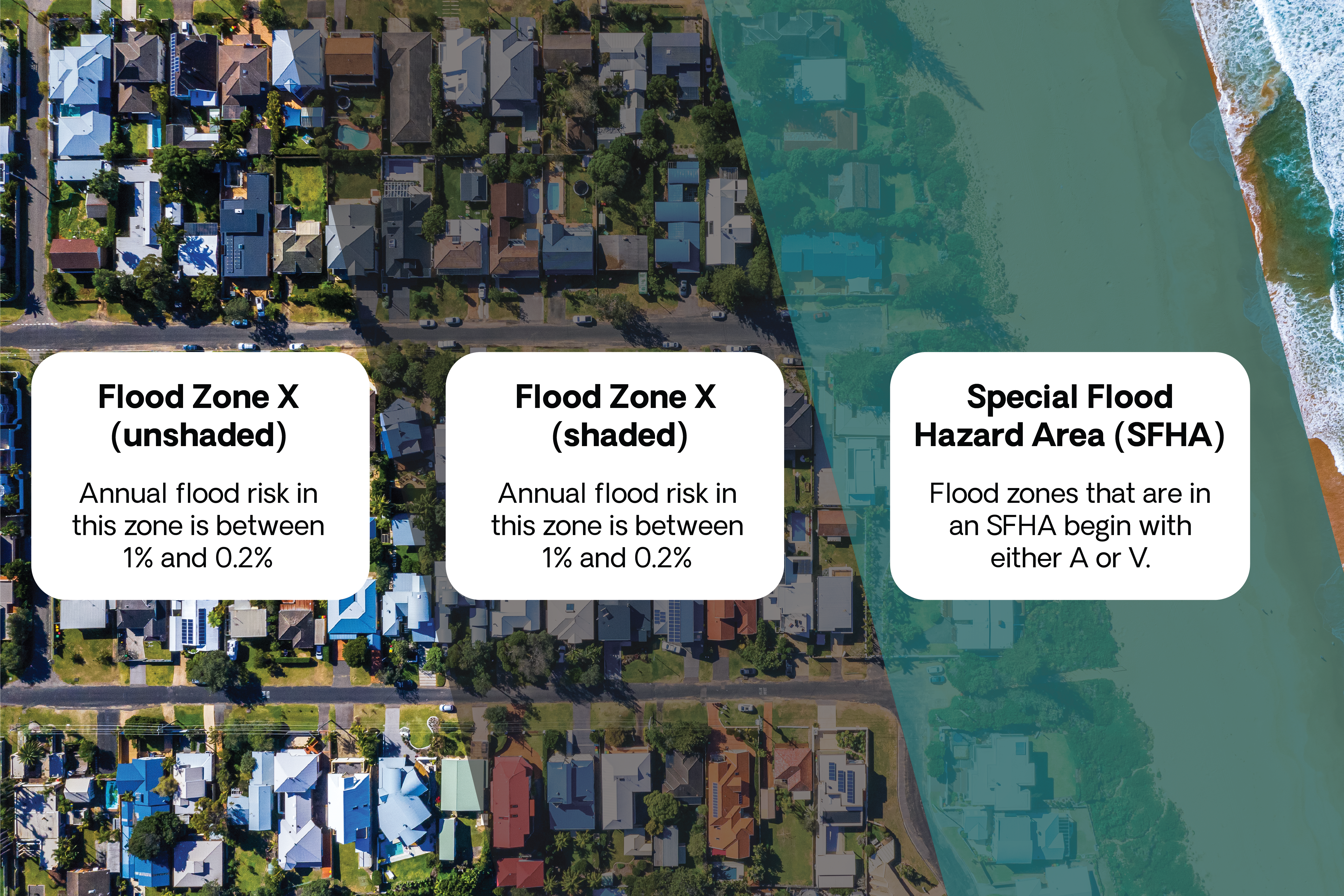
An X Flood Zone, often referred to as “Zone X” or sometimes “Shaded Zone X” (Zone X shaded), typically covers areas outside of the 100-year flood plain. This means that properties in Zone X have a less than 1-in-500 annual chance of flooding. More precisely, FEMA uses Zone X to designate areas of minimal flood hazard, identified by flood control structures, or areas where the average annual risk of flooding is less than 0.2 percent (or 1-in-500-year flood hazard). This makes accommodation located in an X Flood Zone highly desirable for both long-term residents and temporary visitors due to the significantly reduced likelihood of encountering flood-related issues. The “peace of mind” factor associated with these zones is a considerable advantage, as it suggests a lower probability of property damage, displacement, and the often stressful aftermath of a flood event. For those considering investment in Florida accommodation, Zone X properties are often viewed favorably due to their perceived stability and reduced overhead in terms of mandatory flood insurance.
The Spectrum of Flood Zones: A Quick Comparison
To fully appreciate the benefits of an X Flood Zone, it’s helpful to understand where it fits within FEMA’s broader flood zone spectrum:
- High-Risk Zones (e.g., A, AE, AH, AO, V, VE): These are areas within the 100-year flood plain, meaning there’s at least a 1-in-100 (1%) chance of flooding in any given year.
- Zone A/AE: Areas subject to inundation by the 100-year flood. Mandatory flood insurance is typically required for federally backed mortgages.
- Zone V/VE: Coastal areas with additional hazards associated with storm waves (velocity zones). These zones face the highest risk, and building codes are extremely stringent. Mandatory flood insurance is also required.
- Moderate- to Low-Risk Zones (e.g., B, C, X): These zones are outside the 100-year flood plain.
- Zone B/C (now primarily Zone X): Historically, Zone B represented areas outside the 100-year flood plain but within the 500-year flood plain, while Zone C represented areas of minimal flood hazard. Today, FEMA largely uses Zone X to encompass both these categories, with “Shaded Zone X” (sometimes called Zone B) indicating areas between the 100-year and 500-year flood plains, and “Unshaded Zone X” (sometimes called Zone C) indicating areas outside the 500-year flood plain.
The distinction is crucial for accommodation decisions: while high-risk zones entail mandatory flood insurance and strict building requirements, Zone X offers a buffer, making properties often more attractive due to lower perceived risk and potentially lower overall ownership/rental costs.
- Zone B/C (now primarily Zone X): Historically, Zone B represented areas outside the 100-year flood plain but within the 500-year flood plain, while Zone C represented areas of minimal flood hazard. Today, FEMA largely uses Zone X to encompass both these categories, with “Shaded Zone X” (sometimes called Zone B) indicating areas between the 100-year and 500-year flood plains, and “Unshaded Zone X” (sometimes called Zone C) indicating areas outside the 500-year flood plain.
Accommodation and X Flood Zones: What You Need to Know
When selecting accommodation in Florida, the flood zone designation of a property carries significant weight. For properties situated in an X Flood Zone, there are distinct advantages and specific considerations that potential residents, vacationers, and investors should be aware of. These factors can influence everything from the upfront cost of insurance to the long-term enjoyment and security of your stay.
Selecting Properties in X Zones: Benefits for Renters and Buyers
For renters and buyers alike, choosing accommodation in an X Flood Zone offers several appealing benefits. For buyers, properties in Zone X typically do not have a mandatory requirement for flood insurance if the mortgage is federally backed. This can translate into significant annual savings on homeowner expenses. While flood insurance is always an option and often recommended even in low-risk zones, the absence of a mandate provides financial flexibility. Furthermore, the lower flood risk generally means less concern about structural damage from flooding, potentially reducing maintenance costs and increasing the longevity of the property.
For renters, while flood insurance is primarily a concern for property owners, staying in an X Flood Zone rental offers a higher degree of security against flood-related disruptions. There’s a reduced chance of needing to evacuate, dealing with property damage, or experiencing extended utility outages dueencing a flood event. This contributes to a more stable and predictable living or vacation experience. The lower risk profile can also sometimes lead to more favorable rental terms or attract developers to build modern, desirable accommodations in these areas, offering a wider selection of properties.
Insurance Considerations for X Flood Zone Accommodations
Despite being categorized as a low-risk zone, it is critical to understand the nuances of insurance when dealing with X Flood Zone accommodations. While federally backed mortgages typically do not mandate flood insurance in Zone X, it is still highly recommended. Standard homeowner’s insurance policies almost never cover flood damage. Therefore, purchasing a separate flood insurance policy through the National Flood Insurance Program (NFIP) or a private insurer is a wise decision, even in a low-risk area.
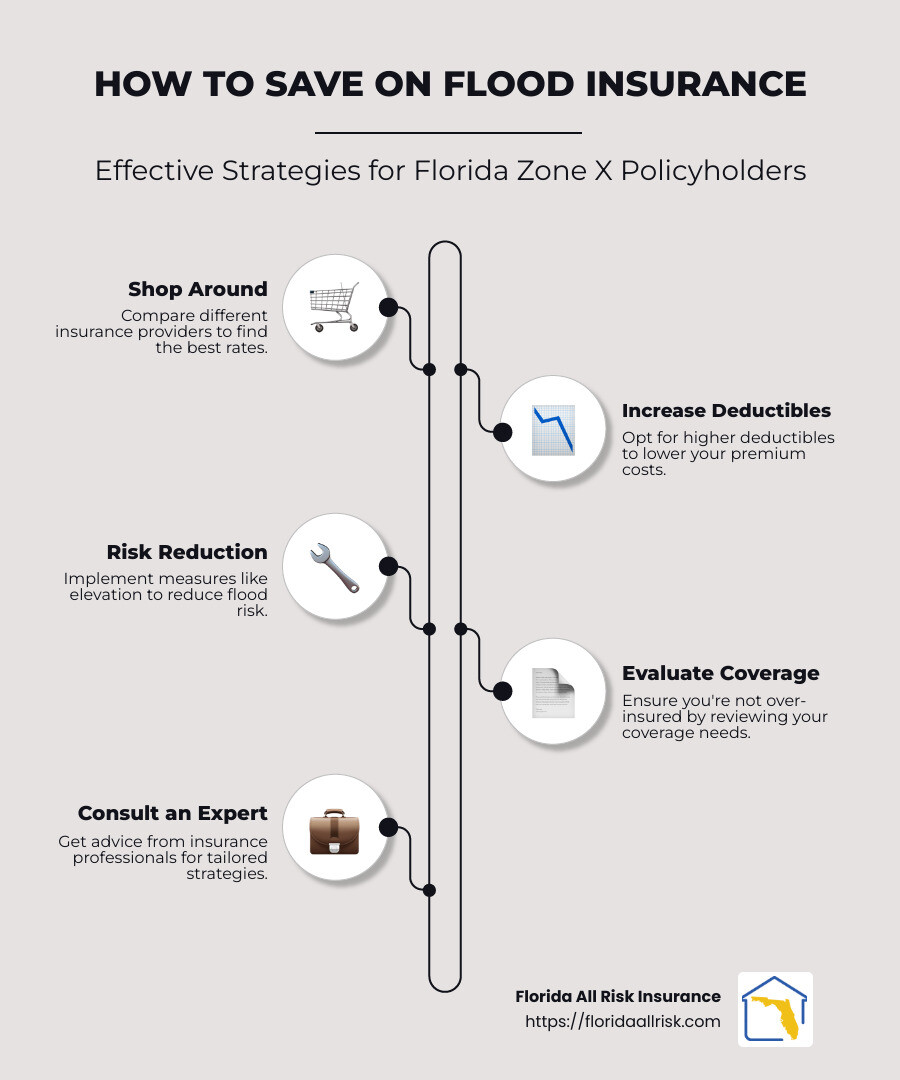
The good news is that flood insurance premiums for properties in X Flood Zones are significantly lower than those in high-risk zones. This affordability makes it a cost-effective way to protect your investment or belongings against the unlikely event of flooding. Many flood-related claims originate from properties outside of designated high-risk areas, often due to localized heavy rainfall or drainage issues. Therefore, proactive planning with optional, lower-cost flood insurance offers invaluable protection and peace of mind for any Florida accommodation.
Building and Safety Standards in Low-Risk Areas
Even in X Flood Zones, building and safety standards play a crucial role in the resilience of accommodation. While properties in high-risk zones face stringent elevation requirements and specific construction methods, buildings in X Flood Zones are still subject to local building codes designed to ensure overall safety and structural integrity. These codes often include provisions for proper drainage, foundation requirements, and general construction practices that contribute to a building’s ability to withstand various environmental challenges, including heavy rains.
When selecting accommodation, it’s always prudent to inquire about the property’s construction history, any previous flood incidents (even minor ones), and the adherence to current building codes. For newer constructions in X Zones, developers often integrate modern resilient building practices, which can further enhance the property’s ability to resist water intrusion. Understanding these standards can help ensure that your chosen accommodation, even in a low-risk zone, offers a robust and safe environment.
Beyond the “X”: Navigating Flood Preparedness in Florida Accommodation
While residing or staying in an X Flood Zone offers a significant advantage in terms of reduced flood risk, it does not imply complete immunity. Florida’s dynamic weather patterns mean that all areas can experience localized flooding due to intense rainfall or unexpected weather events. Therefore, a proactive approach to flood preparedness is always prudent for anyone seeking accommodation in the state, regardless of the specific flood zone designation.
General Flood Preparedness for All Florida Stays
Even if your accommodation is in an X Flood Zone, it’s wise to adopt general flood preparedness measures. This includes:
- Stay Informed: Monitor local weather forecasts, especially during hurricane season (June 1st to November 30th). Sign up for local emergency alerts.
- Emergency Kit: Prepare a basic emergency kit with water, non-perishable food, flashlights, batteries, a first-aid kit, and important documents.
- Evacuation Plan: Know your evacuation routes and designated shelters, even if you are not in a mandatory evacuation zone. Familiarize yourself with your accommodation’s specific emergency procedures.
- Valuables: For long-term stays or homeowners, consider storing important documents and irreplaceable items in waterproof containers or on higher floors.
- Property Maintenance: Ensure proper drainage around the property. Keep gutters clean and downspouts clear.
These steps are fundamental for ensuring safety and minimizing potential disruptions, fostering a more secure experience in any Florida accommodation.
Accessing Flood Maps and Property-Specific Information
One of the most powerful tools at your disposal for making informed accommodation choices is direct access to flood risk information. FEMA’s Flood Map Service Center website (FEMA.gov) allows anyone to search for a specific address and view its official flood zone designation. This online resource provides detailed FIRMs that clearly delineate flood zones, Base Flood Elevations (BFEs), and other critical data.
Before committing to any accommodation—whether buying, renting long-term, or booking a short vacation stay—it is highly recommended to perform this quick check. This empowers you to:
- Verify Information: Cross-reference information provided by landlords, real estate agents, or property listings.
- Assess Personal Risk: Understand the specific flood risk for that particular property.
- Inform Insurance Decisions: Make educated choices about purchasing flood insurance, even if not mandatory.
Accessing this property-specific data ensures transparency and helps you confidently navigate the accommodation market in Florida.
The Future of Flood Resilience and Accommodation in Florida
Florida’s commitment to addressing flood risks is ongoing, with significant investments in infrastructure, policy adjustments, and community resilience programs. These efforts are continuously reshaping the landscape of accommodation, influencing everything from urban planning to individual property development, ultimately aiming to create safer and more sustainable living and visiting environments.
Ongoing Efforts to Mitigate Flood Risks
State and local governments in Florida are actively implementing various initiatives to mitigate flood risks across all zones, including X Flood Zones. These efforts include:
- Infrastructure Improvements: Investing in stormwater management systems, seawalls, and natural wetland restoration projects.
- Building Code Enhancements: Regularly updating building codes to incorporate more resilient construction techniques that can withstand higher winds and water levels.
- Community Rating System (CRS): Encouraging communities to participate in FEMA’s CRS program, which provides incentives (like reduced flood insurance premiums) for communities that implement flood mitigation activities beyond basic requirements.
These proactive measures contribute to an overall reduction in flood risk across the state, benefiting all types of accommodation by enhancing their long-term resilience and safeguarding the well-being of residents and visitors.
Making Informed Decisions for Your Florida Accommodation
Understanding what an X Flood Zone signifies is a powerful tool in navigating the diverse accommodation options available in Florida. While these zones represent areas of lower flood risk, they do not negate the importance of vigilance and preparedness. By leveraging resources like FEMA flood maps, considering optional flood insurance, and practicing general flood preparedness, individuals can make highly informed and confident decisions about their chosen accommodation. Whether you’re seeking a permanent home, a seasonal retreat, or a temporary stay, prioritizing flood zone awareness ensures a more secure, comfortable, and ultimately enjoyable experience in the beautiful, water-rich environment of Florida.
LifeOutOfTheBox is a participant in the Amazon Services LLC Associates Program, an affiliate advertising program designed to provide a means for sites to earn advertising fees by advertising and linking to Amazon.com. Amazon, the Amazon logo, AmazonSupply, and the AmazonSupply logo are trademarks of Amazon.com, Inc. or its affiliates. As an Amazon Associate we earn affiliate commissions from qualifying purchases.