
The state of Mississippi, often celebrated for its rich history, distinctive culture, and the winding beauty of the Mississippi River, also boasts a captivating avian emblem. While many associate the state with its culinary traditions or literary giants, its official state bird holds a special place in the hearts of its residents and offers a glimpse into the natural tapestry of the region. Understanding what makes this particular bird so significant can enrich any exploration of Mississippi, from its bustling cities to its serene natural landscapes.
This exploration will delve into the identity of Mississippi’s state bird, uncovering its ecological importance, its symbolic meaning, and how encountering it can be a delightful aspect of any visit to the Magnolia State. Beyond simply identifying this feathered resident, we will touch upon how its presence contributes to the overall allure of Mississippi, from the charming accommodations available to the vibrant local experiences awaiting discovery.
The Majestic Identity of Mississippi’s State Bird
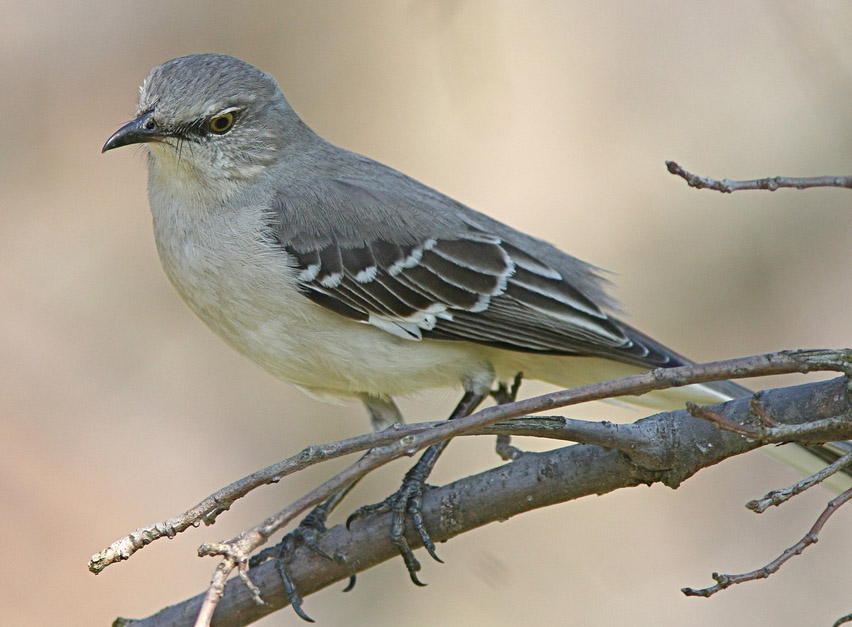
When one inquires about the state bird of Mississippi, the answer is a creature renowned for its vibrant plumage and its melodic song: the Northern Mockingbird. Officially designated as the state bird in 1944, this intelligent and adaptable bird has become an iconic symbol of Mississippi’s natural heritage. Its widespread presence across the state, from urban gardens to rural woodlands, makes it a familiar and cherished sight for many.
The Northern Mockingbird, scientifically known as Mimus polyglottos, is a member of the Mimidae family, a group of birds famous for their exceptional vocal abilities. Its name, “mockingbird,” directly reflects its most striking characteristic: the ability to mimic a wide variety of sounds, including the songs of other birds, insect noises, and even mechanical sounds. This remarkable talent makes them incredibly engaging to observe and listen to, adding an auditory dimension to the visual splendor of Mississippi’s natural environments.
Characteristics and Behavior of the Northern Mockingbird
Physically, the Northern Mockingbird is a medium-sized songbird, typically measuring around 10 inches in length. It is characterized by its sleek, gray plumage on its back and wings, contrasted with a lighter, whitish underside. A distinctive feature is its long tail, often flicked or spread, which can reveal white outer feathers, particularly noticeable during flight. Their eyes are often a striking yellow, giving them an alert and intelligent appearance.
Their behavior is as captivating as their appearance. Northern Mockingbirds are known for their territorial nature, especially during the breeding season. Males will vigorously defend their territory, often engaging in elaborate displays and vocalizations to ward off rivals. They are also highly active and energetic, frequently seen hopping across lawns and foraging for insects, berries, and small fruits. Their diet is diverse, adapting to the availability of food sources throughout the year, which contributes to their success in various habitats.
The most celebrated aspect of their behavior, however, is their vocal prowess. A Northern Mockingbird can learn and reproduce hundreds of different sounds, often incorporating them into its own complex song. These songs are not merely imitations; they are intricate compositions that can vary significantly between individuals. This ability to mimic is believed to serve multiple purposes, including attracting mates, defending territory, and perhaps even confusing predators or competing birds. Listening to a mockingbird’s performance at dawn or dusk is a quintessential Mississippi experience, a soundtrack to the state’s natural beauty.
The Significance of the Northern Mockingbird as a State Symbol
The selection of the Northern Mockingbird as Mississippi’s state bird was not arbitrary. It reflects qualities that resonate with the state’s identity. Its resilience and adaptability mirror the spirit of the people of Mississippi, who have navigated various challenges and demonstrated enduring strength. The bird’s song, often heard throughout the day and night, can be seen as a symbol of the state’s vibrant and persistent spirit, always offering a melody to lift the soul.
Furthermore, the Northern Mockingbird’s presence in diverse environments – from the manicured gardens of antebellum homes to the wilder expanses of the Natchez Trace Parkway – highlights Mississippi’s varied ecosystems. Its ability to thrive in both urban and rural settings speaks to the accessibility of nature within the state, a crucial element for travelers and residents alike. Whether one is staying at a luxury resort in Vicksburg or exploring a quaint bed and breakfast in a smaller town, the chance to encounter this charismatic bird is high.
The state bird also serves as an educational tool, fostering an appreciation for local wildlife and conservation. For families traveling through Mississippi, spotting a Northern Mockingbird can become a memorable part of their journey, sparking curiosity about the natural world. Many state parks and nature centers offer opportunities to learn more about the state’s avian inhabitants, with the Northern Mockingbird often taking center stage. This connection to nature enhances the overall travel experience, adding depth to visits to landmarks and attractions.
Experiencing Mississippi’s Natural Wonders and Avian Life
The appeal of Mississippi extends far beyond its history and culture; its natural beauty offers a rich canvas for exploration. For those interested in wildlife, particularly birds, the state presents a compelling destination. The Northern Mockingbird is just one of many avian species that grace Mississippi’s skies and landscapes, contributing to a vibrant and diverse ecological tapestry.
Exploring Mississippi’s Diverse Habitats for Birdwatching

Mississippi’s varied geography provides a multitude of habitats suitable for a wide array of bird species. From the coastal marshes of the Gulf Coast to the rolling hills of the Tombigbee National Forest, each region offers unique opportunities for birdwatching. The Delta region, famous for its fertile soil and agriculture, is also a crucial stopover point for migratory birds along the Mississippi Flyway.
Travelers interested in birding can plan their trips to coincide with migration seasons, typically spring and fall, when bird activity is at its peak. Areas like the Grand Bay National Wildlife Refuge and the Yazoo National Wildlife Refuge are renowned for their diverse bird populations, attracting both resident and migratory species. These refuges provide excellent opportunities to observe not only the Northern Mockingbird but also waterfowl, raptors, and a multitude of songbirds.
Even within urban settings, the Northern Mockingbird thrives, often found in parks, gardens, and residential areas. This means that a delightful avian encounter is never far away, whether you are staying at a downtown hotel in Jackson or exploring a historic district. The ease of spotting this state bird adds a touch of natural wonder to everyday life and travel experiences.
Accommodations and Activities for Nature Enthusiasts
Mississippi offers a range of accommodations that cater to nature enthusiasts and birdwatchers. From charming cabins nestled in wooded areas to comfortable hotels offering easy access to natural attractions, visitors can find options to suit their preferences and budget. Many resorts and boutique hotels are located near state parks or wildlife refuges, providing a convenient base for exploring the local flora and fauna.
For instance, staying near the Ross Barnett Reservoir offers opportunities for water-based birding, while lodging near the Black Belt region provides access to diverse upland bird species. Websites and travel guides dedicated to Mississippi tourism often highlight accommodations that are particularly bird-friendly, sometimes featuring nature trails or guided birdwatching tours.
Beyond birdwatching, Mississippi’s natural landscapes offer a wealth of activities. Hiking, fishing, boating, and camping are popular pastimes that allow visitors to immerse themselves in the state’s natural beauty. These activities not only provide recreation but also enhance the chances of encountering the Northern Mockingbird and other fascinating wildlife in their natural habitats. The combination of comfortable stays, diverse activities, and accessible natural beauty makes Mississippi a compelling destination for those who appreciate the outdoors.
Connecting with Mississippi’s Culture and Identity Through its State Bird
The Northern Mockingbird is more than just an official designation; it is interwoven with the cultural fabric of Mississippi. Its presence enriches the local experience, offering a natural element that complements the state’s rich heritage, culinary traditions, and vibrant arts scene. Understanding the bird’s role can deepen one’s appreciation for the Magnolia State.
The Mockingbird in Mississippi’s Lore and Lifestyle
While specific folklore directly attributed to the Northern Mockingbird might be less prevalent than for other iconic animals, its ubiquitous nature makes it a silent observer and participant in the daily lives of Mississippians. Its song often fills the air during gatherings, outdoor events, and quiet moments of reflection. This constant presence subtly influences the state’s ambiance, contributing to a sense of place and natural rhythm.
For those interested in luxury travel or seeking a more authentic budget travel experience, the Northern Mockingbird is a constant companion. It can be heard near grand antebellum mansions as well as in the modest gardens of local homes. Its adaptability mirrors the diverse lifestyles found across Mississippi, from the bustling energy of Memphis (just across the border in Tennessee, but a common day-trip destination for northern Mississippi residents) to the quiet charm of its many small towns.
The bird’s vocal talents also resonate with Mississippi’s strong musical heritage, particularly its contributions to blues and jazz. While the mockingbird doesn’t play a saxophone, its improvisational and complex song can be seen as a parallel to the intricate melodies and soulful expressions found in Mississippi’s music. Encountering a mockingbird can be a simple yet profound way to connect with the essence of the state, a living embodiment of its natural vitality.

Planning Your Visit to Encounter the State Bird and More
When planning a trip to Mississippi, incorporating opportunities to see and hear the Northern Mockingbird can be a delightful addition to your itinerary. Whether your focus is on exploring historical landmarks like the Vicksburg National Military Park, indulging in the renowned culinary scene in New Orleans (a popular nearby destination for those in southern Mississippi), or simply enjoying the tranquil beauty of the Natchez Trace Parkway, the mockingbird is likely to be present.
Consider staying at accommodations that offer proximity to green spaces, such as hotels with well-maintained gardens or resorts adjacent to natural areas. Many apartments and villas also offer opportunities for birdwatching right outside your door. Researching local parks, nature preserves, and even botanical gardens can provide excellent viewing opportunities.
The experience of observing a Northern Mockingbird in its natural habitat – perhaps perched on a branch, its chest puffed out as it sings its varied repertoire, or darting across a lawn in pursuit of an insect – is a simple yet rewarding aspect of visiting Mississippi. It’s a chance to connect with the state on a more intimate, natural level, appreciating the delicate balance of its ecosystems and the vibrant life that flourishes within them. From the grandest resorts to the simplest roadside stops, the state bird serves as a constant reminder of the natural beauty that Mississippi offers, enriching every travel experience.
LifeOutOfTheBox is a participant in the Amazon Services LLC Associates Program, an affiliate advertising program designed to provide a means for sites to earn advertising fees by advertising and linking to Amazon.com. Amazon, the Amazon logo, AmazonSupply, and the AmazonSupply logo are trademarks of Amazon.com, Inc. or its affiliates. As an Amazon Associate we earn affiliate commissions from qualifying purchases.