
The mighty Mississippi River, a ribbon of life and legend that has shaped the very soul of America, conjures images of steamboats gliding down its broad, muddy waters, of Mark Twain’s enduring tales, and of fertile plains that feed a nation. But before it becomes the vast, iconic waterway so many know, it begins its journey as a humble trickle. The question of its genesis, its true beginning, leads us to a place of quiet wonder and burgeoning natural beauty: the headwaters of the Mississippi River. For travelers seeking a unique blend of nature, history, and a touch of adventure, understanding this origin point offers a profound connection to one of the continent’s most significant geographical features.
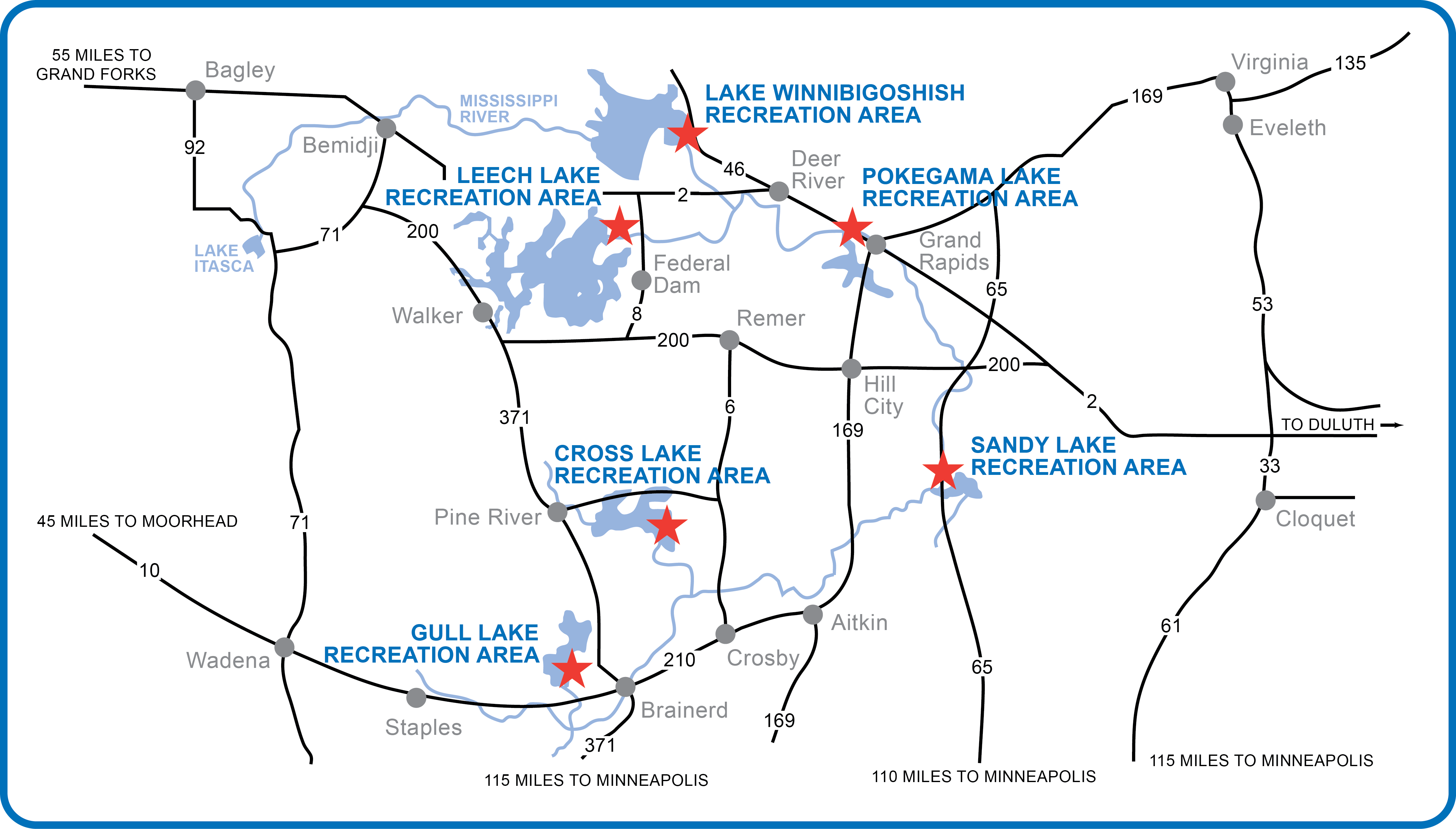
This journey to the source is not just about locating a point on a map; it’s an exploration into the heart of the United States‘ natural landscape. It’s about understanding the delicate balance of ecosystems and the origins of a river system that touches millions of lives. Whether you’re a seasoned explorer or simply curious about the wonders of our planet, discovering where the Mississippi River truly begins is an enriching experience that promises both scenic beauty and a deeper appreciation for the natural world.
The Journey to Lake Itasca: A Geographical Quest
The quest to pinpoint the precise beginning of the Mississippi River has a long and fascinating history, involving explorers, scientists, and geographical surveys. For centuries, the exact source was a subject of speculation and debate. However, through diligent research and exploration, a consensus has been reached, identifying a specific, breathtaking location as the undisputed headwaters. This origin point is not a single, dramatic waterfall, but rather a serene and picturesque lake from which the river embarks on its epic voyage southward.
Itasca State Park: The Cradle of the Mississippi
The undisputed and officially recognized headwaters of the Mississippi River are found within the pristine boundaries of Itasca State Park in Minnesota. This expansive park, established in 1893, is a sanctuary of old-growth forests, sparkling lakes, and abundant wildlife, providing a fittingly beautiful and tranquil setting for the river’s birth. The park’s name itself, “Itasca,” is derived from a Latin phrase meaning “true source” or “headwaters,” underscoring its significance.
At the heart of the park lies Lake Itasca, a glacial lake shaped by the immense forces of ancient ice sheets. It is from the northernmost, shallow end of this lake that the Mississippi River officially begins its flow. The water emerges as a gentle stream, barely a few feet wide, gradually widening as it collects tributaries and gains momentum on its 2,320-mile journey to the Gulf of Mexico.
The experience of visiting the headwaters at Itasca State Park is a multifaceted one, appealing to a wide range of interests. For nature enthusiasts, the park offers unparalleled opportunities for wildlife viewing, hiking, and exploring diverse ecosystems. For history buffs, it’s a chance to connect with the legacy of exploration and the geological forces that shaped the North American continent. For families, it provides an educational and engaging experience, teaching younger generations about geography and conservation.
Walking Across the Mighty Mississippi
One of the most iconic and quintessential experiences at the headwaters is the chance to physically walk across the nascent Mississippi River. A pedestrian bridge, constructed over the outflow of Lake Itasca, allows visitors to step from one bank to the other, literally straddling the very beginning of this colossal river. This simple act is deeply symbolic and profoundly memorable. Standing there, with the cool, clear water flowing beneath your feet, you can contemplate the immense scale of the river’s journey and the countless landscapes it will traverse before reaching the sea.
This spot is often bustling with visitors, all eager to capture this unique moment. It’s a testament to the river’s enduring allure and its importance in the American consciousness. The photograph of someone standing on the bridge, with the small stream stretching out before them, has become synonymous with the headwaters of the Mississippi River. It’s a tangible connection to a geographical marvel, a moment of pure wonder that encapsulates the spirit of adventure and discovery.
Exploring Itasca State Park: More Than Just a Source
While the headwaters of the Mississippi River are the primary draw, Itasca State Park offers a wealth of other attractions and activities that make it a destination in its own right. The park is a vibrant natural laboratory, teeming with diverse flora and fauna, and boasting a rich geological and human history.
Natural Wonders and Activities
The park encompasses over 32,000 acres of diverse terrain, including miles of hiking trails that wind through majestic old-growth pine and hardwood forests. These trails offer opportunities to encounter a variety of wildlife, from white-tailed deer and various bird species to smaller mammals. The clear, cool waters of Lake Itasca and the numerous smaller lakes within the park are perfect for fishing, boating, and swimming during the warmer months. Kayaking and canoeing are particularly popular, allowing visitors to peacefully explore the serene waterways and experience the park’s natural beauty up close.
For those interested in learning more about the park’s natural heritage, the Itasca State Park Nature Center provides educational exhibits and guided programs. These can offer insights into the park’s ecology, its glacial past, and the importance of preserving these vital natural resources. The park’s towering pine trees, some of which are centuries old, are a living testament to the resilience of nature and the importance of conservation efforts.
Historical Significance and Accommodation
The history of Itasca State Park is intertwined with the story of exploration and the growing awareness of the need to protect natural landscapes. Early explorers, including Henry Schoolcraft in 1832, sought to identify the river’s true source. Schoolcraft’s expedition is credited with officially identifying Lake Itasca as the origin of the Mississippi River. The park itself was established as a preservation effort, recognizing the ecological and historical importance of this region.
For visitors wishing to extend their stay and immerse themselves in the tranquility of the park, Itasca State Park offers various accommodation options. These range from rustic campsites for those who enjoy roughing it, to more comfortable cabins and even the historic Douglas Lodge. The Douglas Lodge, built in the early 20th century, provides a charming and atmospheric place to stay, offering stunning views of Lake Itasca and a glimpse into the park’s past. Booking accommodations well in advance is highly recommended, especially during peak seasons, as the park is a popular destination for families, nature lovers, and those seeking a peaceful retreat. The chance to wake up to the sounds of nature and be so close to the birthplace of a continent-spanning river adds a unique dimension to any stay.
Planning Your Visit to the Headwaters
A trip to the headwaters of the Mississippi River at Itasca State Park is a journey that can be tailored to various travel styles and interests. Whether you’re a nature enthusiast, a history buff, or simply looking for a serene escape, the park offers a rewarding experience. Careful planning will ensure you make the most of your visit to this remarkable landmark.
Best Time to Visit and Travel Tips
The best time to visit Itasca State Park largely depends on your preferred activities and tolerance for weather.
- Summer (June-August): This is the most popular time to visit, with warm weather perfect for swimming, boating, and hiking. The park is alive with activity, and all facilities are typically open. However, it can also be the most crowded, and accommodations should be booked far in advance.
- Fall (September-October): Autumn offers a spectacular display of fall colors as the leaves change, creating a breathtaking visual spectacle. The weather is cooler and crisp, making it ideal for hiking. Crowds begin to thin, offering a more peaceful experience.
- Spring (April-May): Spring brings the park back to life after winter. Wildflowers begin to bloom, and wildlife becomes more active. However, weather can be unpredictable, and some trails or facilities might still be emerging from winter closures.
- Winter (November-March): For those seeking solitude and a different kind of beauty, winter offers a serene, snow-covered landscape. Cross-country skiing and snowshoeing are popular activities. Many facilities may be closed, and access can be limited.
Travel Tips:
- Book Accommodation Early: As mentioned, lodging within or near the park, especially the Douglas Lodge or cabins, fills up quickly. Plan your stay months in advance.
- Pack for the Outdoors: Comfortable walking shoes are essential for exploring the trails and the headwaters bridge. Bring insect repellent, sunscreen, and a hat, especially for summer visits. Layers of clothing are advisable as Minnesota weather can be variable.
- Respect Wildlife: Observe animals from a distance and never feed them. This helps maintain their natural behaviors and ensures your safety.
- Stay Hydrated: Especially during warmer months, carry plenty of water, particularly when hiking.
- Check Park Alerts: Before your visit, check the official Minnesota Department of Natural Resources website for any park alerts, trail closures, or program schedules.
- Embrace the Pace: Itasca State Park is a place to relax and connect with nature. Allow yourself time to wander, observe, and truly appreciate the tranquility of the headwaters.

Connecting the Dots: The Mississippi’s Vast Reach
While the headwaters at Itasca State Park represent the humble beginnings of the Mississippi River, its true significance lies in its immense reach and the vital role it plays in the United States. From this small, emerging stream, the river grows, collecting water from 31 states and two Canadian provinces, forming the second-largest river basin in North America.
The river’s journey is a testament to nature’s power and persistence. It carves through diverse landscapes, from the forests of Minnesota and the rolling hills of the Midwest to the vast plains and eventually the deltaic swamps of Louisiana. Along its course, it has been a vital artery for trade, transportation, and cultural development for centuries. Cities like Minneapolis, St. Louis, Memphis, and New Orleans owe their existence and prosperity to the navigable waters of the Mississippi River.
Understanding the headwaters provides a crucial context for appreciating the entirety of the river system. It highlights the interconnectedness of ecosystems and the long, often unseen, journey that water takes. For travelers, visiting the headwaters is more than just a tourist stop; it’s an opportunity to connect with the very source of a lifeline that has sustained and shaped a nation, offering a profound sense of place and an appreciation for the magnificent scale of the natural world.
LifeOutOfTheBox is a participant in the Amazon Services LLC Associates Program, an affiliate advertising program designed to provide a means for sites to earn advertising fees by advertising and linking to Amazon.com. Amazon, the Amazon logo, AmazonSupply, and the AmazonSupply logo are trademarks of Amazon.com, Inc. or its affiliates. As an Amazon Associate we earn affiliate commissions from qualifying purchases.