
Planning a trip to the vibrant, iconic metropolis of New York City? Whether you’re dreaming of Broadway shows, exploring world-class museums, or simply soaking in the unparalleled energy of Times Square, understanding the financial aspects of your visit is crucial. One significant component often overlooked by eager travelers is the array of taxes that contribute to the city’s diverse offerings and infrastructure. While the glitz and glamour might dominate your imagination, the reality of budgeting for your New York adventure necessitates a clear grasp of these financial obligations. This guide aims to demystify New York City taxes, ensuring your travel planning is as smooth and informed as possible, allowing you to fully enjoy your New York experience without any unwelcome surprises.
Navigating the Labyrinth of Sales and Use Taxes
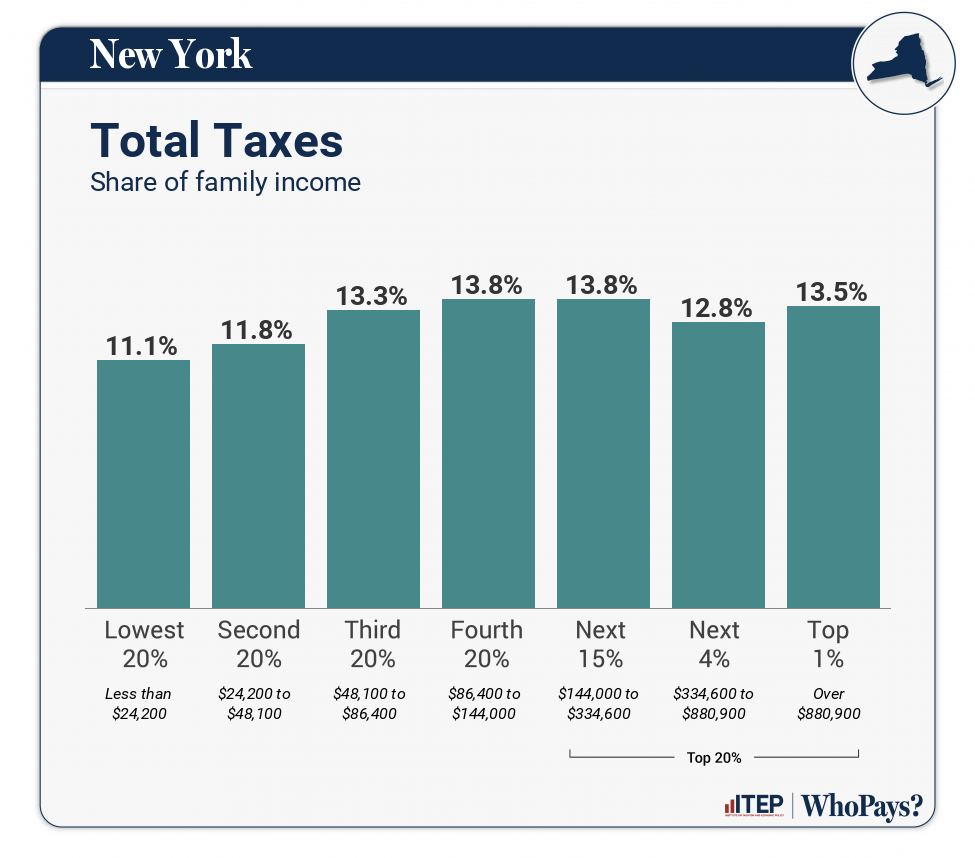
At the forefront of any discussion about New York City taxes for visitors is the pervasive sales and use tax. This tax is not a single, uniform rate but rather a combination of state, city, and often Metropolitan Commuter Transportation District (MCTD) taxes, all of which are levied on the purchase of tangible personal property and certain services. For tourists, this means almost every transaction, from buying a souvenir t-shirt in SoHo to enjoying a leisurely brunch in the West Village, will likely have this tax added to the sticker price.
The Components of the New York City Sales Tax
The New York State sales tax forms the base, to which the New York City local sales tax is added. On top of this, the MCTD rate is also applied, further increasing the total percentage. As of recent calculations, the combined rate for most purchases within New York City hovers around 8.875%. This rate applies to a vast array of goods and services, including clothing (though some exemptions exist for essential clothing items under a certain price threshold), electronics, books, and personal care items. It’s important to remember that this is a general rate, and specific items or services might have different tax treatments. For instance, while most retail purchases are subject to the tax, certain essential goods like basic groceries purchased at a supermarket are typically exempt.
The “use tax” is the counterpart to the sales tax and applies when you purchase taxable goods or services outside of New York City and bring them into the city for use, storage, or consumption, without having paid the equivalent New York sales tax. While less common for short-term tourists, this is an important concept to be aware of, especially if you’re planning to make significant purchases elsewhere and transport them back to your New York accommodation or permanent residence.
Accommodation Taxes: Your Stay in the Big Apple
When booking your New York accommodation, whether it’s a luxurious suite at the Plaza Hotel, a cozy apartment rental, or a stylish boutique hotel in Greenwich Village, you’ll encounter another layer of taxation: occupancy taxes. These taxes are specifically levied on the rental of rooms or other lodging spaces for less than 90 consecutive days.
Understanding Hotel Room Occupancy Taxes
The occupancy tax in New York City is a multi-faceted charge. It includes the New York State hotel unit tax, the New York City hotel unit tax, and often a Metropolitan Transportation Authority (MTA) sales tax surcharge. The combined rate can be substantial, significantly impacting the final cost of your hotel stay. For example, a common combined rate for hotel rooms in New York City can reach over 14.75% on top of the room rate itself.
It’s crucial to factor these taxes into your accommodation budget. When comparing prices for hotels like the Waldorf Astoria New York or budget-friendly options, always look for the total price, including all applicable taxes and fees. Websites that offer transparent pricing will usually break down these charges. For those considering longer stays, such as renting an apartment for an extended period, the rules and applicable taxes might differ; it’s advisable to clarify this with your landlord or rental agency. Short-term rentals, especially those booked through online platforms, are increasingly subject to scrutiny and may also incur specific city regulations and taxes.
Dining and Entertainment Taxes: Savoring the New York Experience
New York City is renowned for its culinary scene and vibrant entertainment offerings. From Michelin-starred restaurants to Broadway shows, the city provides a plethora of experiences. However, these enjoyable activities also come with their own set of taxes.
Taxes on Food, Beverages, and Entertainment
When dining out, the sales tax of 8.875% generally applies to prepared foods and beverages purchased in restaurants, cafes, and bars. This includes everything from a quick slice of pizza to an elaborate tasting menu at a fine dining establishment. There are some nuances, such as whether a food item is considered a “prepared food” or a “grocery item,” which can affect taxability, but for most restaurant dining, assume the sales tax will be added.
Entertainment, such as attending a Broadway performance at the Marquis Theatre, visiting a museum like the Metropolitan Museum of Art, or catching a concert at Radio City Music Hall, often has its own specific taxes. Admission tickets to theaters, sporting events, and other amusements are typically subject to a separate 5% New York State tax, in addition to the general city sales tax. This means that the price you see on a ticket might be just the base price, and the final cost will be higher once all taxes are applied. It’s always wise to check the ticket vendor’s policy on taxes for a clear understanding of the total outlay. For attractions like theme parks or movie theaters, similar tax structures are usually in place.
Other Taxes and Considerations for New York Visitors
Beyond the primary taxes that affect most tourists, New York City has other taxes and considerations that might be relevant depending on your travel style and activities.
Tourist-Related Taxes and Fees
For those who plan to get around New York using taxis or rideshare services, you’ll find that these services are also subject to taxation. New York City taxi and livery surcharges, including those on services like Uber and Lyft, are often incorporated into the fare. While these might seem like small amounts per ride, they can add up over multiple journeys across the city, from the Statue of Liberty to Central Park.
For those indulging in luxury purchases, such as designer clothing in Fifth Avenue or high-end jewelry, the sales tax will apply to the full purchase price. There are no specific luxury taxes in New York City in the way some countries might implement them, but the standard sales tax rate will be applied to expensive items.
It’s also worth noting that while most of the taxes discussed here are unavoidable for tourists, New York State does offer a limited sales tax exemption for certain clothing and footwear items priced under $110. This is intended to ease the burden on residents for essential clothing purchases, but tourists can also benefit if they are mindful of this provision when shopping.
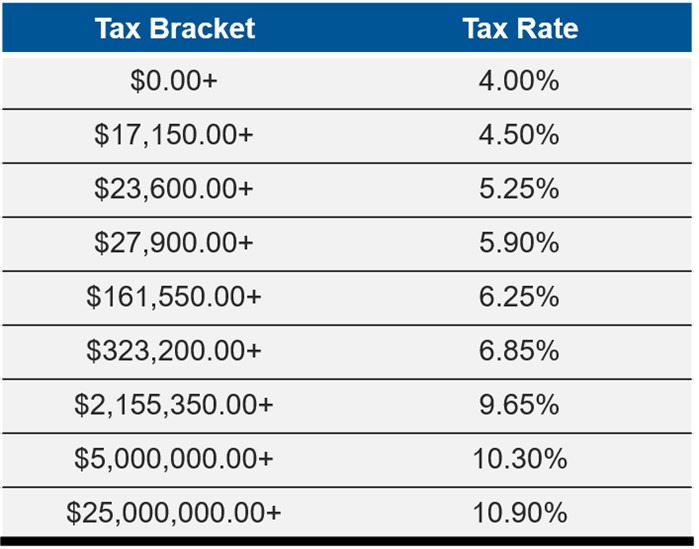
Finally, for travelers who may be considering a more extended stay or even relocating, understanding New York State and City income taxes becomes paramount. While not typically a concern for short-term vacationers, for those staying for longer periods or working remotely, these taxes can have a significant impact on their finances.
In conclusion, while New York City offers an unparalleled array of experiences, from iconic landmarks like the Empire State Building to world-renowned cultural institutions, it’s essential to be aware of the taxes that contribute to the city’s upkeep and services. By factoring in sales tax on purchases, occupancy taxes on accommodation, and taxes on entertainment and transportation, you can create a more accurate budget and avoid any last-minute financial surprises. This knowledge empowers you to enjoy all that the Big Apple has to offer, from its bustling streets to its quiet corners, with greater peace of mind.
LifeOutOfTheBox is a participant in the Amazon Services LLC Associates Program, an affiliate advertising program designed to provide a means for sites to earn advertising fees by advertising and linking to Amazon.com. Amazon, the Amazon logo, AmazonSupply, and the AmazonSupply logo are trademarks of Amazon.com, Inc. or its affiliates. As an Amazon Associate we earn affiliate commissions from qualifying purchases.