
For families navigating separation or divorce in California, understanding child support is not merely a legal obligation; it’s a fundamental aspect of shaping their future lifestyle and ensuring the well-being of their children. Child support calculations can seem complex, but demystifying the process is crucial for effective financial planning, maintaining stability, and preserving a desired quality of life for all involved. This guide delves into the nuances of child support in California, framed through the lens of lifestyle, offering insights into how these calculations impact daily living, financial decisions, and the long-term trajectory of family life.
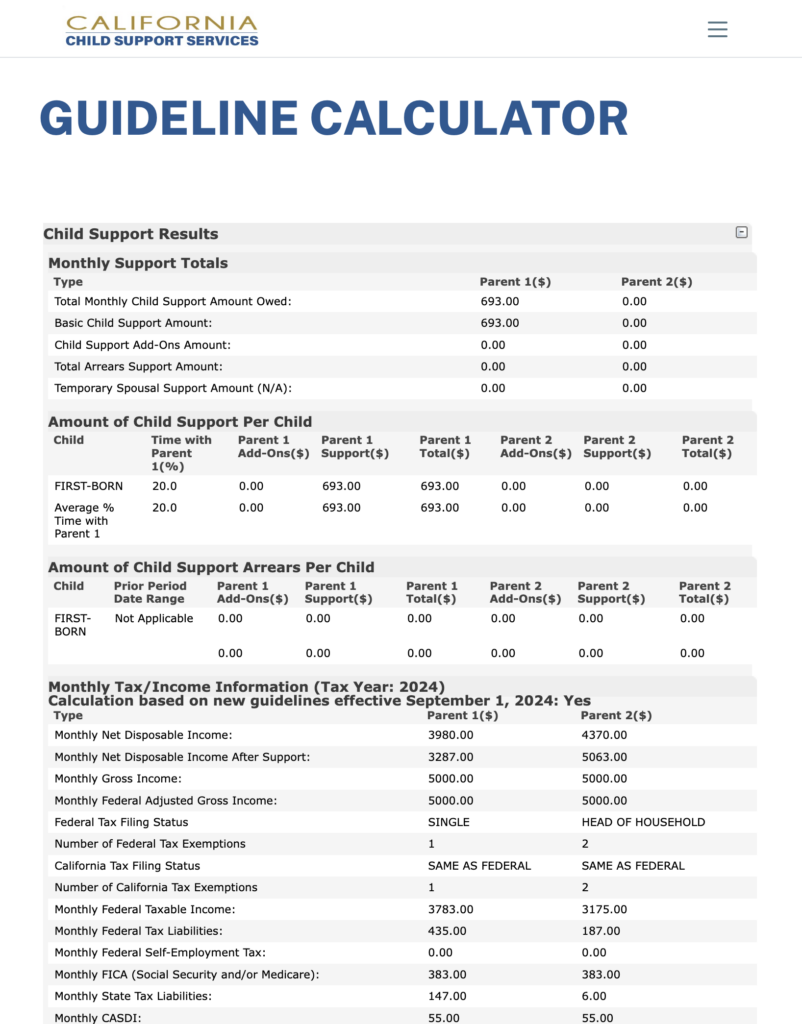
Understanding Child Support: A Cornerstone of Family Lifestyle
Child support is designed to ensure that both parents continue to contribute financially to their children’s upbringing, even after separation. This isn’t just about covering basic necessities; it’s about upholding a lifestyle for the children that, as much as possible, reflects what they would have experienced had their parents remained together. From educational opportunities to recreational activities, and from healthcare to housing, child support forms the financial bedrock upon which children’s lives are built post-separation.
The Purpose of Child Support: Ensuring Children’s Well-being
At its core, child support aims to minimize the financial impact of parental separation on children, allowing them to maintain a consistent standard of living and access opportunities vital for their development. This directly relates to lifestyle, as it dictates the resources available for children’s schooling, extracurricular activities, clothing, food, and housing. Without adequate support, a child’s lifestyle could dramatically decline, affecting their emotional, social, and academic well-being. Therefore, understanding and correctly calculating child support is paramount for securing a stable and fulfilling lifestyle for children amidst change. It ensures continuity in their routines, access to the things that enrich their lives, and the stability that helps them thrive.
Impact on Both Parents’ Lifestyles and Financial Planning
The financial implications of child support extend equally to both the paying and receiving parent, profoundly influencing their individual lifestyles and future financial planning. For the parent receiving support, it provides crucial resources that supplement their income, allowing them to provide for the children’s needs without undue financial strain. This can mean the difference between maintaining their family home, affording quality childcare, or providing enriching experiences that contribute to a child’s quality of life. Without this support, their lifestyle might be severely restricted, potentially impacting their ability to work, save, or pursue personal goals.
Conversely, for the parent paying support, these payments become a significant fixed expense that must be factored into their budget. This directly affects their disposable income, savings capacity, and overall lifestyle choices. It influences decisions about housing, transportation, entertainment, and even retirement planning. A clear understanding of the calculation ensures that the paying parent can responsibly manage their finances, adjust their lifestyle expectations, and plan for the future without unexpected burdens. Both parents need to integrate child support obligations or receipts into their comprehensive financial plans, recognizing its long-term impact on their respective lifestyles.
The California Guideline Formula: Demystifying the Process
California employs a statewide guideline formula to calculate child support, aiming for fairness and consistency across cases. This formula takes into account various factors, creating a complex but ultimately equitable system. For parents, understanding the components of this formula is essential for predicting potential outcomes and preparing for the financial shifts that will affect their lifestyle.
Key Factors Influencing the Calculation
The California guideline formula is driven by several key factors that directly reflect a family’s financial reality and their children’s needs. These include the income of both parents, the amount of time each parent spends with the children (time-sharing), and various deductions that can reduce a parent’s net disposable income. Other considerations, such as health insurance costs, daycare expenses, and specific educational or medical needs of the children, are also factored in. Each of these elements directly impacts the financial contributions required from each parent and, consequently, their capacity to maintain or adjust their lifestyles. A thorough understanding of how each factor is weighted is critical for accurate financial forecasting and lifestyle planning.
Income and Earning Capacity: The Foundation of Support
The most significant factor in child support calculations is the gross income of both parents. This includes wages, salaries, commissions, bonuses, self-employment income, rental income, interest, dividends, disability benefits, and unemployment benefits. The court also considers a parent’s “earning capacity” if they are intentionally underemployed or unemployed without good reason. This means that even if a parent is not currently earning at their potential, the court may impute income to them based on their skills, education, and work history.
From a lifestyle perspective, this factor highlights the direct link between career choices, job stability, and financial obligations. A parent’s income level dictates their ability to contribute to their children’s lifestyle. High earners will likely have higher support obligations, while lower earners may receive or pay less, influencing their financial flexibility. Strategic career planning, investment in education, and maintaining stable employment are not just personal choices but have direct implications for child support obligations and, by extension, the financial well-being and lifestyle possibilities for both parents and children. It underscores the importance of maximizing earning potential to ensure a comfortable lifestyle for oneself and provide adequately for children.
Time-Sharing Arrangement: Its Role in Financial Dynamics
The amount of time each parent spends with the children, often referred to as time-sharing or custody schedule, is another critical component of the child support formula. The formula uses the percentage of time each parent has primary physical responsibility for the children to adjust the support amount. Generally, the more time a parent spends with the children, the lower their child support obligation might be, as they are presumed to be directly covering more of the children’s day-to-day expenses during their time together.
This factor profoundly impacts the lifestyle of both parents and children. A 50/50 time-sharing schedule, for instance, often results in a lower support payment (or even no payment if incomes are similar) because both parents are sharing direct care costs equally. This can free up financial resources for both parents, allowing for a higher quality of life for all. Conversely, a schedule where one parent has the children most of the time will likely see the non-custodial parent paying a higher support amount. This influences housing decisions, transportation logistics, and the overall rhythm of family life. Parents must consider how different time-sharing arrangements will not only affect their personal schedules and co-parenting relationship but also the financial dynamics that shape their individual and collective lifestyles. Understanding this interplay allows for more informed decisions about custody arrangements and financial planning.
Navigating Deductions and Add-ons: Refining the Lifestyle Equation
While gross income and time-sharing are major drivers, the California guideline formula also accounts for specific deductions and “add-ons” that further refine the child support calculation. These adjustments are vital for creating a realistic picture of each parent’s net disposable income and ensuring that all necessary expenses for the children’s lifestyle are covered.
Mandatory Deductions: A Realistic Look at Disposable Income
Before calculating support, the formula considers several mandatory deductions from a parent’s gross income, leading to their net disposable income. These deductions provide a more accurate representation of the money truly available for child support and other lifestyle expenses. Common mandatory deductions include:
- State and Federal Income Taxes: The actual tax burden on each parent is factored in, reducing their available income.
- Social Security and Medicare (FICA) Contributions: These required payroll deductions directly impact a parent’s take-home pay.
- Health Insurance Premiums: Amounts paid for health insurance for the parent and children are typically deducted, recognizing this essential expense.
- Mandatory Union Dues or Retirement Contributions: If these are required as a condition of employment, they are also subtracted.
Understanding these deductions is crucial for financial planning. They provide a more realistic figure for what each parent truly has to allocate towards their lifestyle, savings, and child support payments. For parents, accurately accounting for these mandatory expenses means less likelihood of financial strain and a clearer picture of their capacity to maintain a comfortable lifestyle after meeting their obligations.

Discretionary Deductions: Seeking Equity in Lifestyle Contributions
Beyond mandatory deductions, courts may also consider certain discretionary deductions, depending on the specifics of the case. These are typically reviewed on a case-by-case basis and aim to ensure fairness when unique financial circumstances exist. Examples include:
- Hardship Deductions: In situations where a parent has extraordinary medical expenses, uninsured catastrophic losses, or support obligations for other children from another relationship living in their home, a court may grant a hardship deduction. This directly addresses lifestyle strain, acknowledging that certain unavoidable expenses impact a parent’s ability to pay child support and may require adjustment to prevent severe financial hardship.
- Child Support for Other Children: If a parent is already paying child support for children from another relationship, this existing obligation can be factored in, recognizing the ongoing financial commitment and its impact on their current lifestyle.
These discretionary deductions serve to tailor the child support order to individual circumstances, aiming for an equitable outcome that doesn’t push a parent into financial distress. For parents, being aware of these potential deductions is key to advocating for a child support order that accurately reflects their financial capacity and allows them to maintain a sustainable lifestyle while meeting their responsibilities.
Additional Support Orders: Enhancing Children’s Quality of Life
The guideline child support amount primarily covers basic needs. However, the court can also order “add-on” support for specific expenses that directly enhance a child’s quality of life and opportunities. These add-ons are typically shared by parents, often 50/50, but can be adjusted based on their respective incomes. Common add-ons include:
- Childcare Costs: Necessary for a parent’s employment or education, childcare expenses are often added to the basic support amount. This directly impacts a parent’s ability to work and pursue career goals, which in turn affects their overall lifestyle and financial stability.
- Uninsured Medical and Dental Expenses: While health insurance premiums are deducted, any out-of-pocket medical or dental costs for the children are typically shared. Ensuring children have access to necessary healthcare is fundamental to their well-being and lifestyle.
- Educational or Special Needs: Extraordinary educational expenses (e.g., private school tuition if previously agreed upon or necessary, tutoring) or costs associated with a child’s special needs can be ordered as add-ons. These are crucial for maintaining a child’s educational lifestyle and providing necessary support.
- Extracurricular Activities: While not always mandatory, courts can sometimes order parents to share costs for enriching extracurricular activities (sports, music lessons, camps) that contribute significantly to a child’s social development and overall lifestyle.
These add-ons are critical for ensuring that children continue to have access to activities and services that enrich their lives and maintain their lifestyle beyond just basic needs. For parents, understanding these potential additional costs is vital for comprehensive financial planning and budgeting, ensuring their lifestyle can accommodate these important contributions to their children’s development.
Beyond the Formula: Modifying Orders and Lifestyle Changes
A child support order is not necessarily set in stone forever. Life is dynamic, and significant changes in circumstances can warrant a modification of the existing order. These changes often relate directly to shifts in lifestyle, employment, or the needs of the children.
When Lifestyle Changes Warrant a Review
For a court to consider modifying a child support order, there must typically be a “material change of circumstances.” These changes often have a direct impact on a parent’s or child’s lifestyle. Examples include:
- Significant Income Changes: A substantial increase or decrease in either parent’s income (e.g., job loss, promotion, career change, retirement).
- Changes in Time-Sharing: A significant alteration in the custody schedule, where one parent now spends substantially more or less time with the children.
- Changes in Child’s Needs: A child developing special medical or educational needs that incur significant new expenses.
- Incarceration of a Parent: If a parent becomes incarcerated, their ability to earn income is severely impacted, necessitating a review.
- Remarriage/New Children: While a new spouse’s income is generally not considered, having new children can sometimes be a factor in hardship deductions.
Understanding when these lifestyle shifts might trigger a modification is crucial for maintaining financial stability. Proactive communication and seeking legal advice when significant changes occur can prevent accumulation of arrears or ensure that a child continues to receive adequate support reflective of current realities. Modifying an order allows the child support to remain aligned with the evolving lifestyles and financial capacities of both families.
The Importance of Legal Counsel: Protecting Your Family’s Future Lifestyle
While this guide provides general information, the intricacies of child support calculations and modifications in California can be complex. Each family’s situation is unique, and applying the guideline formula correctly often requires detailed financial documentation and a nuanced understanding of legal principles.
Engaging with an experienced family law attorney is not just about navigating legal processes; it’s about protecting your family’s future lifestyle. An attorney can help:
- Accurately calculate support: Ensuring all income sources, deductions, and add-ons are correctly accounted for.
- Advocate for your interests: Presenting your financial situation and lifestyle needs effectively to the court.
- Negotiate fair agreements: Working with the other parent to reach an amicable resolution that supports both families.
- Guide through modification processes: Advising when and how to seek a modification when lifestyle changes occur.
- Prevent future disputes: Crafting clear and enforceable orders that minimize ambiguity and potential conflict.
Investing in legal counsel ensures that the child support order is fair, legally sound, and effectively supports the intended lifestyle for your children, while also allowing both parents to plan their financial futures with confidence.
Empowering Families: Planning for a Stable Future Lifestyle
Child support is more than just a monthly payment; it’s a critical component of a family’s financial architecture post-separation. When handled thoughtfully and strategically, it can empower families to build stable and fulfilling lifestyles for their children.
Budgeting and Financial Planning with Child Support in Mind
Integrating child support into household budgeting and long-term financial planning is essential for both the paying and receiving parent. For the receiving parent, child support should be viewed as a predictable income stream that needs to be allocated effectively to cover the children’s expenses – housing, food, clothing, education, healthcare, and enrichment activities. Creating a detailed budget that tracks these expenditures ensures that the support is utilized optimally to maintain the children’s lifestyle. For the paying parent, child support is a non-negotiable fixed expense. It must be factored into the monthly budget alongside other essential bills. This might necessitate adjustments to discretionary spending, savings goals, or even career planning to ensure the obligation can be met consistently without compromising their own financial stability. Proactive financial planning allows both parents to maintain a sustainable lifestyle and avoid financial stress.

Fostering Co-Parenting: A Harmonious Lifestyle for Children
While child support addresses financial contributions, its effective implementation is often intertwined with the quality of the co-parenting relationship. A collaborative and respectful co-parenting approach can significantly reduce stress and conflict, which in turn fosters a more harmonious lifestyle for the children. When parents communicate effectively about financial matters related to the children (e.g., unexpected medical bills, school activity costs), it allows for smoother budgeting and fewer disputes. Agreement on shared expenses and a willingness to compromise can prevent minor financial disagreements from escalating, thereby protecting the children from parental conflict and ensuring a stable emotional and material lifestyle. Ultimately, a focus on respectful co-parenting, combined with a clear understanding of financial obligations, creates a foundation for children to thrive in a consistent, supported, and emotionally secure environment, preserving their overall quality of life despite parental separation.
LifeOutOfTheBox is a participant in the Amazon Services LLC Associates Program, an affiliate advertising program designed to provide a means for sites to earn advertising fees by advertising and linking to Amazon.com. Amazon, the Amazon logo, AmazonSupply, and the AmazonSupply logo are trademarks of Amazon.com, Inc. or its affiliates. As an Amazon Associate we earn affiliate commissions from qualifying purchases.