
The Mississippi River, a serpentine titan of North America, has carved its name deeply into the history and landscape of the United States. Far more than just a colossal waterway, it has served as a vital artery for commerce, a cradle for diverse cultures, a powerful natural force, and a profound source of inspiration. Its importance echoes through centuries, shaping the nation’s growth, its identity, and its very geography. From the earliest indigenous settlements to the bustling metropolises of today, the Mississippi River has been an indispensable element, a catalyst for exploration, and a defining feature of the American experience.
A Highway of Commerce and Connection
From time immemorial, the Mississippi River has facilitated movement and exchange. Before the advent of paved roads and railways, its vast network of tributaries and its sheer scale made it the preeminent highway for trade and transportation. Indigenous peoples utilized its currents to connect distant communities, exchanging goods, ideas, and cultural practices. They fished its abundant waters and navigated its channels, establishing settlements along its fertile banks.
The arrival of European explorers and settlers only amplified the river’s significance as a conduit. Hernando de Soto is credited with being one of the first Europeans to encounter the Mississippi River in the 16th century, a momentous discovery that would forever alter the course of North American history. Later, figures like Robert de La Salle explored its delta, claiming the vast territory for France and naming it Louisiana in honor of King Louis XIV.
Facilitating Exploration and Settlement
The Mississippi River acted as a natural highway, guiding explorers deep into the interior of the continent. Its ability to carry goods and people inland was unparalleled, opening up vast new territories for settlement and exploitation. As settlers ventured westward, the Mississippi River became their lifeline, transporting supplies, agricultural products, and raw materials. Towns and cities sprang up along its banks, their fortunes inextricably linked to the river’s ebb and flow.
New Orleans, situated at the river’s mouth, quickly emerged as a crucial port city, a gateway between the interior of America and the rest of the world. Its strategic location allowed for the collection and export of agricultural wealth from the fertile valleys of the Mississippi and its tributaries, including cotton, tobacco, and grain. This trade fueled the economies of the surrounding states and contributed significantly to the nation’s overall prosperity. The demand for these goods, particularly cotton, had a devastating impact on enslaved populations, highlighting the complex and often brutal history intertwined with the river’s commercial importance.
The Steamboat Era and Beyond
The invention of the steamboat in the early 19th century revolutionized riverine commerce. Steamboats, like the iconic Robert E. Lee, could travel upstream against the current, dramatically reducing travel times and increasing the volume of goods that could be transported. This era, famously chronicled by Mark Twain in works like “Life on the Mississippi,” saw the Mississippi River teem with steamboats, creating a vibrant and dynamic transportation network. The steamboat era solidified the Mississippi River as the central artery of American trade, connecting the agricultural heartland to the industrializing East and the burgeoning markets of the South.
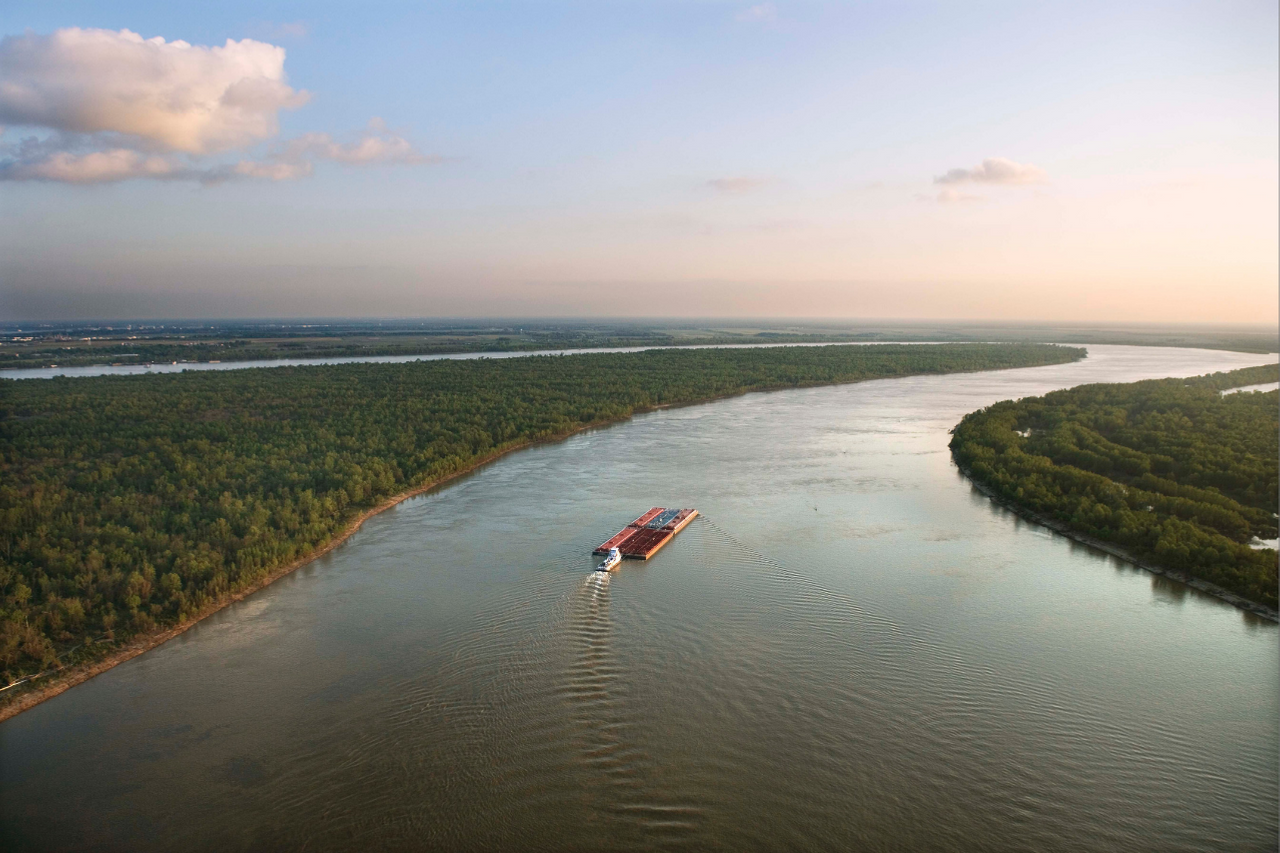
Beyond steamboats, the river was a hub for a diverse array of watercraft, from flatboats carrying early settlers’ belongings to barges laden with modern-day cargo. The development of towboats and barges in the 20th century continues to leverage the Mississippi River as a critical component of the nation’s logistical infrastructure, transporting everything from coal and iron ore to grain and chemicals. The Inland Waterways, encompassing the Mississippi River and its connected network, remain one of the most efficient and cost-effective means of moving bulk commodities, underscoring its enduring economic relevance.
A Cradle of Culture and Biodiversity
The Mississippi River is not merely a conduit for goods; it has also been a crucible for the formation and evolution of cultures and a sanctuary for a remarkable array of natural life. The rich alluvial soils deposited by the river have supported agriculture for millennia, sustaining indigenous populations and later drawing settlers seeking fertile land. This agricultural bounty, in turn, has shaped the culinary traditions and the very character of the regions it touches.
Indigenous Heritage and Early Settlements
Long before European arrival, numerous indigenous tribes thrived along the Mississippi River. The Mississippian culture, known for its impressive mound-building achievements, flourished in the river valley, with major centers like Cahokia, near modern-day St. Louis, demonstrating sophisticated social organization and agricultural practices. These early inhabitants understood the river’s rhythms, relying on its waters for sustenance and its floodplains for farming. Their legacy is preserved in archaeological sites and continues to inform our understanding of the region’s deep human history.
The river served as a natural border and a bridge between different indigenous groups, fostering both conflict and cooperation. The Sioux, Chippewa, Illinois, Shawnee, Cherokee, Choctaw, and Chickasaw are just a few of the many nations whose ancestral lands bordered or were traversed by the Mississippi River. Their languages, traditions, and spiritual beliefs are inextricably linked to the river’s presence.
The Melting Pot of the Delta and Beyond
As the nation expanded, the Mississippi River became a focal point for the intermingling of diverse peoples and cultures. The unique blend of African, European, and indigenous influences gave rise to distinct cultural traditions, particularly in the Deep South. The music of New Orleans, with its roots in jazz and blues, is a testament to the cultural fusion that occurred along the riverbanks. The distinctive cuisine of the Louisiana region, with its Creole and Cajun flavors, also bears the indelible mark of the Mississippi River‘s influence.
The river’s fertile lands also attracted a steady stream of immigrants, each contributing to the region’s cultural tapestry. From Irish laborers who helped build levees to German farmers who settled in the Midwest, the Mississippi River provided opportunities and a new home for many. The shared experience of living along such a monumental natural feature fostered a sense of common identity, even amidst diverse backgrounds.
A Haven for Wildlife
The Mississippi River ecosystem is a marvel of biodiversity. Its vast wetlands, marshes, and aquatic environments provide critical habitat for a staggering number of plant and animal species. The river is a crucial stopover on the Mississippi Flyway, one of the major migratory bird routes in North America. Millions of birds, from waterfowl and shorebirds to raptors and songbirds, depend on the river and its adjacent habitats for rest and refueling during their arduous journeys.
The river’s waters are home to a rich diversity of fish, including catfish, bass, and paddlefish, which have sustained human populations for centuries. Its banks teem with mammals like beavers, otters, and deer, while reptiles and amphibians find refuge in its riparian zones. The National Park Service and various conservation organizations work tirelessly to protect these vital habitats, recognizing the Mississippi River‘s immense ecological significance. The Upper Mississippi River National Wildlife and Fish Refuge, for instance, is a testament to the ongoing efforts to preserve this natural treasure.
A Symbol of Power and Resilience
The Mississippi River is more than just a geographic feature; it is a powerful symbol that has captured the American imagination for generations. Its immense scale, its unpredictable nature, and its vital role in the nation’s development have made it a potent force in art, literature, and popular culture.
Natural Force and Human Ingenuity
The Mississippi River has always possessed a formidable power, capable of both sustaining life and unleashing destruction. Its annual floods, while nourishing the land, also posed a constant threat to settlements along its banks. This dual nature of the river fostered a respect for its power and spurred human ingenuity in developing strategies for control and adaptation. The construction of levees, floodwalls, and dams represents a long and ongoing effort to harness the river’s force while mitigating its destructive potential.
The Great Mississippi Flood of 1927, one of the most significant natural disasters in U.S. history, inundated vast swathes of land, displacing hundreds of thousands of people and fundamentally altering the course of American policy and social dynamics. The federal government’s response led to the creation of the Mississippi River Commission and a more comprehensive approach to flood control, highlighting the river’s capacity to shape national priorities.
Artistic and Literary Inspiration
The Mississippi River has been a muse for countless artists and writers, its grandeur and complexity providing endless inspiration. Mark Twain, arguably the most famous chronicler of the river, captured its essence in his vivid prose, immortalizing the steamboat era and the characters who plied its waters. His personal experiences working as a steamboat pilot on the Mississippi River deeply informed his literary output, making him an authoritative voice on its lore and life.
Painters, photographers, and musicians have also drawn heavily from the Mississippi River‘s visual and auditory landscapes. The changing moods of the river, the silhouettes of steamboats against the sunset, and the sounds of its currents have been depicted and interpreted in myriad forms of artistic expression. The river’s presence is felt in the blues music of the Delta, the folk songs of the heartland, and the contemporary narratives that continue to explore its multifaceted importance.

A Defining Feature of the American Landscape
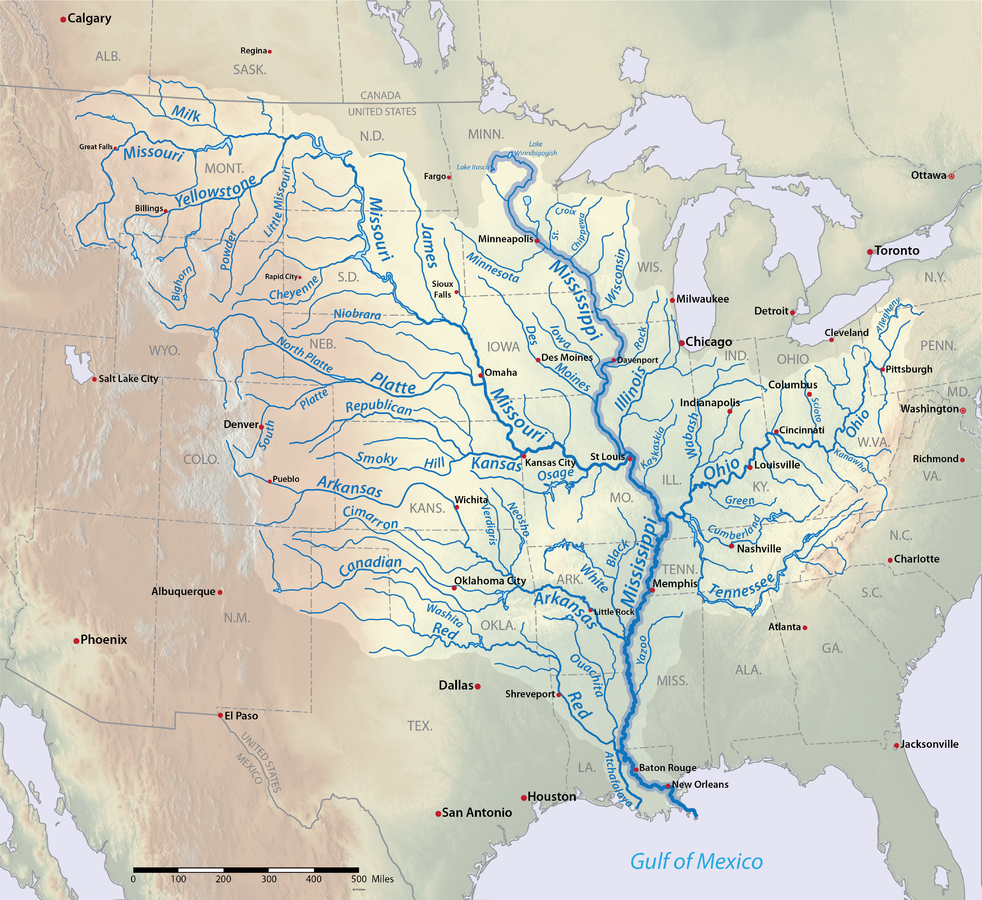
The Mississippi River‘s immense length, stretching over 2,300 miles from its source at Lake Itasca in Minnesota to its delta on the Gulf of Mexico, makes it the second-longest river in North America (after the Missouri River, which is a tributary). Its drainage basin is the largest in North America and the fourth largest in the world, encompassing all or parts of 32 U.S. states and two Canadian provinces. This vast reach underscores its role as a defining feature of the American continent, shaping not only the geography but also the historical development and cultural identity of the nation.
From its humble beginnings as a small lake to its grand convergence with the Gulf of Mexico, the Mississippi River has witnessed and participated in the unfolding story of America. Its importance continues today, not just as a historical artifact, but as a dynamic and essential element of the nation’s economy, ecology, and cultural soul. Exploring the Mississippi River is to embark on a journey through the heart of America, a journey filled with history, culture, natural beauty, and enduring significance. Whether one is seeking a luxurious resort stay in New Orleans, a budget-friendly lodge near St. Louis, or a unique travel experience exploring the river’s numerous landmarks and attractions, the Mississippi River offers an unparalleled window into the American narrative.
LifeOutOfTheBox is a participant in the Amazon Services LLC Associates Program, an affiliate advertising program designed to provide a means for sites to earn advertising fees by advertising and linking to Amazon.com. Amazon, the Amazon logo, AmazonSupply, and the AmazonSupply logo are trademarks of Amazon.com, Inc. or its affiliates. As an Amazon Associate we earn affiliate commissions from qualifying purchases.