
The Boston Bombing, a tragic event that unfolded on April 15, 2013, during the annual Boston Marathon, remains a somber historical marker in the vibrant city of Boston. This heinous act not only claimed lives and caused devastating injuries but also tested the resilience of a community known for its deep historical roots and unyielding spirit. While the immediate aftermath was marked by shock and a frantic search for answers, the perpetrators were swiftly identified and brought to justice, cementing this period as a pivotal moment in Boston’s recent history. Understanding who was responsible is crucial not just for factual accuracy, but also for comprehending the indelible mark this event left on the city’s landscape and its collective memory.
A Day That Shook Boston: The 2013 Marathon Attack
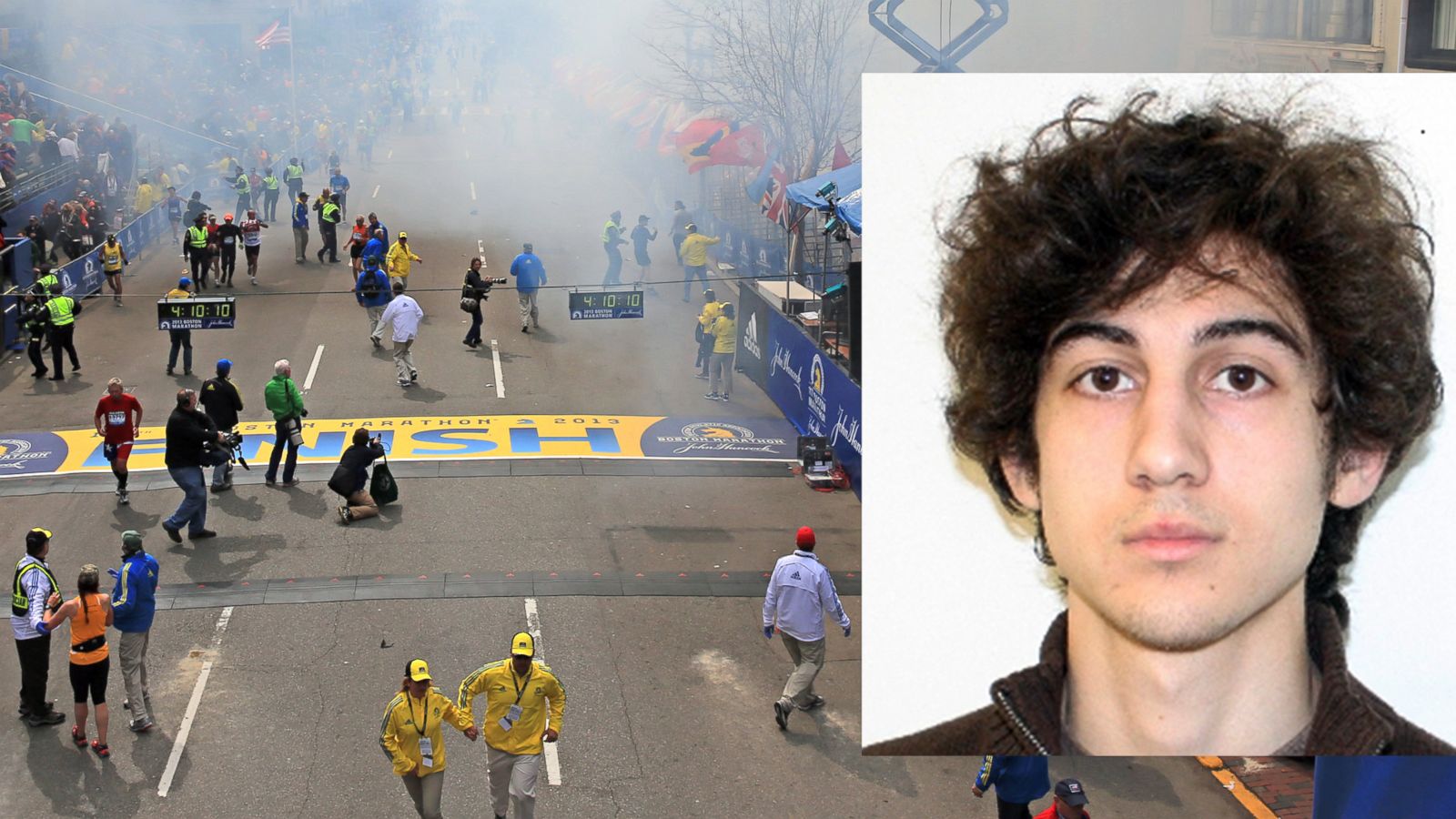
The second Monday in April is a celebrated holiday in Massachusetts, Patriot’s Day, culminating in the world-renowned Boston Marathon. On April 15, 2013, what began as a joyous occasion—a testament to human endurance and community spirit—transformed into a scene of terror and chaos. As runners approached the finish line on Boylston Street, two homemade pressure cooker bombs detonated within seconds of each other, roughly 210 yards apart. The explosions ripped through the crowd, instantly turning a festive atmosphere into one of widespread panic, injury, and loss.
The Scene of the Crime: Boylston Street
Boylston Street, typically bustling with spectators cheering on marathoners, became the epicenter of the attack. The bombs were placed near the finish line, amidst dense crowds, maximizing casualties. The first blast occurred outside the Boston Public Library, near Copley Square, followed almost immediately by the second detonation outside the Forum Restaurant. The street, a historic artery of the city, was littered with debris, shattered glass, and the wounded. Emergency responders, medical personnel, and even ordinary citizens reacted with astonishing speed and bravery, rushing into the chaos to provide aid. This instant, selfless response by the people of Boston became a defining feature of the tragedy’s initial moments, showcasing a profound sense of community amidst destruction.
Immediate Aftermath and Citywide Response
In the hours and days that followed, the city of Boston effectively shut down. Hospitals across the region were overwhelmed but meticulously organized, treating over 260 injured individuals, many of whom sustained life-altering wounds, including traumatic amputations. Three people died directly from the blasts: Krystle Campbell, Lu Lingzi, and Martin Richard, an 8-year-old boy. The immediate aftermath saw an outpouring of support from around the globe, and a unified sense of purpose began to coalesce under the mantra “Boston Strong.” This collective resilience transformed the initial shock and grief into a powerful symbol of unity, demonstrating how a community can rise in the face of adversity, forever embedding this moment into Boston’s historical narrative.
The Hunt for the Perpetrators: An Unprecedented Manhunt
The question of “who was responsible” quickly became the paramount focus of law enforcement and intelligence agencies. The investigation was one of the largest and most intense in U.S. history, involving thousands of federal, state, and local officers. Within days, through painstaking analysis of surveillance footage, witness accounts, and forensic evidence, investigators began to piece together the identities of those behind the attack.
Identifying the Suspects: The Tsarnaev Brothers
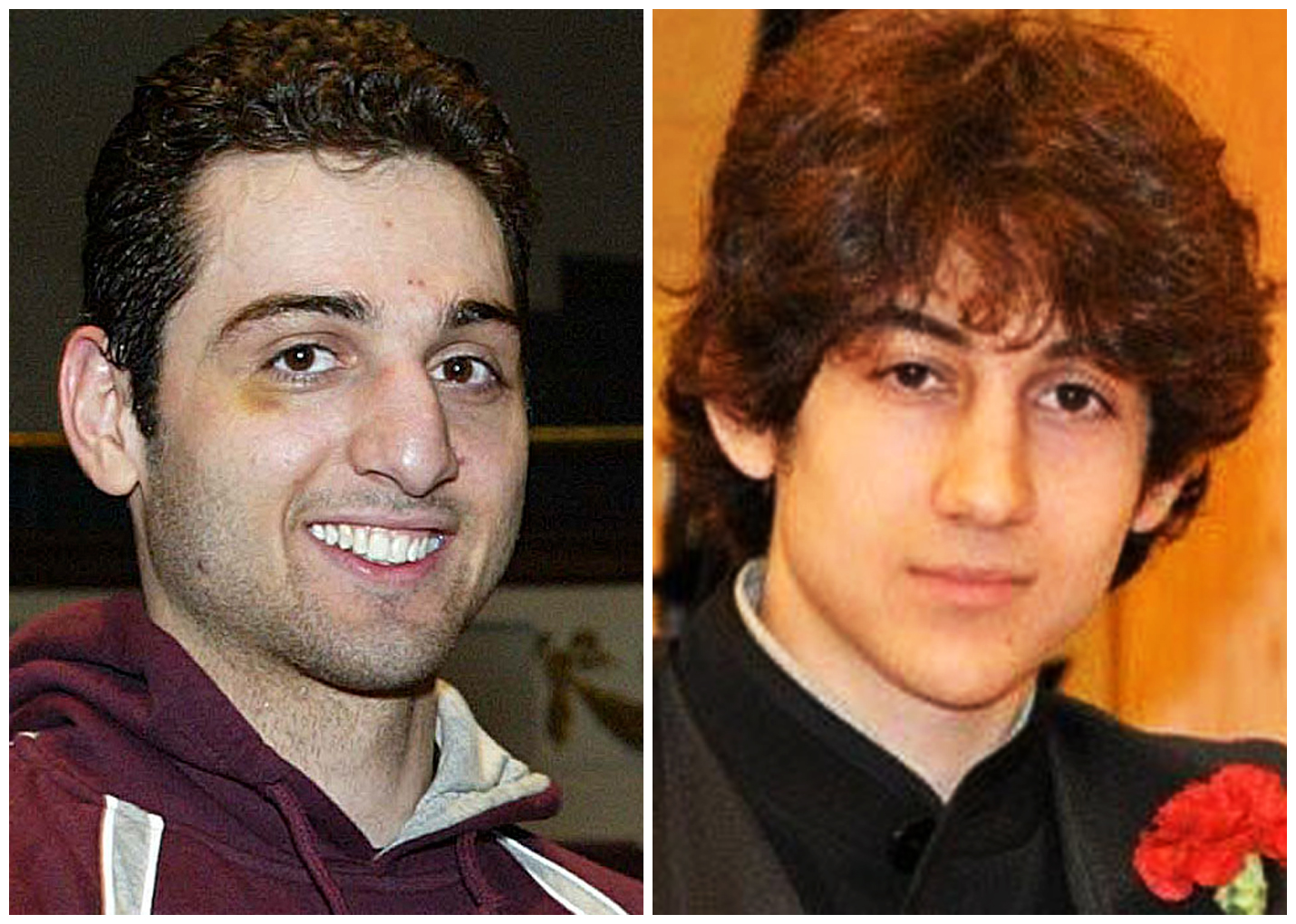
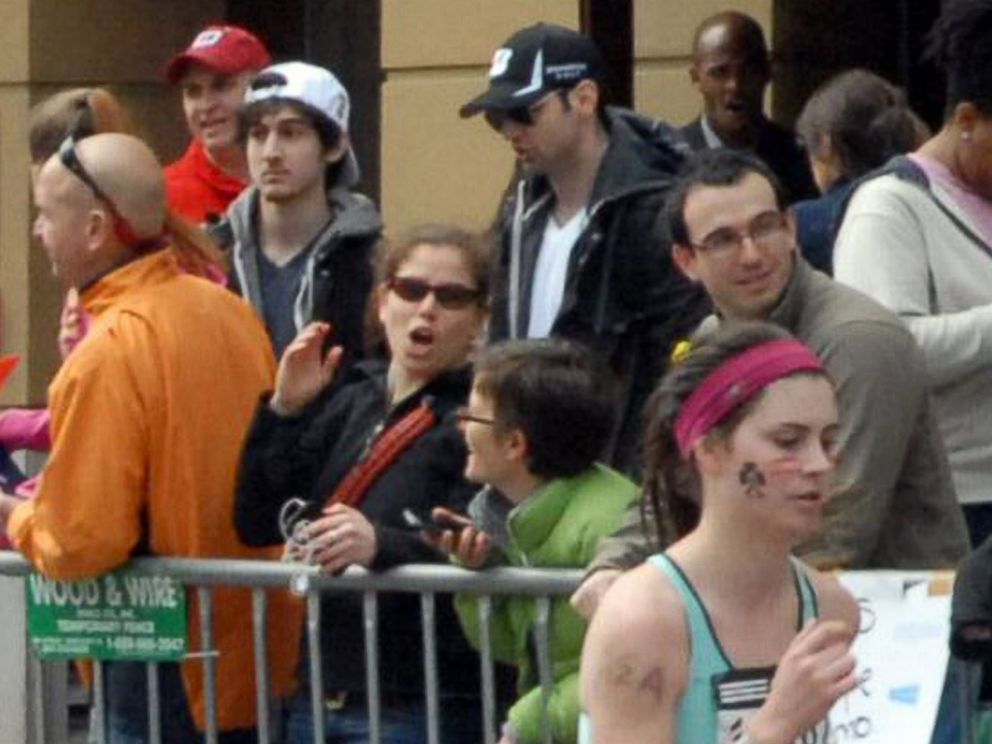
Less than 72 hours after the bombings, the Federal Bureau of Investigation released images of two suspects captured by surveillance cameras near the finish line. These images showed two young men, later identified as brothers Tamerlan Tsarnaev, 26, and Dzhokhar Tsarnaev, 19, both ethnic Chechens who had immigrated to the United States from Kyrgyzstan with their family a decade earlier, eventually settling in Cambridge, Massachusetts. The swift identification by authorities underscored the power of modern investigative techniques and the immediate mobilization of public assistance, transforming the anonymous faces of terror into known individuals whose capture became a national priority.
The Watertown Standoff and Capture
The identification of the Tsarnaev brothers initiated a dramatic and violent sequence of events. On the night of April 18, 2013, as the FBI released the suspects’ photos, the brothers ambushed and murdered MIT police officer Sean Collier in Cambridge in an attempt to steal his firearm. They then carjacked a Mercedes-Benz SUV, briefly holding its driver, Dun Meng, hostage before he bravely escaped and alerted authorities. This led to a desperate chase and a fierce shootout with police in Watertown, a suburb of Boston. During the confrontation, Tamerlan Tsarnaev was severely wounded and ultimately died, both from gunshot injuries and being run over by his brother Dzhokhar in his frantic escape.
The hunt for Dzhokhar Tsarnaev intensified the following day, leading to an unprecedented lockdown of Boston and its surrounding communities. Public transportation was suspended, businesses closed, and residents were advised to shelter in place. This eerie silence over one of America’s most bustling cities was a stark historical moment, illustrating the profound impact of a single individual’s actions on the fabric of urban life. Later that evening, Dzhokhar Tsarnaev was discovered hiding in a boat in a backyard in Watertown by resident Richard Henneberry and was apprehended after another brief standoff. His capture marked the end of a terrifying chapter and provided the first step towards understanding the motivations behind such a horrific act.
Motives and Ideologies: Unraveling the Why
With the perpetrators identified and one captured, the focus shifted to understanding why they committed such an act of terror. The investigation and subsequent trial revealed a complex interplay of radicalization, personal grievances, and extremist ideology, primarily influenced by the elder brother, Tamerlan.
Radicalization and Influences
Evidence presented during Dzhokhar Tsarnaev’s trial painted a picture of Tamerlan Tsarnaev’s increasing radicalization. He had grown disillusioned with life in the United States and had become deeply immersed in extremist Islamist propaganda found online, including materials from al-Qaeda and other radical groups. While the brothers were not formally affiliated with any specific international terrorist organization, Tamerlan’s self-radicalization led him to believe that the attack was an act of retribution for U.S. military actions in Muslim countries. He imposed these beliefs on his younger brother, Dzhokhar, who, according to court testimony, largely followed his older brother’s lead. This narrative highlights how easily individuals can be swayed by extremist ideologies, even without direct contact with established terrorist networks, leading to devastating consequences within their adopted homeland.
The Narrative of Disenchantment
Beyond ideological fervor, the brothers’ lives also reportedly contained elements of personal struggle and a sense of alienation. Tamerlan had abandoned his boxing aspirations, struggled to find stable employment, and reportedly felt increasingly isolated. Dzhokhar, while seemingly more integrated into American youth culture, particularly at the University of Massachusetts Dartmouth, reportedly succumbed to his brother’s influence and increasingly shared his radical views. Their actions were not driven by a clear geopolitical strategy but by a twisted interpretation of religious duty and a desire to make a statement, however misguided and brutal. This combination of personal disenchantment and extremist radicalization provided the grim “why” behind the bombings, contributing to a historical understanding of homegrown terrorism.
Justice and Remembrance: Boston’s Enduring Spirit
The capture of Dzhokhar Tsarnaev was not the end of the story for Boston; it marked the beginning of a long journey towards justice and healing. The subsequent legal proceedings and the city’s continuous efforts to remember the victims and celebrate its resilience have become integral parts of Boston’s historical landscape, turning a site of tragedy into a powerful landmark of remembrance and strength.
The Legal Proceedings and Sentences
Dzhokhar Tsarnaev was indicted on 30 federal charges, including use of a weapon of mass destruction resulting in death. His trial, held in Boston, was a meticulous and emotionally grueling process that brought forth harrowing testimony from survivors and first responders. In April 2015, a jury found him guilty on all counts, and in May 2015, he was sentenced to death by lethal injection. The sentencing, upheld through various appeals, brought a sense of closure to many, though the legal battle continues to unfold regarding his execution. The trial served not only as a pursuit of justice but also as a public reckoning with the horror of the attack, creating a historical record of the event through legal process.
Memorials and the Legacy of “Boston Strong”
The legacy of the Boston Bombing extends far beyond the courtroom. The phrase “Boston Strong” became a rallying cry, symbolizing the city’s unwavering courage and unity. Today, memorials stand as poignant landmarks of remembrance. Near the marathon finish line on Boylston Street, two bronze and glass memorials, designed by artist Pablo Eduardo, honor those who died: Krystle Campbell, Lu Lingzi, Martin Richard, and Sean Collier. These enduring structures, along with the resilient spirit of survivors like Patrick Downes and Jessica Kensky who have continued to advocate for peace and healing, serve as permanent reminders of the human cost of the attack and the triumph of the human spirit. They transform the very ground where tragedy struck into a place of reflection and strength, embodying the city’s refusal to be defined by violence.
The Boston Marathon as a Symbol of Resilience
Perhaps the most powerful testament to Boston’s resilience is the continuation of the Boston Marathon itself. Each year, thousands of runners and spectators return to Boylston Street, not in fear, but in defiance and celebration. The marathon has evolved into a global symbol of perseverance, hope, and community strength. The finish line, once a site of terror, is now a powerful landmark of triumph, where survivors, first responders, and ordinary citizens gather to demonstrate that while a city can be attacked, its spirit cannot be broken. The annual event ensures that the historical memory of the bombing is not one of surrender, but of overcoming, solidifying the event’s place in the broader narrative of Boston’s enduring character.
LifeOutOfTheBox is a participant in the Amazon Services LLC Associates Program, an affiliate advertising program designed to provide a means for sites to earn advertising fees by advertising and linking to Amazon.com. Amazon, the Amazon logo, AmazonSupply, and the AmazonSupply logo are trademarks of Amazon.com, Inc. or its affiliates. As an Amazon Associate we earn affiliate commissions from qualifying purchases.