
Planning a trip to the Heartland state of Nebraska often involves more than just mapping out your itinerary of must-see attractions and booking the perfect accommodations. For many travelers, especially those considering longer stays or even relocating, understanding the financial implications of visiting or living in a particular state is crucial. A common question that arises is regarding state income tax. So, does Nebraska have a state income tax? The answer is yes, Nebraska does indeed have a state income tax, but its structure and rates are designed with a specific philosophy in mind, which can impact your travel budget and financial planning.
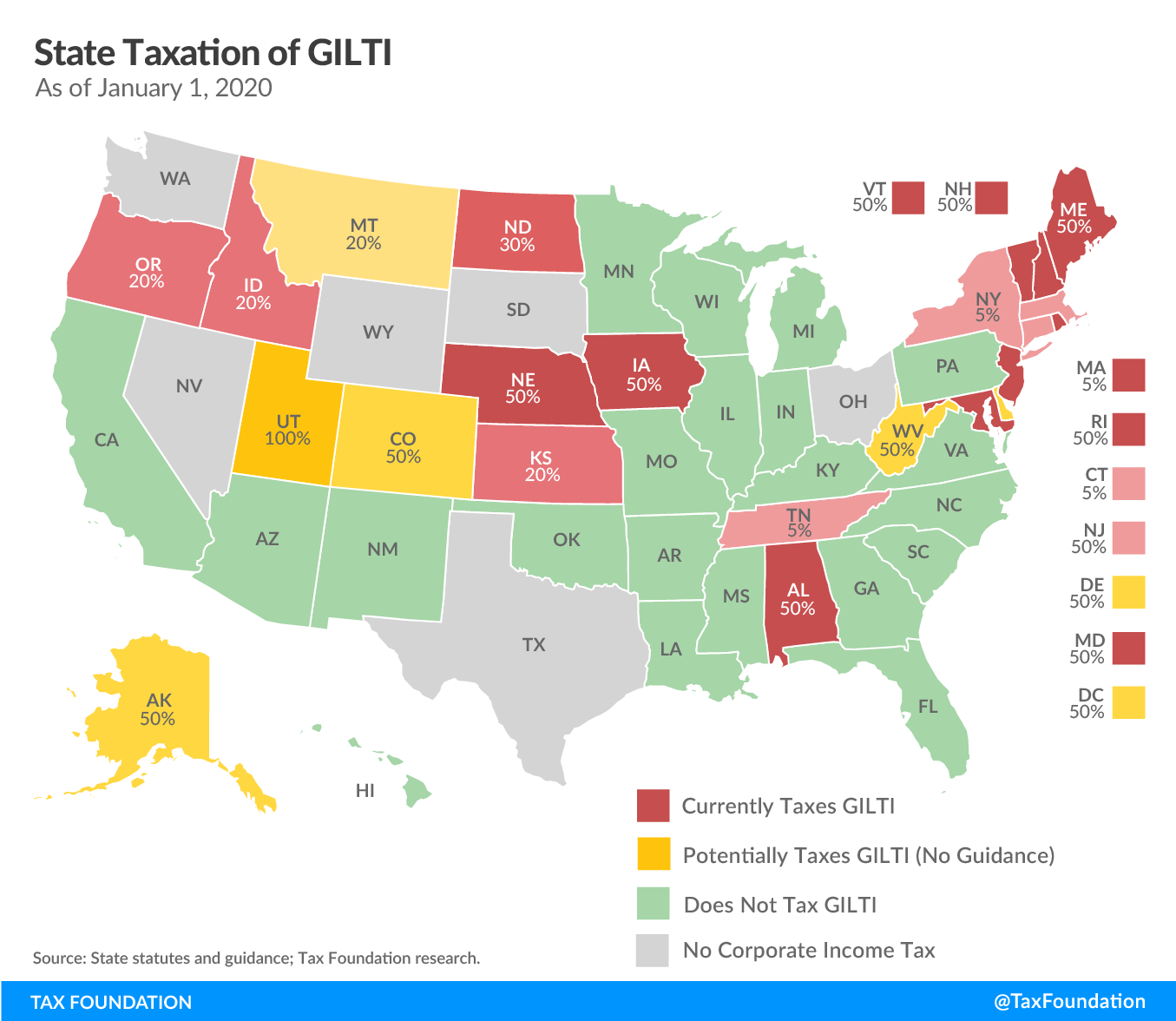
This exploration will delve into Nebraska’s income tax system, offering insights relevant to travelers, potential residents, and anyone curious about the financial landscape of this Midwestern state. We’ll cover the basics of how the tax works, what it means for your wallet, and how it fits into the broader context of Nebraska’s appeal as a travel destination and a place to experience diverse lifestyles.
Understanding Nebraska’s Income Tax Structure
Nebraska’s approach to income taxation is characterized by a progressive rate structure, meaning that individuals with higher incomes are taxed at higher rates. This system is a common feature in many states, aiming to ensure that those who earn more contribute a proportionally larger share to state revenue. However, the specific rates and the way they are applied can vary significantly from state to state.
Progressive Tax Rates and Tax Brackets
In Nebraska, income is divided into tax brackets, each associated with a specific tax rate. As your taxable income increases, it moves into higher tax brackets, and the portion of your income within that higher bracket is taxed at the corresponding higher rate. This is not a flat tax where your entire income is suddenly subjected to the highest rate; rather, the rates apply progressively to different portions of your income.
The state’s tax rates are reviewed and adjusted periodically, so it’s always advisable to consult the most current information from the Nebraska Department of Revenue for precise figures. However, the general principle of progressive taxation remains a cornerstone of the state’s revenue generation. This means that for a solo traveler on a budget, the income tax burden will be considerably lower than for a high-earning executive on a business trip.
Deductions and Credits: Reducing Your Taxable Income
Fortunately, taxpayers aren’t solely subject to the gross income being taxed. Nebraska offers various deductions and credits that can significantly reduce your overall taxable income. Understanding these can be particularly beneficial for those planning extended stays or even considering temporary employment within the state.
Standard Deductions vs. Itemized Deductions: Similar to the federal tax system, Nebraska allows taxpayers to choose between a standard deduction or itemizing their deductions. The standard deduction is a fixed amount that reduces your taxable income, and its value is determined by your filing status. Itemizing, on the other hand, involves listing out specific deductible expenses, such as mortgage interest, state and local taxes (with limitations), medical expenses exceeding a certain percentage of your income, and charitable contributions. For many, the standard deduction offers a simpler and often more beneficial way to lower their tax liability. However, if your itemized expenses are substantial, this route might lead to greater tax savings.
Tax Credits: Beyond deductions, tax credits offer a dollar-for-dollar reduction in your tax liability. Nebraska offers several tax credits designed to incentivize certain behaviors or provide relief to specific groups of taxpayers. Examples might include credits for low-income individuals, those with significant medical expenses not fully covered by deductions, or credits related to certain types of investments or business activities. For travelers, while direct tax credits related to tourism are unlikely, understanding any credits that might apply to your personal financial situation is always prudent.
Filing Status and Its Impact
Your filing status—whether you are single, married filing jointly, married filing separately, or head of household—plays a significant role in determining your tax brackets, standard deduction amount, and ultimately, your tax liability. This is another area where individual circumstances dictate the financial impact of Nebraska’s income tax.
Filing Requirements for Non-Residents and Part-Time Residents
A key consideration for travelers is understanding filing requirements, especially if your visit involves earning income in Nebraska. If you are a non-resident but earn income from Nebraska sources, you will likely be required to file a Nebraska income tax return. This could apply to individuals working remotely for a company based elsewhere but physically working from Nebraska for a period, or those receiving income from Nebraska-based investments.
For those considering a longer stay, perhaps for seasonal work or extended tourism, understanding the definition of residency in Nebraska is crucial. Typically, residency is established by having a domicile (your permanent home) in the state and intending to return there when away. Spending a significant amount of time in Nebraska, even if you maintain a primary residence elsewhere, might trigger residency status, which would then subject your worldwide income to Nebraska’s income tax. It’s always best to consult official state guidelines or a tax professional to clarify your specific situation.
Nebraska’s Income Tax in the Context of Travel and Lifestyle
While the presence of state income tax is a financial consideration, it’s important to view it within the broader context of what Nebraska offers as a travel destination and a place to live. The revenue generated from income tax helps fund public services, infrastructure, and attractions that enhance the experience for everyone, from tourists visiting landmarks like the Chimney Rock National Historic Site or exploring Omaha’s Henry Doorly Zoo and Aquarium, to residents enjoying the state’s natural beauty and cultural offerings.
The Trade-Off: Taxes Versus State Benefits
Many states that have income taxes often offer a robust set of public services and amenities. Nebraska is no exception. The funds collected through income tax contribute to maintaining and improving state parks, supporting educational institutions, funding law enforcement and emergency services, and preserving historical sites. For travelers, this translates into well-maintained roads for scenic drives through the Sandhills, accessible and informative visitor centers at attractions, and a generally safe and pleasant environment for exploration.

Consider the extensive network of state parks, such as Ashfall Fossil Beds State Historical Park or Fort Robinson State Park, which provide opportunities for hiking, camping, and wildlife viewing. The revenue from taxes helps preserve these natural wonders for future generations. Similarly, cultural institutions in cities like Lincoln and Omaha, from art museums to historical societies, benefit from state funding, enriching the cultural tapestry available to both residents and visitors.
Cost of Living and Overall Affordability
When evaluating the financial impact of any state, income tax is just one piece of the puzzle. The overall cost of living, including housing, transportation, food, and entertainment, is equally important. Nebraska is often cited as a state with a relatively low cost of living compared to many other parts of the country. While the income tax is a factor, it may be offset by lower expenses in other areas, making the state an attractive option for budget-conscious travelers and those seeking affordable lifestyles.
For instance, accommodation options in Nebraska can range from charming boutique hotels in historic districts to family-friendly resorts and budget-friendly motels. The average cost of hotels, apartments, and villas might be lower than in coastal or major metropolitan areas, allowing travelers to stretch their budgets further. This affordability extends to everyday expenses, making it easier to enjoy local cuisine, attend events, and explore attractions without breaking the bank. Even luxury travel can be more attainable when the baseline cost of living is lower.
What Does This Mean for Your Nebraska Adventure?
For a tourist on a short visit, the impact of Nebraska’s income tax is likely to be minimal, primarily affecting any incidental income earned during the trip. However, for individuals planning extended stays, such as those considering a road trip with multiple stops, a summer of exploring the state’s diverse landscapes, or even those contemplating a temporary work assignment, understanding the tax implications becomes more relevant.
If you plan to work while in Nebraska, even for a short period, you will need to understand Nebraska’s tax laws and filing requirements. This might involve obtaining an Employer Identification Number (EIN) if you are self-employed, or ensuring your employer is withholding the correct amount of state income tax.
For those who might be relocating or considering Nebraska for a longer-term lifestyle, the progressive tax structure combined with the generally lower cost of living can present a favorable financial picture. It’s a balance to consider: the state does have an income tax, but the overall financial environment can be quite accommodating.
Exploring Nebraska Beyond the Tax Implications
While understanding state income tax is a practical necessity, it’s essential to remember that Nebraska offers a wealth of experiences that go far beyond financial considerations. The state’s appeal lies in its rich history, stunning natural landscapes, vibrant cities, and welcoming communities.
Landmarks and Natural Wonders
Nebraska boasts a diverse array of landmarks and natural attractions. From the dramatic geological formations of the Scott’s Bluff National Monument to the serene beauty of the Platte River, there are countless opportunities for exploration. History buffs will appreciate sites like the Strategic Air Command & Aerospace Museum or the historic pioneer trails that crisscross the state. The Great Platte River Road Archway Monument offers a unique perspective on the westward expansion of the United States.
Nature enthusiasts can find tranquility in the vast Sandhills, a unique ecosystem of rolling grasslands and lakes, or explore the rugged beauty of the Pine Ridge area. Birdwatching is particularly popular along the Great Plains, with opportunities to witness migratory patterns of various species.
Cities and Cultural Experiences
Nebraska’s cities offer a blend of urban excitement and small-town charm. Omaha, the state’s largest city, is a hub of activity with a thriving culinary scene, world-class museums like the Joslyn Art Museum, and entertainment venues. Visitors can explore the historic Old Market district, enjoy a performance at the Orpheum Theater, or cheer on a baseball game at TD Ameritrade Park.
Lincoln, the state capital, offers a more laid-back atmosphere with a rich history and a strong sense of community. Here, you can visit the Nebraska State Capitol Building, explore the Haymarket District, or catch a show at the Lied Center for Performing Arts. Smaller towns across the state offer their own unique character, with local festivals, charming main streets, and a genuine sense of hospitality.
Diverse Accommodation Options
When planning your visit, Nebraska offers a wide range of accommodation to suit every taste and budget. You can find luxury resorts in scenic locations, comfortable hotels in the heart of the cities, cozy bed and breakfasts in historic towns, or even rent a charming cabin for a more secluded experience. Whether you’re seeking the amenities of a major hotel chain or the unique charm of a locally owned establishment, you’ll find plenty of options. Booking platforms and review sites can help you compare prices and amenities, ensuring you find the perfect place to rest after a day of exploring.
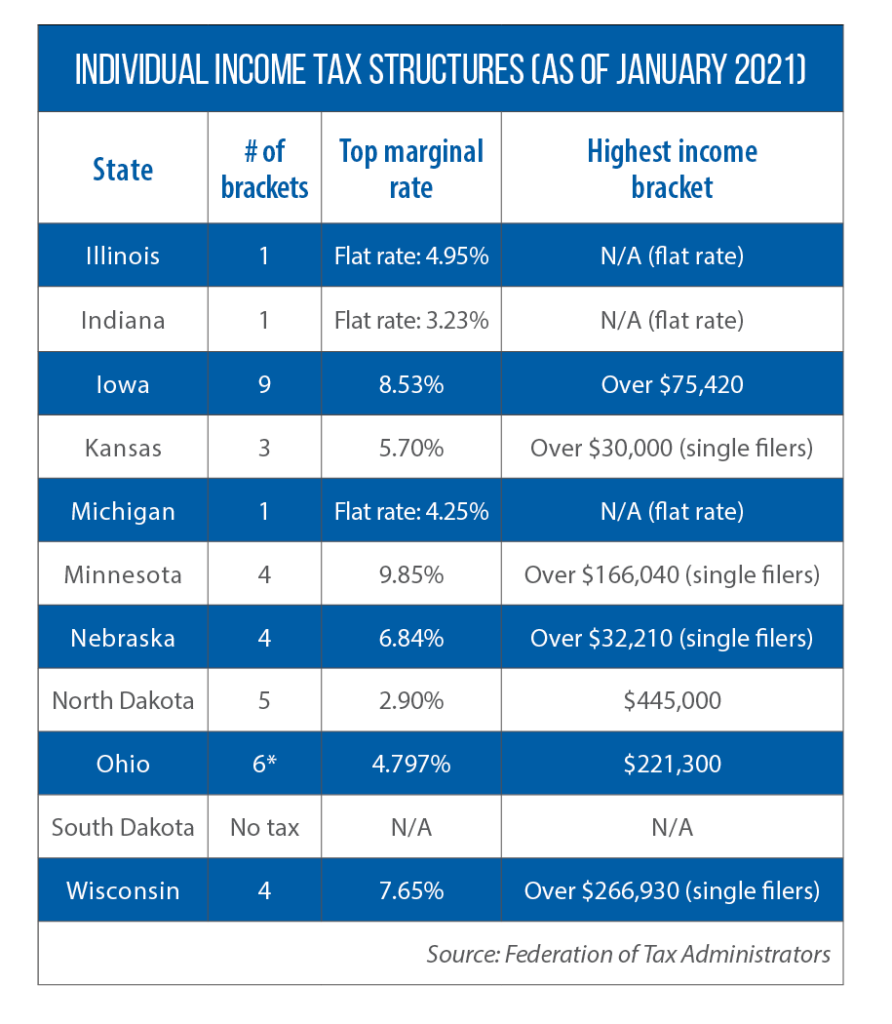
Conclusion: A Balanced Perspective on Nebraska’s Financial Landscape
In conclusion, Nebraska does have a state income tax, operating on a progressive rate structure. However, this is just one aspect of the state’s financial picture. For travelers and potential residents, it’s important to consider the broader context of Nebraska’s affordability, the benefits derived from tax revenue, and the wealth of experiences the state offers.
While the income tax is a factor in financial planning, it’s often balanced by a lower overall cost of living and the robust public services and natural beauty that make Nebraska a compelling destination. Whether you’re planning a brief visit to a landmark, an extended stay to explore its diverse landscapes, or considering a longer-term lifestyle, understanding Nebraska’s tax system provides a more complete picture, allowing you to make informed decisions and fully enjoy all that the Cornhusker State has to offer. From the majestic Chimney Rock to the bustling streets of Omaha, Nebraska provides a rich tapestry of experiences, and understanding its financial framework is simply another step in planning a fulfilling journey.
LifeOutOfTheBox is a participant in the Amazon Services LLC Associates Program, an affiliate advertising program designed to provide a means for sites to earn advertising fees by advertising and linking to Amazon.com. Amazon, the Amazon logo, AmazonSupply, and the AmazonSupply logo are trademarks of Amazon.com, Inc. or its affiliates. As an Amazon Associate we earn affiliate commissions from qualifying purchases.