
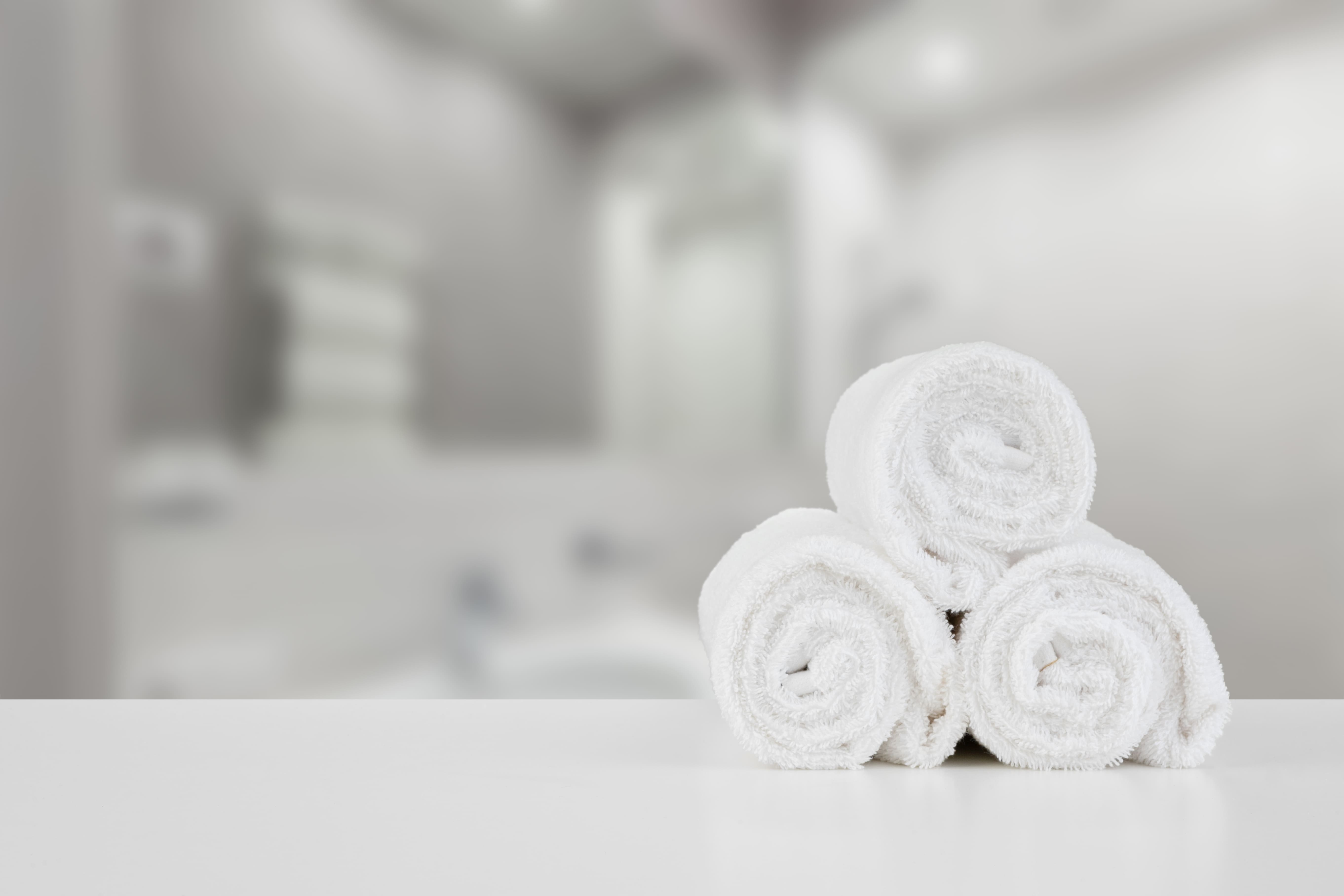
The pristine, fluffy white towel is a hallmark of a comfortable and hygienic hotel stay. Whether you’re checking into a bustling city hotel in New York City or a secluded beachfront resort in the Maldives, the expectation is that your towels will be brilliantly white, free from any lingering stains or dinginess. But have you ever stopped to wonder how they achieve and maintain this immaculate standard? It’s a more complex and intentional process than you might think, involving a combination of sophisticated laundry techniques, specialized cleaning agents, and diligent housekeeping practices.
The journey of a hotel towel from the guest room to its return, immaculately white, is a testament to the behind-the-scenes operations that contribute to a seamless travel experience. It’s not just about tossing them into a washing machine; it’s a science and an art form. The visual impact of a white towel is significant. It conveys cleanliness, luxury, and a sense of freshness, directly influencing a guest’s perception of the hotel’s overall quality. A dingy or stained towel, on the other hand, can immediately detract from an otherwise pleasant stay, raising concerns about hygiene standards. Therefore, hotels invest considerable resources and effort into ensuring their linens, especially towels, meet the highest aesthetic and sanitary benchmarks.

The scale of operations in a large hotel or resort is immense. Thousands of towels can be in circulation at any given time, used by hundreds, if not thousands, of guests daily. Each towel undergoes multiple uses and wash cycles, encountering various substances – from makeup and skincare products to sweat and accidental spills. Managing this constant flow and ensuring every single towel emerges spotless requires a robust and efficient laundry system. This system is often a critical, yet unseen, component of hotel operations, managed by dedicated staff who understand the nuances of textile care on a commercial scale.
The Science of Stain Removal and Whitening
The quest for perpetually white hotel towels begins with understanding the enemy: stains. Towels are exposed to a wide array of potential discoloring agents. Makeup, particularly foundation and lipstick, can leave stubborn, oily residues. Sunscreen and tanning lotions are notorious for their ability to transfer color to fabric. Even seemingly innocuous substances like hair dye or certain toiletries can contribute to staining. Furthermore, the natural oils and perspiration from the human body can gradually dull the fabric’s appearance over time.
Hotels employ a multi-pronged approach to tackle these challenges. Firstly, immediate attention to stains is crucial. Housekeeping staff are trained to identify and pre-treat any visible marks before the towel even reaches the laundry. This often involves specialized stain removers, applied directly to the affected area. Different stains require different treatments; for instance, an oil-based makeup stain might need a degreasing agent, while a dye-based stain might require an oxidizing solution.
The core of the whitening process happens in the hotel laundry, which may be an in-house facility or outsourced to a professional commercial laundry service. These facilities operate industrial-grade washing machines and dryers that are far more powerful and efficient than their domestic counterparts. They are designed to handle large volumes of laundry at high temperatures and with intense agitation, which are essential for deep cleaning and stain removal.
The Power of Specialized Cleaning Agents
The detergents used in hotel laundries are not your average supermarket brands. They are highly concentrated, industrial-strength formulas designed for maximum efficacy on a wide range of fabrics and stains. These detergents often contain a blend of surfactants, builders, enzymes, and optical brighteners.
- Surfactants are the workhorses of detergents, breaking down and lifting grease and dirt from the fabric fibers.
- Builders enhance the cleaning power of surfactants, particularly in hard water, by softening the water and preventing mineral deposits.
- Enzymes are biological catalysts that break down specific types of stains, such as protein-based stains (like sweat and blood) or starch-based stains.
- Optical Brighteners are key to achieving that dazzling white. These are fluorescent compounds that absorb ultraviolet light and re-emit it as blue light. This blue light counteracts any yellowing in the fabric, making the white appear brighter and whiter to the human eye. They don’t actually remove yellowing but rather mask it, creating the illusion of an even purer white.
Beyond detergents, hotels frequently use other chemical agents in their laundry processes. Chlorine bleach is a powerful disinfectant and whitener, highly effective at removing tough stains and killing bacteria. However, its use is carefully managed as it can weaken fabric fibers over time and is not suitable for all towel materials. Oxygen-based bleaches, such as hydrogen peroxide or sodium percarbonate, are gentler alternatives that are also effective at whitening and stain removal, particularly for colored stains. These are often used in conjunction with detergents to boost their whitening power.
The precise combination and concentration of these cleaning agents are meticulously calibrated based on the water hardness, the type of fabric, and the expected level of soiling. Sophisticated laundry systems often allow for precise dosing of chemicals, ensuring optimal results without wasting resources or damaging the linens.
The Rigorous Laundry Process
The journey of a towel through a hotel laundry is a structured and often highly automated process. It’s designed for efficiency, hygiene, and the preservation of the fabric’s quality.
From Collection to Washing

Once used towels are collected from guest rooms or common areas, they are typically sorted. This initial sorting can separate heavily soiled items from those with lighter use, or by fabric type if different laundry processes are employed. The towels are then loaded into industrial washing machines. These machines are significantly larger than domestic units, capable of holding hundreds of pounds of laundry.
The washing cycles themselves are programmed for maximum cleaning effectiveness. They involve:
- High Temperatures: Hot water is crucial for dissolving greases, oils, and breaking down many types of stains. Specific temperatures are used depending on the fabric type and the soil level.
- Powerful Agitation: The machines use strong mechanical action to thoroughly cleanse the fabric fibers.
- Multiple Rinses: After the main wash cycle, towels undergo several rinse cycles to ensure all detergent and soil residue is completely removed. Inadequate rinsing can lead to stiffness, dullness, and even skin irritation.
- Specialized Chemical Dosing: As mentioned earlier, detergents, bleaches, and other cleaning agents are automatically dispensed at specific points in the wash cycle, ensuring consistent and effective application.
Drying and Finishing for Superior Softness
After washing, the towels are transferred to large industrial dryers. Again, these are designed for high capacity and efficient drying. The drying process is carefully controlled to prevent over-drying, which can make towels stiff and prone to damage. High heat can also set in any remaining stains. Modern hotel laundries often use humidity sensors to optimize drying times, stopping the cycle as soon as the towels reach the desired moisture level.
The finishing touches are what truly elevate the hotel towel experience. Many hotels employ methods to ensure their towels are not just white but also soft and fluffy. This can involve:
- Fabric Softeners: While sometimes used cautiously due to potential residue buildup, industrial-grade fabric softeners can be part of the final rinse cycle to enhance softness.
- Controlled Tumbling: The tumbling action in both the washer and dryer helps to break up fabric clumps and restore loft to the towel fibers.
- Folding and Inspection: Once dry, towels are meticulously folded, often by automated folding machines in larger operations, and then inspected by staff. This inspection is critical to catch any lingering stains or imperfections that may have been missed. Towels that do not meet the strict standards are typically set aside for re-washing or, if damaged, are retired from service.
The sheer volume of linen processed daily in a busy hotel means that this entire cycle, from collection to folding, must be executed with speed and precision. The efficiency of the laundry operation directly impacts the availability of clean towels for guests, making it a critical behind-the-scenes function.
Maintaining the Pristine White: Beyond the Wash Cycle
Keeping towels white is not solely a matter of the washing process; it also involves proactive measures and ongoing maintenance. Hotels understand that preventing stains and managing wear and tear are as important as removing them.
Proactive Guest Room Practices
Housekeeping staff play a vital role in maintaining towel quality even before they enter the laundry. They are trained to:
- Identify and Report Stains: Upon clearing a room, staff are trained to visually inspect towels for any signs of staining. If a stain is noticed, it is often pre-treated immediately with a spot remover before the towel is placed in the soiled linen bin.
- Handle Stained Items Separately: In some hotels, heavily soiled or stained items are bagged and kept separate to prevent cross-contamination or further setting of stains.
- Minimize Harsh Treatments: While bleach is effective, excessive use can degrade fabric over time. Housekeeping might be advised on the appropriate use of cleaning agents in rooms to minimize potential transfer to towels.
Strategic Linen Management
Hotels also employ strategic linen management to ensure the longevity and appearance of their towels. This includes:
- Regular Replacement: Even with the best care, towels will eventually show signs of wear. Hotels have a schedule for replacing older towels with new ones to maintain the desired quality. This retirement process ensures that only the best-looking and most absorbent towels are presented to guests.
- Quality Control: Incoming new towels are inspected to ensure they meet the hotel’s standards. The texture, absorbency, and initial whiteness are all assessed.
- Inventory Management: Efficient inventory management ensures that there are always sufficient clean towels available, preventing hurried or compromised laundry processes during peak times.
The dedication to maintaining white towels is a silent promise to guests. It speaks to the hotel’s commitment to cleanliness, comfort, and a superior guest experience. From the initial choice of durable, high-quality fabrics and the sophisticated chemical formulations used in commercial laundries to the vigilant eye of housekeeping staff, every step is orchestrated to ensure that when you reach for that towel, it is as bright and inviting as possible. This meticulous attention to detail, often overlooked, is a cornerstone of the hospitality industry, contributing significantly to the overall perception of a hotel’s excellence, whether it’s a luxury stay at the Ritz Carlton or a charming boutique hotel in Paris. The simple white towel, in its immaculate state, is a powerful symbol of that commitment.
LifeOutOfTheBox is a participant in the Amazon Services LLC Associates Program, an affiliate advertising program designed to provide a means for sites to earn advertising fees by advertising and linking to Amazon.com. Amazon, the Amazon logo, AmazonSupply, and the AmazonSupply logo are trademarks of Amazon.com, Inc. or its affiliates. As an Amazon Associate we earn affiliate commissions from qualifying purchases.